
If you’ve ever tried watching your favorite show or live sports game from your backyard pergola, you know how quickly the experience can go from relaxing to frustrating. Sunlight glare washes out the screen, humidity causes condensation behind the display, and a sudden summer storm can leave your investment in ruins. That’s why choosing the right patio TV isn’t just about picking a nice-looking screen—it’s about selecting a display engineered to thrive in outdoor conditions. Whether you’re setting up a cozy evening movie night under string lights or hosting a game-day party with friends, your outdoor TV needs to be tough, bright, and reliable.
This comprehensive buying guide is designed to help you navigate the often-confusing world of outdoor televisions, specifically those suited for pergola installations. We’ll walk you through every critical factor—from weather resistance and brightness levels to smart features and mounting options—so you can make an informed decision that fits both your lifestyle and your budget. By the end of this guide, you’ll know exactly what to look for, what to avoid, and how to get the best value for your money. The market for outdoor TVs has grown significantly in recent years, with more brands offering specialized models that go far beyond simply slapping a weatherproof cover on a regular TV. Today’s patio TVs are purpose-built for open-air environments, featuring enhanced durability, anti-glare technology, and advanced cooling systems.
What to Look for When Buying Buying Guide
1. Weather Resistance & IP Rating
When it comes to outdoor electronics, weather resistance isn’t optional—it’s essential. Unlike indoor TVs, patio TVs are exposed to rain, snow, dust, humidity, and temperature swings. That’s why the Ingress Protection (IP) rating is one of the most important specs to check. Look for a minimum IP55 rating, which means the TV is protected against dust and water jets from any direction. For pergola installations—where the TV may not be fully enclosed—an IP65 or higher rating is ideal. This ensures protection against low-pressure water sprays and complete dust resistance.
But don’t stop at the IP rating. Check the TV’s operating temperature range. Most quality outdoor TVs can function between -22°F and 122°F (-30°C to 50°C), which covers nearly all seasonal extremes. Also, consider the materials used in the chassis. Aluminum or powder-coated steel enclosures resist rust and corrosion far better than plastic. Some premium models even feature sealed internal components and conformal coating on circuit boards to prevent moisture damage. For example, the SunBriteTV Veranda series uses a fully sealed design with no ventilation holes, eliminating the risk of water ingress.
2. Screen Brightness & Anti-Glare Technology
One of the biggest challenges with outdoor viewing is ambient light. Even under a pergola, sunlight reflecting off the screen can make content nearly impossible to see. That’s why outdoor TVs need significantly higher brightness than indoor models. While a typical living room TV might have 300–500 nits of brightness, a quality patio TV should deliver at least 700 nits, with many premium models exceeding 1,000 nits. This ensures clear visibility even on bright, sunny days.
But brightness alone isn’t enough. You also need anti-glare technology. Look for TVs with direct-lit LED backlighting and anti-reflective coatings on the screen surface. Some models, like those from Seura, feature optically bonded glass that reduces internal reflections and improves contrast in bright conditions. Additionally, consider the screen’s viewing angle. A wide viewing angle (at least 178 degrees) ensures that everyone seated around your pergola can enjoy a clear picture without color distortion.
3. Build Quality & Durability
Outdoor TVs are subjected to more stress than their indoor counterparts. They face temperature fluctuations, UV exposure, wind, and even the occasional stray baseball. That’s why build quality matters more than ever. Start by examining the materials. A sturdy metal frame with reinforced corners and a robust back panel will withstand years of outdoor use. Avoid TVs with flimsy plastic backs or thin bezels that can warp or crack.
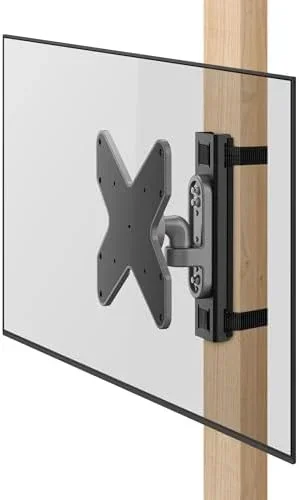
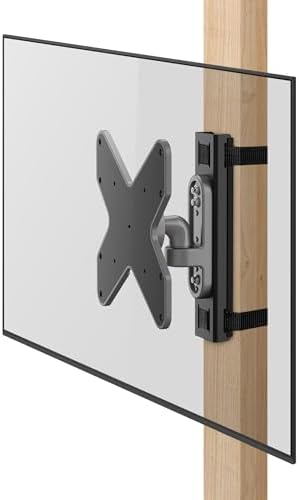
Look for models with reinforced mounting systems. Since pergolas often require custom or ceiling mounts, the TV should support VESA patterns compatible with outdoor-rated brackets. Some manufacturers, like Peerless-AV, offer specialized outdoor mounting kits designed to handle wind loads and provide secure, vibration-free installation. Also, check for internal cooling systems. Unlike indoor TVs that rely on passive airflow, outdoor models often include silent fans or heat-dissipating designs to prevent overheating during summer months.
4. Smart Features & Connectivity
Just because your TV is outdoors doesn’t mean it should lack modern conveniences. Today’s best patio TVs come with full smart TV platforms, allowing you to stream content directly without needing an external device. Look for models with built-in Wi-Fi, Bluetooth, and popular operating systems like Android TV, webOS, or Roku TV. This lets you access Netflix, YouTube, Disney+, and other streaming services with ease.
Connectivity is equally important. Ensure the TV has multiple HDMI ports (at least three), USB ports for media playback, and an Ethernet port for a stable wired connection. Some models also include optical audio outputs or ARC (Audio Return Channel) support for connecting soundbars or outdoor speakers. For pergola setups, consider TVs with front or side-facing ports, as rear ports can be difficult to access once mounted. Also, check for compatibility with voice assistants like Alexa or Google Assistant for hands-free control.
5. Size & Viewing Distance
Choosing the right screen size for your pergola depends on your seating arrangement and viewing distance. A common rule of thumb is to sit at a distance equal to 1.5 to 2.5 times the diagonal screen size. For example, a 55-inch TV is ideal for seating 6.5 to 11 feet away. However, outdoor environments often have more ambient light and less controlled acoustics, so a larger screen can enhance the experience.
Consider the physical dimensions of your pergola. Measure the available wall or ceiling space to ensure the TV fits comfortably without obstructing walkways or views. Also, factor in the weight—larger outdoor TVs can weigh 50–80 pounds, so your mounting solution must be strong enough to support them. If space is limited, a 43-inch or 50-inch model may be more practical. But if you’re hosting gatherings, a 65-inch or 75-inch screen can create a true outdoor theater feel.
6. Audio Performance
While many homeowners pair their patio TV with external speakers or a soundbar, the built-in audio quality still matters—especially for casual viewing or when external audio isn’t practical. Most outdoor TVs come with 10–20W stereo speakers, which are sufficient for small gatherings but may lack depth and volume for larger spaces.
Look for models with enhanced audio features like Dolby Digital support, bass enhancement, or virtual surround sound. Some premium TVs, such as the Samsung Terrace, include upward-firing speakers for a more immersive experience. If you plan to use the TV’s internal speakers, test them in person or read detailed reviews to ensure they deliver clear dialogue and adequate volume. For optimal sound, consider installing weatherproof outdoor speakers around your pergola and connecting them via Bluetooth or wired audio outputs.
7. Brand Reputation & Reliability
Not all outdoor TV brands are created equal. Some manufacturers specialize in outdoor electronics and have a proven track record of durability and performance. Brands like SunBriteTV, Seura, and Samsung (with its Terrace series) are known for their high-quality, weather-resistant designs. These companies often conduct rigorous testing in extreme conditions and offer longer warranties than generic brands.
Research customer reviews and professional evaluations to gauge reliability. Look for feedback on long-term performance, customer service responsiveness, and ease of installation. Avoid off-brand or “outdoor-ready” TVs that are merely indoor models with a weatherproof cover—these often fail within a year due to internal moisture buildup or overheating. Investing in a reputable brand may cost more upfront, but it saves money and frustration in the long run.
8. Warranty & Support
Outdoor TVs are a significant investment, so robust warranty coverage is crucial. Most premium outdoor TVs come with 2–3 year warranties that cover both parts and labor. Some brands, like SunBriteTV, offer extended service plans or on-site repair options. Check what the warranty includes—does it cover accidental damage, power surges, or corrosion? Is there a service center nearby?
Also, consider the availability of customer support. Can you reach a technician by phone or chat? Are replacement parts readily available? A strong support network ensures that if something goes wrong, you won’t be left with a non-functional TV for weeks. Read the fine print: some warranties are voided if the TV is installed incorrectly or used in conditions outside the specified range.
Different Types of Buying Guide

Common Buying Mistakes to Avoid
❌ Mistake: Buying a Regular Indoor TV for Outdoor Use
Why it’s bad: Indoor TVs are not designed to handle moisture, temperature changes, or UV exposure. Even with a cover, internal components can corrode, screens can fog, and the TV may overheat or short-circuit. Many indoor TVs also lack the brightness needed for outdoor visibility.
What to do instead: Invest in a TV specifically engineered for outdoor use. These models feature sealed designs, enhanced cooling, and weather-resistant materials. If budget is a concern, consider a partial-shade outdoor TV or an indoor TV with a high-quality outdoor enclosure—but never use a standard TV without protection.
❌ Mistake: Ignoring the IP Rating
Why it’s bad: Without a proper IP rating, you have no guarantee the TV can withstand rain, dust, or humidity. A TV with an IP44 rating, for example, is only protected against splashing water and large dust particles—insufficient for most pergola setups.
What to do instead: Always check the IP rating and choose a model with at least IP55. For pergolas with partial coverage, IP65 is ideal. Verify the rating with the manufacturer and avoid vague claims like “weather-resistant” without certification.
❌ Mistake: Overlooking Mounting Requirements
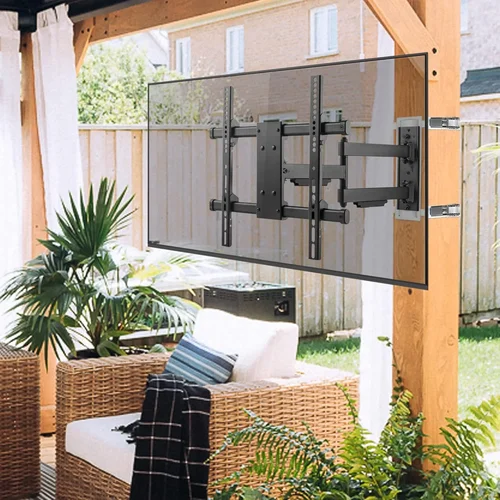
Why it’s bad: Pergolas often require ceiling or angled wall mounts, which must support the TV’s weight and resist wind forces. Using indoor mounts or improper hardware can lead to sagging, vibration, or even the TV falling.
What to do instead: Use outdoor-rated mounting brackets designed for your TV’s VESA pattern and weight. Consider tilt and swivel options for optimal viewing angles. Consult a professional installer if you’re unsure about structural support.
❌ Mistake: Choosing the Wrong Screen Size
Why it’s bad: A TV that’s too small will be hard to see from a distance, while one that’s too large can overwhelm the space and require excessive mounting reinforcement.
What to do instead: Measure your viewing distance and use the 1.5–2.5x rule to determine the ideal screen size. Also, consider the pergola’s dimensions and ensure there’s enough clearance for safe installation and viewing.
❌ Mistake: Neglecting Audio Needs
Why it’s bad: Built-in speakers on outdoor TVs are often underpowered, leading to muffled dialogue and weak bass—especially in open spaces with background noise.
What to do instead: Plan for external audio from the start. Install weatherproof speakers around the pergola and connect them via Bluetooth or wired outputs. A soundbar mounted below the TV can also enhance clarity.
❌ Mistake: Skipping the Warranty Check
Why it’s bad: Outdoor TVs are expensive, and repairs can be costly. A limited or unclear warranty may leave you paying out of pocket for failures due to normal wear.
What to do instead: Choose a model with at least a 2-year comprehensive warranty. Read the terms carefully and consider extended coverage for added peace of mind.
Budget Guidelines: How Much Should You Spend?
Entry-Level ($800 – $1,500): This range includes indoor TVs with outdoor enclosures or basic partial-shade models. Expect lower brightness (500–600 nits), limited smart features, and shorter warranties. Best for covered pergolas with minimal sun exposure and occasional use.
Mid-Range ($1,500 – $3,000): The sweet spot for most homeowners. These TVs offer 700–1,000 nits brightness, IP55 or higher ratings, full smart platforms, and solid build quality. Ideal for pergolas with partial shade and regular use.
Premium ($3,000 – $5,000): Designed for enthusiasts and frequent entertainers. Features include 1,000+ nits brightness, anti-glare glass, advanced cooling, and premium audio. Models like the SunBriteTV Veranda or Samsung Terrace fall here.
Luxury ($5,000+): Top-tier all-weather TVs with commercial-grade durability, 24/7 operation capability, and ultra-high brightness (1,500+ nits). Best for open patios, luxury homes, or commercial installations.
Expert Tips for Getting the Best Deal
– Buy during off-season sales: Outdoor TVs often go on sale in late fall and winter when demand drops. Look for Black Friday, Cyber Monday, or end-of-year clearance events.
– Compare online and in-store prices: Retailers like Best Buy, Costco, and specialty outdoor electronics stores may offer price matching or bundle deals with mounts and cables.
– Check for manufacturer rebates: Brands like Samsung and SunBriteTV occasionally offer cashback or free installation with purchase.
– Read professional and user reviews: Sites like CNET, Wirecutter, and Amazon provide detailed insights into real-world performance and reliability.
– Test the TV before finalizing: If possible, visit a showroom to evaluate brightness, color accuracy, and audio quality in person.
– Negotiate installation services: Some retailers offer free or discounted professional installation with purchase—especially for ceiling mounts.
– Consider refurbished models: Certified pre-owned outdoor TVs from reputable sellers can save 20–30% while still offering full warranties.
Frequently Asked Questions
Q: Can I use a regular TV under a pergola?
A: Technically yes, but it’s not recommended. Without proper weatherproofing, moisture and temperature changes can damage the TV within months. If you must use an indoor TV, invest in a high-quality outdoor enclosure with ventilation and drainage.
Q: Do outdoor TVs need to be plugged into a GFCI outlet?
A: Yes. For safety, always connect your outdoor TV to a Ground Fault Circuit Interrupter (GFCI) outlet, which protects against electrical shocks in wet conditions.
Q: How do I clean an outdoor TV screen?
A: Use a microfiber cloth and a mild cleaner designed for anti-reflective screens. Avoid ammonia-based products or abrasive materials that can scratch the coating.
Q: Can I leave my outdoor TV on all the time?
A: Most outdoor TVs are designed for continuous use, but check the manufacturer’s guidelines. Commercial-grade models are built for 24/7 operation, while consumer models may recommend periodic rest.
Q: What’s the difference between partial-shade and all-weather TVs?
A: Partial-shade TVs are for covered areas like pergolas and screened porches. All-weather models are fully sealed and rated for direct exposure to rain and snow.
Q: Do outdoor TVs come with remotes?
A: Yes, but consider a weatherproof remote or a universal remote with RF capability to avoid line-of-sight issues.
Q: Can I mount an outdoor TV on a pergola beam?
A: Yes, but ensure the beam is structurally sound and use a reinforced outdoor mount. Consult a contractor if the beam is made of wood or composite materials.
Q: Are outdoor TVs energy efficient?
A: Many modern outdoor TVs use LED backlighting and energy-saving modes. Look for ENERGY STAR certification to reduce power consumption.
Our Final Recommendations
Best for Budget-Conscious Buyers: TCL 55″ 4-Series with Outdoor Enclosure – A reliable indoor TV paired with a weatherproof case offers solid performance at a fraction of the cost.
Best Overall Value: SunBriteTV Veranda 55″ – Combines excellent brightness (700 nits), IP55 rating, and smart features at a competitive price.
Best Premium Option: Samsung The Terrace 65″ – Features 1,500 nits brightness, anti-glare glass, and a sleek design perfect for upscale pergolas.
Best for Beginners: Seura 50″ Shade Series – Easy to install, user-friendly interface, and strong customer support make it ideal for first-time buyers.
Best for Advanced Users: Peerless-AV Xtreme 75″ – Commercial-grade durability, modular design, and customizable mounting for tech-savvy homeowners.
Conclusion: Making the Right Choice
Choosing the right patio TV for your pergola is about more than just picture quality—it’s about creating a reliable, enjoyable outdoor entertainment space that lasts for years. By focusing on weather resistance, brightness, build quality, and smart features, you can find a TV that delivers exceptional performance in any condition. Avoid common pitfalls like using indoor TVs or ignoring IP ratings, and always prioritize reputable brands with strong warranties.
Remember, your outdoor TV is an investment in your home and lifestyle. Take the time to assess your needs, compare options, and consult experts if necessary. Whether you’re watching a sunset movie or cheering on your team, the right TV will transform your pergola into a true outdoor oasis. Start your search with confidence, and enjoy every moment under the open sky.

