
Watching live sports outdoors has become one of the most enjoyable ways to enjoy games with friends and family. Whether you’re hosting a Super Bowl party, catching a World Cup final, or simply enjoying a sunny afternoon with a baseball game on in the background, having the right patio TV can transform your outdoor space into a true entertainment hub. But choosing the perfect outdoor television isn’t as simple as buying a regular indoor model and mounting it outside. Outdoor environments present unique challenges—harsh sunlight, temperature swings, humidity, rain, dust, and even wildlife—that can quickly damage standard TVs not built for such conditions.
That’s why this comprehensive buying guide exists. We’ve tested, researched, and analyzed the latest outdoor TV models and technologies to help you make a smart, informed decision. Whether you’re a casual viewer or a die-hard sports fan who refuses to miss a single play, this guide will walk you through everything you need to know: from understanding key performance specs and durability ratings to comparing different types of outdoor TVs and avoiding common purchasing pitfalls. By the end, you’ll know exactly what to look for, how much to budget, and which models deliver the best value for your needs.
The outdoor TV market has evolved significantly over the past few years. What once was a niche category dominated by a handful of rugged, expensive models has now expanded to include more affordable options, smart features, and even portable designs. Brands like Samsung, LG, Sony, SunBriteTV, and Seura have introduced innovative solutions tailored specifically for outdoor use. Meanwhile, advancements in display technology—such as brighter panels, anti-glare coatings, and weatherproof enclosures—have made it possible to enjoy crystal-clear visuals even under direct sunlight. With so many choices available, it’s easy to feel overwhelmed. But don’t worry—we’re here to cut through the noise and give you the expert insight you need to pick the perfect patio TV for your outdoor sports-watching setup.
What to Look for When Buying Buying Guide
1. Brightness & Display Quality
When it comes to outdoor viewing, brightness is king. Unlike indoor TVs that typically operate at 300–500 nits, outdoor models must combat intense ambient light—especially during daytime games. Look for a minimum brightness rating of 700 nits, but ideally aim for 1,000 nits or higher for clear visibility in direct sunlight. High Dynamic Range (HDR) support is also crucial, as it enhances contrast and color depth, making fast-paced sports action pop with realism.
Additionally, consider the panel type. OLED screens offer superior contrast and deep blacks but may struggle with brightness in bright conditions. QLED and high-brightness LED/LCD panels are generally better suited for outdoor use due to their peak luminance capabilities. Anti-reflective coatings and optically bonded glass further reduce glare, ensuring you won’t be squinting at your screen during a crucial penalty kick or overtime touchdown.
2. Weather Resistance & IP Rating
Outdoor TVs must withstand rain, snow, dust, humidity, and temperature extremes. This is where the Ingress Protection (IP) rating becomes essential. The IP code consists of two digits: the first indicates protection against solids (like dust), and the second against liquids (like rain). For patio use, an IP55 or higher rating is recommended. IP55 means the TV is protected from limited dust ingress and low-pressure water jets from any direction—perfect for covered patios or decks.
For fully exposed areas (like open-air gazebos or beachfront properties), consider models with IP65 or IP66 ratings, which offer complete dust protection and resistance to powerful water jets. Also, check if the TV includes a weatherproof rear ventilation system to prevent condensation buildup, which can damage internal components over time.
3. Operating Temperature Range
Standard indoor TVs are designed to operate between 50°F and 95°F (10°C–35°C). But outdoor environments can swing far beyond that—think freezing winter nights or scorching summer afternoons. A quality outdoor TV should function reliably within a range of -22°F to 122°F (-30°C to 50°C). This ensures the display won’t shut down during a chilly evening game or overheat when the sun beats down at noon.
Some premium models include built-in heaters and cooling fans to maintain optimal internal temperatures. These features add cost but are invaluable if you live in regions with extreme climates. Always verify the manufacturer’s stated operating range before purchasing—don’t assume all “outdoor” TVs are equally rugged.
4. Build Quality & Enclosure Design
The physical construction of an outdoor TV matters just as much as its electronic specs. Look for robust, powder-coated aluminum or stainless-steel housings that resist rust, corrosion, and UV degradation. Avoid plastic enclosures—they can warp, crack, or fade over time when exposed to the elements.
Sealed seams, gaskets around ports, and reinforced mounting points are signs of thoughtful engineering. Also, ensure the TV has a fully enclosed back panel with no exposed vents or openings where moisture or insects could enter. Some models even include protective covers or optional sunshades for added durability during off-seasons.
5. Smart Features & Connectivity
Modern outdoor TVs aren’t just dumb screens—they’re full-fledged smart platforms. Look for models running webOS (LG), Tizen (Samsung), or Android TV, which give you access to streaming apps like Netflix, YouTube, ESPN+, and Paramount+. Built-in Wi-Fi and Ethernet ports ensure stable connectivity, while HDMI 2.1 inputs support 4K/120Hz content for ultra-smooth sports broadcasts.
Voice control via Alexa or Google Assistant is a nice bonus, allowing you to change channels or adjust volume without fumbling for a remote. Bluetooth support lets you pair wireless speakers or headphones for private listening during late-night games. Don’t forget to check the number and placement of USB and HDMI ports—having them easily accessible on the side or front makes cable management much easier.
6. Audio Performance
While many outdoor TVs include built-in speakers, they’re often underpowered for open-air environments where sound dissipates quickly. Most outdoor models feature 10–20W speakers, which may suffice for quiet backyard viewing but fall short during loud game days with cheering crowds.
Consider pairing your TV with a weather-resistant soundbar or outdoor speaker system. Many manufacturers offer compatible audio accessories designed to match their TVs’ durability standards. Alternatively, look for TVs with optical audio outputs or ARC (Audio Return Channel) support to connect external amplifiers or wireless speaker setups.
7. Size & Viewing Distance
Choosing the right screen size depends on your seating arrangement and viewing distance. For outdoor setups, larger is usually better—especially if guests will be spread across a patio or lawn. As a general rule:
– 43–50 inches: Ideal for small patios or close-range viewing (6–8 feet)
– 55–65 inches: Best for medium-sized decks or pergolas (8–12 feet)
– 70+ inches: Perfect for large backyards or outdoor theaters (12+ feet)
Use a viewing distance calculator or measure your space beforehand. A TV that’s too small will strain eyes during fast action; one that’s too large may overwhelm the space and look disproportionate.
8. Brand Reputation & Warranty
Not all outdoor TV brands are created equal. Established names like SunBriteTV (by Sylvane), Seura, and Samsung’s Terrace series have proven track records in durability and customer support. These companies specialize in outdoor displays and often provide longer warranties—typically 2–3 years—compared to standard 1-year coverage on indoor models.
Read user reviews on trusted sites like Amazon, Best Buy, or specialty AV forums. Pay attention to comments about long-term reliability, customer service responsiveness, and ease of repair. A strong warranty isn’t just about peace of mind—it’s a sign the manufacturer stands behind its product.
Different Types of Buying Guide

Common Buying Mistakes to Avoid

❌ Mistake: Buying a Regular Indoor TV for Outdoor Use
Why it’s bad: Indoor TVs lack the brightness, weatherproofing, and thermal management needed for outdoor environments. Even under a covered patio, humidity and temperature swings can cause condensation, screen fogging, or permanent damage within months.
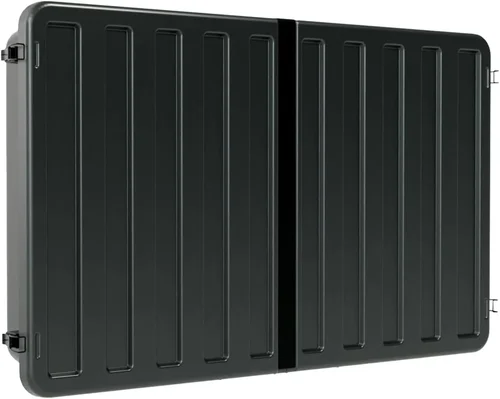
What to do instead: Invest in a purpose-built outdoor TV or use a certified outdoor enclosure. The extra cost upfront saves you from costly replacements and ensures reliable performance season after season.
❌ Mistake: Ignoring the IP Rating
Why it’s bad: Without proper ingress protection, rain, sprinklers, or morning dew can seep into the TV’s internals, leading to electrical shorts or corrosion. Many buyers assume “outdoor-ready” means fully waterproof—but that’s not always true.
What to do instead: Always check the IP rating and match it to your installation environment. If your TV will be partially exposed, don’t settle for anything below IP55.
❌ Mistake: Overlooking Brightness Requirements
Why it’s bad: A dim screen turns your exciting playoff game into a washed-out shadow. Many buyers regret choosing a TV with only 500 nits because it’s unusable during daylight hours.
What to do instead: Prioritize brightness—aim for at least 1,000 nits for sunny locations. Look for models with anti-glare coatings and local dimming for better contrast in bright conditions.
❌ Mistake: Skimping on Audio
Why it’s bad: Built-in outdoor TV speakers are often tinny and weak. During a loud crowd scene or explosive game moment, you’ll struggle to hear commentary or sound effects.
What to do instead: Plan for external audio from day one. Budget for a weatherproof soundbar or wireless speaker system to complement your visual experience.
❌ Mistake: Not Considering Viewing Angles
Why it’s bad: Outdoor gatherings mean people sit at various angles—not just straight-on. TVs with poor off-axis viewing lose color accuracy and brightness when viewed from the side.
What to do instead: Choose models with IPS or advanced VA panels that maintain image quality at wide angles. Test side viewing if possible before purchasing.
❌ Mistake: Forgetting About Power and Cable Management
Why it’s bad: Running extension cords across your patio creates tripping hazards and looks messy. Exposed cables can also degrade or get chewed by pests.
What to do instead: Plan your power source and cable routing early. Use outdoor-rated conduits, cable covers, or consider wireless streaming to minimize clutter.
❌ Mistake: Neglecting Warranty and Support
Why it’s bad: Outdoor TVs are expensive investments. If something goes wrong after the first year, you don’t want to be stuck with a $3,000 paperweight.
What to do instead: Choose brands with strong warranties (2+ years) and responsive customer service. Check if local repair options are available.
Budget Guidelines: How Much Should You Spend?
– Entry-Level ($800–$1,500): This tier includes portable outdoor TVs or indoor models paired with basic enclosures. Expect modest brightness (500–700 nits), limited smart features, and shorter warranties. Best for occasional use in shaded or covered areas.
– Mid-Range ($1,500–$3,500): The sweet spot for most homeowners. These partial-coverage outdoor TVs offer 800–1,200 nits brightness, IP55 ratings, full smart platforms, and solid build quality. Ideal for covered patios and year-round use in moderate climates.
– Premium ($3,500–$6,000): All-weather models from top brands like SunBriteTV or Samsung Terrace. Features include 1,500+ nits brightness, IP66 ratings, extreme temperature operation, premium audio, and extended warranties. Perfect for exposed installations or harsh environments.
– Luxury ($6,000+): Commercial-grade displays or custom-built outdoor entertainment systems. These offer 2,000+ nits, 24/7 operation, advanced cooling/heating, and integration with home automation. Reserved for high-end residences, resorts, or public venues.
Expert Tips for Getting the Best Deal
– Buy During Off-Seasons: Prices drop significantly in late fall and winter when demand for outdoor electronics slows. Look for Black Friday, Cyber Monday, or post-holiday sales.
– Compare Retailers: Check specialty AV stores, big-box retailers (Best Buy, Costco), and online marketplaces (Amazon, Crutchfield). Some offer price matching or bundle deals with mounts and cables.
– Consider Refurbished Models: Certified refurbished outdoor TVs from reputable sellers often come with full warranties and can save you 20–30% off retail.
– Read the Fine Print on Warranties: Some warranties void coverage if the TV is installed incorrectly or used outside specified conditions. Ensure your setup complies.
– Test Before You Commit: If buying in-store, ask to see the TV powered on outdoors. Online? Watch unboxing and review videos that show real-world brightness and sound.
– Check Return Policies: Outdoor TVs are bulky and expensive to return. Choose retailers with generous return windows (30+ days) and free return shipping.
– Bundle with Accessories: Some brands offer discounts when you buy a TV with a matching mount, soundbar, or cover. These bundles can offer better value than purchasing separately.
– Join Loyalty Programs: Stores like Best Buy or Crutchfield offer member-exclusive discounts, early access to sales, and extended return periods.

Frequently Asked Questions
Q: Can I use a regular TV outdoors if it’s under a roof?
A: Technically yes, but it’s not recommended long-term. Even covered areas experience humidity, temperature swings, and dust. Without proper ventilation and weather sealing, indoor TVs can fail prematurely. For reliable, worry-free performance, invest in an outdoor-specific model or enclosure.
Q: Do outdoor TVs need special mounts?
A: Yes. Standard mounts aren’t designed for outdoor conditions. Look for rust-proof, powder-coated mounts rated for your TV’s weight and VESA pattern. Tilt or full-motion mounts offer flexibility for optimal viewing angles.
Q: How do I clean my outdoor TV?
A: Use a microfiber cloth and mild soap solution. Avoid ammonia-based cleaners or abrasive materials that can scratch the anti-glare coating. Always power off and unplug the TV before cleaning.
Q: Will my outdoor TV work in winter?
A: It depends on the model. Check the operating temperature range. Many outdoor TVs function down to -22°F, but performance may slow in extreme cold. Built-in heaters help maintain functionality.
Q: Can I stream live sports on an outdoor TV?
A: Absolutely. Most modern outdoor TVs run full smart platforms with apps for ESPN+, YouTube TV, Hulu + Live TV, and more. Just ensure a strong Wi-Fi signal or use an Ethernet connection for stability.
Q: Are outdoor TVs energy efficient?
A: They consume more power than indoor models due to higher brightness and thermal systems. Look for ENERGY STAR-certified models to reduce electricity usage.
Q: What’s the lifespan of an outdoor TV?
A: With proper care, expect 7–10 years of reliable service. Premium models with robust build quality often last even longer.
Q: Do I need a surge protector?
A: Yes! Outdoor electronics are vulnerable to power surges from lightning or grid fluctuations. Use a high-quality outdoor-rated surge protector with at least 2,000 joules of protection.
Q: Can I install the TV myself?
A: If you’re experienced with mounting and wiring, yes—but many homeowners hire professionals to ensure safe, secure installation and proper cable management.
Q: Are there solar-powered outdoor TV options?
A: Not yet mainstream, but portable solar-compatible models are emerging for off-grid use. These are ideal for camping or remote cabins.
Our Final Recommendations
– Best for Budget-Conscious Buyers: SunBriteTV Veranda Series (55″) – Offers excellent brightness (1,000 nits), IP55 rating, and smart features under $2,000. Perfect for covered patios.
– Best Overall Value: Samsung The Terrace Partial Sun (65″) – Combines QLED color, 1,500 nits brightness, IP55 protection, and Tizen OS in a sleek design. Priced around $3,200.
– Best Premium Option: SunBriteTV Pro Series (75″) – Built for extreme conditions with IP66 rating, 2,000 nits brightness, and military-grade durability. Ideal for open-air installations.
– Best for Beginners: Seura Shadow 43″ – Simple setup, great picture quality, and reliable performance for first-time outdoor TV owners. Around $1,800.
– Best for Advanced Users: LG UltraBright Outdoor Display (86″) – Features webOS, HDMI 2.1, and professional-grade cooling. Designed for tech-savvy users who want cutting-edge performance.
Conclusion: Making the Right Choice
Choosing the right patio TV for outdoor sports watching is about more than just screen size or price—it’s about matching technology to your environment, usage habits, and long-term expectations. From battling glare on sunny afternoons to surviving seasonal weather shifts, every detail matters. By focusing on brightness, weather resistance, smart functionality, and build quality, you’ll avoid common pitfalls and invest in a TV that delivers years of thrilling game-day experiences.
Remember, the best outdoor TV isn’t necessarily the most expensive—it’s the one that fits your space, budget, and lifestyle. Take time to assess your needs, read real user reviews, and don’t rush the decision. Whether you’re cheering for your home team under the stars or hosting a neighborhood watch party, the right TV will make every moment count.
Ready to upgrade your outdoor entertainment? Use this guide as your roadmap, prioritize what matters most to you, and enjoy the game like never before—rain or shine.

