
When you live in a humid climate—whether it’s the muggy summers of the Southeast, the coastal breezes of the Gulf Coast, or the tropical air of Hawaii—your outdoor living space becomes more than just a luxury. It’s an extension of your home, a place to unwind, entertain, and enjoy the fresh air. But turning that patio, deck, or covered porch into a true outdoor entertainment zone comes with unique challenges. One of the biggest? Finding a television that can actually survive the elements.
Standard indoor TVs are not built for outdoor use. They lack the protection needed to resist moisture, temperature swings, and UV exposure—all of which are common in humid environments. Without proper shielding, even a high-end 4K display can succumb to corrosion, fogging, or electrical failure within months. That’s why investing in a purpose-built patio TV isn’t just a nice-to-have—it’s essential for long-term enjoyment and value. This guide is designed to help you navigate the often-confusing world of outdoor televisions, especially if you’re dealing with high humidity levels year-round.
In this comprehensive buying guide, you’ll learn everything you need to make a smart, informed decision. We’ll break down the key factors to consider—from weatherproof ratings and display technology to smart features and installation requirements. You’ll discover the different types of patio TVs available, how they perform in real-world humid conditions, and what common pitfalls to avoid. Whether you’re on a tight budget or ready to splurge on a premium outdoor display, we’ll help you find the right model that balances performance, durability, and value. By the end, you’ll have the confidence to choose a TV that not only looks great on your patio but also stands up to the test of time—and weather.
The market for outdoor TVs has evolved significantly in recent years. What once consisted of bulky, expensive specialty models has now expanded to include a range of options from well-known consumer electronics brands and dedicated outdoor tech companies. Today, you can find full-brightness 4K HDR displays with built-in streaming, anti-glare screens, and IP-rated enclosures that protect against dust and water. However, not all “outdoor” TVs are created equal—especially when it comes to humidity resistance. Some models are designed for fully covered areas, while others can handle partial exposure. Understanding these distinctions is crucial, particularly if you live in a region where rain, sea spray, or high moisture levels are a constant concern.
What to Look for When Buying Buying Guide
1. Weatherproof Rating (IP Rating)
The most critical factor when choosing a patio TV for humid areas is its Ingress Protection (IP) rating. This standardized code tells you exactly how well the TV resists dust and moisture. For humid environments, you’ll want a minimum rating of IP55, but ideally IP65 or higher. An IP65 rating means the TV is dust-tight and protected against water jets from any direction—perfect for patios exposed to rain or high humidity. IP66 and IP67 offer even greater protection, with resistance to powerful water jets and temporary immersion, respectively.
Look for TVs that specify their IP rating clearly in the product description. Avoid models that only claim to be “weather-resistant” without providing an official rating—this is often marketing fluff. Also, pay attention to whether the rating applies to the entire unit or just certain components. A fully sealed enclosure with a tempered glass front and sealed ports is essential. Humidity can seep into tiny gaps, causing internal condensation and corrosion over time. A true outdoor TV will have gaskets, sealed cable entries, and ventilation systems designed to manage moisture without compromising airflow.
2. Display Brightness and Anti-Glare Technology
Indoor TVs typically operate at around 300–500 nits of brightness—fine for a dim living room but nearly invisible in direct sunlight. Outdoor environments, especially patios with open skies, require significantly higher brightness to maintain visibility. For humid areas where glare from water surfaces (like pools or decks) can be intense, look for a TV with at least 700 nits, but ideally 1,000 nits or more. Some premium models offer up to 2,500 nits, ensuring crisp, vibrant images even at midday.
Equally important is anti-glare or anti-reflective coating. Standard glass screens reflect sunlight, making it hard to see the picture. Outdoor TVs use specialized coatings or matte finishes to reduce reflections. Additionally, some models feature optically bonded glass, which eliminates the air gap between the LCD panel and the outer glass. This not only reduces glare but also prevents internal fogging—a common issue in humid climates where temperature differences cause condensation inside the screen.
Consider the viewing angle as well. If your patio seating is spread out, a wide viewing angle (178 degrees or more) ensures everyone gets a clear picture. OLED panels offer excellent viewing angles, but many outdoor TVs use high-brightness LCDs with advanced backlighting for better durability in harsh conditions.
3. Build Quality & Durational Materials
Humidity doesn’t just affect electronics—it can degrade materials over time. A patio TV must be built with corrosion-resistant components. Look for enclosures made from powder-coated aluminum or marine-grade stainless steel. These materials resist rust and oxidation, even in coastal or tropical environments. Avoid plastic housings, which can become brittle under UV exposure and may warp in high heat.
Internal components should also be protected. High-quality outdoor TVs use conformal coating on circuit boards—a thin protective layer that shields against moisture, dust, and salt. This is especially important in humid areas where airborne moisture can condense on internal parts. Additionally, check for sealed cooling systems. Passive cooling (no fans) is ideal, as it reduces the risk of moisture ingress. If the TV uses active cooling, ensure the vents are filtered and designed to prevent water entry.
The mounting hardware matters too. Use stainless steel or galvanized brackets and anchors rated for outdoor use. Standard indoor mounts may corrode quickly, leading to instability or failure. Some manufacturers offer weatherproof mounting kits designed specifically for their outdoor models.
4. Temperature Tolerance and Operating Range
Humid climates often come with extreme temperature swings—hot, sticky days followed by cool, damp nights. Your patio TV must operate reliably across a wide range. Most outdoor TVs are rated for temperatures between -22°F and 122°F (-30°C to 50°C), but verify this spec before buying. Some models include built-in heaters or thermal management systems to prevent damage during cold starts or overheating in direct sun.
Condensation is a major concern in humid areas. When a cold TV is exposed to warm, moist air, water droplets can form inside the unit. High-end models use desiccants or humidity-controlled enclosures to manage this. Others feature slow-start circuits that gradually warm the internal components to avoid thermal shock.
5. Smart Features and Connectivity
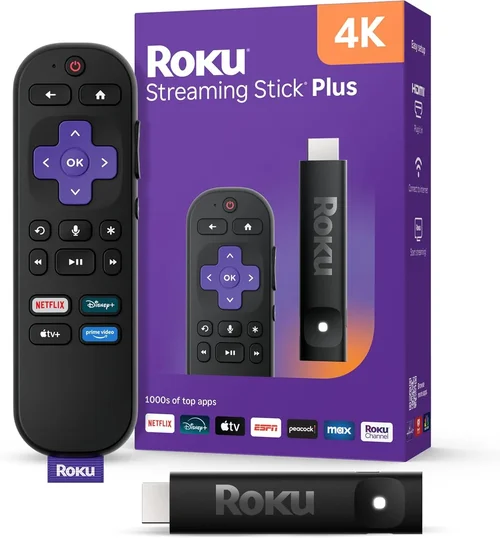
Just because it’s an outdoor TV doesn’t mean it should lack modern conveniences. Many patio TVs now come with built-in smart platforms like Android TV, Roku, or webOS, allowing you to stream content directly without an external box. This is especially useful if your patio is far from your indoor entertainment center.
Look for Wi-Fi 6 or dual-band connectivity for stable streaming, even at a distance from your router. Bluetooth support lets you connect wireless speakers or headphones for private listening. HDMI ports should be sealed or covered to prevent moisture damage. Some models include weatherproof cable glands or pass-through ports for easy connection of devices like soundbars, streaming sticks, or gaming consoles.
Voice control via Alexa or Google Assistant is a nice bonus, but ensure the microphone and speakers are protected from the elements. If you plan to use the TV for outdoor movie nights or sports viewing, consider models with low-latency modes for gaming or live broadcasts.
6. Size and Viewing Distance
Choosing the right screen size depends on your patio layout and seating arrangement. A common rule of thumb is to sit at a distance of 1.5 to 2.5 times the screen’s diagonal measurement. For example, a 55-inch TV is ideal for viewing from 6.5 to 11 feet away. On a large deck or open patio, you might opt for a 65-inch or 75-inch model for better immersion.
However, size isn’t everything. In bright, humid environments, a smaller, brighter screen may outperform a larger, dimmer one. Also, consider the physical dimensions and weight. Larger TVs require sturdier mounts and more space. If your patio is partially enclosed, ensure there’s enough clearance for ventilation and access to ports.
Portability is another factor. Some outdoor TVs are designed to be moved between indoor and outdoor use, featuring lightweight frames and carrying handles. Others are permanently installed. Decide whether you need flexibility or a fixed setup.
7. Brand Reputation and Specialization
Not all TV manufacturers are experienced in outdoor technology. While major brands like Samsung and LG offer some outdoor-compatible models, companies like SunBriteTV, Seura, and Peerless have built their reputations specifically on outdoor displays. These brands invest heavily in R&D for weatherproofing, brightness, and durability.
Research customer reviews and expert ratings. Look for feedback from users in similar climates—especially those in Florida, Louisiana, or the Carolinas. A brand with a strong track record in humid regions is more likely to deliver reliable performance. Also, check if the company offers outdoor-specific support, such as installation guides, weatherproof accessories, or regional service centers.
8. Warranty and Customer Support
Outdoor TVs are a significant investment, often costing two to three times more than indoor equivalents. A robust warranty is essential. Look for at least a 2-year limited warranty, with coverage for both parts and labor. Some premium brands offer 3- to 5-year warranties, especially if registered within a certain timeframe.
Pay attention to what the warranty covers. Does it include damage from moisture, corrosion, or power surges? Is accidental damage or wear from environmental exposure included? Also, verify the availability of local service. If your TV fails in a remote area, you don’t want to wait weeks for a technician.
Customer support should be accessible via phone, email, or live chat. Check response times and whether support staff are knowledgeable about outdoor installations. Some brands offer remote diagnostics or on-site repair services for an additional fee.
Different Types of Buying Guide

Common Buying Mistakes to Avoid

❌ Mistake: Buying a Standard Indoor TV for Outdoor Use
Why it’s bad: Indoor TVs lack the necessary protection against moisture, dust, and temperature extremes. Even if placed under a cover, humidity can seep into vents and ports, leading to internal corrosion, screen fogging, or electrical shorts. The result? A dead TV within months—and a costly replacement.
What to do instead: Always choose a TV specifically designed for outdoor use. Look for models with IP ratings, sealed enclosures, and weatherproof certifications. If budget is tight, consider a partial-exposure model for covered areas.
❌ Mistake: Ignoring the IP Rating
Why it’s bad: Without a proper IP rating, you have no way of knowing how well the TV will resist water and dust. Claims like “weather-resistant” or “outdoor-ready” are not standardized and can be misleading. A TV without an IP55 or higher rating is risky in humid climates.
What to do instead: Prioritize models with verified IP ratings. Check manufacturer specifications and third-party reviews. If the IP rating isn’t listed, contact customer support for clarification.
❌ Mistake: Overlooking Brightness Requirements
Why it’s bad: A dim screen will be unusable in daylight, especially on a sunny patio. Many buyers assume their indoor TV’s brightness is sufficient, only to find the picture washed out and hard to see.
What to do instead: Aim for at least 700 nits, but 1,000+ nits is ideal for full sun. Test the TV in similar lighting conditions if possible, or rely on expert reviews that measure real-world brightness.
❌ Mistake: Skimping on Mounting Hardware
Why it’s bad: Standard indoor mounts aren’t built for outdoor conditions. They can rust, loosen, or fail under wind load, potentially causing the TV to fall and injure someone.
What to do instead: Invest in a weatherproof mounting system made from stainless steel or powder-coated aluminum. Ensure it’s rated for the TV’s weight and your local wind conditions.
❌ Mistake: Not Planning for Cable Management
Why it’s bad: Exposed cables are vulnerable to moisture, UV damage, and pests. Water can travel along cables into the TV or connected devices, causing short circuits.
What to do instead: Use weatherproof conduit, cable glands, or raceways to protect wires. Route cables through walls or under decking when possible. Choose TVs with rear cable channels or pass-through ports.
❌ Mistake: Forgetting About Power Protection
Why it’s bad: Outdoor areas are prone to power surges from lightning or grid fluctuations. Without protection, a single surge can fry the TV’s internal components.
What to do instead: Install a whole-house surge protector and use a high-quality outdoor-rated power strip with surge protection. Consider a UPS (uninterruptible power supply) for added reliability.
❌ Mistake: Neglecting Regular Maintenance
Why it’s bad: Even the best outdoor TVs require upkeep. Dust, pollen, and salt buildup can clog vents, reduce brightness, and accelerate wear.
What to do instead: Clean the screen and enclosure monthly with a soft, damp cloth. Check seals and gaskets annually. Remove debris from vents and ensure proper airflow.
Budget Guidelines: How Much Should You Spend?
Entry-Level ($800 – $1,500): These are typically partial-exposure models designed for covered patios or screened porches. They offer decent brightness (500–700 nits), basic smart features, and IP54 or IP55 ratings. Ideal for casual viewing in shaded areas. Examples include the Seura Shadow Series and some SunBriteTV Veranda models.
Mid-Range ($1,500 – $3,000): This is the sweet spot for most buyers. These TVs deliver 1,000+ nits of brightness, full smart platforms, and robust weatherproofing (IP65). They’re suitable for partially exposed areas and offer excellent value. Look for models like the SunBriteTV Pro 2 Series or Peerless Outdoor TVs.
Premium ($3,000 – $5,000): Designed for full outdoor exposure, these models feature extreme brightness (up to 2,500 nits), advanced anti-glare technology, and military-grade durability. They include features like thermal management, humidity control, and extended warranties. Perfect for open decks, poolside areas, or coastal homes.
Luxury ($5,000+): These are commercial-grade or custom-built displays with 24/7 operation capability, ultra-high brightness, and modular designs. Often used in resorts, stadiums, or high-end residential projects. Expect top-tier materials, professional installation, and comprehensive support.
Expert Tips for Getting the Best Deal
1. Buy During Off-Season: Outdoor TVs are in highest demand during spring and summer. Shop in late fall or winter for discounts of 15–30%. Retailers often clear inventory to make room for new models.
2. Compare Retailers: Prices can vary significantly between online stores, big-box retailers, and specialty outdoor tech dealers. Check Amazon, Best Buy, and manufacturer websites. Some brands offer direct-to-consumer pricing with free shipping.
3. Look for Bundled Deals: Some retailers include mounting hardware, surge protectors, or extended warranties at no extra cost. These can save you $200–$500.
4. Consider Refurbished Models: Certified refurbished outdoor TVs from reputable sellers often come with full warranties and can cost 20–40% less than new units.
5. Read the Fine Print on Warranties: Ensure the warranty covers outdoor use and environmental damage. Some exclude “acts of nature” or require professional installation.
6. Test Before Committing: If possible, visit a showroom or request a demo. Check brightness, color accuracy, and ease of use in daylight conditions.
7. Plan for Installation Costs: Professional installation can add $200–$800, depending on complexity. Factor this into your budget, especially if running cables through walls or mounting on uneven surfaces.
8. Join Owner Forums: Communities like AVS Forum or Reddit’s r/outdoortv offer real-world insights, deal alerts, and troubleshooting tips from experienced users.

Frequently Asked Questions
Q: Can I use a regular TV on my covered patio?
A: Technically, yes—but it’s not recommended. Even under cover, humidity, temperature swings, and occasional rain exposure can damage an indoor TV. For long-term reliability, invest in a purpose-built outdoor model.
Q: How do I protect my outdoor TV from rain?
A: Always install it under a roof, awning, or pergola with adequate overhang. Use a weatherproof cover when not in use, and ensure all cables are sealed. Choose a TV with an IP65 or higher rating for added protection.
Q: Will an outdoor TV work in direct sunlight?
A: Only if it’s a fully enclosed model with high brightness (1,000+ nits) and anti-glare coating. Partial-exposure TVs may struggle in full sun. For best results, position the TV to avoid direct glare.
Q: Do outdoor TVs need special power outlets?
A: They use standard 120V outlets, but it’s wise to install a GFCI (ground fault circuit interrupter) outlet for safety. Use a surge protector to guard against power spikes.
Q: How long do outdoor TVs last?
A: With proper care, most last 5–8 years. High-end models with robust build quality can exceed 10 years. Regular maintenance and avoiding extreme exposure will extend lifespan.
Q: Can I mount an outdoor TV on a brick or concrete wall?
A: Yes, but use appropriate anchors and a mounting system rated for masonry. Ensure the wall can support the TV’s weight and that cables can be safely routed.
Q: Are outdoor TVs energy efficient?
A: Many modern models are ENERGY STAR certified and use LED backlighting for lower power consumption. Brightness settings can be adjusted to save energy when full output isn’t needed.
Q: What’s the difference between a patio TV and a commercial outdoor display?
A: Commercial displays are built for 24/7 operation, extreme environments, and large venues. They’re more expensive, heavier, and often require professional installation. Patio TVs are designed for residential use with occasional viewing.
Q: Can I use streaming devices like Roku or Apple TV with an outdoor TV?
A: Yes, as long as the device is protected from moisture. Use a weatherproof enclosure or choose a TV with built-in smart features to avoid external devices.
Q: Do outdoor TVs come with remotes that work in sunlight?
A: Most use standard IR remotes, which can be hard to use in bright light. Some models include RF remotes or smartphone apps for better usability outdoors.
Our Final Recommendations
Best for Budget-Conscious Buyers: Seura Shadow 55-inch – A reliable partial-exposure TV with 700 nits brightness, IP55 rating, and built-in Roku. Perfect for covered patios in humid climates.
Best Overall Value: SunBriteTV Veranda 65-inch – Offers 1,000 nits, IP65 protection, and excellent color accuracy. Great balance of performance and price for most homeowners.
Best Premium Option: SunBriteTV Pro 2 Series 75-inch – Designed for full exposure, with 2,500 nits brightness, thermal management, and military-grade durability. Ideal for open decks and coastal areas.
Best for Beginners: Peerless Outdoor TV 55-inch – Easy setup, user-friendly interface, and solid weatherproofing. Comes with a comprehensive installation guide.
Best for Advanced Users: Samsung The Terrace 65-inch – Combines Samsung’s QLED technology with outdoor optimization, including anti-reflective coating and smart features. Best for tech-savvy users who want indoor-quality visuals outside.
Conclusion: Making the Right Choice
Choosing the right patio TV for a humid area is about more than just picture quality—it’s about durability, reliability, and long-term value. Humidity, temperature swings, and exposure to the elements demand a television built specifically for outdoor life. By focusing on key factors like IP rating, brightness, build quality, and smart features, you can find a model that delivers stunning visuals while standing up to the challenges of your environment.
Avoid common pitfalls like using indoor TVs or ignoring weatherproof ratings. Invest in quality mounting hardware, plan for cable management, and don’t forget about power protection. Whether you’re on a tight budget or ready to splurge, there’s an outdoor TV that fits your needs and enhances your outdoor living experience.
Take the time to assess your patio setup, consider your viewing habits, and prioritize the features that matter most. With the right TV, your outdoor space becomes a true entertainment destination—rain or shine, summer or winter. Start your search with confidence, and enjoy years of movies, sports, and relaxation under the open sky.

