
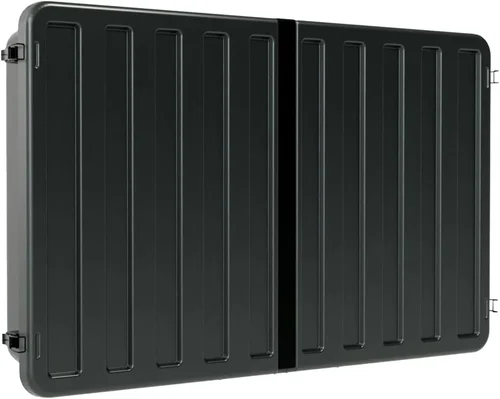
Outdoor living has evolved far beyond simple patios with a grill and a few folding chairs. Today’s homeowners are transforming their backyards into fully functional outdoor entertainment zones—complete with weather-resistant furniture, ambient lighting, sound systems, and yes, even high-definition televisions. But when it comes to choosing a TV for hot climates, most buyers quickly realize that standard indoor models simply won’t cut it. The intense sun, high temperatures, humidity, dust, and even occasional rain demand specialized engineering. That’s why this expert buying guide exists: to help you navigate the unique challenges of outdoor TV ownership in scorching environments and make a smart, long-term investment.
In this comprehensive 2026 guide, you’ll learn everything you need to know about selecting the right patio TV for hot climates. We’ll break down the critical factors—from heat tolerance and brightness to build quality and smart features—so you can confidently choose a model that performs reliably year after year. Whether you’re setting up a covered pergola in Phoenix, an open-air lounge in Miami, or a desert backyard in Dubai, we’ve got you covered. You’ll also discover common pitfalls to avoid, budget-friendly options that don’t compromise on durability, and expert tips to get the best value. By the end, you’ll have a clear roadmap tailored to your climate, space, and viewing habits.
The outdoor TV market has matured significantly in recent years. Once dominated by bulky, overpriced “all-weather” displays with limited functionality, today’s options include sleek, energy-efficient models from reputable brands like Samsung, LG, Sony, and specialized outdoor manufacturers such as SunBriteTV and Seura. These TVs are engineered not just to survive but to thrive under extreme conditions. With advancements in OLED and QLED technology, anti-glare coatings, passive cooling systems, and IP-rated enclosures, modern patio TVs deliver stunning picture quality even in direct sunlight. However, not all outdoor TVs are created equal—especially when it comes to heat resilience. This guide will help you separate marketing hype from real-world performance.

What to Look for When Buying a Patio TV for Hot Climates
1. Heat Resistance and Thermal Management
Heat is the number one enemy of electronics, and televisions are no exception. In hot climates—where ambient temperatures regularly exceed 95°F (35°C) and can soar past 110°F (43°C)—standard TVs can overheat, throttle performance, or shut down entirely. Look for patio TVs specifically rated for high-temperature operation. Most reputable outdoor models are designed to function safely up to 110°F–120°F (43°C–49°C). Beyond temperature ratings, examine the thermal management system. Passive cooling (no fans) is ideal for outdoor use because it eliminates moving parts that can fail or suck in dust and moisture. Active cooling with sealed, filtered fans is acceptable if properly engineered, but avoid models that rely solely on convection without adequate ventilation.
2. Brightness and Anti-Glare Technology
In sunny outdoor settings, screen visibility is paramount. Indoor TVs typically peak at 300–500 nits of brightness—fine for a dim living room but nearly invisible under direct sunlight. For patios, you need a minimum of 700 nits, but ideally 1,000 nits or more. Many premium outdoor TVs now offer 1,500–2,000 nits, ensuring crisp, vibrant images even at noon. Equally important is anti-reflective coating. Look for matte finishes and optically bonded screens that minimize glare from the sun or surrounding surfaces. Some models also feature automatic brightness sensors that adjust output based on ambient light, conserving energy during cloudy days while ramping up in full sun.
3. Weatherproofing and IP Rating
Even under a covered patio, your TV will face humidity, dust, pollen, and occasional splashes. A proper IP (Ingress Protection) rating is non-negotiable. For outdoor use, aim for at least IP55 (protected against dust and water jets) or higher. IP65 is ideal—it means the TV is dust-tight and resistant to low-pressure water sprays from any direction. Pay attention to port covers: HDMI, USB, and power inputs should be sealed with rubber gaskets or flip-up lids. Also, ensure the mounting hardware is stainless steel or powder-coated to resist corrosion. Avoid “weather-resistant” claims without an official IP rating—they’re often misleading.
4. Display Technology: OLED vs. QLED vs. LED
The choice of panel technology significantly impacts performance in hot climates. OLED offers perfect blacks and wide viewing angles but can suffer from image retention and reduced lifespan under constant high brightness—a concern for always-on outdoor displays. QLED (Quantum Dot LED) provides excellent color volume, high brightness, and better heat tolerance, making it a strong choice for sunny patios. Standard LED/LCD panels are the most affordable and durable, especially when paired with full-array local dimming (FALD) for improved contrast. For most hot-climate applications, QLED or high-brightness LED with FALD strikes the best balance between picture quality, longevity, and cost.
5. Build Quality and Materials
Outdoor TVs must withstand more than just heat—they’re exposed to UV rays, temperature swings, and physical wear. The chassis should be made of powder-coated aluminum or marine-grade stainless steel, not plastic. Look for reinforced corners, sealed seams, and minimal gaps where moisture could seep in. The screen itself should be tempered glass with an anti-scratch coating. Internally, components like capacitors and power supplies should be rated for extended高温operation. Cheaper models often cut corners here, leading to premature failure. Investing in a well-built unit pays off in reliability and longevity.
6. Smart Features and Connectivity
Just because it’s outdoors doesn’t mean you should sacrifice smart functionality. Modern patio TVs come with built-in Wi-Fi, Bluetooth, and popular platforms like Android TV, webOS, or Tizen. This allows streaming from Netflix, YouTube, or your favorite sports apps without needing an external box. Ensure the TV supports dual-band Wi-Fi (2.4GHz and 5GHz) for stable connectivity, especially if your router is indoors. HDMI 2.1 ports are a plus for future-proofing, and USB ports let you play media directly from drives. Voice control via Alexa or Google Assistant adds convenience, though microphone quality can vary—test responsiveness if possible.
7. Size and Viewing Distance
Choosing the right screen size depends on your seating arrangement and ambient light. For patios, larger is generally better—55 inches is the practical minimum, with 65–75 inches ideal for most outdoor setups. Use the 1.5x rule: multiply your viewing distance (in inches) by 1.5 to get the recommended screen size. So, if you’re sitting 8 feet (96 inches) away, a 65-inch TV (96 ÷ 1.5 ≈ 64) is perfect. However, in very bright conditions, a larger screen helps maintain perceived brightness. Avoid going too big if your space is small or shaded—oversized screens can feel overwhelming and waste energy.
8. Warranty and Customer Support
Outdoor TVs are a significant investment, so robust warranty coverage is essential. Look for at least a 2-year comprehensive warranty that includes both parts and labor. Some premium brands offer 3–5 years, which reflects confidence in their build quality. Check what’s covered: does it include accidental damage? What about corrosion or seal failure? Also, verify the availability of local service centers or mail-in repair options. Poor support can turn a minor issue into a months-long ordeal. Read user forums and reviews to see how responsive the brand is to warranty claims.
Different Types of Patio TVs for Hot Climates
Common Buying Mistakes to Avoid
❌ Mistake: Buying an Indoor TV for Outdoor Use
Why it’s bad: Indoor TVs lack weatherproofing, have low brightness, and aren’t built to handle temperature extremes. In hot climates, they’ll overheat, fade, or fail within months—voiding any warranty.
What to do instead: Invest in a purpose-built outdoor TV or use a certified weatherproof enclosure. The extra cost upfront saves you from replacement headaches and safety risks.
❌ Mistake: Ignoring the IP Rating
Why it’s bad: Without a proper IP rating, moisture and dust can infiltrate the TV, causing short circuits, corrosion, and permanent damage—even under cover.
What to do instead: Always verify the IP rating (aim for IP55 or higher) and inspect port seals and vent designs before purchasing.
❌ Mistake: Overlooking Brightness Requirements
Why it’s bad: A dim screen turns your patio into a guessing game. You’ll strain to see the ball during a game or miss details in a movie.
What to do instead: Choose a TV with at least 1,000 nits of brightness and anti-glare coating. Test reviews under sunlight if possible.
❌ Mistake: Choosing the Wrong Size
Why it’s bad: A too-small TV forces you to squint; a too-large one overwhelms the space and wastes energy. Both ruin the viewing experience.
What to do instead: Measure your seating distance and apply the 1.5x rule. Consider ambient light—brighter areas benefit from larger screens.
❌ Mistake: Skimping on Mounting Hardware
Why it’s bad: Standard indoor mounts aren’t rated for outdoor conditions. Rust, warping, or failure can drop your expensive TV.
What to do instead: Use marine-grade stainless steel or powder-coated outdoor mounts. Ensure they’re compatible with your TV’s VESA pattern and weight.
❌ Mistake: Neglecting Ventilation Space
Why it’s bad: Even fanless TVs need airflow. Mounting too close to walls or enclosures traps heat, reducing lifespan and performance.
What to do instead: Leave at least 4–6 inches of clearance around the TV for air circulation. Avoid enclosed cabinets unless specifically designed for outdoor TVs.
❌ Mistake: Forgetting About Power and Connectivity
Why it’s bad: Running extension cords across your patio is unsafe and unsightly. Weak Wi-Fi leads to buffering during crucial moments.
What to do instead: Plan for a dedicated outdoor-rated power outlet and consider a Wi-Fi extender or mesh network to boost signal strength.
Budget Guidelines: How Much Should You Spend?
- Entry-Level ($500–$1,200): This range includes portable TVs or indoor models in basic weatherproof enclosures. Picture quality is decent in shade but struggles in direct sun. Build quality is minimal—expect shorter lifespans in extreme heat. Best for occasional use or temporary setups.
- Mid-Range ($1,200–$2,500): The sweet spot for most homeowners. These are partial-shade outdoor TVs from brands like Samsung or LG with 1,000+ nits brightness, smart features, and solid weather resistance. They offer excellent value, balancing performance, durability, and price.
- Premium ($2,500–$4,500): For enthusiasts and those in harsh climates. All-weather models from SunBriteTV or Seura dominate here, with IP65 ratings, fanless cooling, and commercial-grade components. Ideal for fully exposed patios or high-end outdoor kitchens.
- Luxury ($4,500+): Top-tier commercial displays or custom-integrated systems. These support 24/7 operation, remote monitoring, and ultra-high brightness (2,000+ nits). Suited for resorts, luxury homes, or professional installations where reliability is non-negotiable.

Expert Tips for Getting the Best Deal
- Buy During Off-Season: Patio TVs see peak demand in spring and summer. Shop in late fall or winter (October–February) for discounts of 15–30% as retailers clear inventory.
- Compare Retailers: Big-box stores (Best Buy, Costco) often have competitive pricing, but specialty outdoor retailers (like Outdoor TV Direct or Crutchfield) offer better expertise, bundled mounts, and extended warranties.
- Look for Bundles: Many brands sell TV + mount + cable kits together at a discount. These ensure compatibility and save you time sourcing parts.
- Check Return Policies: Outdoor TVs are hard to test before buying. Choose retailers with at least a 30-day return window and free return shipping.
- Read Real User Reviews: Skip the glossy ads—head to forums like AVS Forum or Reddit’s r/outdoortv. Look for long-term owners in similar climates sharing real-world performance.
- Consider Refurbished Models: Certified refurbished units from the manufacturer often come with full warranties and cost 20–40% less. Just verify the IP rating and brightness specs.
- Negotiate Installation: Some retailers offer free or discounted professional installation with purchase—especially for premium models. It’s worth asking!
- Future-Proof with HDMI 2.1: If you plan to connect gaming consoles or 8K sources later, ensure your TV supports HDMI 2.1 for higher bandwidth and features like VRR.

Frequently Asked Questions
Q: Can I use a regular TV outdoors if it’s under a roof?
A: Technically yes, but it’s risky. Even under cover, humidity, temperature swings, and dust can damage internal components. Plus, indoor TVs lack the brightness needed for sunny patios. For reliable, long-term use, an outdoor-rated model is strongly recommended.
Q: Do outdoor TVs consume more power?
A: Not necessarily. While they run brighter, many use energy-efficient LED backlights and smart power management. Look for ENERGY STAR certification—some outdoor models are surprisingly efficient, especially when brightness auto-adjusts.
Q: How do I clean my outdoor TV screen?
A: Use a microfiber cloth and distilled water only. Avoid ammonia-based cleaners (like Windex)—they can degrade anti-reflective coatings. For stubborn spots, lightly dampen the cloth; never spray liquid directly on the screen.
Q: Will my outdoor TV work in winter?
A: Most outdoor TVs are rated for cold climates too (down to -22°F or -30°C). Check the operating temperature range. If you live in an area with freezing winters, ensure the model you choose supports it.
Q: Can I mount my outdoor TV on a brick wall?
A: Yes, but use appropriate anchors like Tapcon screws or sleeve anchors. Ensure the mount is rated for the TV’s weight and that the wall can support the load. For stucco or plaster, consult a professional.
Q: Do I need a special antenna for outdoor TV?
A: If you’re using over-the-air broadcasts, a high-gain outdoor antenna mounted away from the TV reduces interference. For streaming, a strong Wi-Fi signal is key—consider a weatherproof extender.
Q: Are outdoor TVs safe during thunderstorms?
A: While the TV itself is weatherproof, lightning poses a risk to electronics. Unplug the TV and antenna during severe storms. Surge protectors help but aren’t foolproof against direct strikes.
Q: How long do outdoor TVs last?
A: With proper care, a quality outdoor TV can last 7–10 years or more. Cheaper models or those in extreme climates may last 3–5 years. Regular cleaning and avoiding constant max brightness extends lifespan.
Q: Can I control my outdoor TV with my phone?
A: Yes! Most smart outdoor TVs support companion apps for remote control, casting, and settings adjustment. Ensure your phone and TV are on the same network.
Q: What’s the difference between “weather-resistant” and “weatherproof”?
A: “Weather-resistant” is a marketing term with no standard definition—it often means minimal protection. “Weatherproof” usually implies an official IP rating and engineered sealing. Always prioritize IP-rated models.
Our Final Recommendations
- Best for Budget-Conscious Buyers: Samsung The Terrace (Partial Shade) – At around $1,800 for a 65-inch model, it delivers 1,500 nits brightness, Tizen OS, and solid build quality. Perfect for covered patios in hot climates.
- Best Overall Value: SunBriteTV Veranda Series – Priced from $2,200, these all-weather TVs offer IP55 rating, fanless cooling, and excellent brightness. Ideal for semi-exposed areas with intense sun.
- Best Premium Option: Seura Outdoor 4K Ultra Bright – With 2,000 nits, IP65 rating, and sleek design, this is the top choice for luxury patios. Expect to pay $3,500+ but gain unmatched durability and clarity.
- Best for Beginners: LG OLED Flex (with outdoor enclosure) – While not natively outdoor, pairing this flexible OLED with a certified weatherproof case (like from Outdoor TV Direct) offers stunning picture quality for shaded setups at a lower entry point.
- Best for Advanced Users: Peerless-AV Xtreme Outdoor Display – A commercial-grade beast with 24/7 operation, remote monitoring, and extreme temperature tolerance. Built for pros who demand zero downtime.
Conclusion: Making the Right Choice
Choosing the right patio TV for a hot climate isn’t just about picking the shiniest screen—it’s about understanding how heat, light, and weather interact with electronics. From thermal management and brightness to IP ratings and smart features, every detail matters when your TV lives under the sun. By prioritizing durability, visibility, and proper installation, you’ll create an outdoor entertainment space that’s as reliable as it is enjoyable.
Remember: the cheapest option today often becomes the most expensive tomorrow due to repairs or replacements. Invest wisely in a model that matches your climate, usage, and long-term goals. Use this guide as your checklist, compare your top contenders, and don’t hesitate to consult professionals for installation. Your perfect backyard movie night, game day, or sunset cocktail session is just a well-chosen TV away.
Now go enjoy the great outdoors—with crystal-clear picture quality, rain or shine.

