
Outdoor living spaces have evolved far beyond simple seating areas and potted plants. Today’s balconies, patios, and decks are fully functional extensions of the home—complete with outdoor kitchens, fire pits, sound systems, and yes, even televisions. Whether you’re hosting a summer barbecue, enjoying a quiet evening under the stars, or catching the big game with friends, an outdoor TV can transform your outdoor space into a true entertainment hub. But unlike indoor TVs, outdoor models face unique challenges: direct sunlight, temperature swings, humidity, rain, dust, and even pests. That’s why choosing the right outdoor TV isn’t just about screen size or resolution—it’s about durability, visibility, and long-term performance in harsh conditions.
This comprehensive buying guide is designed to help you navigate the often-confusing world of outdoor televisions with confidence. Whether you’re a first-time buyer or upgrading from an older model, we’ll walk you through every critical decision point—from understanding key performance specs to avoiding common pitfalls. You’ll learn how to match your TV to your specific environment (balcony vs. covered patio vs. open deck), how to interpret IP ratings and brightness levels, and how to balance budget with features that truly matter. By the end of this guide, you’ll have the knowledge and tools to select an outdoor TV that delivers stunning picture quality, withstands the elements, and enhances your outdoor lifestyle for years to come.
The market for outdoor TVs has grown significantly in recent years, driven by increased demand for outdoor entertainment and advancements in display technology. Major brands like Samsung, LG, Sony, and specialized outdoor manufacturers such as SunBriteTV, Seura, and Peerless have entered the space, offering a range of options from weather-resistant indoor TVs mounted in protective enclosures to fully sealed, purpose-built outdoor displays. Prices vary widely—from under $500 for basic weatherproof solutions to over $5,000 for premium 4K HDR models with anti-glare coatings and built-in heating/cooling systems. With so many choices, it’s easy to feel overwhelmed. But don’t worry: this guide cuts through the noise and gives you expert-level insight to make the smartest purchase for your needs.
What to Look for When Buying an Outdoor TV
1. Weather Resistance & IP Rating
Weather resistance is the single most important factor when choosing an outdoor TV. Unlike indoor models, outdoor TVs must withstand rain, snow, dust, humidity, and temperature extremes. Look for models with a high Ingress Protection (IP) rating—specifically IP55, IP65, or higher. The first digit indicates protection against solid objects (like dust), while the second digit refers to liquid ingress (like rain or splashes). An IP65 rating means the TV is dust-tight and protected against low-pressure water jets from any direction, making it ideal for most outdoor environments.
Some premium models go further with sealed cooling systems, corrosion-resistant materials, and internal heaters to prevent condensation in cold climates. If your balcony or patio is partially covered but still exposed to wind-driven rain, aim for at least IP55. For fully exposed areas, IP65 or higher is essential. Avoid using standard indoor TVs outdoors—even if they’re in a weatherproof enclosure—unless the enclosure itself is rated for outdoor use and properly ventilated to prevent overheating.
2. Screen Brightness & Anti-Glare Technology
Sunlight is the enemy of screen visibility. Even on a cloudy day, ambient light can wash out an indoor TV’s display. That’s why outdoor TVs require significantly higher brightness—measured in nits—than their indoor counterparts. For shaded patios or balconies with indirect light, look for a minimum of 700 nits. For areas with direct sunlight, you’ll need 1,000 nits or more. Premium outdoor models often reach 2,000+ nits, ensuring crisp, vibrant images even at noon.
Equally important is anti-glare coating. Many outdoor TVs feature optically bonded glass or matte finishes that reduce reflections and improve contrast in bright conditions. Some also include ambient light sensors that automatically adjust brightness based on lighting conditions. Avoid glossy screens unless they’re specifically designed for outdoor use—they’ll reflect sunlight like a mirror and ruin your viewing experience.
3. Display Technology & Resolution
While most outdoor TVs now offer 4K UHD resolution, the underlying display technology matters. OLED screens deliver superior contrast and color accuracy but are less common in outdoor models due to higher cost and sensitivity to extreme temperatures. LED-LCD panels are more prevalent and offer excellent brightness and durability. Look for models with local dimming or full-array backlighting for better black levels and HDR performance.
High Dynamic Range (HDR) support—such as HDR10, Dolby Vision, or HLG—is increasingly available on outdoor TVs and enhances color depth and contrast. However, HDR benefits are most noticeable in shaded or covered areas. In direct sunlight, even the best HDR may struggle to overcome glare. For most buyers, 4K resolution with strong brightness and anti-reflective coating will provide the best real-world performance.
4. Size & Viewing Distance
Choosing the right screen size depends on your available space and typical viewing distance. For a small balcony (under 10 feet deep), a 43- to 50-inch TV is usually sufficient. For larger patios or decks where viewers sit 12–15 feet away, consider 55 to 65 inches. Avoid going too large—oversized screens can overwhelm small spaces and may not fit your mounting setup.
Use the 1.5x rule as a guideline: multiply your viewing distance (in inches) by 1.5 to estimate the ideal screen diagonal. For example, at 10 feet (120 inches), a 60- to 70-inch TV is appropriate. Also consider mounting height: the center of the screen should be at or slightly below eye level when seated. Many outdoor TVs come with tilt or swivel wall mounts to optimize viewing angles.
5. Audio Quality & External Sound Options
Outdoor TVs often have limited built-in speakers due to space and weatherproofing constraints. Sound quality can be tinny or weak, especially in open areas where wind and ambient noise drown out dialogue. While some models include decent 10–20W speakers, most buyers will benefit from external audio solutions.
Look for TVs with optical audio output, HDMI ARC, or Bluetooth connectivity to pair with weather-resistant outdoor speakers or soundbars. Wireless options like Bluetooth speakers are convenient but may introduce latency during live sports. For a seamless experience, consider wired outdoor speaker systems with amplifiers designed for outdoor use. Some premium outdoor TVs even include built-in subwoofers or audio enhancement technologies like Dolby Audio.
6. Connectivity & Smart Features
Modern outdoor TVs come with a range of connectivity options. Ensure your model has enough HDMI ports (at least 3–4) for devices like streaming sticks, gaming consoles, cable boxes, or Blu-ray players. USB ports are useful for media playback or firmware updates. Wi-Fi and Ethernet are essential for smart functionality.
Smart TV platforms vary by brand. Samsung uses Tizen, LG uses webOS, and Sony uses Google TV. These platforms offer access to Netflix, YouTube, Disney+, and other streaming services. However, outdoor use may limit app performance due to signal interference or slower Wi-Fi in open areas. Consider using a Wi-Fi extender or mesh network to boost coverage. Also, check if the TV supports voice assistants like Alexa or Google Assistant for hands-free control.
7. Build Quality & Materials
Outdoor TVs must endure more than just weather—they’re also exposed to UV rays, salt air (near oceans), and physical impacts. Look for rugged, powder-coated aluminum or stainless-steel chassis that resist rust and fading. Avoid plastic housings, which can become brittle over time.
Internal components should be sealed and protected from moisture. Some manufacturers use conformal coating on circuit boards to prevent corrosion. Check for reinforced corners, tamper-resistant screws, and secure cable entry points. If you live in a high-wind area, ensure the TV and mount are rated for wind loads. Many outdoor TVs include VESA-compatible mounting patterns for compatibility with standard wall or ceiling brackets.
8. Warranty & Customer Support
Outdoor TVs are a significant investment, so a strong warranty is crucial. Most reputable brands offer 2–3 years of coverage, with some extending to 5 years for commercial or premium models. Read the fine print: some warranties exclude damage from improper installation, power surges, or environmental factors beyond normal use.
Customer support matters too. Choose brands with responsive service teams, accessible repair centers, and clear troubleshooting guides. SunBriteTV and Seura, for example, specialize in outdoor displays and offer dedicated support. Avoid no-name brands with limited service networks—you don’t want to be stuck with a broken TV and no way to fix it.
Different Types of Outdoor TVs

Common Buying Mistakes to Avoid
❌ Mistake: Using a Standard Indoor TV Outdoors
Why it’s bad: Indoor TVs are not designed to handle moisture, temperature changes, or UV exposure. Even in a covered area, humidity and condensation can damage internal components, leading to early failure. Most indoor TVs also lack the brightness needed for outdoor visibility.
What to do instead: Invest in a purpose-built outdoor TV or use a certified weatherproof enclosure designed for outdoor use. These enclosures include ventilation, heating, and cooling systems to protect the TV while maintaining performance.
❌ Mistake: Ignoring IP Ratings
Why it’s bad: Without a proper IP rating, you have no guarantee the TV can withstand rain, dust, or splashes. A TV labeled “weather-resistant” without an IP rating may only offer minimal protection and could fail in moderate weather.
What to do instead: Always check the IP rating. For balconies and patios, aim for IP55 or higher. Verify the rating applies to the entire unit, not just the screen.
❌ Mistake: Overlooking Brightness Requirements
Why it’s bad: A TV with low brightness (under 500 nits) will appear dim and washed out in daylight, making it unusable for most of the day. This is especially true on sunny patios or south-facing balconies.
What to do instead: Choose a model with at least 700 nits for shaded areas and 1,000+ nits for direct sun. Look for anti-glare coatings and consider the TV’s placement relative to the sun’s path.
❌ Mistake: Skimping on Audio
Why it’s bad: Poor sound ruins the viewing experience, especially during live sports or action movies. Built-in speakers on outdoor TVs are often weak and lack bass.
What to do instead: Plan for external audio from the start. Invest in weather-resistant speakers or a soundbar with outdoor compatibility. Use wired connections when possible to avoid Bluetooth lag.
❌ Mistake: Poor Mounting or Installation
Why it’s bad: Incorrect mounting can lead to instability, vibration, or even the TV falling. Outdoor mounts must withstand wind, weight, and corrosion. DIY installations without proper tools or knowledge increase risk.
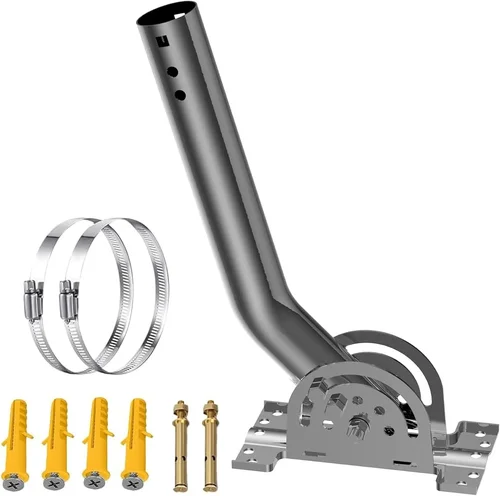
What to do instead: Use a VESA-compatible outdoor wall mount rated for your TV’s size and weight. Hire a professional installer if you’re unsure. Ensure cables are routed through waterproof conduits.
❌ Mistake: Not Considering Power and Connectivity
Why it’s bad: Running power and HDMI cables outdoors can be challenging. Exposed wires are unsafe and prone to damage. Without proper planning, you may end up with a tangled mess or limited device options.
What to do instead: Plan cable routes during installation. Use outdoor-rated extension cords, conduit, and surge protectors. Consider wireless HDMI transmitters for devices like streaming sticks.
❌ Mistake: Choosing Based on Price Alone
Why it’s bad: The cheapest option often lacks durability, brightness, or warranty support. You may end up replacing it within a year, costing more in the long run.
What to do instead: Balance budget with essential features. A mid-range outdoor TV with strong weather resistance and brightness often offers better value than a premium indoor model in a cheap enclosure.
Budget Guidelines: How Much Should You Spend?
Entry-Level ($400 – $800): At this price, you’ll typically find portable outdoor TVs or indoor models in basic weatherproof enclosures. These are suitable for covered balconies with minimal exposure. Expect lower brightness (500–700 nits), limited smart features, and shorter warranties. Ideal for occasional use or temporary setups.
Mid-Range ($800 – $2,000): This is the sweet spot for most homeowners. You’ll find purpose-built outdoor TVs with IP55 or IP65 ratings, 700–1,200 nits brightness, 4K resolution, and decent smart platforms. Models from brands like SunBriteTV (Veranda series) or Seura (Shadow Series) fall here. Great for shaded patios and covered decks.
Premium ($2,000 – $4,000): These TVs offer top-tier performance: 1,500+ nits brightness, anti-glare coatings, full weather sealing, and advanced cooling/heating systems. Ideal for fully exposed areas or high-end outdoor living spaces. Brands like SunBriteTV (Pro series) and Peerless offer excellent options with 3–5 year warranties.
Luxury ($4,000+): For commercial use or extreme environments, luxury outdoor TVs deliver 2,000+ nits, 24/7 operation capability, and military-grade durability. These are overkill for most residential buyers but ideal for hotels, stadiums, or luxury estates. Expect full-service installation and extended support.
Expert Tips for Getting the Best Deal
- Buy during off-seasons: Outdoor TVs often go on sale in late fall and winter when demand drops. Look for Black Friday, Cyber Monday, or post-holiday deals.
- Compare retailers: Check prices at Best Buy, Costco, Amazon, and specialty outdoor electronics stores. Some offer price matching or bundle deals with mounts and cables.
- Consider refurbished models: Certified refurbished outdoor TVs from reputable brands can save 20–30% and often come with the same warranty as new units.
- Check for rebates: Some manufacturers offer mail-in rebates or trade-in programs. SunBriteTV, for example, occasionally runs promotions for military or first responders.
- Read return policies: Ensure the retailer allows returns if the TV doesn’t perform as expected. Outdoor conditions vary, and what works in a showroom may not suit your space.
- Test before finalizing: If possible, view the TV in person under bright lighting. Some stores have outdoor display areas where you can assess brightness and glare.
- Invest in surge protection: Outdoor electronics are vulnerable to power surges from lightning or grid fluctuations. Use a high-quality outdoor surge protector.
- Plan for future upgrades: Choose a TV with modern ports (HDMI 2.1, USB-C) and smart features to ensure it stays relevant for years.

Frequently Asked Questions
Q: Can I use a regular TV on my balcony if it’s covered?
A: It’s not recommended. Even covered areas can experience high humidity, temperature swings, and condensation. A purpose-built outdoor TV or a certified weatherproof enclosure is safer and more reliable.
Q: How do I clean an outdoor TV screen?
A: Use a soft, lint-free microfiber cloth and a mild cleaner designed for electronics. Avoid ammonia-based cleaners or paper towels, which can scratch the anti-glare coating. Power off the TV before cleaning.
Q: Will an outdoor TV work in winter or cold climates?
A: Yes, but only if it’s designed for it. Look for models with built-in heaters or low-temperature operation ratings (down to -22°F or -30°C). Standard TVs may fail in freezing conditions.
Q: Do outdoor TVs consume more power?
A: They can, especially high-brightness models. However, many use energy-efficient LED backlighting. Check the Energy Star rating and look for eco modes to reduce consumption.
Q: Can I mount an outdoor TV on a ceiling or under a pergola?
A: Yes, with the right mount. Tilt and swivel ceiling mounts are available for angled installations. Ensure the mount is rated for outdoor use and can support the TV’s weight.
Q: Are outdoor TVs safe from theft?
A: They’re less portable than indoor TVs, but not theft-proof. Use security screws, lockable mounts, or consider removable models for high-risk areas.
Q: Do I need a special antenna for outdoor TV?
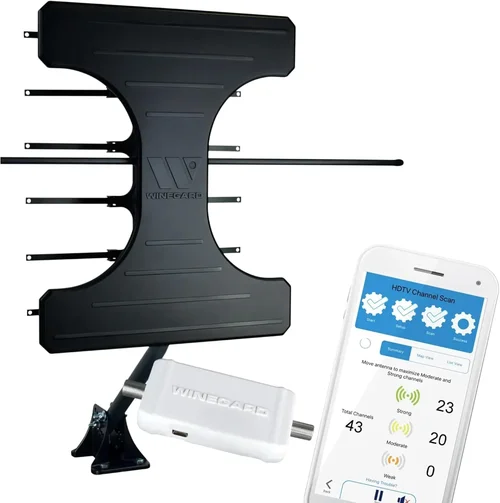
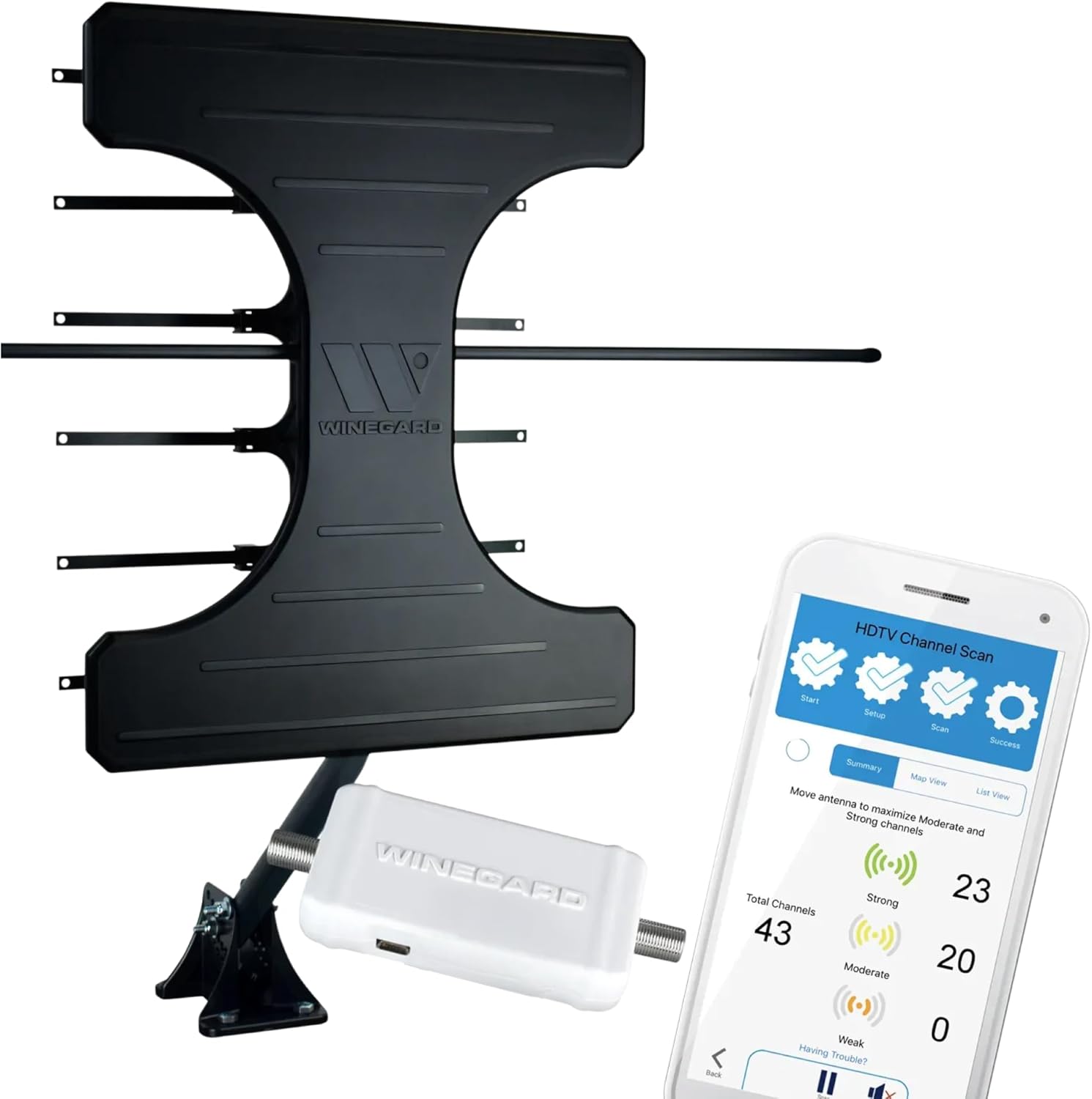
A: Not necessarily. Most outdoor TVs support standard over-the-air antennas. For better reception, use an outdoor-rated antenna mounted high on your balcony or roof.
Q: Can I use streaming devices like Roku or Apple TV with an outdoor TV?
A: Absolutely. Most outdoor TVs have HDMI ports for streaming sticks. Just ensure the device is protected from moisture if placed externally.
Q: How long do outdoor TVs last?
A: With proper care, 7–10 years is typical. Premium models with robust build quality may last even longer. Regular maintenance and avoiding extreme conditions can extend lifespan.
Q: What’s the difference between an outdoor TV and a digital signage display?
A: Digital signage displays are built for 24/7 operation, higher brightness, and commercial use. They’re more expensive and often lack smart TV features. Outdoor TVs are designed for residential entertainment with balanced performance and cost.
Our Final Recommendations
Best for Budget-Conscious Buyers: SunBriteTV Veranda Series 55-inch – At around $1,200, this model offers excellent value with IP55 rating, 700 nits brightness, 4K resolution, and a 3-year warranty. Perfect for covered patios and balconies.
Best Overall Value: Seura Shadow Series 65-inch – Priced around $2,000, it delivers 1,000 nits brightness, anti-glare coating, full weather sealing, and a sleek design. Ideal for partial sun areas with strong smart features.
Best Premium Option: SunBriteTV Pro Series 75-inch – At $3,500+, this is a top-tier choice for fully exposed decks. With 2,000 nits brightness, built-in heating/cooling, and military-grade durability, it’s built to last.
Best for Beginners: Peerless-AV Outdoor 50-inch Smart TV – A user-friendly option with easy setup, good brightness (800 nits), and reliable performance. Great for first-time outdoor TV buyers.
Best for Advanced Users: LG Outdoor 65-inch OLED (Custom Enclosure) – For those who want OLED quality outdoors, pairing an LG OLED with a high-end weatherproof enclosure (like from Seura) delivers stunning picture quality with professional-grade protection.
Conclusion: Making the Right Choice
Choosing the right outdoor TV for your balcony or patio is about more than just screen size or brand name—it’s about matching technology to environment, balancing performance with budget, and planning for long-term enjoyment. From understanding IP ratings and brightness requirements to avoiding common installation mistakes, every decision impacts your overall experience. Whether you’re watching a movie under the stars or cheering on your team during a backyard game night, the right outdoor TV can elevate your outdoor living space into a true entertainment destination.
As you move forward, prioritize your specific needs: How much sun does your space get? What’s your typical viewing distance? Do you need smart features or external audio? Use the guidelines, comparisons, and expert tips in this guide to narrow your options and make a confident, informed purchase. Remember, a quality outdoor TV is an investment in your lifestyle—one that should deliver years of reliable, vibrant performance. Take your time, do your research, and don’t hesitate to consult professionals for installation. With the right TV, your balcony or patio will become the favorite room in the house.

