
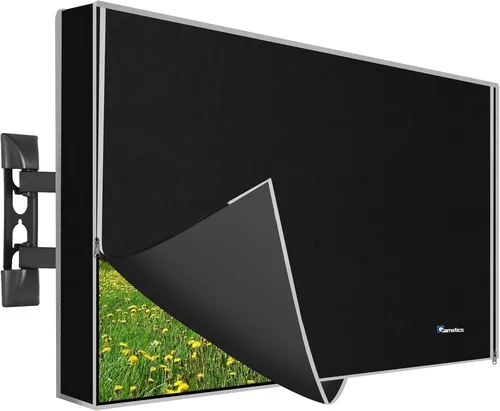
Outdoor living spaces have evolved far beyond simple patios and decks. Today’s screened porches are fully functional extensions of the home—complete with seating, lighting, sound systems, and yes, even televisions. Whether you’re watching the big game under the stars, catching up on your favorite series during a summer evening, or enjoying a movie night with family without worrying about bugs or weather, an outdoor TV can transform your screened porch into a true entertainment hub.
But not all TVs are built for the outdoors. Standard indoor televisions simply aren’t designed to handle the unique challenges of semi-outdoor environments like screened porches—fluctuating temperatures, humidity, dust, and glare from sunlight can quickly damage or degrade performance. That’s why choosing the right outdoor TV is critical. A poor decision could mean frequent repairs, shortened lifespan, or a frustrating viewing experience. This guide exists to help you avoid those pitfalls. We’ll walk you through everything you need to know—from key technical specs to budget considerations, installation tips, and brand comparisons—so you can make a confident, informed purchase that delivers years of reliable enjoyment.
The market for outdoor TVs has grown significantly in recent years, driven by increased demand for outdoor living and smart home integration. You’ll find options ranging from basic weather-resistant models to high-end, fully sealed units with anti-glare screens and built-in heaters for colder climates. Brands like Samsung, Sony, LG, and specialized outdoor manufacturers such as SunBriteTV, Seura, and Peerless have entered the space, offering a range of features tailored to different needs and environments. Whether you’re looking for a budget-friendly option or a premium 4K HDR display with Dolby Vision, there’s likely a model that fits your screened porch setup. By the end of this guide, you’ll understand exactly what to look for, how to compare models, and how to get the best value for your investment.

What to Look for When Buying Buying Guide
1. Weather Resistance & IP Rating
One of the most critical factors when selecting an outdoor TV for your screened porch is its ability to withstand environmental elements. Even though your porch is screened, it’s still exposed to humidity, temperature swings, dust, and occasional moisture—especially if you live in a coastal or rainy region. Standard indoor TVs lack the protective sealing needed to survive these conditions, which can lead to internal corrosion, screen fogging, or electrical failure.
Look for TVs with an official Ingress Protection (IP) rating. The IP rating consists of two numbers: the first indicates protection against solid particles (like dust), and the second refers to resistance to liquids (like rain or condensation). For a screened porch, an IP55 rating is generally sufficient—this means the TV is protected from limited dust ingress and low-pressure water jets from any direction. If your area experiences heavy rain or high humidity, consider models with IP65 or higher for added peace of mind.
Additionally, check whether the TV is specifically labeled as “outdoor-rated” or “weatherproof.” These models often feature sealed ports, corrosion-resistant internal components, and protective coatings on circuit boards. Some premium units even include built-in cooling fans or heating elements to regulate internal temperature, preventing overheating in summer or freezing in winter.
2. Screen Brightness & Anti-Glare Technology
Sunlight streaming through screens can create intense glare, making it nearly impossible to see your TV during daytime hours. This is one of the biggest challenges for outdoor viewing, even under cover. Standard indoor TVs typically have brightness levels around 300–500 nits, which is fine for dimly lit living rooms but inadequate for outdoor spaces where ambient light can exceed 10,000 lux.
Outdoor TVs are engineered with significantly higher brightness—often ranging from 700 to 2,500 nits or more. This ensures the image remains visible even in direct sunlight. Look for models with at least 1,000 nits for a screened porch; if your space gets direct morning or afternoon sun, aim for 1,500 nits or higher. Additionally, many outdoor TVs feature anti-reflective coatings or optically bonded glass that reduces glare and improves contrast in bright conditions.
Another key feature is local dimming or high dynamic range (HDR) support. HDR enhances color depth and contrast, making images pop even in challenging lighting. While not all outdoor TVs support HDR10 or Dolby Vision, those that do offer a noticeably better viewing experience. Pair this with a matte screen finish (as opposed to glossy), and you’ll minimize reflections from windows, lighting fixtures, or nearby surfaces.
3. Build Quality & Durability
Durability goes beyond just weather resistance. The physical construction of an outdoor TV determines how well it will hold up over time. Look for models with robust, powder-coated aluminum or stainless steel chassis. These materials resist rust, fading, and warping—common issues with cheaper plastic enclosures exposed to UV rays and temperature changes.
Pay attention to the quality of the internal components as well. Outdoor TVs should use industrial-grade capacitors, reinforced solder joints, and sealed connectors to prevent moisture intrusion. Some manufacturers also include protective covers for unused ports (HDMI, USB, etc.) to keep out dust and insects.
Consider the mounting system too. A sturdy, corrosion-resistant wall mount is essential. Many outdoor TVs come with compatible mounts designed to handle wind loads and vibration. If you plan to install the TV on a post or ceiling bracket, ensure the mount is rated for outdoor use and can support the TV’s weight securely.
Finally, think about longevity. A well-built outdoor TV should last 7–10 years or more with proper care. Cheaper models may save you money upfront but could require replacement in just 2–3 years due to component failure or screen degradation.
4. Display Technology & Picture Quality
Not all outdoor TVs are created equal when it comes to picture quality. While brightness and durability are paramount, you still want a display that delivers sharp, vibrant images. Most outdoor TVs use either LED-LCD or OLED technology, though OLED is less common due to its sensitivity to prolonged bright light exposure.
LED-LCD panels dominate the outdoor market because they offer high brightness, energy efficiency, and cost-effectiveness. Look for models with full-array local dimming (FALD) for deeper blacks and better contrast. Resolution is another key factor—4K UHD (3840 x 2160) is the standard for modern outdoor TVs and provides four times the detail of 1080p. If you sit close to the screen or have a large display (65 inches or more), 4K is essential for a crisp image.
Refresh rate matters too, especially for sports and action content. A 120Hz refresh rate reduces motion blur and provides smoother playback. Some models also support variable refresh rate (VRR) and auto low latency mode (ALLM), which are beneficial if you connect a gaming console.
Color accuracy and wide color gamut (WCG) ensure that reds, blues, and greens appear natural and vivid. While most outdoor TVs prioritize brightness over cinematic color reproduction, premium models often include calibration options or preset modes optimized for outdoor viewing.
5. Smart Features & Connectivity
Modern outdoor TVs aren’t just passive displays—they’re smart entertainment centers. Built-in Wi-Fi, Bluetooth, and streaming platforms like Roku, Android TV, or webOS allow you to access Netflix, YouTube, Disney+, and more without needing an external streaming device.
Check which operating system the TV uses. Android TV offers extensive app support and Google Assistant integration, while Roku provides a simple, user-friendly interface with universal search. Some brands use proprietary systems, which may limit app availability or update frequency.
Connectivity is equally important. Ensure the TV has enough HDMI ports (at least 3–4) for devices like cable boxes, gaming consoles, soundbars, or Blu-ray players. Look for HDMI 2.1 if you plan to use next-gen consoles or want future-proofing for 4K/120Hz content. USB ports, optical audio out, and Ethernet jacks add flexibility.
Voice control via Alexa, Google Assistant, or Siri is a nice bonus, especially if you already use smart home devices. Some outdoor TVs even include built-in microphones or support remote controls with voice search buttons.
6. Audio Performance
While many outdoor TVs include built-in speakers, they’re often underpowered and lack bass—especially in larger models. Sound can also be muffled by the TV’s weatherproof enclosure. For a truly immersive experience, consider pairing your outdoor TV with a dedicated outdoor sound system.
That said, some high-end outdoor TVs feature enhanced audio technologies like Dolby Atmos, DTS:X, or upward-firing speakers that create a more spacious soundstage. If you prefer to use the TV’s internal speakers, look for models with at least 20W of total output and clear dialogue enhancement features.
For the best audio quality, connect a weather-resistant soundbar or outdoor speaker system via HDMI ARC, optical cable, or Bluetooth. Many outdoor TVs support wireless audio streaming, allowing you to place speakers around your porch for surround sound.
Don’t forget about volume control. Outdoor environments require louder audio to overcome ambient noise (like wind, birds, or traffic). Ensure the TV can reach at least 85 dB without distortion.
7. Size & Viewing Distance
Choosing the right screen size depends on your viewing distance and porch layout. A TV that’s too small will be hard to see from across the room; one that’s too large can overwhelm the space and strain your eyes.
As a general rule, multiply your viewing distance (in inches) by 0.84 to get the ideal screen diagonal. For example, if you sit 10 feet (120 inches) away, a 100-inch TV would be ideal. However, most screened porches are smaller, so common sizes range from 43 to 75 inches.
Consider the TV’s bezel width and overall dimensions. Slim bezels maximize screen real estate, while thicker frames may look dated. Also, check the TV’s depth—some outdoor models are bulkier due to weatherproofing, which could affect mounting clearance.
If your porch has multiple seating areas, consider a swivel mount or articulating arm that allows you to adjust the screen angle for optimal viewing from different spots.
8. Brand Reputation & Warranty
Not all outdoor TV brands are equal. Established names like Samsung, LG, and Sony offer reliable performance and strong customer support, but their outdoor models can be pricey. Specialized brands like SunBriteTV, Seura, and Peerless focus exclusively on outdoor displays and often provide better durability and longer warranties.
Research customer reviews and professional ratings from sources like CNET, Wirecutter, or AVS Forum. Look for feedback on real-world performance, ease of installation, and long-term reliability.
Warranty coverage is crucial. Most outdoor TVs come with 1–3 years of limited warranty, but some premium brands offer up to 5 years. Check what’s covered—does it include labor, parts, and on-site service? Is accidental damage or power surge protection included? A strong warranty can save you hundreds in repair costs.
Also, verify that the brand has local service centers or authorized repair technicians in your area. If something goes wrong, you don’t want to wait weeks for a replacement unit.
Different Types of Buying Guide
Common Buying Mistakes to Avoid
❌ Mistake: Buying a Standard Indoor TV for Outdoor Use
Why it’s bad: Indoor TVs lack weatherproofing, have low brightness, and aren’t built to handle temperature extremes. Using one outdoors—even under cover—can lead to rapid degradation, screen burn-in, or complete failure within months.
What to do instead: Invest in a TV specifically designed for semi-outdoor or outdoor use. Even if your porch is screened, the added protection is worth the investment for long-term reliability.
❌ Mistake: Ignoring Viewing Angle and Glare
Why it’s bad: A TV placed in direct sunlight or at a sharp angle can become unwatchable due to reflections and poor visibility. This ruins the entire outdoor entertainment experience.
What to do instead: Choose a location with minimal direct sun exposure, use anti-glare screens, and consider installing curtains or shades. Opt for a TV with high brightness (1,000+ nits) and wide viewing angles (178°).
❌ Mistake: Overlooking Audio Needs
Why it’s bad: Built-in speakers on outdoor TVs are often weak and lack depth. Relying solely on them results in muffled dialogue and poor sound quality, especially in open spaces.
What to do instead: Plan for an outdoor audio system from the start. Pair your TV with weather-resistant speakers or a soundbar to ensure clear, powerful sound that fills your porch.
❌ Mistake: Skimping on Mounting Hardware
Why it’s bad: Using indoor mounts or low-quality brackets can lead to instability, sagging, or even the TV falling—posing a safety risk and potential damage.
What to do instead: Use a mount rated for outdoor use, made from rust-resistant materials like stainless steel or powder-coated aluminum. Ensure it’s compatible with your TV’s VESA pattern and weight.
❌ Mistake: Not Checking Power and Connectivity Requirements
Why it’s bad: Outdoor TVs often require dedicated power lines, surge protection, and weatherproof conduit for cables. Neglecting this can lead to electrical hazards or signal loss.
What to do instead: Consult an electrician to install a GFCI outlet near the TV. Use outdoor-rated HDMI and power cables, and seal all connections with waterproof conduit or tape.
❌ Mistake: Forgetting About Maintenance
Why it’s bad: Dust, pollen, and moisture can accumulate on the screen and vents, reducing performance and lifespan. Many buyers assume outdoor TVs are “maintenance-free.”
What to do instead: Clean the screen monthly with a microfiber cloth and mild cleaner. Check vents and ports for debris, and inspect seals for wear. Regular upkeep extends the TV’s life significantly.
❌ Mistake: Choosing Based Solely on Price
Why it’s bad: The cheapest option may lack essential features like brightness, durability, or smart functionality, leading to dissatisfaction and early replacement.
What to do instead: Balance cost with features that matter most to you—brightness, weather resistance, smart capabilities, and warranty. A mid-range TV often offers the best long-term value.
Budget Guidelines: How Much Should You Spend?
Outdoor TVs vary widely in price, and your budget will significantly influence your options. Here’s a breakdown of what to expect at different price tiers:
Entry-Level ($600 – $1,200): These are typically indoor TVs housed in outdoor enclosures or basic semi-outdoor models. Expect lower brightness (500–700 nits), limited smart features, and shorter warranties. Best for shaded porches with minimal sun exposure. Examples include modified Roku TVs in protective cases.
Mid-Range ($1,200 – $2,500): This is the sweet spot for most screened porch owners. You’ll find dedicated outdoor TVs with 1,000+ nits brightness, IP55 ratings, 4K resolution, and solid smart platforms. Brands like SunBriteTV and Seura offer reliable models in this range with 2–3 year warranties.
Premium ($2,500 – $4,500): Designed for enthusiasts and those who want top-tier performance. These TVs feature 1,500–2,500 nits brightness, HDR support, advanced anti-glare coatings, and premium build quality. Often include longer warranties (3–5 years) and professional installation support.
Luxury ($4,500+): For those who demand the best. These are commercial-grade or fully weatherproof units with 24/7 operation capability, ultra-high brightness, Dolby Vision, and custom mounting solutions. Ideal for large porches, luxury homes, or commercial use.
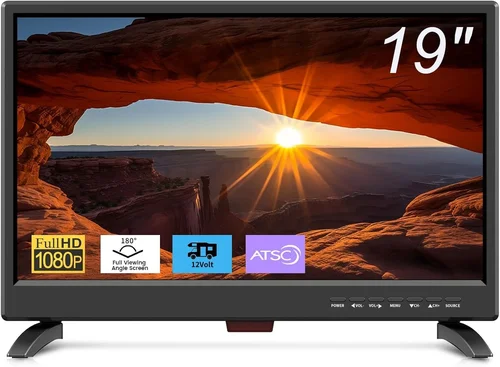
Expert Tips for Getting the Best Deal
- Buy during off-season: Prices drop in late fall and winter when demand for outdoor electronics is lowest. Look for Black Friday, Cyber Monday, or post-holiday sales.
- Compare retailers: Check prices at Best Buy, Home Depot, Amazon, and specialty outdoor electronics stores. Some offer price matching or bundle deals with mounts and cables.
- Consider refurbished models: Certified refurbished outdoor TVs from reputable sellers can save 20–30% off retail and often come with full warranties.
- Read the fine print on warranties: Some brands require professional installation for warranty validity. Others exclude damage from power surges unless you use their recommended surge protector.
- Test before you buy (if possible): Visit a showroom to see the TV’s brightness and picture quality in person. Online reviews are helpful, but real-world viewing is better.
- Negotiate installation: Many retailers offer free or discounted installation with purchase. Ask about package deals that include mounting, cable management, and setup.
- Check return policies: Ensure you have at least 30 days to return the TV if it doesn’t meet your expectations. Some outdoor TVs can’t be returned once installed.
- Future-proof your setup: Choose a TV with HDMI 2.1, Wi-Fi 6, and support for emerging streaming standards to avoid obsolescence in a few years.

Frequently Asked Questions
Q: Can I use a regular TV on my screened porch?
A: Technically yes, but it’s not recommended. Indoor TVs aren’t built to handle humidity, temperature changes, or dust. Over time, this can cause internal damage, screen fogging, or electrical failure. For long-term reliability, invest in a TV designed for outdoor or semi-outdoor use.
Q: Do outdoor TVs need to be plugged into a special outlet?
A: Not necessarily, but they should be connected to a GFCI (ground fault circuit interrupter) outlet for safety, especially in damp environments. A dedicated circuit is ideal to prevent overloads.
Q: How do I protect my outdoor TV from power surges?
A: Use a high-quality outdoor surge protector rated for your TV’s wattage. For added protection, consider a whole-house surge suppressor installed by an electrician.
Q: Can I leave my outdoor TV on all the time?
A: Most outdoor TVs are designed for continuous use, but it’s best to turn them off when not in use to extend lifespan and save energy. Avoid leaving static images on screen for long periods to prevent burn-in.
Q: What’s the difference between IP55 and IP65?
A: IP55 protects against dust and low-pressure water jets. IP65 offers complete dust protection and resistance to water jets from any direction. For a screened porch, IP55 is usually sufficient.
Q: Do outdoor TVs come with remotes?
A: Yes, most include weather-resistant remotes. Some models also support smartphone apps or voice control for added convenience.
Q: Can I mount an outdoor TV on a ceiling or post?
A: Absolutely. Many outdoor TVs are compatible with ceiling mounts, post mounts, or articulating arms. Just ensure the mount is rated for outdoor use and can support the TV’s weight and size.
Q: How often should I clean my outdoor TV?
A: Clean the screen monthly with a soft, dry microfiber cloth. For stubborn smudges, use a mild cleaner designed for electronics. Avoid abrasive materials or harsh chemicals.
Q: Are outdoor TVs energy efficient?
A: Yes, most modern outdoor TVs use LED backlighting and energy-saving modes. Look for ENERGY STAR certification to ensure low power consumption.
Q: What if my outdoor TV gets damaged by weather?
A: Check your warranty—many cover weather-related damage if the TV was installed correctly. If not covered, contact the manufacturer or a certified repair technician. Avoid DIY repairs, as they can void the warranty.
Our Final Recommendations
Best for Budget-Conscious Buyers: SunBriteTV Veranda Series 55″ – Offers excellent value with 1,000 nits brightness, IP55 rating, and Roku TV built-in. Priced around $1,500, it’s ideal for shaded porches.
Best Overall Value: Seura Outdoor 65″ 4K Smart TV – Combines high brightness (1,500 nits), Dolby Vision, and a sleek design. At $2,800, it delivers premium features without luxury pricing.
Best Premium Option: Peerless Paramount 75″ Outdoor TV – Fully sealed, 2,000 nits brightness, and commercial-grade durability. Perfect for large porches or high-end homes. Priced at $4,200.
Best for Beginners: Samsung The Terrace 55″ – User-friendly Tizen OS, excellent picture quality, and strong brand support. Great for first-time outdoor TV buyers. Around $2,200.
Best for Advanced Users: LG Outdoor OLED 65″ with webOS – Features OLED contrast, 120Hz refresh rate, and advanced calibration tools. Ideal for tech-savvy users who want the best picture possible. $3,800.
Conclusion: Making the Right Choice
Choosing the right outdoor TV for your screened porch is about more than just picking a big screen—it’s about finding a display that can thrive in a challenging environment while delivering the performance and features you need for enjoyable viewing. From weather resistance and brightness to smart capabilities and audio quality, every factor plays a role in your long-term satisfaction.
Remember to prioritize your specific needs: if your porch gets a lot of sun, brightness and anti-glare are critical. If you’re on a tight budget, a mid-range semi-outdoor model may offer the best balance. And don’t overlook installation, audio, and maintenance—these often-overlooked aspects can make or break your experience.
Take your time, compare options, and invest in a TV that’s built to last. With the right choice, your screened porch will become the ultimate outdoor retreat—perfect for movie nights, game days, and quiet evenings under the stars. Happy viewing!

