
Outdoor TVs have evolved from a niche luxury to a practical amenity for rental property owners looking to enhance guest experiences and boost property value. Whether you manage vacation rentals, short-term Airbnb units, or long-term furnished apartments with outdoor living spaces, investing in a quality outdoor TV can set your property apart in a competitive market. But unlike indoor TVs, outdoor models face unique environmental challenges—extreme temperatures, humidity, direct sunlight, rain, dust, and even curious wildlife. Choosing the wrong model could mean frequent replacements, unhappy guests, and wasted investment.
This comprehensive buying guide is designed specifically for rental home operators who need durable, reliable, and guest-friendly outdoor TVs that deliver excellent performance without constant maintenance. You’ll learn how to evaluate key features like weather resistance, brightness, smart functionality, installation flexibility, and total cost of ownership. We’ll walk you through the different types of outdoor TVs available, highlight common pitfalls to avoid, and provide actionable advice to help you make a smart, long-term investment. By the end of this guide, you’ll have the confidence to select an outdoor TV that enhances your rental’s appeal, satisfies guests, and withstands the rigors of outdoor use year after year.
The outdoor TV market has matured significantly in recent years, with manufacturers now offering purpose-built models that go far beyond simply slapping an indoor TV in a weatherproof box. Today’s outdoor TVs are engineered from the ground up for outdoor environments, featuring sealed cabinets, anti-glare screens, enhanced cooling systems, and corrosion-resistant materials. Brands like SunBriteTV, Samsung, LG, and Seura have established themselves as leaders in this space, while newer entrants are pushing innovation in areas like solar compatibility, modular designs, and integrated sound systems. With options ranging from budget-friendly partial outdoor models to premium full-outdoor displays costing thousands of dollars, there’s never been a better time to equip your rental property with an outdoor entertainment solution.
What to Look for When Buying Buying Guide
1. Weather Resistance & IP Rating
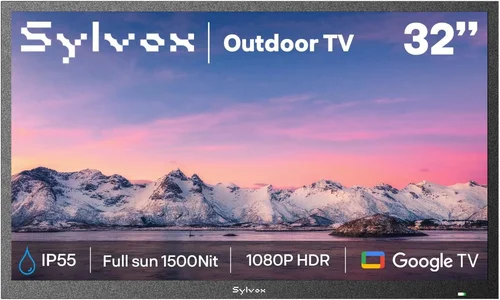
When it comes to outdoor TVs for rental homes, weather resistance isn’t optional—it’s essential. Unlike indoor TVs, outdoor models must withstand rain, snow, dust, extreme heat, and freezing temperatures without failing. The most reliable way to assess a TV’s durability is by checking its Ingress Protection (IP) rating. This two-digit code indicates how well the device resists solid particles (first digit) and liquids (second digit). For outdoor use, look for a minimum IP55 rating—this means the TV is protected against dust (limited ingress) and water jets from any direction. However, for full outdoor exposure (like a patio or deck without cover), an IP65 or higher rating is strongly recommended. IP65 ensures complete dust protection and resistance to low-pressure water jets, making it ideal for uncovered outdoor spaces.
Beyond the IP rating, examine the TV’s internal components. High-quality outdoor TVs use conformal coating on circuit boards to prevent corrosion from moisture and salt air—critical if your rental is near the coast. The enclosure should be made from powder-coated aluminum or stainless steel to resist rust and UV degradation. Avoid models with plastic casings or unsealed ventilation ports, as these can allow moisture and pests to enter. Also consider the operating temperature range: most outdoor TVs function between -30°F and 120°F, but verify this spec matches your local climate. For example, if your rental is in Arizona, ensure the TV can handle summer temperatures exceeding 110°F without overheating.
2. Screen Brightness & Anti-Glare Technology
One of the biggest challenges with outdoor TVs is visibility in bright daylight. Standard indoor TVs typically peak at 300–500 nits of brightness, which is easily washed out by sunlight. Outdoor TVs, however, are engineered for high ambient light conditions. Look for models with a minimum brightness of 700 nits, but ideally 1,000 nits or more for patios, pool decks, or south-facing balconies. Higher brightness ensures that guests can comfortably watch sports, movies, or news even at midday.
Equally important is anti-glare technology. Many outdoor TVs feature optically bonded glass or matte-finish screens that reduce reflections from the sun, water, or surrounding surfaces. Some premium models include automatic brightness sensors that adjust screen luminance based on ambient light, improving both visibility and energy efficiency. Avoid TVs with glossy screens unless they’re installed under deep eaves or pergolas with significant shade. Also consider the viewing angle: wide-angle panels (like IPS or VA) allow multiple guests to watch from different positions without color distortion or brightness loss.
3. Build Quality & Durability
Rental properties demand equipment that can endure heavy use, occasional mishandling, and environmental stress. A flimsy outdoor TV may survive a season but fail prematurely under real-world conditions. Start by evaluating the chassis and mounting system. High-end outdoor TVs use reinforced metal frames and sealed seams to prevent water and dust intrusion. Internal components should be mounted on shock-absorbing brackets to withstand vibrations from wind or nearby foot traffic.
Look for TVs with passive cooling systems—fans can fail over time and introduce noise, which detracts from the guest experience. Instead, opt for fanless designs that rely on heat sinks and convection. Also check the power supply: outdoor-rated power adapters or internal transformers should be included, and the TV should support both 110V and 220V inputs if your rental caters to international guests. Finally, consider the weight and portability. While most outdoor TVs are wall-mounted, some rental owners prefer portable models for seasonal use. If mobility is a priority, look for lightweight designs with built-in handles or optional rolling stands.
4. Smart Features & Connectivity
Modern guests expect seamless streaming, voice control, and integration with popular apps—even outdoors. A smart outdoor TV eliminates the need for external streaming devices, reducing clutter and potential points of failure. Look for models running established platforms like Android TV, webOS (LG), or Tizen (Samsung), which offer access to Netflix, YouTube, Disney+, and other major services. Built-in Wi-Fi (preferably dual-band 2.4GHz/5GHz) ensures stable connectivity, especially important in outdoor areas where signal strength may be weaker.
HDMI ports are essential for connecting gaming consoles, soundbars, or cable boxes. Aim for at least two HDMI 2.0 or 2.1 ports with HDCP 2.2 support for 4K content. USB ports allow for media playback or firmware updates. Some advanced models include Bluetooth for wireless audio streaming to outdoor speakers. Voice assistants like Google Assistant or Alexa integration add convenience, allowing guests to change channels or adjust volume hands-free. However, avoid overly complex interfaces—simplicity is key in a rental setting where guests may not be tech-savvy.
5. Size & Viewing Distance
Choosing the right screen size depends on the outdoor space layout and typical guest usage. A 43-inch TV is suitable for small patios or balconies where viewers sit within 6–8 feet. For larger decks, pool areas, or outdoor kitchens, consider 55-inch or 65-inch models for optimal visibility from 10–15 feet away. Use the 1.5x rule as a guideline: multiply the viewing distance (in inches) by 1.5 to estimate the ideal screen diagonal. For example, a 12-foot (144-inch) viewing distance suggests a 72-inch screen, so a 65-inch TV would be a practical choice.
Avoid oversized TVs that overwhelm the space or require excessive mounting hardware. Also consider the TV’s depth—some outdoor models are thicker than indoor ones due to weatherproofing, which may affect placement under low eaves. If your rental has multiple outdoor zones (e.g., a dining area and a lounging area), consider installing two smaller TVs instead of one large unit to distribute viewing options.
6. Installation & Mounting Flexibility
Easy, secure installation is crucial for rental properties, where you may need to set up or remove the TV seasonally. Look for TVs compatible with standard VESA mounting patterns (e.g., 200×200, 400×400) so you can use universal outdoor mounts. Full-motion articulating mounts allow guests to adjust the viewing angle, but fixed tilt mounts are often more secure in windy areas.
Some outdoor TVs come with pre-installed mounting brackets or quick-release systems for hassle-free setup. If your rental has uneven walls or unconventional surfaces (like stone or tile), ensure the mount includes appropriate anchors. For renters concerned about property damage, consider non-permanent solutions like heavy-duty freestanding stands with weighted bases. Always verify local regulations—some HOA or rental agreements restrict permanent installations.
7. Audio Performance & Sound Solutions
Outdoor environments are inherently noisy—wind, traffic, water features, and conversations can drown out built-in TV speakers. Most outdoor TVs have modest audio output (10–20 watts), which is insufficient for larger spaces. To enhance the guest experience, plan for external audio. Many outdoor TVs support optical audio output or Bluetooth, allowing connection to weatherproof soundbars or wireless speakers.
For a seamless setup, consider all-in-one outdoor entertainment systems that include a TV and integrated speakers in a single weatherproof unit. Alternatively, install in-ground or wall-mounted outdoor speakers with a separate amplifier. Avoid relying solely on the TV’s internal speakers, as guests may complain about poor sound quality, leading to negative reviews.
8. Warranty & Support
Given the harsh conditions outdoor TVs endure, a strong warranty is a must. Look for at least a 2-year manufacturer warranty that covers both parts and labor. Premium brands like SunBriteTV offer 3-year warranties, reflecting confidence in their build quality. Check if the warranty is transferable—important if you sell the property or upgrade the TV.
Customer support should be accessible via phone, email, or live chat. Read reviews to see how responsive the company is to issues like screen burn-in, connectivity problems, or weather-related failures. Some manufacturers offer on-site service for commercial clients, which can be a lifesaver for rental operators managing multiple properties. Avoid brands with limited service networks or vague warranty terms.
Different Types of Outdoor TVs

Common Buying Mistakes to Avoid

❌ Mistake: Buying an Indoor TV and Putting It in a Weatherproof Enclosure
Why it’s bad: While DIY weatherproof boxes exist, they often trap heat, block infrared signals (rendering remotes useless), and void the TV’s warranty. Indoor TVs aren’t designed for temperature swings, leading to premature failure.
What to do instead: Invest in a purpose-built outdoor TV with integrated cooling, sealed ports, and weather-resistant components. The long-term reliability far outweighs the upfront savings.
❌ Mistake: Ignoring Local Climate Conditions
Why it’s bad: A TV rated for mild climates may fail in desert heat, coastal humidity, or freezing winters. Using an underspecified model leads to frequent repairs and guest complaints.
What to do instead: Match the TV’s specs to your rental’s environment. For example, choose a TV with enhanced cooling for hot climates or conformal coating for salty air near the ocean.
❌ Mistake: Overlooking Audio Needs
Why it’s bad: Poor sound quality ruins the viewing experience, especially outdoors where ambient noise is high. Guests may leave negative reviews about “quiet TV” or “can’t hear dialogue.”
What to do instead: Pair the TV with weatherproof speakers or a soundbar. Test audio during peak hours (e.g., pool parties) to ensure clarity.
❌ Mistake: Choosing the Wrong Screen Size
Why it’s bad: A TV too small for the space feels inadequate; one too large overwhelms the area and may require structural modifications.
What to do instead: Measure the viewing distance and use the 1.5x rule. Consider the room’s primary use—dining vs. lounging—to determine optimal size.
❌ Mistake: Skimping on Mounting Hardware
Why it’s bad: Cheap mounts can loosen over time, especially in windy areas, risking damage to the TV and property.
What to do instead: Use heavy-duty, corrosion-resistant outdoor mounts rated for the TV’s weight. Include safety cables as a backup.
❌ Mistake: Not Planning for Power and Connectivity
Why it’s bad: Running extension cords across decks is unsafe and unsightly. Weak Wi-Fi leads to buffering and frustration.
What to do instead: Install weatherproof outlets near the TV and use a mesh Wi-Fi system to boost outdoor signal coverage.
❌ Mistake: Ignoring Guest Experience Features
Why it’s bad: Complicated menus, missing apps, or unresponsive remotes frustrate guests and increase support calls.
What to do instead: Choose a TV with intuitive smart features, pre-loaded apps, and a simple remote. Consider labeling inputs for easy use.
Budget Guidelines: How Much Should You Spend?
Entry-Level ($800–$1,500): These are typically partial outdoor TVs designed for covered patios or screened-in areas. They offer basic weather resistance (IP55), 700–1,000 nits brightness, and standard smart features. Ideal for budget-conscious landlords or seasonal rentals in mild climates. Expect shorter lifespans (3–5 years) and limited warranty coverage.
Mid-Range ($1,500–$2,800): This is the sweet spot for most rental properties. These full outdoor TVs provide IP65+ ratings, 1,000+ nits brightness, robust build quality, and reliable smart platforms. Brands like SunBriteTV Veranda and Samsung The Terrace fall here. They balance cost, performance, and durability, lasting 5–7 years with proper care.
Premium ($2,800–$4,500): For high-end rentals or commercial use, premium models offer commercial-grade components, 24/7 operation capability, advanced cooling, and extended warranties. These TVs are built to withstand heavy use and extreme conditions, making them ideal for luxury villas, resorts, or year-round outdoor entertainment.
Luxury ($4,500+): Top-tier outdoor displays feature ultra-bright screens (2,000+ nits), modular designs, integrated audio systems, and professional installation support. These are overkill for most residential rentals but may be justified for flagship properties or branded vacation homes.
Expert Tips for Getting the Best Deal
1. Buy During Off-Season Sales: Outdoor TVs see peak demand in spring and summer. Shop in late fall or winter (November–February) for discounts of 15–25%. Retailers often clear inventory before new models launch.
2. Bundle with Accessories: Some retailers offer package deals including mounts, cables, or soundbars. These can save $100–$300 compared to buying separately.
3. Consider Refurbished or Open-Box Models: Certified refurbished outdoor TVs from reputable sellers (e.g., manufacturer outlets) often come with full warranties at 20–30% off retail.
4. Leverage Business Discounts: If you manage multiple rentals, inquire about commercial pricing. Some brands offer volume discounts or extended service plans for property managers.
5. Check Return Policies: Ensure the seller allows returns within 30 days. Outdoor TVs are hard to test indoors—verify functionality upon delivery.
6. Test Before Finalizing Installation: Power on the TV, check Wi-Fi, test all ports, and verify remote operation before mounting. This avoids costly reinstallation if issues arise.
7. Negotiate Extended Warranties: For premium models, ask if the warranty can be extended to 3–5 years. This protects against long-term failures and reduces downtime.
8. Monitor Price Tracking Tools: Use tools like Honey, CamelCamelCamel, or Google Shopping to track price history and set alerts for drops.

Frequently Asked Questions
Q: Can I use a regular TV outdoors if it’s under a roof?
A: Technically yes, but it’s not recommended. Even under cover, indoor TVs are vulnerable to humidity, temperature swings, and dust. Over time, these factors can damage internal components. A partial outdoor TV (rated for covered areas) is a safer, longer-lasting choice.
Q: Do outdoor TVs need special power outlets?
A: Not necessarily, but a dedicated, weatherproof GFCI outlet is ideal. This protects against electrical shocks and meets safety codes for outdoor installations. Avoid daisy-chaining power strips.
Q: How do I clean an outdoor TV screen?
A: Use a microfiber cloth and a mild cleaner designed for anti-glare screens. Avoid ammonia-based cleaners (like Windex), which can damage coatings. Turn off the TV and let it cool before cleaning.
Q: Will an outdoor TV work in the rain?
A: Yes, if it has an IP65 or higher rating. These TVs are designed to operate in rain, snow, and sleet. However, avoid spraying water directly on the screen or ports.
Q: Can guests damage the TV?
A: While outdoor TVs are built tough, misuse (e.g., throwing objects, spilling drinks) can cause damage. Consider installing a protective screen or placing the TV out of reach. Most rental agreements include clauses covering guest-caused damage.
Q: Do outdoor TVs consume more power?
A: Slightly, due to higher brightness and cooling systems. However, modern LED models are energy-efficient. Look for ENERGY STAR certification to minimize electricity costs.
Q: Can I mount an outdoor TV on a brick or stone wall?
A: Yes, but use appropriate anchors like sleeve anchors or chemical epoxy. Consult a professional if unsure—improper mounting can crack masonry.
Q: What happens if the TV gets stolen?
A: Outdoor TVs are theft-resistant due to their weight and mounting, but not immune. Consider adding a security cable or installing it in a less accessible location. Check if your rental insurance covers outdoor electronics.
Q: Are outdoor TVs compatible with streaming devices?
A: Absolutely. Most have HDMI ports for Roku, Apple TV, or Fire Stick. However, built-in smart features often provide a cleaner, more reliable experience.
Q: How long do outdoor TVs typically last?
A: With proper care, 5–10 years. Full outdoor models with commercial-grade components can exceed 10 years in moderate climates.
Our Final Recommendations
Best for Budget-Conscious Buyers: SunBriteTV Veranda Series (43″–65″) – Offers excellent value with IP55 rating, 1,000 nits brightness, and reliable smart features. Ideal for covered patios in mild climates.
Best Overall Value: Samsung The Terrace (55″–75″) – Combines stunning picture quality, IP55 weather resistance, and Tizen OS in a sleek design. Perfect for mid-range rentals seeking premium performance.
Best Premium Option: SunBriteTV Pro Series (55″–86″) – Built for extreme conditions with IP65 rating, 2,000+ nits brightness, and fanless cooling. Ideal for luxury rentals, resorts, or high-traffic properties.
Best for Beginners: Seura Outdoor TV (43″–65″) – User-friendly interface, easy installation, and strong customer support. Great for first-time outdoor TV buyers.
Best for Advanced Users: LG UltraBright Outdoor Display – Features AI-enhanced picture, webOS, and modular design. Best for tech-savvy operators who want cutting-edge features and customization.
Conclusion: Making the Right Choice
Choosing the right outdoor TV for your rental property is about more than just picture quality—it’s about enhancing guest satisfaction, reducing maintenance headaches, and protecting your investment. By prioritizing weather resistance, brightness, smart functionality, and durability, you can select a model that performs reliably year after year, even in harsh outdoor conditions. Avoid common pitfalls like using indoor TVs or ignoring audio needs, and always consider the total cost of ownership, not just the sticker price.
Remember, your outdoor TV is often one of the first things guests notice when they step onto your patio or deck. A high-quality, well-installed display can elevate the entire outdoor experience, leading to glowing reviews, repeat bookings, and higher rental rates. Take the time to assess your space, understand your climate, and match the TV to your budget and usage patterns. With the insights from this guide, you’re equipped to make a confident, informed decision that delivers long-term value for both you and your guests.
Now is the perfect time to upgrade your rental’s outdoor entertainment. Whether you’re managing a cozy cabin or a luxury beachfront villa, the right outdoor TV can transform an ordinary space into a memorable retreat. Start your search today—your guests (and your bottom line) will thank you.

