
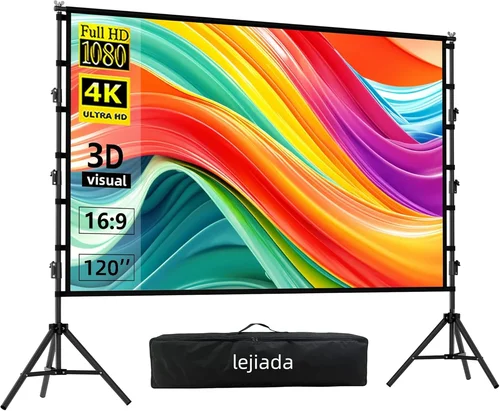
Outdoor movie nights have evolved from backyard novelty to a beloved entertainment staple for families, couples, and friends seeking memorable experiences under the stars. Whether you’re hosting a summer blockbuster night, a cozy fall film festival, or a holiday-themed screening, the right outdoor television can transform your backyard into a personal drive-in theater. But unlike indoor TVs, outdoor models face unique challenges—extreme temperatures, humidity, dust, direct sunlight, and unpredictable weather—all of which demand specialized engineering and design. That’s why choosing the right outdoor TV isn’t just about screen size or resolution; it’s about durability, performance in harsh conditions, and long-term reliability.
This comprehensive buying guide is designed to help you navigate the complex world of outdoor televisions with confidence. Whether you’re a first-time buyer or upgrading from an older model, you’ll learn everything you need to make an informed decision. We’ll break down the most critical factors to consider—from weather resistance and brightness levels to smart features and installation requirements. You’ll also discover the different types of outdoor TVs available, common pitfalls to avoid, and expert tips to get the best value for your investment. By the end of this guide, you’ll have a clear understanding of what to look for, how much to spend, and which models stand out in 2026.
The outdoor TV market has grown significantly in recent years, driven by increased demand for outdoor living spaces and home entertainment solutions. Major electronics brands like Samsung, LG, and Sony now offer outdoor-specific models, while niche manufacturers such as Seura, SunBriteTV, and Peerless-AV have built their reputations on rugged, weatherproof designs. With options ranging from budget-friendly portable screens to high-end 85-inch 4K HDR models built to withstand snow, rain, and desert heat, there’s never been a better time to invest in an outdoor TV. However, this variety also means more complexity—so let’s dive in and help you find the perfect fit for your backyard cinema dreams.

What to Look for When Buying Buying Guide
1. Weather Resistance & IP Rating
One of the most critical factors when selecting an outdoor TV is its ability to withstand the elements. Unlike indoor televisions, outdoor models must endure rain, snow, dust, extreme heat, and freezing temperatures—sometimes all in the same season. This is where the Ingress Protection (IP) rating comes into play. The IP rating consists of two digits: the first indicates protection against solid particles like dust, and the second measures resistance to moisture. For outdoor TVs, look for a minimum IP55 rating, which means the unit is protected from limited dust ingress and water jets from any direction. Higher-end models often feature IP65 or IP66 ratings, offering full dust protection and resistance to powerful water jets—ideal for areas with heavy rainfall or coastal climates.
Beyond the IP rating, consider the TV’s operating temperature range. Most outdoor TVs are designed to function between -22°F and 122°F (-30°C to 50°C), but some premium models can handle even more extreme conditions. For example, Seura’s Signature 2 series is built to operate in temperatures as low as -40°F, making it a top choice for northern climates or mountain homes. Additionally, check whether the TV includes a built-in heater or cooling system. These features help maintain optimal internal temperatures, preventing damage from condensation in humid environments or overheating in direct sunlight. A well-ventilated enclosure with thermal management is essential for longevity.
2. Brightness & Anti-Glare Display
Brightness is arguably the second most important factor after weather resistance. Standard indoor TVs typically range from 300 to 500 nits of brightness, which is sufficient for dimly lit living rooms but falls short in daylight or under bright outdoor lighting. Outdoor TVs need significantly higher brightness—ideally 700 nits or more—to remain visible in direct sunlight. Many premium outdoor models now offer 1000 to 2000 nits, ensuring crisp, vibrant images even at noon on a sunny day.
Equally important is the display’s anti-glare coating. Reflections from the sun, patio lights, or nearby windows can wash out the screen, making it difficult to see the picture. Look for TVs with matte or anti-reflective screens that diffuse light rather than reflecting it. Some manufacturers, like SunBriteTV, use proprietary optical bonding technology that reduces glare and enhances contrast by minimizing the air gap between the screen and the protective glass. This not only improves visibility but also protects the display from scratches and impacts.
3. Build Quality & Durability
Outdoor TVs are an investment, and their build quality directly impacts how long they’ll last. Unlike indoor models housed in lightweight plastic, outdoor TVs are constructed with rugged materials designed to resist corrosion, UV damage, and physical stress. Look for enclosures made from powder-coated aluminum or stainless steel, which resist rust and fading. The internal components should also be sealed to prevent moisture and dust from entering the electronics.
Another durability consideration is the screen itself. Outdoor TVs often feature reinforced glass or acrylic covers that protect against scratches, impacts, and extreme weather. Some models include shatter-resistant screens, which is especially important if you have children or pets. Additionally, check the mounting hardware. Outdoor TVs should come with heavy-duty, corrosion-resistant brackets and screws. If you’re mounting the TV on a wall or ceiling, ensure the mount is rated for outdoor use and can support the TV’s weight and size.
4. Performance Specifications
While durability is paramount, you still want a TV that delivers excellent picture and sound quality. In 2026, most outdoor TVs support 4K Ultra HD resolution, HDR (High Dynamic Range), and wide color gamuts, providing stunning visuals that rival indoor models. Look for support for HDR10, Dolby Vision, or HLG (Hybrid Log-Gamma) to ensure compatibility with the latest streaming content and Blu-ray formats.
Refresh rate is another key spec. A 60Hz refresh rate is standard, but for fast-paced action movies or sports, consider a model with 120Hz or higher. This reduces motion blur and provides smoother playback. Audio performance is often overlooked, but outdoor environments can drown out sound. Many outdoor TVs include built-in speakers with enhanced bass and volume, but for the best experience, consider pairing your TV with outdoor-rated soundbars or wireless speakers. Some models even support Bluetooth audio output for wireless headphones or speakers.
5. Smart Features & Connectivity
Modern outdoor TVs come equipped with smart platforms that allow you to stream content directly without external devices. Popular options include Android TV, webOS (LG), Tizen (Samsung), and Roku TV. These platforms offer access to Netflix, Disney+, Hulu, YouTube, and thousands of apps. When evaluating smart features, consider ease of use, app availability, and voice control compatibility (e.g., Google Assistant or Amazon Alexa).
Connectivity is equally important. Ensure the TV has multiple HDMI ports (at least 3–4), USB ports for media playback, and Ethernet or Wi-Fi for internet access. Some models include built-in streaming sticks or support for external devices like Apple TV or Chromecast. If you plan to connect gaming consoles, sound systems, or cable boxes, verify that the TV has the necessary inputs and supports HDCP 2.2 for 4K content.
6. Size & Viewing Distance
Choosing the right screen size depends on your viewing distance and seating arrangement. A general rule of thumb is that the optimal viewing distance is 1.5 to 2.5 times the diagonal screen size. For example, a 65-inch TV is best viewed from 8 to 13 feet away. However, outdoor spaces often have longer sightlines, so you may want to go larger. A 75-inch or 85-inch TV can provide an immersive experience for larger groups.
Consider the physical space where the TV will be installed. Measure the wall or mounting area to ensure the TV fits comfortably without obstructing walkways or views. Also, think about portability. Some outdoor TVs are designed to be moved between locations, such as from a patio to a pool deck. These models often come with wheeled stands or lightweight frames. If you plan to relocate the TV frequently, look for a portable option with a carrying handle and quick-release mounting system.
7. Brand Reputation & Reliability
Not all outdoor TV brands are created equal. Established manufacturers like Seura, SunBriteTV, and Peerless-AV have years of experience designing weatherproof displays and are known for their reliability and customer support. These companies often conduct rigorous testing in real-world conditions, including salt spray, UV exposure, and thermal cycling.
When researching brands, read customer reviews and look for third-party certifications such as UL Listed, CE, or FCC compliance. These indicate that the product has been tested for safety and performance. Avoid generic or off-brand models sold through online marketplaces unless they come with strong warranties and verified user feedback. A reputable brand may cost more upfront, but it often translates to better build quality, longer lifespan, and superior customer service.
8. Warranty & Support
Outdoor TVs are exposed to harsh conditions, so a strong warranty is essential. Most reputable brands offer at least a 2-year warranty, with some extending coverage to 3 or even 5 years. Check what the warranty covers—does it include labor, parts, and shipping? Is on-site service available? Some manufacturers, like Seura, offer in-home repair services for added convenience.
Customer support is another critical factor. Look for brands with responsive support teams, detailed installation guides, and accessible service centers. Read reviews to see how quickly issues are resolved and whether replacement parts are readily available. A good warranty and support system can save you hundreds in repair costs and downtime.
Different Types of Buying Guide

Common Buying Mistakes to Avoid
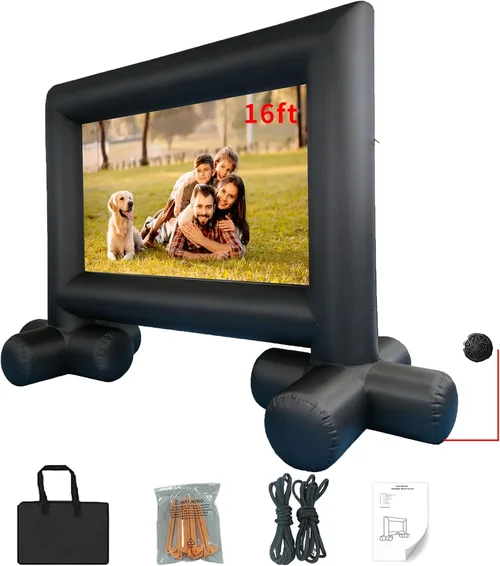
❌ Mistake: Buying a Regular Indoor TV for Outdoor Use
Why it’s bad: Indoor TVs are not designed to handle moisture, temperature swings, or UV exposure. Using one outdoors can lead to rapid degradation, screen damage, or even electrical hazards. Even under a covered patio, condensation and humidity can seep into the electronics.
What to do instead: Always choose a TV specifically rated for outdoor use. If you must use an indoor model, invest in a high-quality outdoor enclosure with proper ventilation, heating, and cooling.
❌ Mistake: Ignoring Brightness Requirements
Why it’s bad: A dim screen will be nearly invisible during the day or under ambient lighting. You’ll end up squinting or watching in complete darkness, defeating the purpose of an outdoor setup.
What to do instead: Prioritize brightness—aim for at least 700 nits, but 1000+ nits is ideal for sunny areas. Test the TV in similar lighting conditions if possible.
❌ Mistake: Overlooking Mounting and Installation Needs
Why it’s bad: Improper mounting can lead to instability, water damage, or even the TV falling. Many buyers underestimate the complexity of outdoor installation, especially for large screens.
What to do instead: Hire a professional installer or use a certified outdoor mount. Ensure the wall or structure can support the weight and that cables are properly routed and protected.
❌ Mistake: Skipping the Warranty and Support Check
Why it’s bad: Outdoor TVs are expensive, and repairs can be costly. Without a solid warranty, you’re left paying out of pocket for replacements or fixes.
What to do instead: Choose a brand with at least a 2-year warranty and responsive customer service. Read the fine print to understand coverage limits.
❌ Mistake: Choosing Size Over Viewing Experience
Why it’s bad: A massive TV may look impressive, but if it’s too large for the space, it can cause eye strain or overwhelm the viewing area.
What to do instead: Calculate the optimal screen size based on seating distance. Use online calculators or consult with a home theater expert.
❌ Mistake: Forgetting About Audio
Why it’s bad: Outdoor environments absorb sound, and built-in TV speakers are often weak. You’ll end up with muffled dialogue and poor audio quality.
What to do instead: Pair your TV with outdoor-rated speakers or a soundbar. Consider wireless options for flexibility.
❌ Mistake: Not Planning for Power and Connectivity
Why it’s bad: Running extension cords across the yard is unsafe and unsightly. Without proper power and internet access, your TV may not function reliably.
What to do instead: Plan your installation with an electrician to install outdoor-rated outlets and Ethernet ports. Use weatherproof cable covers.
Budget Guidelines: How Much Should You Spend?
Entry-Level ($800 – $1,500): These are typically portable outdoor TVs or indoor models in basic enclosures. They offer decent picture quality and basic weather resistance but may lack high brightness, smart features, or long-term durability. Best for occasional use in covered areas or temporary setups.
Mid-Range ($1,500 – $3,500): This is the sweet spot for most buyers. You’ll find fully outdoor-rated TVs with 4K resolution, 700–1000 nits brightness, smart platforms, and solid build quality. Models like the SunBriteTV Veranda series or Seura Signature 2 fall into this category. Ideal for permanent installations on patios or decks.
Premium ($3,500 – $6,000): These are top-tier outdoor TVs with 1000+ nits brightness, advanced anti-glare technology, HDR support, and rugged construction. They’re built for extreme climates and offer the best picture and sound quality. Perfect for luxury homes, commercial use, or serious movie enthusiasts.
Luxury ($6,000+): At this level, you’re investing in the best of the best—large screens (75”+), ultra-bright displays, premium materials, and comprehensive warranties. These TVs are often custom-installed and may include integrated sound systems or motorized mounts. Reserved for those who want a flawless, long-term outdoor cinema experience.
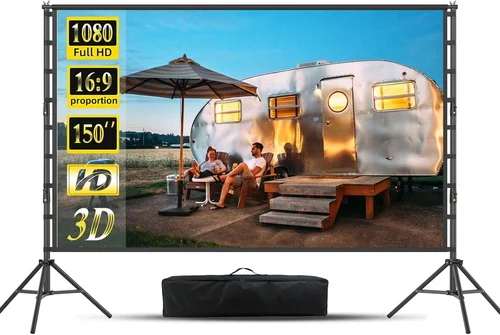
Expert Tips for Getting the Best Deal
1. Buy During Off-Season Sales: Outdoor TVs are in highest demand during spring and summer. Shop in late fall or winter (October–February) for the best discounts. Retailers often clear inventory to make room for new models.
2. Compare Retailers: Prices can vary significantly between online and brick-and-mortar stores. Check specialty AV retailers, home improvement stores, and manufacturer websites. Some offer bundle deals with mounts or speakers.
3. Look for Open-Box or Refurbished Models: Certified refurbished outdoor TVs from reputable sellers can save you 20–30% off retail. Ensure they come with a warranty and have been tested.
4. Negotiate Installation Packages: Many retailers offer free or discounted installation with purchase. This can save hundreds, especially for large or complex setups.
5. Check for Rebates and Incentives: Some manufacturers offer mail-in rebates or trade-in programs. Energy-efficient models may qualify for local utility rebates.
6. Read the Return Policy: Outdoor TVs are difficult to return due to size and shipping costs. Choose retailers with generous return windows (30+ days) and clear policies.
7. Test Before You Buy (If Possible): Visit a showroom to see the TV in person. Check brightness, color accuracy, and menu navigation. Some retailers allow in-home demos.
8. Consider Long-Term Costs: Factor in electricity usage, potential repairs, and accessory costs (mounts, speakers, cables). A cheaper TV may cost more over time.

Frequently Asked Questions
Q: Can I use a regular TV outdoors if it’s under a covered patio?
A: Technically yes, but it’s not recommended. Even covered areas can experience humidity, temperature swings, and dust. For long-term reliability, use an outdoor-rated TV or a high-quality outdoor enclosure.
Q: How do I protect my outdoor TV from theft?
A: Use a locking mount, install security cameras, and consider a TV with a built-in security slot. Some models offer GPS tracking or remote disable features.
Q: Do outdoor TVs consume more power?
A: Not necessarily. Modern outdoor TVs are designed for efficiency. However, higher brightness and built-in heaters/coolers can increase energy use. Look for ENERGY STAR-rated models.
Q: Can I leave my outdoor TV on all night?
A: Yes, but it’s not advisable. Continuous use can shorten the lifespan. Use a timer or smart plug to automate power cycles.
Q: What’s the difference between partial and full outdoor TVs?
A: Partial outdoor TVs are designed for covered areas with minimal exposure to weather. Full outdoor TVs are fully sealed and rated for direct exposure to rain, snow, and sun.
Q: Do I need a special mount for an outdoor TV?
A: Yes. Use a mount rated for outdoor use with corrosion-resistant materials. Ensure it’s compatible with your TV’s VESA pattern and weight.
Q: Can I connect my outdoor TV to a sound system?
A: Absolutely. Most outdoor TVs have audio output ports (optical, HDMI ARC, 3.5mm) for connecting to soundbars, receivers, or wireless speakers.
Q: How long do outdoor TVs last?
A: With proper care, a high-quality outdoor TV can last 7–10 years or more. Regular cleaning and avoiding extreme conditions can extend lifespan.
Q: Are outdoor TVs worth the cost?
A: If you frequently host outdoor events or enjoy backyard entertainment, yes. The durability and performance justify the investment for most users.
Q: Can I use streaming services on an outdoor TV?
A: Yes, as long as the TV has a smart platform and internet connectivity. Most support Netflix, YouTube, Disney+, and more.
Our Final Recommendations
Best for Budget-Conscious Buyers: SunBriteTV Veranda Series (55”) – Offers excellent value with 4K resolution, 700 nits brightness, and weather resistance at a mid-range price.
Best Overall Value: Seura Signature 2 (65”) – Combines top-tier durability, 1000+ nits brightness, and smart features. Ideal for permanent installations.
Best Premium Option: Peerless-AV Xtreme 85” 4K HDR – Ultra-bright, rugged, and built for extreme climates. Perfect for luxury outdoor spaces.
Best for Beginners: Samsung The Terrace (55”) – User-friendly interface, excellent picture quality, and strong brand support. Great for first-time buyers.
Best for Advanced Users: LG OLED Outdoor TV (77”) – Features OLED technology for perfect blacks and vibrant colors, with full outdoor certification.
Conclusion: Making the Right Choice
Choosing the right outdoor television for your backyard movie nights is about more than just picking a big screen—it’s about finding a device that can thrive in the elements while delivering exceptional picture and sound. From weather resistance and brightness to smart features and build quality, every detail matters when you’re investing in an outdoor entertainment system. By considering your specific needs, budget, and environment, you can avoid common pitfalls and select a TV that will provide years of enjoyment.
Remember, the best outdoor TV is the one that matches your lifestyle. Whether you’re hosting intimate family screenings or large neighborhood events, prioritize durability, visibility, and ease of use. Don’t rush the decision—take time to research, compare models, and consult with experts. And when you’re ready to buy, use our expert tips to get the best deal possible.
Your backyard deserves a cinema experience that’s as impressive as it is reliable. With the right outdoor TV, every movie night can feel like a premiere. So grab some popcorn, invite your friends, and enjoy the show—under the stars, in stunning clarity.

