
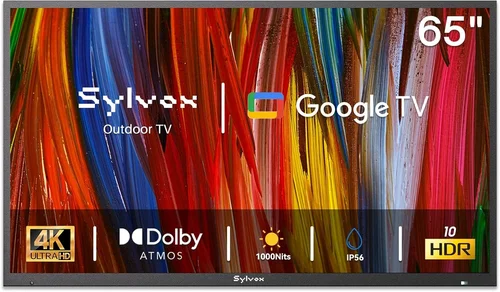
Outdoor living spaces have evolved dramatically over the past decade. What was once limited to a simple patio chair and a potted plant has now transformed into fully functional outdoor rooms—complete with grills, fire pits, sound systems, and yes, even televisions. For apartment dwellers, especially those with balconies, terraces, or shared rooftop access, the idea of enjoying a movie night under the stars or catching the big game while soaking up the sun is no longer a luxury reserved for homeowners with sprawling backyards. Thanks to advancements in weather-resistant technology and compact design, outdoor TVs are now more accessible than ever for urban renters.
But here’s the catch: not all TVs are built to withstand the elements. Standard indoor televisions may offer stunning picture quality and smart features, but they’re not designed to handle rain, humidity, extreme temperatures, or direct sunlight. That’s why choosing the right outdoor TV for your apartment setup requires careful consideration. This guide is designed to help you navigate the often-overwhelming world of outdoor televisions—whether you’re a first-time buyer or upgrading from an older model. We’ll walk you through everything you need to know, from understanding key performance specs to avoiding common pitfalls that could cost you time and money.
By the end of this comprehensive buying guide, you’ll be equipped with expert-level knowledge to make a confident, informed decision. You’ll learn how to balance budget with performance, identify which features truly matter for outdoor use, and understand the differences between various types of outdoor TVs on the market. Whether you’re looking for a compact 43-inch screen for your balcony or a weatherproof 65-inch display for a shared rooftop lounge, this guide will help you find the perfect fit for your space, lifestyle, and viewing habits.

What to Look for When Buying Buying Guide
1. Weather Resistance & IP Rating
When it comes to outdoor TVs, weather resistance isn’t just a nice-to-have—it’s essential. Unlike indoor models, outdoor televisions must endure rain, snow, dust, humidity, and temperature fluctuations without compromising performance or safety. The most reliable way to assess a TV’s ability to handle these conditions is by checking its Ingress Protection (IP) rating. This two-digit code indicates how well the device is protected against solid particles (like dust) and liquids (like water).
The first digit ranges from 0 to 6 and measures protection against solids. A rating of 6 means the TV is completely dust-tight. The second digit ranges from 0 to 9 and indicates water resistance. For outdoor use, look for a minimum IP55 rating, which means the TV can withstand low-pressure water jets from any direction. However, if you live in an area with heavy rainfall or plan to mount your TV in an exposed location, aim for IP65 or higher. Some premium models even offer IP66 or IP67 ratings, providing near-total protection against dust and powerful water jets or temporary immersion.
It’s also important to consider the TV’s operating temperature range. Most outdoor TVs are designed to function between -22°F and 122°F (-30°C to 50°C), but always verify this spec based on your local climate. For example, if you live in a region with harsh winters or scorching summers, choosing a model with a wider thermal tolerance can prevent shutdowns or hardware damage.
2. Display Technology & Brightness
The type of display technology used in an outdoor TV significantly impacts picture quality, especially in bright daylight. Most outdoor models use either LED-LCD or OLED panels, but there are key differences to understand. LED-LCD TVs are more common in outdoor applications due to their higher peak brightness and lower cost. They use a backlight system that can be optimized for outdoor visibility, often reaching 700 to 2,000 nits or more—far brighter than typical indoor TVs, which usually max out around 400–600 nits.
OLED TVs, while offering superior contrast, deeper blacks, and wider viewing angles, are generally less suitable for outdoor use because they struggle with brightness in direct sunlight. Most OLED panels top out at around 800 nits, which may not be enough for clear viewing on a sunny afternoon. However, some newer outdoor-specific OLED models are beginning to emerge with enhanced brightness and anti-reflective coatings, so it’s worth keeping an eye on this evolving segment.
Brightness is arguably the most critical factor for outdoor viewing. Look for a TV with at least 700 nits of brightness, but ideally 1,000 nits or higher if you plan to use it during the day. Additionally, consider models with anti-glare or anti-reflective screens. These coatings reduce the impact of sunlight reflecting off the screen, making it easier to see the image without squinting or adjusting your seating position constantly.
Resolution is another key consideration. While 4K UHD is now the standard for most outdoor TVs, ensure the model supports HDR (High Dynamic Range) for better color accuracy and contrast. HDR10, Dolby Vision, and HLG are common formats—Dolby Vision offers the best dynamic range but may not be available on all outdoor models due to licensing costs.
3. Build Quality & Durability
Outdoor TVs are subjected to far harsher conditions than their indoor counterparts, so build quality is paramount. Start by examining the materials used in the chassis and housing. High-quality outdoor TVs typically feature powder-coated aluminum or stainless steel frames, which resist rust, corrosion, and UV degradation. Avoid plastic-heavy designs, as they can become brittle over time when exposed to sunlight and temperature swings.
The internal components are equally important. Look for TVs with sealed circuit boards and conformal coatings that protect against moisture and dust ingress. Some manufacturers go a step further by using marine-grade components, originally designed for boats and coastal environments, which are ideal for humid or salty air conditions.
Mounting hardware should also be robust and corrosion-resistant. Many outdoor TVs come with specialized wall mounts made from galvanized steel or aluminum with rubber gaskets to prevent water from seeping into the wall. If you’re installing on a balcony railing or freestanding pole, ensure the mount is rated for outdoor use and can support the TV’s weight securely.
Durability also extends to the remote control and input ports. Outdoor remotes are often water-resistant and may include backlighting for nighttime use. Input ports (HDMI, USB, etc.) should be covered with rubber flaps or located in a recessed, protected area to prevent water damage.
4. Size & Viewing Distance
Choosing the right screen size for your outdoor space is crucial for both comfort and practicality. Unlike living room TVs, outdoor screens need to account for variable lighting, seating arrangements, and space constraints—especially in apartments where balconies and terraces are often compact.
A general rule of thumb is to sit at a distance of 1.5 to 2.5 times the diagonal screen size for optimal viewing. For example, a 55-inch TV should be viewed from 6.5 to 11 feet away. However, outdoor environments often require adjustments. If your seating is closer due to space limitations, consider a smaller screen to avoid overwhelming the viewer. Conversely, if you’re placing the TV on a large rooftop with distant seating, a larger screen (65 inches or more) may be necessary for clarity.
For apartment balconies, 43 to 55 inches is typically the sweet spot. These sizes offer a cinematic experience without dominating the space. If you have a narrow balcony, a slim-profile TV with a narrow bezel can maximize screen real estate while minimizing visual clutter.
Also consider the TV’s depth and weight. Outdoor models are often bulkier due to weatherproofing, so ensure your mounting solution can accommodate the dimensions. Wall mounts should allow for tilt or swivel adjustments to optimize the viewing angle, especially if seating is off-center.
5. Smart Features & Connectivity
Modern outdoor TVs are no longer just dumb screens—they’re fully integrated smart platforms that support streaming, voice control, and multi-device connectivity. When evaluating smart features, start with the operating system. Popular options include Android TV, webOS (LG), Tizen (Samsung), and proprietary systems like SunBrite’s proprietary interface.
Android TV offers the most app flexibility, with access to Google Play Store, Netflix, YouTube, Disney+, and thousands of other apps. It also supports Google Assistant for voice commands. LG’s webOS is known for its intuitive interface and Magic Remote, while Samsung’s Tizen is fast and reliable but has a more limited app selection.
Ensure the TV has sufficient HDMI ports (at least two, preferably three) for connecting devices like streaming sticks, gaming consoles, or soundbars. Look for HDMI 2.1 support if you plan to use next-gen gaming consoles like the PlayStation 5 or Xbox Series X, as it enables 4K at 120Hz and Variable Refresh Rate (VRR).
Wi-Fi 6 support is becoming more common and offers faster, more stable connections—important for streaming 4K content without buffering. Bluetooth 5.0 or higher allows for wireless audio streaming to headphones or outdoor speakers.
Some outdoor TVs include built-in tuners for over-the-air (OTA) broadcasts, which is useful if you want to watch local news or sports without a cable subscription. Others may require an external tuner or streaming device.
6. Audio Quality & External Sound Options
While picture quality often takes center stage, audio is equally important for an immersive outdoor experience. Unfortunately, most outdoor TVs have limited built-in speakers due to space and weatherproofing constraints. Sound output is typically modest—around 10–20 watts—and may lack depth or clarity, especially in open or windy environments.
To enhance audio, consider pairing your TV with an outdoor soundbar or wireless speaker system. Many modern outdoor TVs support Bluetooth audio streaming, allowing you to connect waterproof speakers like the Sonos Move, Bose SoundLink Revolve+, or JBL Charge 5. For a more permanent setup, wired outdoor speakers mounted on railings or walls can provide rich, room-filling sound.
Some high-end outdoor TVs include advanced audio technologies like Dolby Atmos or DTS:X, but these are rare and usually require external speakers to fully utilize. If audio is a priority, look for models with optical audio output or ARC (Audio Return Channel) support for connecting to a sound system.
Volume control is another consideration. Outdoor environments can be noisy—traffic, wind, neighbors—so having a TV with strong audio output or the ability to boost volume is helpful. Remote controls with dedicated volume buttons or smartphone app integration can make adjustments easier without needing to walk back inside.
7. Installation & Mounting Flexibility
Installation is a critical factor, especially for apartment dwellers who may face restrictions on drilling into walls or modifying shared structures. Before purchasing, assess your mounting options: wall, ceiling, pole, or freestanding stand.
Wall mounts are the most common and secure option. Look for full-motion mounts that allow tilt, swivel, and extension, giving you flexibility to adjust the screen based on seating and sunlight. Ensure the mount is rated for outdoor use and can support the TV’s weight and size.
Ceiling mounts are ideal for covered patios or pergolas. They keep the TV out of the way and provide a clean, modern look. Pole mounts are great for balconies with railings—many come with clamps that attach securely without permanent installation.
Freestanding outdoor TV stands are another option, particularly for renters who can’t drill into walls. These stands often include wheels for mobility and built-in cable management. However, they may be less stable in windy conditions, so anchoring them is recommended.
Always check your apartment’s rules regarding outdoor modifications. Some buildings prohibit drilling or attaching heavy objects to balconies. In such cases, non-permanent solutions like weighted bases or clamp mounts are your best bet.
8. Brand Reputation & Warranty
Not all outdoor TV brands are created equal. Some specialize exclusively in weatherproof displays, while others adapt indoor models for outdoor use. Brands like SunBriteTV, Seura, and Samsung’s Terrace series are industry leaders known for rigorous testing and high build quality. These companies often conduct real-world simulations of rain, snow, and extreme temperatures to ensure reliability.
When evaluating brands, look for customer reviews, third-party certifications (like UL or ETL), and industry awards. A strong reputation for customer service is also important—outdoor TVs are complex devices, and you may need support for installation, troubleshooting, or warranty claims.
Warranty coverage is a major differentiator. Most outdoor TVs come with a 2- to 3-year warranty, but some premium brands offer up to 5 years. Check what’s covered: does it include labor, parts, and on-site service? Is the warranty valid only if installed by a certified technician? Also, confirm whether the warranty is transferable if you move or sell the TV.
Avoid no-name or ultra-cheap brands that lack customer support or detailed specifications. These may save you money upfront but could lead to costly repairs or replacements down the line.
Different Types of Buying Guide

Common Buying Mistakes to Avoid
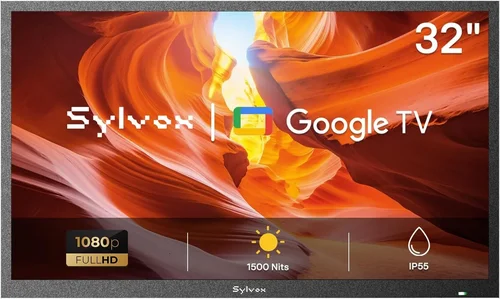
❌ Mistake: Buying a Standard Indoor TV for Outdoor Use
Why it’s bad: Indoor TVs are not designed to handle moisture, temperature changes, or UV exposure. Using one outdoors can lead to condensation inside the screen, overheating, electrical shorts, or permanent damage. In worst cases, it could pose a fire hazard.
What to do instead: Always choose a TV specifically rated for outdoor use. If budget is tight, consider an indoor TV with a certified outdoor enclosure, but never expose a standard TV directly to the elements.
❌ Mistake: Ignoring the IP Rating
Why it’s bad: Without a proper IP rating, you have no guarantee the TV can withstand rain or dust. A TV marketed as “outdoor-ready” but lacking a clear IP code may only be suitable for covered areas.
What to do instead: Verify the IP rating before purchasing. Aim for IP55 or higher for partial exposure and IP65+ for full exposure. Check the manufacturer’s documentation for clarification.
❌ Mistake: Overlooking Brightness Requirements
Why it’s bad: A dim screen will be washed out in sunlight, making it impossible to see during the day. Many buyers are disappointed when their new outdoor TV is unusable at noon.
What to do instead: Choose a TV with at least 700 nits of brightness, preferably 1,000+ nits. Look for anti-reflective coatings and consider the sun’s path when planning placement.
❌ Mistake: Choosing the Wrong Size for the Space
Why it’s bad: A TV that’s too large can overwhelm a small balcony, while one that’s too small may be hard to see from seating areas. Poor sizing leads to frustration and wasted investment.
What to do instead: Measure your space and seating distance. Use the 1.5–2.5x screen size rule as a guide. Test with a printed screen outline before buying.
❌ Mistake: Skimping on Mounting Hardware
Why it’s bad: Using indoor mounts or low-quality hardware can result in instability, rust, or the TV falling—posing a serious safety risk, especially on high-rise balconies.
What to do instead: Invest in a certified outdoor mount made from corrosion-resistant materials. Ensure it’s rated for your TV’s weight and size.
❌ Mistake: Not Checking Apartment Rules
Why it’s bad: Many apartment complexes prohibit drilling, hanging heavy objects, or modifying exteriors. Installing without permission could lead to fines or eviction.
What to do instead: Review your lease agreement and consult property management before installation. Opt for non-permanent solutions if needed.
❌ Mistake: Forgetting About Audio
Why it’s bad: Built-in speakers on outdoor TVs are often weak. Relying on them can result in poor sound quality, especially in noisy environments.
What to do instead: Plan for external audio from the start. Pair your TV with outdoor speakers or a soundbar for a complete experience.
Budget Guidelines: How Much Should You Spend?
Outdoor TVs vary widely in price, and your budget will significantly influence your options. Here’s a breakdown of what to expect at different price tiers:
Entry-Level ($600 – $1,200): These are typically partial-shade models or indoor TVs with basic outdoor enclosures. They offer decent brightness (500–700 nits), standard smart features, and IP54 ratings. Ideal for covered balconies or temporary use. Examples include modified LG or Samsung indoor TVs in weatherproof cases.
Mid-Range ($1,200 – $2,500): This is the sweet spot for most apartment dwellers. You’ll find fully weatherproof TVs with IP55 or IP65 ratings, 700–1,200 nits brightness, 4K HDR, and robust smart platforms. Brands like SunBriteTV and Seura offer reliable models in this range. These are suitable for covered patios and partial exposure.
Premium ($2,500 – $5,000): For those who want top-tier performance and durability. These TVs feature IP66 ratings, 1,500+ nits brightness, advanced cooling systems, and premium materials. They’re built for full exposure and long-term reliability. Samsung’s Terrace series and high-end SunBrite models fall here.
Luxury ($5,000+): Reserved for commercial-grade displays or ultra-high-end residential setups. These include 24/7 operation capability, extreme temperature tolerance, and professional installation support. Often used in shared apartment rooftops or luxury condos.
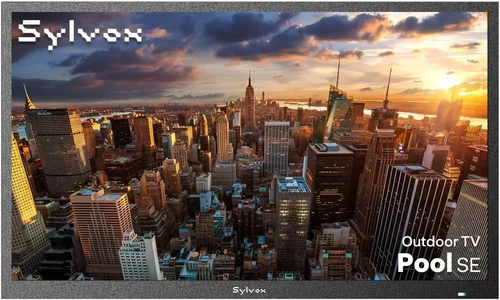
Expert Tips for Getting the Best Deal
1. Buy During Off-Season: Outdoor TVs are in highest demand during spring and summer. Shop in late fall or winter for discounts of 15–30%. Retailers often clear inventory before the new season.
2. Compare Retailers: Don’t limit yourself to big-box stores. Specialty outdoor electronics retailers like Outdoor TV Direct, Best Buy Outlets, or even Amazon often have better deals and expert advice.
3. Look for Bundles: Some sellers offer TV + mount + soundbar packages at a reduced price. These can save you $200–$500 compared to buying separately.
4. Check Return Policies: Ensure the retailer offers at least a 30-day return window. Outdoor TVs are expensive, and you may need time to test performance in your specific environment.
5. Consider Refurbished Models: Certified refurbished outdoor TVs from reputable brands can offer significant savings (20–40% off) with full warranty coverage.
6. Negotiate Installation: If hiring a professional, ask for package deals that include mounting, cable management, and setup. Some electricians offer discounts for bundled services.
7. Monitor Price Drops: Use tools like Honey, CamelCamelCamel, or Google Shopping to track price history and set alerts for your desired model.

Frequently Asked Questions
Q: Can I use a regular TV outside if it’s under a covered balcony?
A: Technically yes, but it’s not recommended. Even under cover, humidity, temperature swings, and occasional rain splashes can damage an indoor TV over time. For long-term reliability, use a TV designed for outdoor use or an indoor model in a certified weatherproof enclosure.
Q: Do outdoor TVs need special power outlets?
A: No, most outdoor TVs use standard 120V outlets. However, ensure the outlet is GFCI-protected (required for outdoor use) and located within reach of the TV. Avoid long extension cords, which can be a tripping hazard.
Q: How do I clean an outdoor TV screen?
A: Use a microfiber cloth and a mild cleaner designed for electronics. Avoid ammonia-based cleaners or abrasive materials. Turn off and unplug the TV before cleaning. For tough grime, lightly dampen the cloth—never spray liquid directly on the screen.
Q: Can I leave my outdoor TV on during a storm?
A: It’s best to turn it off and unplug it during severe weather, especially lightning storms. While outdoor TVs are weather-resistant, power surges can damage internal components. Use a surge protector for added safety.
Q: Are outdoor TVs energy-efficient?
A: Many modern outdoor TVs are ENERGY STAR certified and use LED backlighting, which is more efficient than older technologies. Brightness settings also impact power use—lower brightness when possible to save energy.
Q: Can I use streaming devices like Roku or Fire Stick with an outdoor TV?
A: Yes, most outdoor TVs have HDMI ports compatible with streaming sticks. However, ensure the stick is protected from moisture—use a weatherproof HDMI extender or place it in a sealed box.
Q: What’s the lifespan of an outdoor TV?
A: With proper care, a high-quality outdoor TV can last 7–10 years or more. Cheaper models may degrade faster due to inferior materials and lack of cooling systems.
Q: Do outdoor TVs come with remotes that work in the dark?
A: Many include backlit remotes or smartphone app control. Check the product specs—this is especially useful for evening viewing.
Our Final Recommendations
Best for Budget-Conscious Buyers: SunBriteTV Veranda Series 55-inch – Offers excellent value with IP55 rating, 700 nits brightness, and full smart features under $1,500.
Best Overall Value: Samsung The Terrace 65-inch – Premium build, 1,500 nits brightness, IP66 rating, and stunning 4K HDR performance. Ideal for covered patios and balconies.
Best Premium Option: Seura Outdoor 75-inch 4K Ultra Bright – Top-tier durability, 2,000 nits brightness, and commercial-grade components. Perfect for full exposure and long-term use.
Best for Beginners: LG 50UP7000PUA with Outdoor Enclosure – A reliable indoor TV paired with a certified weatherproof case. Great for testing the waters without a huge investment.
Best for Advanced Users: SunBriteTV Pro Series 86-inch – Built for extreme conditions with 2,500 nits brightness, advanced cooling, and 24/7 operation. Ideal for shared rooftops or professional setups.
Conclusion: Making the Right Choice
Choosing the right outdoor TV for your apartment is about more than just picture quality—it’s about finding a balance between performance, durability, and practicality. From weather resistance and brightness to smart features and installation flexibility, every detail matters when you’re bringing entertainment outdoors. By understanding your space, climate, and viewing habits, you can avoid costly mistakes and invest in a TV that delivers years of enjoyment.
Remember, the best outdoor TV is one that fits your lifestyle. Whether you’re watching sunset movies on your balcony or hosting rooftop game nights, the right setup can transform your apartment into a true urban oasis. Take your time, do your research, and prioritize quality over shortcuts. With the insights from this guide, you’re now equipped to make a smart, confident decision.
Ready to elevate your outdoor living? Start by assessing your space and budget, then explore the models we’ve recommended. Your perfect outdoor viewing experience is just a purchase away.

