
Planning the perfect summer party on your deck starts with great company, delicious food, and the right atmosphere—but let’s be honest, nothing sets the mood quite like a crystal-clear view of your favorite sports game, movie night under the stars, or live music performance streaming in real time. That’s where a deck TV comes in. More than just a television you leave outside, a deck TV is specifically designed to withstand the elements while delivering top-tier picture and sound quality in an open-air environment.
In recent years, outdoor entertainment has evolved from a luxury to a lifestyle staple. Homeowners are investing in outdoor living spaces that rival indoor comfort, and a high-quality outdoor TV is often the centerpiece. Whether you’re hosting a backyard barbecue, a poolside movie night, or watching the big game with friends, the right deck TV can elevate the entire experience. But with so many options flooding the market—ranging from weatherproof enclosures to fully integrated outdoor models—it’s easy to feel overwhelmed. That’s exactly why this comprehensive buying guide exists: to cut through the noise, clarify your options, and help you make a smart, informed decision that fits your space, budget, and entertainment goals.
By the end of this guide, you’ll understand exactly what makes a great deck TV, how to evaluate key features like brightness, durability, and connectivity, and how to avoid common pitfalls that lead to buyer’s remorse. We’ll walk you through budget considerations, compare different types of outdoor TVs, highlight expert tips for getting the best deal, and even answer the most frequently asked questions from real homeowners. Whether you’re a first-time buyer or upgrading from an older model, this guide is your go-to resource for choosing the perfect deck TV for unforgettable summer gatherings.
What to Look for When Buying a Deck TV
1. Weather Resistance & IP Rating
When it comes to outdoor electronics, weather resistance isn’t just a nice-to-have—it’s non-negotiable. Unlike indoor TVs, deck TVs are exposed to rain, humidity, dust, extreme temperatures, and even snow in some regions. That’s why the Ingress Protection (IP) rating is one of the most critical specs to check before making a purchase.
The IP rating consists of two digits: the first indicates protection against solid particles like dust, and the second refers to protection against liquids. For outdoor use, look for a minimum rating of IP55, which means the TV is protected from limited dust ingress and low-pressure water jets from any direction. However, for full four-season durability—especially in areas with heavy rain or snow—opt for IP65 or higher. An IP65 rating ensures complete dust protection and resistance to water projected from a nozzle, making it ideal for year-round deck use.
Beyond the IP rating, consider the materials used in the TV’s construction. High-quality outdoor TVs often feature powder-coated aluminum frames, stainless steel hardware, and sealed internal components to prevent corrosion. Some models even include built-in heaters or cooling systems to maintain optimal operating temperatures in extreme heat or cold. For example, the SunBriteTV Veranda series includes a thermal management system that keeps the internal temperature stable, even when ambient temperatures soar above 100°F.
Another often-overlooked factor is UV resistance. Prolonged exposure to sunlight can degrade plastic casings and cause discoloration over time. Premium outdoor TVs use UV-resistant coatings and materials to maintain their appearance and structural integrity. If your deck gets full sun for most of the day, this feature is essential to prevent yellowing or cracking.
2. Brightness & Display Technology
One of the biggest challenges with outdoor viewing is ambient light. Sunlight reflecting off the screen can wash out colors and make images difficult to see, even on a cloudy day. That’s why brightness—measured in nits—is a make-or-break spec for deck TVs.
For optimal visibility in direct sunlight, aim for a minimum brightness of 700 nits. However, many top-tier outdoor TVs now offer 1,000 to 2,500 nits or more, ensuring crisp, vibrant visuals even at noon. For context, most indoor LED TVs range between 300 and 600 nits, which simply won’t cut it on a bright deck.
Display technology also plays a crucial role. While OLED screens offer superior contrast and color accuracy, they’re generally not recommended for outdoor use due to their lower peak brightness and susceptibility to burn-in under constant high-brightness conditions. Instead, look for high-brightness LED or QLED panels designed for outdoor environments. These technologies use advanced backlighting and anti-glare coatings to enhance visibility.
Anti-reflective coatings are another key feature. These specialized layers reduce glare from sunlight, windows, or nearby surfaces, allowing for a clearer image without needing to reposition the TV constantly. Some models even include optical bonding—a process where the glass is fused directly to the display panel—to minimize reflections and improve touch sensitivity if the TV has a touchscreen.
Additionally, consider the screen’s viewing angle. Outdoor seating often spreads across a wide arc, so a TV with a 178-degree viewing angle ensures everyone gets a great view, whether they’re sitting directly in front or off to the side.
3. Size & Placement Flexibility
Choosing the right screen size for your deck depends on several factors: viewing distance, seating layout, and available wall or mounting space. A TV that’s too small will be hard to see from a distance, while one that’s too large can overwhelm the space and strain your budget.
As a general rule, the ideal screen size is determined by the distance between the TV and your primary seating area. For outdoor viewing, where ambient light reduces perceived sharpness, it’s best to size up slightly compared to indoor recommendations. Use this guideline:
– 40–50 inches: Best for decks under 12 feet deep, ideal for intimate gatherings or smaller patios.
– 55–65 inches: The sweet spot for most medium to large decks, providing a cinematic experience without dominating the space.
– 70+ inches: Perfect for expansive decks, pool areas, or outdoor theaters where viewers sit 15+ feet away.
Placement is equally important. Will the TV be wall-mounted, placed on a stand, or installed in a weatherproof enclosure? Wall mounting offers a clean, permanent solution and frees up deck space, but requires proper structural support and weatherproofing around the mounting bracket. If you’re mounting under a covered pergola or awning, ensure there’s adequate ventilation to prevent overheating.
For freestanding setups, consider a mobile TV cart with locking wheels. These allow you to move the TV between the deck, patio, or even indoors during winter months. Just make sure the cart is sturdy enough to support the weight and has a weather-resistant finish.
4. Audio Quality & Sound Solutions
While picture quality grabs most of the attention, sound is just as important for an immersive outdoor experience. Unfortunately, many outdoor TVs come with underwhelming built-in speakers—partly due to space constraints and partly because manufacturers assume users will add external audio systems.
Built-in speakers on deck TVs are often muffled or lack bass, especially when competing with wind, traffic, or party noise. If you plan to rely solely on the TV’s audio, look for models with at least 20W of total output and support for virtual surround sound. However, for anything beyond casual listening, we strongly recommend pairing your TV with external speakers.
Outdoor sound systems come in various forms:
– Weatherproof Bluetooth speakers: Portable and easy to set up, ideal for small gatherings.
– In-ground or landscape speakers: Buried or mounted discreetly around the deck, providing even sound distribution without clutter.
– Soundbars with outdoor enclosures: Offer a balance of power and convenience, especially when mounted below the TV.
Many modern outdoor TVs support HDMI ARC (Audio Return Channel) or optical audio output, making it easy to connect to external amplifiers or sound systems. Some even include built-in Bluetooth for wireless streaming from smartphones or tablets.
For larger decks or frequent entertainers, consider a multi-zone audio system that lets you control sound in different areas—like the grill zone, seating area, and poolside—independently. This ensures music or commentary is heard clearly where it matters most, without blasting volume everywhere.
5. Connectivity & Smart Features
In today’s connected world, your deck TV should do more than just display cable channels. Look for models with robust connectivity options and smart functionality to maximize versatility.
Start with ports: HDMI 2.1 is ideal for 4K/120Hz content and future-proofing, while multiple USB ports allow you to play media directly from flash drives or external hard drives. Ethernet and Wi-Fi are essential for streaming services like Netflix, Hulu, or YouTube, especially if your deck is far from your router. For reliable internet, consider a mesh Wi-Fi extender or a dedicated outdoor access point.
Smart TV platforms vary by brand, but popular options include:
– Android TV: Offers access to the Google Play Store, voice control via Google Assistant, and seamless integration with other smart home devices.
– webOS (LG): Known for its intuitive interface and strong app support.
– Tizen (Samsung): Smooth performance and excellent compatibility with Samsung ecosystems.
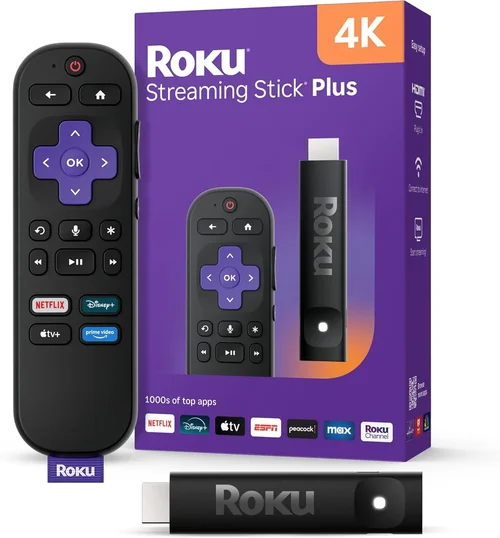
– Roku TV: Simple, user-friendly, and widely supported across streaming services.
Voice control is another valuable feature, especially when your hands are full with drinks or food. Look for TVs with built-in microphones or compatibility with voice assistants like Alexa or Google Assistant.
Additionally, some outdoor TVs include built-in apps for weather, news, or sports scores—perfect for quick updates during a party. Others support screen mirroring or casting from smartphones and tablets, so guests can share photos or videos instantly.
6. Power Requirements & Energy Efficiency
Outdoor TVs often run for extended periods during parties, holidays, or weekend binges, so energy efficiency matters—both for your electricity bill and environmental impact.
Check the TV’s power consumption in watts, usually listed in the specifications. High-brightness outdoor models can draw significantly more power than indoor TVs, especially when running at full brightness. Look for ENERGY STAR-certified models, which meet strict efficiency guidelines set by the U.S. Environmental Protection Agency.
Some outdoor TVs include power-saving features like ambient light sensors that automatically adjust brightness based on surrounding light levels. This not only improves visibility but also reduces energy use during cloudy or evening hours.
Power source is another consideration. Most deck TVs require a standard 120V outlet, but if your deck lacks convenient access, you may need to run an outdoor-rated extension cord or hire an electrician to install a new outlet. Always use GFCI (Ground Fault Circuit Interrupter) outlets for safety, especially in wet environments.
For off-grid or eco-conscious setups, consider solar-powered options or TVs compatible with portable power stations. While still niche, these solutions are gaining traction among outdoor enthusiasts.
7. Installation & Mounting Options
Even the best TV is useless if it’s not installed correctly. Proper mounting ensures safety, optimal viewing angles, and long-term durability.
Wall mounts for outdoor TVs must be rated for outdoor use and capable of supporting the TV’s weight. Look for mounts with corrosion-resistant coatings and adjustable tilt or swivel features to fine-tune the viewing angle. Full-motion mounts allow you to pull the TV out from the wall and rotate it, which is helpful if your deck has multiple seating zones.
If you’re mounting under a roof or pergola, ensure there’s at least 6–8 inches of clearance above and below the TV for ventilation. Overheating is a common cause of premature failure in outdoor electronics.
For freestanding setups, consider a weatherproof TV enclosure. These protective cases house standard indoor TVs and provide IP65 or higher protection. While less sleek than integrated outdoor models, enclosures offer a cost-effective way to use high-end indoor TVs outdoors. Just remember to leave space for airflow and avoid sealing the unit completely.
Professional installation is recommended for permanent setups, especially if electrical work or structural modifications are involved. Many retailers offer installation services, or you can hire a local AV specialist with outdoor experience.
8. Brand Reputation & Customer Support
Not all outdoor TV brands are created equal. Some specialize exclusively in outdoor electronics, while others adapt indoor models for outdoor use. Choosing a reputable brand ensures better build quality, longer lifespan, and reliable customer support.
Top-tier outdoor TV manufacturers include:
– SunBriteTV: A pioneer in outdoor displays, known for rugged durability and excellent brightness.
– Seura: Offers sleek, design-forward outdoor TVs with premium finishes.
– Samsung Terrace: Samsung’s dedicated outdoor line with smart features and weather resistance.
– LG Outdoor: Combines LG’s display expertise with outdoor-ready engineering.
When evaluating brands, check warranty length and coverage. Most outdoor TVs come with 1–3 years of warranty, but some premium models offer extended plans or on-site service. Read customer reviews on trusted sites like Amazon, Best Buy, or Home Depot to gauge real-world performance and reliability.
Customer support is crucial if issues arise. Look for brands with responsive service teams, accessible repair centers, and clear troubleshooting guides. Some even offer remote diagnostics or firmware updates to fix software bugs without a service call.
Different Types of Deck TVs
Common Buying Mistakes to Avoid
❌ Mistake: Buying an Indoor TV for Outdoor Use
Why it’s bad: Indoor TVs are not designed to handle moisture, temperature swings, or UV exposure. Even if you cover them with a tarp or place them under a roof, condensation can build up inside, leading to corrosion, screen damage, or electrical failure. The risk of shock or fire also increases in wet conditions.
What to do instead: Invest in a TV specifically engineered for outdoor use or use a certified weatherproof enclosure. These solutions are designed with sealed components, corrosion-resistant materials, and proper ventilation to ensure safe, long-term operation.
❌ Mistake: Ignoring Brightness Requirements
Why it’s bad: A dim screen turns your deck into a guessing game. Guests strain to see the action, and the viewing experience suffers—especially during daytime events. You’ll end up cranking the brightness, which drains power and shortens the TV’s lifespan.
What to do instead: Prioritize brightness (nits) over other specs. Aim for at least 700 nits for shaded areas and 1,000+ nits for full sun. Check reviews or ask retailers for real-world brightness tests under outdoor conditions.
❌ Mistake: Overlooking Audio Needs
Why it’s bad: Relying on built-in speakers in an open space is a recipe for disappointment. Sound dissipates quickly outdoors, and background noise from wind, traffic, or conversation drowns out dialogue.
What to do instead: Plan your audio setup from day one. Pair your TV with weatherproof speakers, a soundbar, or a multi-zone system. Test the audio during daylight hours to ensure clarity.
❌ Mistake: Skimping on Mounting Hardware
Why it’s bad: Using indoor mounts or flimsy brackets outdoors can lead to sagging, rust, or even the TV falling—posing a serious safety hazard. Poor mounting also affects viewing angles and ventilation.
What to do instead: Purchase mounts rated for outdoor use with corrosion-resistant coatings. Ensure they support the TV’s weight and allow for tilt or swivel adjustments. When in doubt, hire a professional.
❌ Mistake: Not Planning for Power and Connectivity
Why it’s bad: Running extension cords across the deck creates tripping hazards and looks messy. Weak Wi-Fi leads to buffering during streams, ruining the party vibe.
What to do instead: Install a dedicated outdoor GFCI outlet near the TV location. Use a mesh Wi-Fi system or outdoor access point to ensure strong signal coverage. Conceal cables with raceways or in-wall conduits.
❌ Mistake: Choosing Based on Price Alone
Why it’s bad: The cheapest option often lacks durability, brightness, or smart features. You may end up replacing it within a year, costing more in the long run.
What to do instead: Balance budget with value. Look for mid-range models with strong reviews, solid warranties, and essential features. Consider total cost of ownership, including installation and accessories.
❌ Mistake: Forgetting About Maintenance
Why it’s bad: Dust, pollen, and bird droppings can accumulate on the screen and vents, reducing performance and inviting pests. Neglecting cleaning can void warranties or cause overheating.
What to do instead: Wipe the screen weekly with a microfiber cloth and mild cleaner. Check vents for blockages and inspect seals for wear. Store or cover the TV during off-seasons if not in use.
Budget Guidelines: How Much Should You Spend?
– Entry-Level ($500 – $1,200): Ideal for shaded decks or occasional use. These are typically weatherproof enclosures paired with mid-tier indoor TVs. Expect basic brightness (500–700 nits), limited smart features, and shorter warranties. Best for renters or those testing the waters of outdoor entertainment.
– Mid-Range ($1,200 – $2,500): The sweet spot for most homeowners. Includes dedicated partial-sun outdoor TVs with 700–1,500 nits brightness, smart platforms, and solid build quality. Models like the SunBriteTV Veranda or Samsung Terrace fall here. Great for covered patios and frequent entertainers.
– Premium ($2,500 – $4,500): For full-sun exposure and year-round use. These all-weather TVs offer 1,500–2,500+ nits, advanced thermal management, and premium materials. Brands like Seura and SunBriteTV Signature Series deliver cinema-grade performance outdoors. Includes extended warranties and professional installation options.
– Luxury ($4,500+): Top-tier commercial-grade displays with ultra-high brightness, 24/7 operation capability, and custom finishes. Designed for large decks, luxury homes, or commercial venues. Often include integrated audio, remote monitoring, and concierge support.
Expert Tips for Getting the Best Deal
– Buy During Off-Season: Prices drop significantly in fall and winter when demand is low. Retailers often clear inventory before new models arrive in spring.
– Bundle with Accessories: Some retailers offer discounts when you purchase a TV, mount, and speakers together. Look for package deals at Best Buy, Costco, or specialty AV stores.
– Check Manufacturer Rebates: Brands like Samsung and LG frequently run rebate programs, especially during holidays or product launches. Submit claims promptly to avoid missing out.
– Compare Online and In-Store: Online retailers often have lower prices, but in-store purchases let you see the TV in person and negotiate extras like free installation.
– Read Return Policies Carefully: Outdoor TVs are bulky and expensive to return. Ensure the retailer offers at least 30 days for returns and covers shipping costs.
– Test Before Committing: If possible, visit a showroom or friend’s setup to evaluate brightness and sound in real outdoor conditions.
– Negotiate Installation: Many stores include free or discounted installation with purchase—especially during promotions. Don’t hesitate to ask.
– Consider Refurbished Models: Certified refurbished outdoor TVs from reputable sellers offer significant savings with full warranties and quality assurance.

Frequently Asked Questions
Q: Can I use a regular TV outside if it’s under a roof?
A: While a covered area reduces exposure, it doesn’t eliminate risks like humidity, temperature swings, or condensation. For reliable performance, use an outdoor-rated TV or a certified weatherproof enclosure.
Q: How do I clean my outdoor TV screen?
A: Use a soft, lint-free microfiber cloth and a mild screen cleaner. Avoid ammonia-based products or paper towels, which can scratch the surface. Clean gently in circular motions.
Q: Will my outdoor TV work in winter?
A: Yes, if it’s rated for full outdoor use. Look for models with built-in heaters or thermal management systems that prevent freezing and ensure startup in cold weather.
Q: Do outdoor TVs need special cables?
A: Use outdoor-rated HDMI and power cables with UV-resistant jackets. Standard indoor cables degrade quickly when exposed to the elements.
Q: Can I stream Netflix on an outdoor TV?
A: Absolutely. Most outdoor TVs run smart platforms like Android TV or webOS, giving you access to all major streaming apps. Ensure a strong Wi-Fi connection for smooth playback.
Q: How long do outdoor TVs last?
A: With proper care, high-quality outdoor TVs can last 7–10 years or more. Lower-end enclosures may need replacement every 3–5 years due to seal degradation.
Q: Are outdoor TVs energy-efficient?
A: Many modern models are ENERGY STAR certified and include power-saving features like auto-brightness adjustment. However, high brightness increases consumption, so use timers or motion sensors to limit runtime.
Q: Can I mount an outdoor TV on a brick wall?
A: Yes, but use masonry anchors and a mount rated for the weight. Consult a professional if you’re unsure about structural integrity.
Q: Do I need a permit to install an outdoor TV?
A: Typically no, but check local codes if you’re running new electrical lines or modifying structures. GFCI outlets are usually required.
Q: What’s the difference between IP55 and IP65?
A: IP55 protects against dust and low-pressure water jets. IP65 offers complete dust protection and resistance to water from any direction—better for heavy rain or snow.
Our Final Recommendations
– Best for Budget-Conscious Buyers: SunBriteTV Veranda Series – Excellent value with 700+ nits brightness, smart features, and solid weather resistance under $2,000.
– Best Overall Value: Samsung The Terrace – Combines Samsung’s display quality with outdoor durability, 1,500 nits brightness, and seamless smart integration.
– Best Premium Option: Seura Outdoor TV – Sleek design, 2,000+ nits brightness, and premium materials for luxury decks and year-round use.
– Best for Beginners: Seura Shade Series – Easy setup, intuitive interface, and reliable performance for shaded patios and first-time buyers.
– Best for Advanced Users: SunBriteTV Pro Series – Commercial-grade durability, 2,500+ nits, and customizable options for tech-savvy homeowners and professionals.
Conclusion: Making the Right Choice
Choosing the right deck TV is about more than just picking a screen that fits your wall—it’s about creating an outdoor entertainment experience that’s reliable, immersive, and built to last. From weather resistance and brightness to audio quality and smart features, every detail matters when you’re hosting summer parties under the open sky.
As you weigh your options, remember to prioritize your specific needs: How much sun does your deck get? How many people will typically watch? Will you use it year-round or just in summer? Answering these questions will guide you toward the perfect model within your budget.
Don’t rush the decision. Take advantage of seasonal sales, read real user reviews, and consult with experts if needed. A well-chosen deck TV isn’t just a purchase—it’s an investment in countless memorable moments with family and friends.
So go ahead, fire up the grill, cue up the playlist, and let your new deck TV bring the party to life. With the insights from this guide, you’re ready to make a confident, informed choice that will keep your outdoor space shining bright all summer long—and for many summers to come.

