

Outdoor living spaces have evolved far beyond simple patios with a grill and a few chairs. Today’s small patios are extensions of our homes—cozy, functional, and increasingly tech-enabled. One of the most transformative additions you can make is a deck TV. Whether you’re hosting intimate dinners under string lights, watching the big game with friends, or unwinding with a movie after sunset, a weather-resistant outdoor TV turns your small patio into a true entertainment zone. But choosing the right one isn’t as simple as picking up any old television and mounting it outside. The elements—sun, rain, dust, temperature swings—demand specialized engineering. That’s where this comprehensive buying guide comes in.
In this guide, we’ll walk you through everything you need to know to make a smart, informed decision when purchasing a deck TV for your small patio. You’ll learn how to evaluate key performance specs like brightness and weather resistance, understand the differences between outdoor-specific models and indoor TVs with protective enclosures, and avoid common pitfalls that lead to premature failure or buyer’s remorse. We’ll also break down budget tiers, compare top brands, share expert timing tips for scoring deals, and answer frequently asked questions based on real-world usage. By the end, you’ll have the confidence to choose a TV that delivers stunning picture quality, stands up to the elements, and fits seamlessly into your outdoor lifestyle—without overspending or compromising on durability.
The market for outdoor TVs has matured significantly in recent years. What was once a niche category dominated by a handful of premium brands now includes a wider range of options across multiple price points. From fully sealed, all-weather displays designed for permanent outdoor installation to hybrid solutions that blend indoor TVs with ruggedized enclosures, there’s never been more choice. However, this abundance can be overwhelming—especially for first-time buyers who may not realize that not all “outdoor-ready” TVs are created equal. Some are built from the ground up for exterior use, while others are merely marketed as suitable for covered patios. Our goal is to cut through the marketing noise and give you the practical, expert-level insights needed to find the perfect deck TV for your space, climate, and viewing habits.

What to Look for When Buying a Deck TV
1. Weather Resistance & IP Rating
When it comes to outdoor electronics, weather resistance isn’t optional—it’s essential. Unlike indoor TVs, which operate in climate-controlled environments, deck TVs face constant exposure to moisture, dust, UV rays, and temperature fluctuations. The first thing to check is the TV’s Ingress Protection (IP) rating. This two-digit code tells you exactly how well the unit resists solids (like dust) and liquids (like rain or splashes). For small patios—even those with partial covers—you should aim for at least an IP55 rating, which means the TV is protected against dust ingress and low-pressure water jets from any direction. If your patio is fully exposed or you live in a region with heavy rainfall or high humidity, consider models with IP65 or higher.
But don’t stop at the IP rating. Look for additional weatherproofing features such as sealed ports, corrosion-resistant internal components, and UV-stabilized casings. Many premium outdoor TVs use conformal coating on circuit boards to prevent moisture damage, and some even include built-in heaters or cooling fans to maintain optimal operating temperatures in extreme cold or heat. Remember: a TV labeled “weather-resistant” isn’t the same as one that’s “weatherproof.” The former may handle light drizzle under a covered awning; the latter is engineered for year-round exposure. Always match the TV’s protection level to your specific patio conditions.
2. Brightness & Anti-Glare Performance
One of the biggest challenges with outdoor viewing is ambient light. Sunlight reflecting off surfaces, glare from water features, or even bright evening lighting can wash out your screen, making colors look dull and details hard to see. That’s why brightness—measured in nits—is arguably more important outdoors than indoors. While most indoor TVs range from 250 to 500 nits, a quality deck TV should deliver at least 700 nits, with many premium models hitting 1,000 to 2,000 nits or more. Higher brightness ensures the image remains vivid and legible even in direct sunlight.
Equally important is anti-glare technology. Look for TVs with matte or anti-reflective coatings on the screen surface. These reduce mirror-like reflections that can distract viewers or obscure content. Some manufacturers also use optical bonding—a process where the LCD panel is directly fused to the outer glass—to minimize air gaps that cause internal reflections. Additionally, consider the TV’s viewing angle. On a small patio, viewers may be seated off-center or standing at an angle, so wide viewing angles (178 degrees or more) help maintain color accuracy and contrast for everyone.
3. Size & Viewing Distance
Choosing the right screen size for your small patio involves balancing visibility, space constraints, and aesthetic harmony. A TV that’s too large can overwhelm a compact area, while one that’s too small may strain eyes during daytime viewing. As a general rule, your viewing distance (in inches) should be about 1.5 to 2.5 times the diagonal screen size (also in inches). For example, if you’ll be sitting 6 feet (72 inches) away, a 40- to 50-inch TV is ideal. On smaller patios where seating is closer—say, 4 to 5 feet—a 32- to 43-inch model often works best.
Don’t forget to account for mounting height and sightlines. The center of the screen should be at or slightly below eye level when seated. If you’re mounting above a grill or outdoor kitchen, ensure there’s enough vertical clearance so the TV doesn’t interfere with cooking or create neck strain. Also, consider whether the TV will be visible from multiple seating areas. A swivel mount can help direct the screen toward different zones, but avoid placing the TV where it’ll be backlit by windows or bright patio lights, as this reduces contrast.
4. Build Quality & Durability
Outdoor TVs endure far harsher conditions than their indoor counterparts, so build quality is non-negotiable. Start by examining the materials used in the chassis and bezel. High-quality outdoor TVs typically feature powder-coated aluminum or stainless steel frames that resist rust and corrosion. Avoid plastic-heavy designs, especially in coastal or high-humidity areas, as they can degrade or become brittle over time. Internally, look for robust thermal management systems—some units include passive heat sinks, while others use active cooling with quiet fans.
Durability also extends to the mounting hardware. Standard VESA mounts aren’t always sufficient for outdoor use. Opt for heavy-duty, weather-resistant brackets rated for your TV’s weight and size. Many manufacturers offer proprietary mounting solutions designed specifically for their outdoor models, which often include tilt, swivel, and extension features for optimal positioning. Finally, check the warranty—outdoor TVs should come with at least a 2-year warranty, with some premium brands offering 3 to 5 years. A longer warranty often reflects greater confidence in long-term durability.
5. Smart Features & Connectivity
Just because your TV is outdoors doesn’t mean it should lack modern conveniences. Most buyers today expect smart functionality, and rightly so. A built-in smart platform (like Android TV, webOS, or Roku) lets you stream Netflix, YouTube, or Disney+ directly without needing a separate streaming stick. This is especially useful on a small patio where cable clutter should be minimized. Look for Wi-Fi 5 (802.11ac) or Wi-Fi 6 support for reliable streaming, even at a distance from your router.
Connectivity options matter too. Ensure the TV has enough HDMI ports (at least two, preferably three) for devices like gaming consoles, soundbars, or cable boxes. USB ports are handy for playing media files or powering accessories. Some outdoor TVs include weatherproof input panels with flip-up covers to protect ports when not in use. If you plan to use wireless audio, Bluetooth support is a plus. And don’t overlook audio output options—many outdoor TVs have limited built-in speakers, so you’ll likely want to connect external weather-resistant speakers via optical audio or RCA outputs.
6. Power Efficiency & Operating Temperature Range
Outdoor TVs often run longer hours than indoor sets—think weekend barbecues, holiday gatherings, or evening movie nights—so power efficiency can impact your electricity bill over time. Look for ENERGY STAR certification or similar efficiency ratings. More importantly, verify the TV’s operating temperature range. Most quality outdoor models function reliably from -22°F to 122°F (-30°C to 50°C). If you live in a region with harsh winters or scorching summers, this spec is critical. TVs that shut down in extreme temps can leave you without entertainment when you need it most.
Some advanced models include intelligent thermal regulation. For instance, they might reduce brightness slightly in extreme heat to prevent overheating or activate a low-power heater in freezing conditions to protect internal components. These features extend the TV’s lifespan and ensure consistent performance year-round. Also, consider whether the TV supports scheduled on/off times or motion-activated wake-up—useful for conserving energy when the patio is unoccupied.
7. Brand Reputation & Ecosystem Compatibility
Not all outdoor TV brands are equal. Established players like SunBriteTV, Samsung (with its Terrace series), and LG (with its Outdoor line) have spent years refining their weatherproofing technologies and customer support. These brands often provide detailed installation guides, certified dealer networks, and responsive service teams familiar with outdoor-specific issues. Lesser-known or generic brands may offer lower prices, but they frequently cut corners on materials, testing, or after-sales support.
Also consider ecosystem compatibility. If you already own smart home devices (like Philips Hue lights, Nest thermostats, or Amazon Echo), choosing a TV that integrates with your existing platform simplifies control. For example, Samsung’s Terrace works seamlessly with SmartThings, while SunBriteTV models often support Control4 and Crestron systems popular in high-end outdoor setups. Compatibility reduces the need for multiple remotes or apps and creates a more cohesive user experience.
8. Warranty & Customer Support
A robust warranty is your safety net against manufacturing defects, premature failure, or weather-related damage. Standard indoor TV warranties rarely cover outdoor use, so always confirm that the manufacturer explicitly warrants the product for exterior installation. Look for at least a 2-year comprehensive warranty that includes parts, labor, and on-site service if possible. Some premium brands offer extended plans or optional coverage for accidental damage.
Equally important is the quality of customer support. Can you easily reach a technician who understands outdoor installations? Are replacement parts readily available? Do they offer remote diagnostics? Read user reviews focusing on post-purchase experiences—not just picture quality. A TV that fails after 18 months due to a sealed port leak is a costly disappointment, especially if the manufacturer drags its feet on repairs. Choose a brand known for standing behind its products.
Different Types of Deck TVs
Common Buying Mistakes to Avoid
❌ Mistake: Using an Indoor TV Outdoors
Why it’s bad: Indoor TVs lack weatherproofing, corrosion-resistant components, and proper thermal management. Even under a covered patio, moisture, dust, and temperature swings will degrade internal electronics, leading to premature failure, fogging, or complete breakdown within months.
What to do instead: Invest in a TV specifically designed for outdoor use or pair an indoor TV with a certified outdoor enclosure from a reputable brand like Seura or Peerless. Never assume “it’ll be fine under the awning.”
❌ Mistake: Ignoring Brightness Requirements
Why it’s bad: A dim screen turns your outdoor movie night into a frustrating squint-fest. Most indoor TVs max out at 400 nits—far too low for daylight viewing. You’ll miss details, struggle with colors, and constantly adjust seating to avoid glare.
What to do instead: Choose a TV with at least 700 nits for covered patios and 1,000+ nits for partial or full sun exposure. Check real-world reviews that mention daytime visibility.
❌ Mistake: Overlooking Mounting & Installation Costs
Why it’s bad: Many buyers focus only on the TV price and forget that professional outdoor installation can add $300–$800. Improper mounting risks water intrusion, structural damage, or even the TV falling.
What to do instead: Budget for a certified installer who understands outdoor electrical codes, waterproof conduit, and secure anchoring. Some retailers offer bundled installation packages.
❌ Mistake: Choosing Based Solely on Price
Why it’s bad: The cheapest “outdoor” TVs often use minimal weatherproofing and low-quality panels. You may save $500 upfront but spend twice as much on replacements within two years.
What to do instead: Prioritize value over cost. A mid-range outdoor TV with solid reviews and a good warranty often outperforms a budget model in longevity and performance.
❌ Mistake: Neglecting Audio Solutions
Why it’s bad: Most outdoor TVs have weak built-in speakers that can’t compete with ambient noise—wind, traffic, or chatter. You’ll end up cranking the volume, which distorts sound and annoys neighbors.
What to do instead: Plan for external weather-resistant speakers or a soundbar from the start. Many outdoor TVs support wireless audio, simplifying setup.
❌ Mistake: Not Checking Local Climate Compatibility
Why it’s bad: A TV rated for mild climates may fail in desert heat, coastal salt air, or freezing winters. Operating outside the specified temperature range voids warranties and causes damage.
What to do instead: Match the TV’s environmental specs to your region. Coastal buyers should prioritize salt-air resistance; snowy areas need cold-weather operation down to -20°F or lower.
❌ Mistake: Skipping the Warranty Fine Print
Why it’s bad: Some warranties exclude “acts of nature” or require professional installation to remain valid. You could be stuck with a $2,000 paperweight after a hailstorm.
What to do instead: Read the warranty thoroughly. Ensure it covers outdoor use, includes on-site service, and doesn’t have hidden exclusions. Consider extended protection plans if available.
Budget Guidelines: How Much Should You Spend?
Entry-Level ($800–$1,500): This tier typically includes indoor TVs paired with basic outdoor enclosures or lower-end partial-sun models. Picture quality can be decent, but brightness rarely exceeds 600 nits, and build materials may use more plastic. Best for fully covered patios in mild climates with limited daytime use. Expect 1–2 year lifespan in harsher conditions.
Mid-Range ($1,500–$2,800): The sweet spot for most homeowners. These TVs offer 700–1,200 nits brightness, robust aluminum builds, IP55+ ratings, and reliable smart platforms. Brands like SunBriteTV Veranda and Samsung Terrace Partial Sun fall here. Ideal for small patios with partial cover, offering excellent value, durability, and performance for daily use.
Premium ($2,800–$4,500): Designed for enthusiasts and those seeking top-tier reliability. Features include 1,500+ nits brightness, full weatherproofing (IP65), advanced thermal management, and premium audio outputs. Models like the SunBriteTV Pro Series or LG Outdoor OLED deliver cinema-quality images even in bright conditions. Built to last 5–7 years with minimal maintenance.
Luxury ($4,500+): For those who want the absolute best—or need commercial-grade performance. These units boast 2,000+ nits, 24/7 operation capability, enterprise support, and custom finishes. Often used in high-end resorts or large estates, they’re overkill for most small patios but unmatched in durability and image fidelity.
Expert Tips for Getting the Best Deal
- Buy in Spring or Early Summer: Demand peaks in late spring as homeowners prepare for summer entertaining. Retailers often run promotions in March–May to clear inventory before the busy season. You’ll find discounts of 10–20% during this window.
- Shop Certified Dealers, Not Big-Box Stores: While Costco or Best Buy may carry outdoor TVs, certified dealers (like Crutchfield or specialized AV integrators) offer better warranties, expert advice, and bundled installation. They also honor manufacturer support more reliably.
- Bundle with Accessories: Many brands offer package deals including mounts, cables, and speakers. These bundles can save $200–$500 compared to buying separately. Look for “complete outdoor entertainment kits.”
- Check for Open-Box or Refurbished Units: Reputable sellers often sell returned or demo models at 15–30% off. Ensure they come with full warranties and have been inspected by the manufacturer.
- Negotiate Installation: If buying from a local integrator, ask if they’ll waive or discount installation fees with a TV purchase. Some offer free basic mounting with premium models.
- Verify Return Policies: Outdoor TVs are hard to resell if returned. Choose retailers with at least 30-day return windows and clear restocking fee policies. Avoid sellers with “all sales final” terms.
- Test Before Finalizing: If possible, visit a showroom to see the TV in bright lighting. Pay attention to glare, color accuracy, and menu responsiveness. Online reviews can’t replicate real-world visibility.
- Consider Energy Rebates: Some utility companies offer rebates for ENERGY STAR-certified outdoor electronics. Check your provider’s website—you might save $50–$150.

Frequently Asked Questions
Q: Can I use a regular TV on my covered patio?
A: Technically yes, but it’s not recommended long-term. Even under cover, humidity, temperature swings, and dust will degrade components. For true peace of mind and longevity, use an outdoor-rated TV or a certified enclosure.
Q: Do outdoor TVs need special wiring?
A: Yes. Outdoor electrical work must comply with local codes—typically requiring GFCI outlets, waterproof conduit, and professional installation. Never run extension cords across patios.
Q: How do I clean my outdoor TV screen?
A: Use a microfiber cloth and distilled water only. Avoid ammonia-based cleaners or paper towels, which can scratch anti-glare coatings. Power off the TV before cleaning.
Q: Will an outdoor TV work in winter?
A: Only if it’s rated for cold temperatures. Most quality models operate down to -22°F. Indoor TVs may fail below 40°F due to LCD fluid thickening.
Q: Can I mount my outdoor TV on a brick wall?
A: Yes, but use masonry anchors and ensure the wall can support the weight. Consult a structural engineer if unsure. Thermal expansion in brick can loosen mounts over time.
Q: Do outdoor TVs come with remotes that work in sunlight?
A: Most use standard IR remotes, which can struggle in bright light. Consider upgrading to RF remotes (like Logitech Harmony) or using smartphone apps for control.
Q: How long do outdoor TVs typically last?
A: With proper installation and maintenance, 5–7 years is common. Premium models with sealed designs often exceed 8 years. Indoor TVs in enclosures may last only 2–3 years outdoors.
Q: Can I stream 4K content reliably outdoors?
A: Yes, if your Wi-Fi signal reaches the patio. Use a mesh network or outdoor-rated extender. Ensure the TV supports HDMI 2.0 or higher for 4K/60Hz streaming.
Q: Are outdoor TVs louder than indoor ones?
A: Not necessarily—most rely on external speakers. Built-in audio is often limited to 10–20W. Plan for a separate sound system for immersive experiences.
Q: What if my TV gets hit by hail or debris?
A: Fully sealed models with tempered glass fronts offer the best protection. Still, consider a retractable cover or awning for extreme weather. Check if your homeowner’s insurance covers outdoor electronics.
Our Final Recommendations
Best for Budget-Conscious Buyers: SunBriteTV Veranda Series (43″) – At around $1,600, it delivers 700 nits brightness, IP55 rating, and reliable smart features. Perfect for covered patios where full sun exposure isn’t a concern.
Best Overall Value: Samsung The Terrace Partial Sun (55″) – Priced near $2,200, it offers 1,200 nits, excellent color accuracy, and seamless SmartThings integration. A balanced choice for most small patios.
Best Premium Option: SunBriteTV Pro Series (65″) – With 2,000 nits, IP65 rating, and military-grade durability, this $3,800 TV is built for demanding environments. Ideal if you want a lifetime investment.
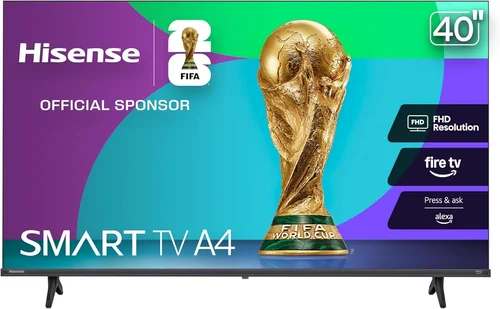
Best for Beginners: Seura Outdoor TV + Enclosure Kit (40″) – Combines a quality indoor TV with a sleek, easy-to-install enclosure. Great for renters or those testing outdoor viewing before committing to a permanent setup.
Best for Advanced Users: LG Outdoor OLED (55″) – Delivers perfect blacks, infinite contrast, and 1,500 nits in a weatherproof design. For audiophiles and videophiles who refuse to compromise on picture quality—even outdoors.
Conclusion: Making the Right Choice
Choosing the right deck TV for your small patio is about more than just screen size or brand name—it’s about aligning technology with your environment, lifestyle, and long-term expectations. From weather resistance and brightness to smart features and warranty coverage, every detail matters when you’re investing in outdoor entertainment. Remember: the cheapest option isn’t always the most economical, and the flashiest specs don’t guarantee real-world performance. Prioritize durability, visibility, and compatibility with your space.
Take the time to assess your patio’s exposure, measure your viewing distances, and read hands-on reviews from users in similar climates. Don’t rush the decision—this is a purchase meant to enhance your outdoor living for years to come. And when you do buy, leverage seasonal sales, certified dealers, and bundled packages to maximize value.
Ultimately, the best deck TV is the one that disappears into the background, letting you focus on what truly matters: great company, fresh air, and the simple joy of watching your favorite show under the open sky. With the insights from this guide, you’re now equipped to make that choice with confidence. Happy viewing!

