
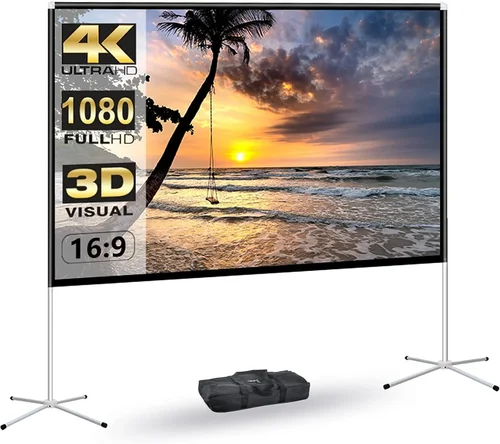
Backyard entertainment has evolved far beyond string lights and folding chairs. For homeowners with small patios—those cozy outdoor spaces that serve as extensions of the living room—the right TV can transform a simple seating area into a year-round entertainment hub. Whether you’re hosting intimate movie nights under the stars, catching the big game with friends, or simply unwinding after a long day with your favorite show, a backyard TV adds comfort, convenience, and a touch of modern luxury. But not all TVs are built for outdoor use. Standard indoor models quickly fail when exposed to humidity, temperature swings, dust, and direct sunlight. That’s why choosing the right outdoor TV for a small patio requires careful consideration of durability, visibility, size, and smart features—all tailored to the unique challenges of open-air viewing.
This comprehensive guide is designed to help you navigate the growing market of outdoor televisions and make an informed decision that fits your space, lifestyle, and budget. You’ll learn what sets outdoor TVs apart from their indoor counterparts, how to evaluate key performance specs like brightness and weather resistance, and which brands offer the best combination of reliability and value. We’ll also walk you through common pitfalls to avoid, explain how much you should realistically spend, and share expert tips for getting the most bang for your buck. Whether you’re a first-time buyer or upgrading from an older model, this guide will equip you with everything you need to choose the best backyard TV for your small patio.
The outdoor TV market has expanded significantly in recent years, driven by increased demand for outdoor living solutions and advancements in display technology. Today, you’ll find options ranging from fully weatherproof, commercial-grade models built to withstand extreme conditions to more affordable semi-outdoor displays designed for covered patios and screened-in porches. Brands like SunBriteTV, Samsung, LG, and Seura have pioneered innovations in anti-glare screens, sealed enclosures, and fanless cooling systems—features essential for reliable outdoor performance. At the same time, smart TV platforms have become standard, allowing seamless integration with streaming services, voice assistants, and home automation systems. With so many choices available, it’s easier than ever to find a TV that delivers stunning picture quality, robust construction, and user-friendly functionality—all while fitting perfectly into your compact outdoor oasis.

What to Look for When Buying Buying Guide
1. Weather Resistance & IP Rating
One of the most critical factors when selecting a backyard TV is its ability to withstand the elements. Unlike indoor TVs, outdoor models must resist moisture, dust, temperature fluctuations, and UV exposure. Look for TVs with a high Ingress Protection (IP) rating—specifically IP55 or higher. An IP55 rating means the TV is protected against low-pressure water jets from any direction and limited dust ingress, making it suitable for most covered patios. For fully exposed areas, consider IP65 or IP66 ratings, which offer even greater protection against water and dust. Additionally, ensure the TV uses a sealed chassis design with no ventilation fans, as fans can suck in moisture and debris. Many premium outdoor TVs also feature corrosion-resistant materials like marine-grade aluminum and stainless steel hardware to prevent rust in humid climates.
2. Brightness & Anti-Glare Display
Outdoor viewing presents a unique challenge: ambient light. Even on a cloudy day, natural light can wash out an indoor TV’s image. That’s why outdoor TVs must deliver significantly higher brightness—measured in nits—than their indoor counterparts. Aim for a minimum of 700 nits, but ideally 1,000 nits or more for clear visibility in direct sunlight. Equally important is anti-glare or anti-reflective screen technology. These coatings reduce mirror-like reflections from windows, patio furniture, or the sun itself, ensuring you can see the picture clearly from various angles. Some top-tier models use optically bonded glass, which eliminates the air gap between the LCD panel and the outer glass layer, further reducing glare and improving contrast. If your patio gets a lot of morning or afternoon sun, prioritize TVs with these advanced display features.
3. Size & Viewing Distance
Choosing the right screen size for a small patio is all about balance. Too large, and the TV dominates the space or becomes overwhelming at close range; too small, and you lose the immersive experience. A good rule of thumb is to sit at a distance of 1.5 to 2.5 times the diagonal screen size. For example, a 55-inch TV is ideal for viewing distances between 6.5 and 11 feet—perfect for most compact patios. However, consider your seating layout: if viewers will be seated close (under 6 feet), a 43- to 50-inch model may be more comfortable. Also, measure your mounting space carefully. Wall-mounted TVs should leave at least 6–8 inches of clearance on all sides for airflow and cable management. If space is extremely limited, consider a slim-profile model or a TV with a low-profile stand designed for outdoor use.
4. Build Quality & Durability
Outdoor TVs are investments, and their build quality directly impacts longevity. Look for robust construction with reinforced frames, tempered glass screens, and internal components rated for extended outdoor use. Premium models often include features like passive cooling systems (no fans), which reduce the risk of mechanical failure and keep the unit quiet. Check the operating temperature range—most outdoor TVs function reliably between -22°F and 122°F (-30°C to 50°C), but verify this matches your local climate. Additionally, inspect the remote control: it should be weather-resistant or come with a protective case. Some manufacturers even offer optional protective covers for when the TV isn’t in use, adding an extra layer of defense against pollen, bird droppings, and light rain.
5. Smart Features & Connectivity
Modern outdoor TVs aren’t just about picture quality—they’re also smart hubs for your backyard. Ensure the model you choose supports popular streaming platforms like Netflix, Disney+, YouTube, and Amazon Prime Video via built-in Wi-Fi or Ethernet. Voice control through Alexa, Google Assistant, or Siri is increasingly common and highly convenient when your hands are full with drinks or grilling tools. Look for multiple HDMI ports (at least two), USB inputs, and Bluetooth connectivity for streaming audio to outdoor speakers. Some models even include built-in apps for weather, news, or sports scores—perfect for quick updates while lounging. Avoid TVs that rely solely on external streaming devices (like Roku sticks), as these can be vulnerable to weather damage unless properly enclosed.
6. Audio Performance
While many homeowners pair their outdoor TV with external speakers or soundbars, built-in audio quality still matters—especially for casual viewing or when external audio isn’t practical. Outdoor environments lack the acoustic reflection of indoor rooms, so sound can feel thin or distant. Look for TVs with at least 20 watts of total power output and features like virtual surround sound or dialogue enhancement. Some models include weather-resistant front-firing speakers that project sound toward the viewer rather than bouncing it off walls. If you plan to use wireless audio, ensure the TV supports Bluetooth 5.0 or higher for stable, low-latency connections. For larger patios or parties, consider a TV with an optical audio output to connect to a dedicated outdoor audio system.
7. Installation & Mounting Options
Proper installation is crucial for both safety and performance. Most outdoor TVs are designed for wall mounting, but verify that your patio wall or ceiling can support the weight—many models exceed 50 pounds. Use a certified outdoor TV mount rated for your screen size and weight, and ensure it allows for tilt or swivel adjustment to optimize viewing angles. If wall mounting isn’t feasible, look for TVs compatible with outdoor-rated floor stands or ceiling mounts. Cable management is another consideration: choose a model with rear cable channels or a hidden compartment to keep wires tidy and protected. Professional installation is recommended for permanent setups, especially if drilling into masonry or running cables through walls. Some retailers offer bundled installation services, which can save time and ensure compliance with local building codes.
8. Warranty & Customer Support
Given the higher cost and specialized nature of outdoor TVs, a strong warranty is non-negotiable. Look for at least a 2-year manufacturer warranty, with some premium brands offering 3 to 5 years of coverage. Pay attention to what’s included: does the warranty cover both parts and labor? Is on-site service available? Can you extend the warranty? Also, research the brand’s reputation for customer support. Read user reviews to see how responsive they are to issues like screen burn-in, connectivity problems, or weather-related damage. Brands with dedicated outdoor TV divisions—like SunBriteTV or Seura—typically provide better technical support and faster replacement parts than general electronics manufacturers. A solid warranty not only protects your investment but also reflects the manufacturer’s confidence in their product’s durability.
Different Types of Buying Guide

Common Buying Mistakes to Avoid
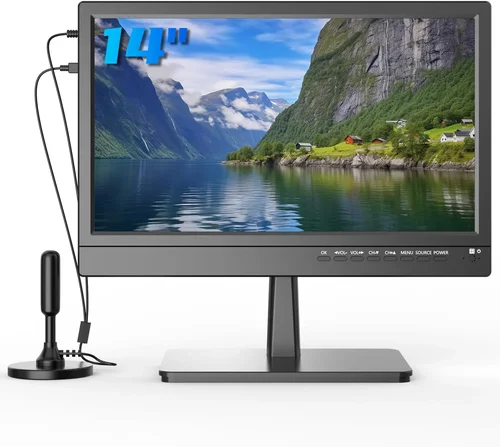
❌ Mistake: Buying an Indoor TV for Outdoor Use
Why it’s bad: Indoor TVs lack weatherproofing, have lower brightness, and aren’t designed to handle temperature extremes. Exposure to moisture or humidity can cause immediate damage, leading to costly repairs or replacements—and voiding any warranty.
What to do instead: Always choose a TV specifically rated for outdoor or semi-outdoor use. If budget is tight, pair a high-brightness indoor TV with a certified outdoor enclosure, but never leave an indoor model exposed.
❌ Mistake: Ignoring Sunlight and Glare
Why it’s bad: Even on overcast days, ambient light can render an indoor TV unwatchable outdoors. A dim screen with reflective glass makes it impossible to see details, especially during daytime viewing.
What to do instead: Prioritize TVs with at least 700 nits brightness and anti-reflective coatings. Test potential models in similar lighting conditions if possible, or read detailed reviews that address daylight performance.
❌ Mistake: Overlooking Audio Needs
Why it’s bad: Outdoor spaces absorb sound, making built-in TV speakers sound tinny or quiet. Relying solely on TV audio can ruin the viewing experience, especially for movies or sports with dynamic soundtracks.
What to do instead: Invest in weather-resistant outdoor speakers or a soundbar. Many outdoor TVs support Bluetooth or optical audio outputs for easy integration. Consider wireless options to avoid running cables across your patio.
❌ Mistake: Choosing the Wrong Size
Why it’s bad: A TV that’s too large can overwhelm a small patio and cause eye strain at close range. Conversely, a screen that’s too small defeats the purpose of outdoor entertainment.
What to do instead: Measure your seating distance and use the 1.5–2.5x screen size rule. For patios under 10 feet wide, 43–55 inches is usually ideal. Also, consider the TV’s bezel size—slim bezels maximize screen real estate without increasing overall dimensions.
❌ Mistake: Skimping on Mounting Hardware
Why it’s bad: Using indoor mounts or DIY solutions outdoors can lead to instability, corrosion, or even the TV falling—posing safety risks and potential damage.
What to do instead: Purchase a mount specifically rated for outdoor use and your TV’s weight/size. Ensure it’s made of rust-resistant materials like powder-coated steel or aluminum. When in doubt, hire a professional installer.
❌ Mistake: Neglecting Cable Management
Why it’s bad: Exposed cables are unsightly, trip hazards, and vulnerable to weather damage. They can also interfere with Wi-Fi signals or attract pests.
What to do instead: Use outdoor-rated conduit, cable raceways, or in-wall cable management kits. Choose a TV with rear cable channels or a hidden compartment. Label cables for easy identification during future maintenance.
❌ Mistake: Not Checking Return Policies
Why it’s bad: Outdoor TVs are expensive, and what looks good online may not suit your space or expectations. Without a flexible return policy, you could be stuck with a costly mistake.
What to do instead: Buy from retailers with at least a 30-day return window and clear terms for outdoor electronics. Some brands offer trial periods or satisfaction guarantees—take advantage of these when available.
Budget Guidelines: How Much Should You Spend?
Outdoor TVs represent a significant investment, but pricing varies widely based on features, durability, and brand. Here’s a realistic breakdown to help you plan:
Entry-Level ($500–$1,000): This tier includes semi-outdoor models or indoor TVs paired with basic enclosures. Expect brightness around 500–700 nits, limited weather resistance (suitable only for fully covered areas), and standard smart features. Ideal for occasional use on screened porches or shaded patios. Brands like Vizio or TCL offer decent indoor TVs that can work with third-party enclosures, but durability is lower.
Mid-Range ($1,000–$2,500): The sweet spot for most small patio owners. These TVs typically offer 700–1,000 nits brightness, IP55 weather resistance, and reliable smart platforms. Models from SunBriteTV’s Veranda series or Samsung’s The Terrace (smaller sizes) fall here. You’ll get better build quality, improved audio, and longer warranties—making this range ideal for regular outdoor entertainment.
Premium ($2,500–$4,000): Designed for enthusiasts and those in harsh climates. Expect 1,000+ nits brightness, IP65/66 ratings, fanless cooling, and premium materials. These TVs handle direct sun, heavy rain, and temperature swings with ease. Brands like SunBriteTV (Signature and Pro series) and Seura dominate this space. Perfect for uncovered patios, pool decks, or coastal homes.
Luxury ($4,000+): Top-tier models with cutting-edge features like 4K HDR, ultra-thin designs, integrated sound systems, and custom finishes. Some include motorized mounts or built-in heaters for cold climates. These are overkill for most small patios but ideal for luxury outdoor theaters or high-end homes where aesthetics and performance are paramount.
Expert Tips for Getting the Best Deal
- Shop During Off-Seasons: The best deals on outdoor TVs occur in late fall and winter (November–February), when demand drops. Retailers often discount previous-year models to clear inventory. Avoid spring and summer, when prices peak due to patio season.
- Compare Bundled Packages: Many retailers offer TV + mount + installation bundles at a discount. These can save $200–$500 compared to buying separately. Check SunBriteTV, Best Buy, or specialty outdoor electronics stores for promotions.
- Read Long-Term User Reviews: Professional reviews are helpful, but real-world feedback from owners after 6–12 months reveals durability issues, software updates, and customer service experiences. Focus on reviews mentioning weather performance and longevity.
- Consider Refurbished or Open-Box Models: Certified refurbished outdoor TVs from reputable sellers often come with full warranties and can cost 20–40% less. Just ensure they’re from the manufacturer or authorized dealers—not third-party resellers.
- Negotiate Installation Services: If hiring a pro, ask for package deals that include mounting, cable hiding, and setup. Some electricians or AV specialists offer discounts when bundling multiple services.
- Check for Local Rebates or Incentives: Some utility companies or green energy programs offer rebates for energy-efficient outdoor electronics. While rare, it’s worth a quick search—especially if your TV has ENERGY STAR certification.
- Test Before Committing: If possible, visit a showroom to see the TV in person. Pay attention to brightness, color accuracy, and remote responsiveness. Some stores even simulate outdoor lighting conditions.
- Prioritize Warranty Over Price: A slightly more expensive TV with a 3–5 year warranty is often a better long-term value than a cheaper model with minimal coverage. Outdoor environments are unforgiving—peace of mind matters.

Frequently Asked Questions
Q: Can I use a regular TV outdoors if it’s under a covered patio?
A: It depends on the coverage. If your patio is fully enclosed (screened or glassed-in) and protected from rain, wind, and direct sun, a high-brightness indoor TV might work short-term. However, humidity, temperature swings, and dust can still cause damage over time. For reliable, long-term use, invest in a semi-outdoor or fully weatherproof model designed for such conditions.
Q: How do I protect my outdoor TV from theft?
A: Use a lockable mount or security cable compatible with your TV model. Install motion-sensor lights or security cameras nearby. For permanent installations, consider embedding the mount into concrete or using tamper-resistant screws. Some high-end models also offer built-in security features like PIN locks or remote disabling.
Q: Do outdoor TVs consume more power than indoor ones?
A: Not necessarily. While outdoor TVs often have brighter backlights (which use more energy), many modern models use efficient LED panels and power-saving modes. Look for ENERGY STAR-certified outdoor TVs, which meet strict efficiency guidelines. In practice, the difference in monthly electricity cost is usually minimal—especially compared to the enjoyment gained.
Q: Can I leave my outdoor TV on during rain or snow?
A: Only if it’s rated for full outdoor use (IP65 or higher). Fully weatherproof models are designed to operate safely in rain, snow, and sleet. Semi-outdoor TVs should only be used under cover and powered off during storms. Always check the manufacturer’s guidelines—operating outside specified conditions voids the warranty.
Q: What’s the difference between SunBriteTV and Samsung The Terrace?
A: SunBriteTV specializes exclusively in outdoor TVs, offering ruggedized designs, higher brightness (up to 2,500 nits), and fanless cooling. Samsung’s The Terrace is a premium indoor TV adapted for outdoor use with a weather-resistant coating and high brightness (1,500 nits). SunBriteTV is generally more durable for harsh conditions, while Samsung offers sleeker aesthetics and deeper integration with smart home ecosystems.
Q: How often should I clean my outdoor TV?
A: Clean the screen and exterior every 1–2 months, or more frequently in dusty or pollen-heavy areas. Use a microfiber cloth and mild, non-abrasive cleaner. Avoid spraying liquid directly on the screen—apply it to the cloth first. Never use ammonia-based cleaners, as they can damage anti-reflective coatings.
Q: Can I stream content without Wi-Fi?
A: Most outdoor TVs require Wi-Fi or Ethernet for streaming. If your patio lacks internet access, consider a Wi-Fi extender, mesh network, or powerline adapter to boost signal. Alternatively, download content to a USB drive or use a mobile hotspot for temporary setups.
Q: Are outdoor TVs compatible with voice assistants?
A: Yes, most modern outdoor TVs support Alexa, Google Assistant, or Siri via built-in microphones or compatible remotes. You can control volume, change inputs, search content, or even adjust smart home devices hands-free—perfect for outdoor entertaining.
Q: What happens if my outdoor TV gets damaged by weather?
A: If it’s under warranty and the damage falls within covered conditions (e.g., rain ingress on an IP65 model), the manufacturer should repair or replace it. However, damage from misuse, flooding, or operating outside specified limits typically isn’t covered. Always document installation and follow care instructions to maintain warranty validity.
Q: Can I mount an outdoor TV on a pergola or lattice?
A: It depends on the structure’s strength. Pergolas must be securely anchored to the ground and capable of supporting the TV’s weight (often 50+ lbs). Consult a contractor or structural engineer before mounting. Lattice walls are usually too weak—opt for a freestanding mount or reinforce the structure first.
Our Final Recommendations
Best for Budget-Conscious Buyers: SunBriteTV Veranda Series (55-inch) – At around $1,800, this model offers excellent brightness (1,000 nits), IP55 rating, and reliable smart features. Ideal for covered patios and delivers strong value without breaking the bank.
Best Overall Value: Samsung The Terrace (55-inch) – Priced near $2,200, it combines stunning 4K HDR picture quality, 1,500-nit brightness, and seamless SmartThings integration. Sleek design and robust build make it perfect for stylish small patios.
Best Premium Option: SunBriteTV Pro Series (55-inch) – At $3,500+, this is built for extreme conditions with 2,500-nit brightness, IP66 rating, and fanless cooling. Ideal for uncovered decks, pool areas, or coastal homes where durability is non-negotiable.
Best for Beginners: Seura Outdoor TV (50-inch) – Known for its user-friendly interface and elegant design, Seura offers 1,000-nit brightness and IP55 protection. Great for first-time outdoor TV owners who want reliability and simplicity.
Best for Advanced Users: SunBriteTV Signature Series with Integrated Sound – This model includes built-in weather-resistant speakers, 4K HDR, and customizable mounting options. Perfect for tech-savvy users who want a complete, high-performance outdoor entertainment system.
Conclusion: Making the Right Choice
Choosing the best backyard TV for your small patio isn’t just about picking the shiniest screen—it’s about finding a balance between durability, visibility, size, and smart functionality that aligns with your lifestyle and environment. From understanding IP ratings and brightness requirements to avoiding common installation pitfalls, this guide has equipped you with the knowledge to make a confident, informed decision. Remember, your patio is an extension of your home, and the right TV can elevate every gathering, quiet evening, or solo relaxation session.
Prioritize your must-have features: if you live in a rainy climate, weather resistance is non-negotiable; if you love daytime viewing, brightness and anti-glare tech are essential. Don’t rush the process—take time to measure your space, compare models, and read real user experiences. And when you’re ready to buy, leverage seasonal sales, bundled deals, and strong warranties to maximize value.
Ultimately, the best outdoor TV is the one that lets you enjoy your favorite content comfortably, reliably, and beautifully—rain or shine. So go ahead, transform your small patio into an outdoor oasis, and start making memories under the open sky. Your perfect backyard entertainment setup is just a smart purchase away.

