
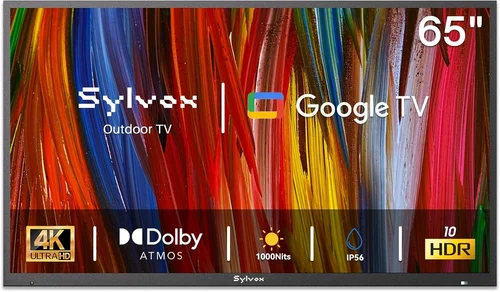
Outdoor living spaces have evolved dramatically over the past decade. What was once just a place for grilling and lounging has transformed into fully functional entertainment zones—complete with outdoor kitchens, fire pits, and yes, weatherproof televisions. Whether you’re hosting a summer barbecue, watching the big game under the stars, or simply relaxing on your covered patio with a movie, having a reliable outdoor TV can elevate your experience significantly. But here’s the catch: not all TVs are built to withstand the elements. Standard indoor models can warp, fog up, or short-circuit when exposed to humidity, rain, dust, or extreme temperatures. That’s where weatherproof TVs come in—designed specifically for outdoor use, they offer durability, clarity, and performance even in challenging conditions.
This comprehensive buying guide is designed to help you navigate the often-confusing world of budget-friendly weatherproof TVs for large patios. With so many options flooding the market—from ultra-cheap imitations to high-end models that cost as much as a used car—it’s easy to feel overwhelmed. Our goal is to cut through the noise and give you the knowledge, tools, and confidence to make an informed decision. You’ll learn what features truly matter, how to avoid common pitfalls, and how to stretch your dollar without sacrificing quality. Whether you’re working with a tight budget or just want to get the best value for your investment, this guide will walk you through every step of the process.
The market for outdoor TVs has grown rapidly, especially since 2020, as more homeowners invest in their outdoor spaces. However, “budget” doesn’t have to mean “low quality.” In fact, several manufacturers now offer surprisingly capable weatherproof TVs at accessible price points—often under $1,000 for a 55-inch model. These units may not have all the bells and whistles of premium outdoor displays, but they deliver solid performance, essential protection against the elements, and smart features that rival indoor models. From full-sun visibility to built-in anti-glare screens, from IP55-rated enclosures to fan-cooled internal systems, today’s budget weatherproof TVs are more advanced than ever. Let’s dive into what you need to know before making your purchase.

What to Look for When Buying Buying Guide
1. Budget & Price Range
When shopping for a budget weatherproof TV, it’s essential to define your spending limit early. While “budget” is relative, most buyers in this category are looking to spend between $600 and $1,500 for a 50- to 65-inch model. This range typically includes entry-level to mid-tier outdoor TVs that offer core weatherproofing features without premium extras like ultra-bright HDR or professional installation services. Sticking to a clear budget helps narrow your options and prevents feature creep—the tendency to keep adding “just one more thing” that pushes you beyond your financial comfort zone.
Keep in mind that the cheapest options (under $500) often cut corners on critical components like screen brightness, build materials, or thermal management. These TVs might look weatherproof on the outside but lack the internal engineering needed to handle real-world conditions. On the other hand, models above $1,500 usually include advanced features like 2,000+ nits brightness, full IP65 waterproofing, or custom mounting systems—great if you have the budget, but often overkill for a covered patio with partial sun exposure. Aim for the sweet spot: a TV that balances cost, durability, and performance for your specific environment.
2. Performance Specifications
Performance specs are where many budget buyers go wrong—they focus on size and price but overlook critical metrics like brightness, contrast ratio, and refresh rate. For outdoor use, brightness is arguably the most important spec. Measured in nits, a TV needs at least 700–800 nits to remain visible in direct sunlight. Anything below 500 nits will appear washed out, even on a cloudy day. Look for models that advertise “high brightness” or “sunlight-readable” displays—these are specifically engineered for outdoor visibility.
Contrast ratio matters too, especially for evening viewing. A higher contrast ratio (like 4000:1 or better) delivers deeper blacks and more vibrant colors, enhancing your movie or sports experience. Refresh rate (measured in Hz) affects motion smoothness—60Hz is standard and sufficient for most content, but 120Hz is ideal for fast-action sports or gaming. Also consider resolution: while 4K is now common even in budget models, ensure the TV supports HDR10 or Dolby Vision for richer color and dynamic range. Don’t forget audio—many outdoor TVs have weak built-in speakers, so plan to connect external soundbars or outdoor speakers for better sound quality.
3. Build Quality & Durability
A weatherproof TV isn’t just about the screen—it’s about the entire unit’s ability to resist moisture, dust, temperature swings, and UV exposure. The first thing to check is the Ingress Protection (IP) rating. For outdoor use, look for at least IP55, which means the TV is protected against dust and low-pressure water jets from any direction. Some budget models claim “weather-resistant” but lack an official IP rating—avoid these, as they offer no guarantee of real protection.
Materials matter too. The housing should be made of powder-coated aluminum or reinforced polymer, not thin plastic that can crack or fade. Internal components must be sealed to prevent condensation, and the screen should have an anti-reflective coating to reduce glare. Thermal management is another key factor: outdoor TVs generate heat, and without proper ventilation or cooling fans, internal parts can overheat and fail prematurely. Look for models with active cooling systems or heat-dissipating designs. Finally, consider the mounting hardware—ensure it’s rust-proof and rated for outdoor use. A flimsy mount can compromise the entire setup.
4. Features & Functionality
Modern budget weatherproof TVs come packed with smart features that rival indoor models. Most run on popular platforms like Android TV, Roku, or webOS, giving you access to streaming apps like Netflix, YouTube, and Disney+. Built-in Wi-Fi and Bluetooth are standard, allowing wireless connectivity for streaming and audio devices. Some models even include voice control via Google Assistant or Alexa, which is handy when your hands are full with snacks or drinks.
Connectivity is crucial for a large patio setup. Look for multiple HDMI ports (at least three), USB inputs, and an Ethernet port for wired internet if Wi-Fi is unreliable outdoors. ARC (Audio Return Channel) support lets you send audio to a soundbar or receiver without extra cables. If you plan to use gaming consoles or cable boxes, ensure the TV has low input lag (under 20ms) and supports HDMI 2.0 or higher for 4K/60Hz content. One underrated feature is the remote control—outdoor remotes should be backlit or glow-in-the-dark for nighttime use, and some models include a waterproof sleeve for added protection.
5. Brand Reputation
Not all brands are created equal when it comes to outdoor electronics. Stick with manufacturers known for reliability and customer support. Established names like Samsung, LG, and Sony offer premium outdoor models, but they’re often out of budget range. However, several lesser-known brands have carved out a niche in the affordable outdoor TV market with solid track records. Look for companies that specialize in outdoor displays, such as SunBriteTV (now part of Sylvane), Seura, or Avid Power. These brands understand the unique challenges of outdoor viewing and design their products accordingly.
Research customer feedback on forums like Reddit, Amazon, or specialized outdoor living communities. Pay attention to recurring issues—frequent complaints about screen fogging, poor Wi-Fi range, or short lifespans are red flags. Also check if the brand offers firmware updates, which can improve performance and security over time. A reputable brand will stand behind its product with clear documentation, responsive support, and transparent warranty terms. Avoid no-name brands sold exclusively through third-party Amazon sellers with no verifiable history—they often disappear after a few months, leaving you with no recourse if something goes wrong.
6. Warranty & Support
A strong warranty is your safety net when investing in outdoor electronics. Most budget weatherproof TVs come with a 1- to 2-year limited warranty, but the devil is in the details. Read the fine print: does it cover accidental damage, power surges, or moisture ingress? Some warranties exclude “acts of nature” or require professional installation to remain valid. Look for brands that offer at least a 2-year warranty with comprehensive coverage, including parts and labor.
Customer support is equally important. Can you reach a real person quickly? Is there a dedicated outdoor TV support line? Do they offer troubleshooting guides or video tutorials? A brand with poor support can turn a minor issue into a major headache. Check if the company provides online resources like setup videos, FAQs, or community forums. Also, consider extended warranty options—some retailers offer 3- or 5-year plans for an additional fee. While not always necessary, they can provide peace of mind, especially if you live in an area with harsh weather conditions.
7. Size & Viewing Distance
Choosing the right screen size for your large patio depends on how far viewers will be seated. A common rule of thumb is to multiply the viewing distance (in feet) by 0.84 to get the ideal screen size in inches. For example, if your seating area is 10 feet from the TV, a 55-inch screen (10 x 0.84 = 8.4, rounded to 55) is a good fit. For larger patios with seating 12–15 feet away, consider a 65-inch or 75-inch model for immersive viewing.
However, size isn’t everything. A massive screen in direct sunlight may still be unwatchable if it lacks sufficient brightness. Balance size with performance—sometimes a smaller, brighter TV is better than a larger, dimmer one. Also consider the TV’s bezel (frame) width: slim bezels create a more modern look and maximize screen real estate. If space is tight, look for ultra-thin models or those with VESA-compatible mounts for wall or ceiling installation. Finally, think about future-proofing: if you plan to expand your outdoor setup (e.g., adding a second TV or sound system), choose a model with flexible mounting and connectivity options.
8. User Reviews & Ratings
User reviews are one of the most valuable resources when buying a budget weatherproof TV. They provide real-world insights that specs sheets can’t match. Look for detailed reviews that mention specific conditions—how the TV performs in rain, heat, or direct sun. Pay attention to long-term feedback: a TV might work great for the first month but develop issues after six months of exposure. Amazon, Best Buy, and specialized outdoor tech sites often have verified purchase reviews that are more reliable than anonymous forum posts.
Use review aggregators like Trustpilot or the Better Business Bureau to check overall customer satisfaction. A product with a 4.5-star average and hundreds of reviews is generally safer than one with 5 stars from only five users. Watch out for fake reviews—these often use generic language, lack specifics, or appear in clusters. Genuine reviews will mention pros and cons, installation experiences, and comparisons to other models. If possible, watch video reviews on YouTube to see the TV in action outdoors. Seeing how it handles glare, color accuracy, and sound quality in real conditions can be more informative than any spec list.
Different Types of Buying Guide

Common Buying Mistakes to Avoid
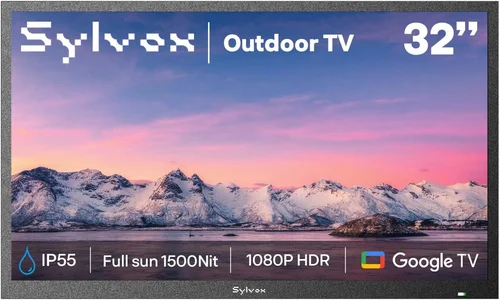
❌ Mistake: Buying a Standard Indoor TV and Putting It Outside
Why it’s bad: Indoor TVs are not designed to handle moisture, dust, or temperature changes. Even under a covered patio, condensation can form inside the screen, causing permanent damage. The internal electronics can corrode, and the screen may fog up or develop dead pixels. In extreme cases, the TV can short-circuit, posing a fire hazard.
What to do instead: Always choose a TV specifically rated for outdoor use. Look for models with an IP55 or higher rating, sealed components, and weather-resistant materials. If you’re on a tight budget, consider a partial-shade outdoor TV—it’s still engineered for outdoor conditions and far safer than an indoor model.
❌ Mistake: Ignoring Brightness (Nits) Ratings
Why it’s bad: A dim screen is unwatchable in daylight, no matter how large or expensive the TV. Many buyers focus on resolution or smart features but overlook brightness, leading to disappointment when they realize they can’t see the screen during the day.
What to do instead: Prioritize brightness—aim for at least 700 nits for partial shade and 1,500+ nits for full sun. Check the manufacturer’s specs carefully; some brands exaggerate brightness claims. Read user reviews to see how the TV performs in real outdoor conditions.
❌ Mistake: Overlooking Thermal Management
Why it’s bad: Outdoor TVs generate heat, and without proper cooling, internal components can overheat, leading to reduced lifespan or sudden failure. In hot climates, this is a major concern.
What to do instead: Choose a model with active cooling (fans) or passive heat dissipation (vented enclosures). Avoid fully sealed units without ventilation unless they’re specifically designed for extreme heat. Check if the TV has thermal sensors that adjust performance to prevent overheating.
❌ Mistake: Skimping on the Mount
Why it’s bad: A weak or indoor-rated mount can rust, bend, or fail, causing the TV to fall and potentially injure someone or damage property. Outdoor mounts must withstand wind, rain, and temperature changes.
What to do instead: Invest in a heavy-duty, rust-proof outdoor mount with a weight rating higher than your TV’s weight. Look for stainless steel hardware and weather-resistant coatings. Consider tilt or full-motion mounts for better viewing angles.
❌ Mistake: Not Checking Warranty Coverage
Why it’s bad: Outdoor electronics are more prone to failure due to environmental factors. A limited or voided warranty can leave you paying for repairs or replacements out of pocket.
What to do instead: Read the warranty terms carefully. Ensure it covers outdoor use, moisture damage, and power surges. Choose brands with at least a 2-year warranty and responsive customer support. Consider purchasing from retailers that offer extended protection plans.
❌ Mistake: Forgetting About Audio
Why it’s bad: Most outdoor TVs have weak built-in speakers that can’t compete with ambient noise like wind, traffic, or conversation. You’ll end up straining to hear dialogue or missing key moments in movies.
What to do instead: Plan for external audio from the start. Invest in weatherproof outdoor speakers or a soundbar. Look for TVs with ARC or optical audio outputs for easy connection. Some models even support Bluetooth audio for wireless setups.
❌ Mistake: Buying Based Solely on Price
Why it’s bad: The cheapest option often lacks essential features like proper weatherproofing, brightness, or durability. You may end up replacing it within a year, costing more in the long run.
What to do instead: Focus on value, not just price. Compare features, build quality, and user feedback across models in your budget range. A slightly more expensive TV with better specs and reliability is a smarter investment.
Budget Guidelines: How Much Should You Spend?
- Entry-Level ($500–$800): What to expect at this price point: basic weatherproofing (IP55), 50–55 inch screens, 700–800 nits brightness, standard 4K resolution, and limited smart features. These TVs are ideal for covered patios with minimal sun exposure. Brands like Avid Power and some off-brand models fall here. Expect plastic housings and basic remotes. Great for casual viewing but may struggle in bright conditions.
- Mid-Range ($800–$1,300): Sweet spot for most buyers. You’ll find 55–65 inch models with improved brightness (800–1,200 nits), better build quality (aluminum frames), enhanced smart platforms (Android TV or Roku), and multiple HDMI ports. Thermal management is usually included, and warranties are more robust. This range offers the best balance of performance, durability, and affordability for large patios.
- Premium ($1,300–$2,000): For enthusiasts and those with full-sun exposure. These TVs deliver 1,200–2,000+ nits brightness, anti-glare coatings, superior cooling systems, and premium materials. They often include voice control, advanced HDR support, and longer warranties. Ideal for open decks or south-facing patios where visibility is critical.
- Luxury ($2,000+): Top-tier features for professional-grade outdoor entertainment. Expect full IP65 waterproofing, heated/cooled enclosures for extreme climates, ultra-bright displays (2,500+ nits), and custom installation services. Brands like SunBriteTV and Seura dominate this space. These are overkill for most homeowners but perfect for luxury resorts, high-end homes, or commercial use.
Expert Tips for Getting the Best Deal
- Buy During Off-Season: The best time to purchase an outdoor TV is in late fall or winter (October–February). Retailers often discount outdoor electronics to clear inventory before the spring rush. You can save 15–30% compared to peak summer prices.
- Shop at Specialty Retailers: Stores like Sylvane, Crutchfield, or Outdoor Appliance Center specialize in outdoor electronics and often have better deals, expert advice, and bundled packages (TV + mount + speakers). They also offer price matching.
- Compare Online and In-Store: Check prices on Amazon, Best Buy, and manufacturer websites. Sometimes in-store pickup offers additional discounts or free installation. Use price-tracking tools like Honey or CamelCamelCamel to monitor fluctuations.
- Look for Refurbished or Open-Box Models: Certified refurbished TVs from reputable sellers come with warranties and can cost 20–40% less than new units. Open-box items (returned but unused) are another great way to save.
- Bundle with Accessories: Some retailers offer discounts when you buy a TV, mount, and sound system together. This can save you $100 or more compared to purchasing separately.
- Check for Rebates and Promotions: Manufacturers and utility companies sometimes offer rebates for energy-efficient outdoor electronics. Sign up for newsletters to get notified of flash sales or exclusive deals.
- Test Before You Buy (If Possible): If you’re shopping in-store, ask to see the TV powered on outdoors or in a bright showroom. Check for glare, color accuracy, and remote responsiveness. Online, watch unboxing and review videos to get a sense of real-world performance.
- Read the Return Policy: Ensure the retailer offers at least a 30-day return window with no restocking fees. Outdoor TVs can be tricky to install, and you may need to return it if it doesn’t meet your expectations.

Frequently Asked Questions
Q: Can I use a regular TV outdoors if it’s under a covered patio?
A: Technically, yes—but it’s not recommended. Even under cover, humidity, temperature swings, and dust can damage internal components over time. A weatherproof TV is specifically designed to handle these conditions and will last much longer.
Q: What’s the difference between IP55 and IP65?
A: IP55 protects against dust and low-pressure water jets, while IP65 offers complete dust protection and resistance to water projected from a nozzle. For most patios, IP55 is sufficient, but IP65 is better for open or rainy areas.
Q: Do outdoor TVs need special power outlets?
A: Not necessarily, but it’s wise to use a weatherproof outlet cover and a surge protector. Outdoor circuits should be GFCI-protected for safety. Avoid long extension cords, which can cause voltage drop.
Q: How long do budget outdoor TVs last?
A: With proper care, most budget models last 5–7 years. Factors like climate, usage frequency, and maintenance affect lifespan. Regular cleaning and avoiding extreme temperatures can extend it.
Q: Can I mount an outdoor TV on a brick or concrete wall?
A: Yes, but you’ll need a masonry mount and appropriate anchors. Consult a professional if you’re unsure—improper installation can damage the wall or cause the TV to fall.
Q: Do outdoor TVs work in the rain?
A: Weatherproof TVs are designed to withstand rain, but they’re not meant to be submerged. Avoid spraying them directly with high-pressure water. If heavy rain is common, consider a TV cover or awning.
Q: Are outdoor TVs energy-efficient?
A: Most modern outdoor TVs are ENERGY STAR certified and use similar power as indoor models. Brightness settings affect consumption—lower brightness saves energy.
Q: Can I use streaming devices like Roku or Fire Stick with an outdoor TV?
A: Yes, but ensure the device is protected from moisture. Use a weatherproof enclosure or place it indoors with an HDMI extender. Some outdoor TVs have built-in streaming, eliminating the need for external devices.
Q: What’s the best screen size for a 12-foot patio?
A: A 65-inch TV is ideal for a 12-foot viewing distance. It provides an immersive experience without overwhelming the space. For larger patios (15+ feet), consider 75 inches.
Q: Do I need a professional to install my outdoor TV?
A: It depends on the complexity. Simple wall mounts can be DIY, but ceiling mounts, wiring through walls, or masonry installations are best left to professionals. Many retailers offer installation services for an additional fee.
Our Final Recommendations
- Best for Budget-Conscious Buyers: Avid Power 55″ Partial-Shade Outdoor TV – At under $800, this model offers solid 800-nit brightness, IP55 rating, and Android TV functionality. Ideal for covered patios with limited sun exposure.
- Best Overall Value: Sylvane SunBriteTV Veranda Series 65″ – Priced around $1,200, it delivers 1,000 nits brightness, excellent build quality, and a user-friendly interface. A great balance of performance and price.
- Best Premium Option: Seura Shadow 75″ Full-Sun Outdoor TV – With 2,000+ nits brightness, anti-glare coating, and IP65 rating, this is the top choice for open patios. Priced at $1,800, it’s a worthwhile investment for serious outdoor entertainers.
- Best for Beginners: Roku Outdoor TV 55″ (by Element) – Simple setup, intuitive Roku interface, and reliable performance. Great for first-time outdoor TV owners who want ease of use.
- Best for Advanced Users: LG Outdoor Smart TV 65″ with webOS – Packed with smart features, voice control, and superior HDR support. Perfect for tech-savvy users who want a seamless connected experience.
Conclusion: Making the Right Choice
Choosing the right budget weatherproof TV for your large patio doesn’t have to be overwhelming. By focusing on key factors like brightness, build quality, and warranty, you can find a model that delivers excellent performance without breaking the bank. Remember, the goal isn’t to get the cheapest TV—it’s to get the best value for your specific needs and environment. Whether you’re watching movies under the stars or cheering on your favorite team, a well-chosen outdoor TV can transform your patio into a true entertainment destination.
Take the time to assess your space, define your budget, and read real user reviews. Avoid common pitfalls like ignoring brightness or skimping on the mount. And don’t forget to plan for audio—great picture deserves great sound. With the insights from this guide, you’re now equipped to make a confident, informed decision. Your perfect outdoor viewing experience is just a purchase away. Happy watching!

