
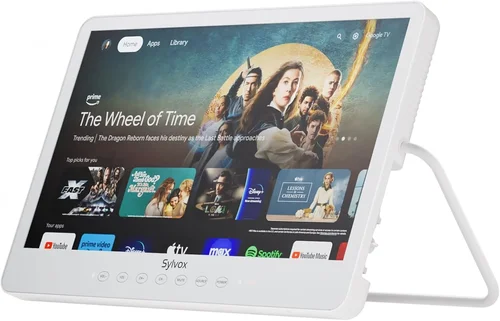
Outdoor living spaces have evolved far beyond simple patios and decks. Today’s homeowners are transforming backyards, pool areas, and covered porches into fully functional entertainment zones—complete with sound systems, lighting, and yes, televisions. But when it comes to mounting a TV outside, especially in humid climates like Florida, the Gulf Coast, or Southeast Asia, standard indoor models simply won’t cut it. The combination of moisture, temperature swings, salt air (if you’re near the coast), and constant exposure to the elements can quickly degrade even the most expensive consumer-grade screens. That’s where weatherproof TVs come in—and doing so on a budget makes the challenge even greater.
This comprehensive buyer’s guide is designed for anyone looking to enjoy high-quality outdoor viewing without breaking the bank—particularly in humid environments where corrosion, mold, and electrical failure are real risks. Whether you’re setting up a TV by the pool, under a pergola, or on a screened-in porch, you’ll learn exactly what to look for, what to avoid, and how to get the best value for your money. We’ll break down technical specs, compare product categories, highlight common pitfalls, and offer expert-backed recommendations based on real-world performance in high-humidity conditions. By the end, you’ll be equipped to make a smart, informed decision that balances affordability, durability, and picture quality.
The market for outdoor TVs has grown significantly in recent years, but it remains fragmented. While premium brands like SunBrite and Samsung offer top-tier weatherproof models, their prices often start at $2,000—well beyond the reach of budget-conscious buyers. Fortunately, several emerging brands and repurposed indoor models now offer viable alternatives under $1,000, especially when paired with proper enclosures or installed in semi-covered areas. However, not all “weatherproof” claims are created equal. Some manufacturers use misleading marketing, labeling TVs as “outdoor-ready” when they’re only suitable for mild, sheltered use. This guide cuts through the noise, focusing specifically on budget-friendly options that genuinely hold up in humid climates, so you don’t end up with a foggy screen or fried circuitry after your first summer storm.

What to Look for When Buying Buying Guide
1. IP Rating and Weatherproof Certification
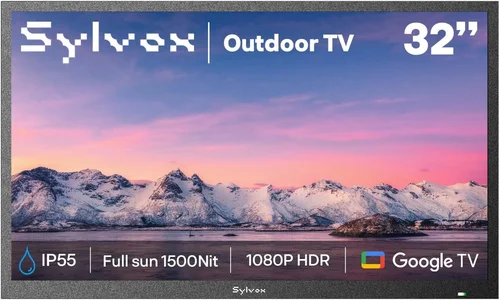
The Ingress Protection (IP) rating is your first line of defense when evaluating a TV’s ability to withstand humidity, rain, and dust. This two-digit code indicates how well a device resists solid particles (first digit) and liquids (second digit). For humid environments, focus primarily on the second digit—water resistance. An IP54 rating means the TV is protected against splashing water from any direction, while IP65 offers protection against low-pressure water jets. For coastal or tropical regions with frequent downpours, aim for at least IP55 or higher.
But here’s the catch: many budget “outdoor” TVs don’t carry official IP ratings because they’re modified indoor models housed in external enclosures. In these cases, look for third-party certifications like UL Listed for outdoor use or compliance with IEC 60529 standards. Also, check if the manufacturer specifies operating humidity ranges—ideally, the TV should function reliably between 20% and 90% relative humidity. Avoid models that only list “indoor use” in fine print, even if sold as outdoor-ready. A true weatherproof TV will have sealed ports, corrosion-resistant screws, and gaskets around the screen bezel to prevent moisture ingress.
2. Display Technology: LED vs. OLED vs. QLED
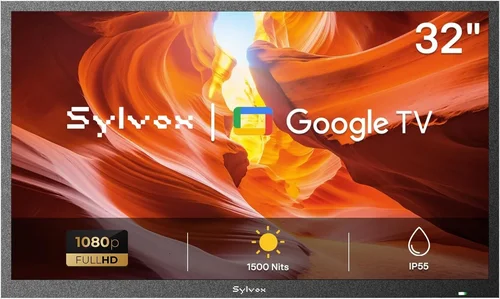
When shopping for a budget weatherproof TV, display technology plays a crucial role in both performance and longevity in humid conditions. Most affordable outdoor TVs use LED-LCD panels, which are cost-effective, energy-efficient, and perform well in bright environments—especially when paired with high brightness (measured in nits). Look for models with at least 700 nits of peak brightness; anything below 500 nits will struggle in direct sunlight or glare-heavy patios.
OLED TVs, while offering superior contrast and deeper blacks, are generally not recommended for outdoor use—even in budget-friendly enclosures—because they’re more susceptible to image retention and have shorter lifespans under constant high-brightness operation. QLED models (like those from Hisense or TCL) offer a middle ground: better color volume and brightness than standard LED-LCDs, often at competitive prices. However, ensure the QLED panel is housed in a fully sealed unit if used outdoors, as the quantum dot layer can degrade faster in high humidity if not properly protected.
For humid areas, prioritize TVs with anti-reflective coatings and wide viewing angles—features that enhance usability whether you’re lounging poolside or hosting a backyard movie night. Also, consider refresh rate: a 60Hz panel is sufficient for most casual viewing, but if you plan to stream sports or action content, opt for 120Hz if available within your budget.
3. Build Quality & Materials
A TV’s internal components matter, but so does its external construction. In humid climates, metal components can corrode, plastic housings can warp, and adhesives can fail over time. Look for TVs with powder-coated aluminum or stainless-steel frames, which resist rust and oxidation far better than standard steel or untreated plastics. The screen itself should be made of tempered glass with hydrophobic coatings to repel water droplets and reduce fogging.
Pay close attention to port covers and cable management. Budget models often skimp on sealing around HDMI, USB, and power inputs—prime entry points for moisture. Some manufacturers include rubber grommets or snap-on covers, but these can degrade over time. Ideally, choose a model where all ports are internally routed through a sealed compartment or require a separate weatherproof junction box. Also, check the mounting system: VESA-compatible brackets should be included or easily available, and the TV should support both portrait and landscape orientations if you plan to install it vertically (e.g., next to a grill or bar).
4. Operating Temperature and Humidity Range
Not all TVs are built to handle the extreme swings common in humid regions. Coastal Florida, for example, can see temperatures range from 50°F at night to over 95°F during the day, with humidity consistently above 70%. Your TV must operate reliably across this spectrum. Check the manufacturer’s specifications for both operating temperature (typically listed as °F or °C) and relative humidity tolerance.
Most budget weatherproof TVs are rated for 32°F to 104°F (0°C to 40°C), which covers most outdoor scenarios—but verify this before purchasing. Some cheaper models may shut down or display artifacts outside this range. Additionally, storage temperature matters if you plan to remove the TV during winter or hurricanes. A wider operating window (e.g., -4°F to 122°F) indicates better thermal management and component resilience.
Humidity tolerance is equally critical. While 80–90% RH is ideal, avoid models that specify “non-condensing” environments only—this means any dew or light mist could damage internal circuits. True outdoor-rated units are designed to handle condensation without short-circuiting.
5. Smart Features and Connectivity
Even on a budget, you’ll want a TV that integrates seamlessly with your existing setup. Most modern weatherproof TVs run on Android TV, Roku, or webOS platforms, giving you access to Netflix, YouTube, Disney+, and other streaming services. Ensure the OS is up-to-date and receives regular security patches—outdated firmware can expose your network to vulnerabilities, especially if the TV is connected via Wi-Fi in an open area.
Connectivity options matter too. Look for at least three HDMI ports (preferably HDMI 2.0 or higher for 4K/60Hz), USB-A for media playback, and optical audio out if you’re linking to an external soundbar or receiver. Built-in Wi-Fi (dual-band 2.4GHz/5GHz) is essential for streaming, but consider models with Ethernet ports for more stable connections in areas with weak wireless signals.
Voice control via Google Assistant or Alexa is a nice bonus, but not necessary for outdoor use. More importantly, check app compatibility—some budget brands use custom interfaces that lack support for popular streaming apps or require frequent reboots.
6. Warranty and Customer Support
Outdoor electronics are inherently more prone to failure than indoor ones, so warranty coverage is non-negotiable. Most reputable budget weatherproof TVs come with a 1–2 year limited warranty, but read the fine print carefully. Many exclude “environmental damage” unless the unit is installed according to strict guidelines (e.g., under full cover, no direct rain exposure).
Look for brands that offer extended warranties or service plans specifically for outdoor use. Also, assess customer support responsiveness—can you reach a human quickly? Are replacement parts (like seals or power adapters) readily available? Brands with U.S.-based support centers tend to resolve issues faster than those relying solely on overseas teams.
Avoid no-name brands sold exclusively through third-party Amazon sellers with no verifiable company address or contact info. If something goes wrong, you’ll have little recourse.
7. Size and Viewing Distance
Choosing the right screen size isn’t just about preference—it’s about practicality in outdoor spaces. A 32-inch TV might be perfect for a small balcony, but it’ll look tiny from 10 feet away by the pool. As a rule of thumb, multiply your viewing distance (in inches) by 0.84 to get the ideal diagonal screen size. For example, if you’re sitting 8 feet (96 inches) away, aim for an 80-inch TV—but that’s rarely feasible on a budget.
For most humid-area installations under $1,000, 43-inch to 55-inch models offer the best balance of price, visibility, and portability. Larger screens (65″+) in this price range often sacrifice brightness, color accuracy, or build quality. Also, consider weight: heavier TVs require sturdier mounts and may be harder to reposition seasonally.
If space is tight, ultra-thin bezel designs maximize screen real estate without increasing overall dimensions. Wall-mounting is usually the safest option in windy or storm-prone areas, but ensure your wall can support the TV’s weight—especially if using a full-motion articulating arm.
8. User Reviews and Real-World Performance
Spec sheets tell one story; real user experiences tell another. Before buying, scour verified purchase reviews on Amazon, Best Buy, and specialty outdoor electronics forums. Pay special attention to comments about long-term durability in humid climates. Phrases like “stopped working after 6 months in Miami” or “screen fogged up during rain” are red flags.
Look for patterns: if multiple users report the same issue (e.g., Wi-Fi dropping in high humidity), it’s likely a design flaw. Conversely, consistent praise for brightness, ease of installation, or resistance to salt air can signal a reliable product. Don’t rely solely on star ratings—read the text. A 4-star review that says “great picture but died in a thunderstorm” is more informative than a generic 5-star blurb.
Also, check if the manufacturer responds to negative reviews. Proactive customer service often indicates a company committed to standing behind its products.
Different Types of Buying Guide

Common Buying Mistakes to Avoid
❌ Mistake: Assuming All “Outdoor” TVs Are Created Equal
Why it’s bad: Many retailers label indoor TVs as “suitable for outdoor use” simply because they can be placed in a weatherproof box. These units lack proper thermal management, humidity-resistant coatings, or sealed circuitry, leading to premature failure in damp environments.
What to do instead: Verify that the TV is specifically engineered for outdoor installation—not just compatible with an enclosure. Look for terms like “fully sealed,” “condensation-proof,” or “designed for 24/7 outdoor operation.”
❌ Mistake: Ignoring Installation Location
Why it’s bad: Mounting a weatherproof TV in direct sunlight or uncovered areas increases heat buildup and UV exposure, which can degrade screen coatings and internal components—even in certified units.
What to do instead: Install the TV under a roof, pergola, or awning that provides shade and rain protection. Use a tilt mount to angle the screen away from direct sun and improve viewing comfort.
❌ Mistake: Overlooking Power and Cable Management
Why it’s bad: Exposed power cords and HDMI cables are vulnerable to water ingress, rodent damage, and tripping hazards. Poor cable routing also voids warranties on many outdoor TVs.
What to do instead: Run all cables through conduit or waterproof trunking. Use in-line surge protectors rated for outdoor use, and consider a smart plug for remote power cycling.
❌ Mistake: Skimping on Mounting Hardware
Why it’s bad: Cheap mounts may not support the TV’s weight in windy conditions or may rust quickly in humid air, risking collapse.
What to do instead: Invest in a marine-grade or powder-coated aluminum mount with a weight capacity 1.5x the TV’s actual weight. Anchor it securely to wall studs or concrete.
❌ Mistreeading Marketing Claims
Why it’s bad: Terms like “all-weather,” “storm-ready,” or “tropical-proof” are not regulated. A TV advertised as such may only survive light drizzle.
What to do instead: Demand concrete specs: IP rating, operating humidity, temperature range, and warranty terms. Cross-reference with independent reviews.
❌ Mistake: Neglecting Regular Maintenance
Why it’s bad: Even the best outdoor TVs require upkeep. Dust, pollen, and salt buildup can clog vents, reduce brightness, and trap moisture.
What to do instead: Clean the screen monthly with a microfiber cloth and mild cleaner. Inspect seals and ports quarterly for cracks or corrosion.
❌ Mistake: Buying Without a Return Policy
Why it’s bad: Outdoor TVs are harder to test before full installation. If the unit fails in humidity, you could be stuck with a useless product.
What to do instead: Only buy from retailers with at least a 30-day return window and clear policies covering environmental damage.
Budget Guidelines: How Much Should You Spend?
Entry-Level ($300–$500): At this price point, you’re typically looking at refurbished indoor TVs in basic enclosures or low-cost portable models. Expect smaller screens (32″–43″), modest brightness (400–600 nits), and limited smart features. These are best for covered patios with minimal direct exposure. Brands like Seiki or Westinghouse occasionally offer deals, but verify warranty coverage.
Mid-Range ($500–$800): This is the sweet spot for most buyers. You’ll find purpose-built outdoor TVs from brands like Element, Avue, or Mirage, offering 43″–55″ screens, 700+ nits brightness, IP54/IP55 ratings, and reliable smart platforms. These units handle humidity well and often include wall mounts. Ideal for semi-covered areas like screened porches or gazebos.
Premium ($800–$1,200): Here, you gain access to commercial-grade durability, wider operating ranges (-4°F to 122°F), and enhanced features like anti-glare coatings, wider viewing angles, and better audio. Models from SunBrite’s budget line or Samsung’s The Terrace (refurbished) fall here. Perfect for full-exposure installations or high-traffic areas.
Luxury ($1,200+): While beyond strict “budget” territory, these top-tier units (e.g., full SunBrite Veranda series) offer unparalleled resilience, 2,000+ nits brightness, and 3-year warranties. Only consider if you live in an extreme climate or need 24/7 reliability.
Expert Tips for Getting the Best Deal
1. Shop During Off-Season: Outdoor TV sales peak in spring and summer. Buy in late fall or winter (November–February) for discounts of 20–30%. Retailers clear inventory before new models launch.
2. Consider Refurbished Units: Certified refurbished outdoor TVs from reputable sellers (e.g., Best Buy Outlet, manufacturer websites) often come with full warranties and significant savings. Ensure they include original weatherproofing.
3. Bundle with Accessories: Some retailers offer package deals including mounts, cables, and enclosures. Compare total cost versus buying separately—bundles can save $100+.
4. Use Price Tracking Tools: Set alerts on CamelCamelCamel (for Amazon) or Honey to monitor price drops. Outdoor TVs rarely fluctuate daily, so patience pays off.
5. Check Local Regulations: In some coastal or HOA-governed areas, exterior electronics require permits. Factor in inspection or installation fees when budgeting.
6. Test Before Final Mounting: Power on the TV indoors first to verify picture quality, sound, and app functionality. Once mounted outdoors, returns become difficult.
7. Negotiate Extended Warranties: If buying in-store, ask if the warranty can be extended at a discount. Some brands offer free extensions during promotions.
8. Join Outdoor Living Forums: Communities like Reddit’s r/outdoortv or AVS Forum often share exclusive coupon codes or flash sale alerts.

Frequently Asked Questions
Q: Can I use a regular TV outdoors if it’s under cover?
A: Technically yes, but it’s risky. Indoor TVs lack proper ventilation for outdoor heat buildup and aren’t sealed against humidity. Even under cover, condensation can form overnight, leading to circuit damage. For reliable performance, invest in a true outdoor-rated model or a high-quality enclosure.
Q: How do I protect my outdoor TV from lightning?
A: Always use a UL-listed outdoor surge protector connected to a properly grounded outlet. For added safety, install a whole-house surge suppressor. Unplug the TV during severe storms if possible.
Q: Will my outdoor TV work in winter?
A: Most budget outdoor TVs operate down to 32°F. If temperatures drop below freezing, choose a model rated for colder climates or bring the TV indoors during winter months.
Q: Do I need special HDMI cables for outdoor use?
A: Standard HDMI cables work, but for runs over 25 feet, use high-speed, weather-resistant cables with gold-plated connectors to prevent corrosion.
Q: How often should I clean my outdoor TV?
A: Clean the screen every 2–4 weeks with a dry microfiber cloth. Avoid harsh chemicals—water and mild soap are sufficient. Inspect seals and vents monthly.
Q: Can I mount my outdoor TV on a brick wall?
A: Yes, but use masonry anchors rated for the TV’s weight. A solid brick or concrete wall provides excellent stability. Avoid veneer or faux brick.
Q: What’s the difference between IP54 and IP65?
A: IP54 protects against splashing water; IP65 protects against low-pressure water jets (like a garden hose). For rainy humid areas, IP65 is preferable.
Q: Are outdoor TVs louder than indoor ones?
A: Not necessarily. Many budget models have weak built-in speakers. Consider adding weatherproof outdoor speakers or a soundbar for better audio.
Q: Can I leave my outdoor TV on all the time?
A: Commercial-grade models are designed for 24/7 use, but most budget units are not. Limit continuous operation to 8–12 hours to extend lifespan.
Q: What if my TV fogs up inside the screen?
A: Internal fogging indicates a seal failure. Power off immediately and contact the manufacturer—this is usually covered under warranty if the unit is properly installed.
Our Final Recommendations
Best for Budget-Conscious Buyers: Element 43″ Outdoor LED TV (Model ELEFW433) – Priced under $600, this fully enclosed unit offers IP54 rating, 700 nits brightness, and Roku Smart TV platform. Ideal for covered patios in humid zones.
Best Overall Value: Avue 50″ 4K Ultra HD Outdoor TV – At $750, it delivers IP55 protection, 800 nits brightness, Android TV, and robust aluminum housing. Excellent balance of price and performance.
Best Premium Option: SunBrite Veranda Series 55″ (Refurbished) – Around $1,100 refurbished, this commercial-grade TV boasts 1,500 nits brightness, wide temp range, and 2-year warranty. Worth the splurge for full exposure.
Best for Beginners: TCL 43″ Class 4-Series + Peerless Outdoor Enclosure – Total under $500. Use a high-quality indoor TV in a sealed box for a DIY solution that’s easy to install and replace.
Best for Advanced Users: Mirage 65″ Pro Outdoor Display – At $1,200, it features modular design, serviceable components, and IP65 rating. Great for tech-savvy users who want customization and longevity.
Conclusion: Making the Right Choice
Choosing a budget weatherproof TV for a humid environment doesn’t have to mean sacrificing quality or peace of mind. By focusing on key factors like IP rating, build materials, operating range, and real-world user feedback, you can find a reliable, affordable solution that enhances your outdoor living space for years to come. Remember: the cheapest option isn’t always the most cost-effective if it fails after one season. Prioritize durability, proper installation, and ongoing maintenance to maximize your investment.
Start by assessing your specific needs—how exposed is your installation area? How often will you use the TV? What’s your absolute maximum budget? Then, use this guide to narrow down your options and avoid common pitfalls. Whether you’re watching sunset movies by the pool or catching the big game under the pergola, the right weatherproof TV will deliver crisp, vibrant entertainment without the worry of humidity-related headaches.
Don’t rush the decision. Take advantage of off-season sales, read the fine print, and when in doubt, lean toward slightly higher build quality over marginal feature upgrades. Your backyard deserves a setup that’s as resilient as it is enjoyable. With the insights from this guide, you’re now equipped to make a confident, informed purchase that brings indoor comfort to the great outdoors—rain or shine.

