
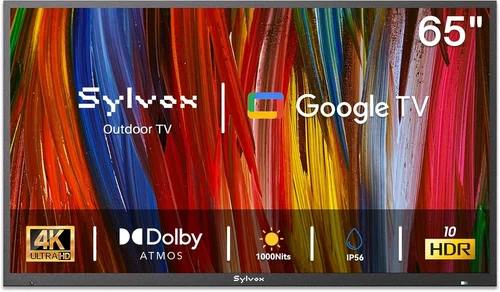
Outdoor living spaces have evolved far beyond simple patios and backyards. Today’s homeowners are transforming their decks, porches, and pool areas into fully functional entertainment zones—complete with outdoor kitchens, sound systems, and yes, even televisions. But bringing a TV outside isn’t as simple as mounting your living room set under a covered area. In hot climates—think Arizona, Texas, Florida, or Southern California—extreme heat, intense sunlight, humidity, and dust create a hostile environment for standard electronics. That’s where weatherproof TVs come in.
This comprehensive buying guide is designed to help you navigate the often-confusing world of outdoor televisions, specifically tailored for those living in or purchasing for hot climate regions. Whether you’re upgrading your backyard oasis or setting up a commercial outdoor viewing area, choosing the right weatherproof TV requires more than just picking the biggest screen at the best price. You need a display built to withstand relentless sun exposure, high ambient temperatures, and potential moisture—without sacrificing picture quality or smart functionality.
In this guide, we’ll break down everything you need to know before making your purchase. From understanding key performance specs like brightness and thermal management to comparing different types of outdoor TVs and avoiding common pitfalls, we’ve got you covered. We’ll also share expert tips on timing your purchase, maximizing value within your budget, and ensuring long-term durability. By the end, you’ll be equipped with the knowledge to confidently select a weatherproof TV that delivers stunning visuals, reliable operation, and years of enjoyment—even under the harshest summer skies.

What to Look for When Buying Buying Guide
1. Budget & Price Range
Setting a realistic budget is the foundation of any smart purchase—and outdoor TVs are no exception. Unlike indoor models, weatherproof televisions come with specialized engineering that drives up costs. Expect to pay significantly more than you would for an equivalent indoor TV of the same size and resolution. Prices typically start around $800 for basic 43-inch models and can exceed $5,000 for premium, large-format outdoor displays with advanced cooling systems and ultra-bright panels.
When determining your budget, consider not just the upfront cost but also long-term value. A cheaper model might save you money today but could fail prematurely in extreme heat, requiring costly replacement or repairs. Conversely, overspending on features you don’t need (like commercial-grade brightness for a shaded porch) is equally wasteful. Most homeowners find the sweet spot between $1,500 and $3,000, which offers excellent durability, solid smart features, and sufficient brightness for most outdoor settings.
2. Performance Specifications
Performance specs for outdoor TVs differ meaningfully from their indoor counterparts, primarily due to environmental challenges. The most critical spec for hot climates is brightness, measured in nits. Indoor TVs typically range from 300 to 600 nits, but outdoor models need at least 700–1,000 nits to remain visible in direct sunlight. Premium outdoor TVs boast 1,500–2,500 nits, ensuring crisp, glare-free viewing even at midday.
Next, consider resolution. While 4K UHD is now standard across most price ranges, ensure the panel uses full-array local dimming or high-quality IPS/OLED technology to maintain color accuracy and contrast in bright conditions. Refresh rate matters too—look for at least 60Hz, though 120Hz is ideal for sports and fast-action content. HDR support (HDR10, HLG, or Dolby Vision) enhances dynamic range, making skies pop and shadows detail-rich—even outdoors.
Thermal performance is another hidden but vital spec. High ambient temperatures can cause standard TVs to overheat and shut down. Quality weatherproof models include active cooling systems—such as internal fans or heat-dissipating chassis designs—that keep internal components below safe operating thresholds. Check manufacturer specs for operating temperature ranges; look for units rated for 104°F (40°C) or higher.
3. Build Quality & Durability
Durability isn’t optional—it’s essential. A weatherproof TV must resist not only heat but also UV radiation, dust, insects, and occasional rain or splashes. The enclosure should be constructed from marine-grade aluminum or powder-coated steel, both of which resist corrosion and fading. Avoid plastic housings, which can warp or become brittle under constant sun exposure.
Look for an IP (Ingress Protection) rating of at least IP55, which means the TV is protected against dust ingress and low-pressure water jets from any direction. For poolside or coastal installations, IP65 or higher is preferable. Additionally, all ports and connectors should be sealed with rubber gaskets or covered by protective flaps.
The screen itself should feature an anti-reflective coating to minimize glare and improve visibility. Some high-end models include laminated glass or acrylic shields that also protect against scratches and impacts. Internally, components like capacitors and circuit boards should be conformal-coated to prevent moisture damage.
Real-World Example:
Imagine installing a TV on a west-facing patio in Phoenix, where afternoon sun hits directly. Without proper UV shielding and thermal management, the screen could yellow within a year, and the processor might throttle performance or fail entirely during heatwaves. A well-built unit avoids these issues entirely.
4. Features & Functionality
Modern outdoor TVs aren’t just rugged—they’re smart. Most mid-to-high-tier models run on popular platforms like Android TV, webOS, or Roku, giving you access to streaming services, voice assistants, and app ecosystems. Ensure the interface remains responsive even in high temperatures; some cheaper models slow down or lag when overheating.
Connectivity is crucial. Look for multiple HDMI ports (preferably HDMI 2.0 or 2.1 for 4K/60Hz), USB inputs, Wi-Fi 6 support, and Bluetooth. If you plan to connect a soundbar or external speakers, verify audio output options like optical or ARC. For commercial setups, RS-232 or IP control may be necessary for integration with automation systems.
Don’t overlook remote control design. Standard remotes can melt or degrade outdoors. Many weatherproof TVs include ruggedized, sun-resistant remotes with backlighting for evening use. Alternatively, consider using a smartphone app for control—just ensure it works reliably over your home network.
5. Brand Reputation
Not all outdoor TV brands are created equal. Stick with manufacturers that specialize in or have a proven track record with outdoor displays. Established names like SunBriteTV, Samsung (The Terrace), LG (Outdoor OLED), and Seura offer rigorous testing, reliable customer support, and transparent specifications. These companies often publish detailed environmental test reports and real-world usage data.
Avoid generic or “off-brand” outdoor TVs sold through third-party Amazon sellers or discount retailers. These may use repurposed indoor panels in DIY enclosures, lacking proper thermal regulation or warranty coverage. While they might seem like a bargain, they frequently fail within 1–2 years in hot climates.
Research customer feedback on forums like AVS Forum or Reddit’s r/outdoortv, where users share long-term experiences. Pay attention to comments about summer performance, service responsiveness, and build quality. A brand with consistent positive reviews over several years is far more trustworthy than one with flashy marketing but sparse user data.
6. Warranty & Support
Outdoor electronics face harsher conditions than indoor gear, so robust warranty coverage is non-negotiable. Look for at least a 2-year manufacturer warranty, with some premium brands offering 3–5 years. Importantly, confirm that the warranty explicitly covers outdoor use—some policies void coverage if the TV is installed outside, even if marketed as “weatherproof.”
Check what the warranty includes: Does it cover labor? Replacement parts? On-site service? For commercial installations, on-site support can save days of downtime. Also, verify whether the warranty is transferable—this adds value if you sell your home.
Customer support responsiveness matters too. Can you reach a human quickly? Is there a dedicated outdoor TV support line? Brands like SunBriteTV offer U.S.-based technical assistance, while others rely on overseas call centers with limited expertise.
7. Size & Viewing Distance
Choosing the right screen size depends on your seating arrangement and ambient lighting. For outdoor spaces, larger is generally better—but only up to a point. A 55-inch TV is ideal for viewing distances of 7–10 feet, while a 65-inch model suits 9–12 feet. Go bigger (75″+) only if you have ample space and plan to watch from 12+ feet away.
However, in bright environments, perceived image quality diminishes with distance. If your seating is far from the screen, prioritize higher brightness and resolution over sheer size. Also, consider viewing angles: OLED and high-end IPS panels maintain color and contrast even when viewed off-axis—important for group gatherings.
Portability is rarely a concern for permanent outdoor installations, but if you need a movable unit (e.g., for a rental property or event space), look for models with integrated handles or lightweight frames. Just remember: true weatherproofing adds weight, so even “portable” outdoor TVs are heavier than indoor equivalents.
8. User Reviews & Ratings
Never rely solely on manufacturer claims. Real user reviews reveal how a TV performs under actual conditions—especially in hot climates. Focus on verified purchases and detailed reviews that mention specific environments (e.g., “installed in Las Vegas,” “pool deck in Miami”).
Look for patterns: Do multiple users report overheating in summer? Is the remote durable? How’s the app connectivity? Be wary of reviews that are overly generic (“Great TV!”) or seem incentivized. Sites like Wirecutter, CNET, and specialized outdoor tech blogs often provide balanced, hands-on testing.
Also, check return rates and complaint trends on platforms like the Better Business Bureau. A high volume of unresolved issues related to heat damage or premature failure is a red flag—even if the product has a high average rating.
Different Types of Buying Guide

Common Buying Mistakes to Avoid
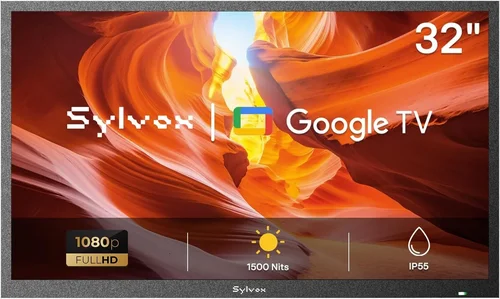
❌ Mistake: Buying an Indoor TV for Outdoor Use
Why it’s bad: Indoor TVs lack thermal regulation, UV protection, and weather sealing. In hot climates, they will overheat, suffer screen burn-in, or fail completely within months. Even under cover, ambient heat buildup can exceed safe operating limits.
What to do instead: Invest in a purpose-built outdoor TV or use a certified outdoor enclosure. Never assume “it’s just under the roof” is enough—heat radiates and accumulates.
❌ Mistake: Ignoring Brightness Requirements
Why it’s bad: A dim screen turns your outdoor movie night into a squinting contest. Most indoor TVs are too dark for daylight viewing, resulting in washed-out images and poor contrast.
What to do instead: Choose a model with at least 1,000 nits for partial shade and 1,500+ nits for direct sun exposure. Test brightness specs—not just marketing claims.
❌ Mistake: Overlooking Thermal Management
Why it’s bad: Without active cooling, internal components degrade faster in high heat. You may experience random shutdowns, reduced lifespan, or permanent damage during summer peaks.
What to do instead: Verify the TV has built-in fans, heat sinks, or passive cooling designed for outdoor use. Check operating temperature specs—aim for 104°F (40°C) or higher.
❌ Mistake: Skimping on Installation
Why it’s bad: Improper mounting can lead to water intrusion, structural failure, or electrical hazards. DIY jobs often miss critical sealing steps.
What to do instead: Hire a certified installer familiar with outdoor AV setups. Ensure all cables are routed through conduit, mounts are rated for outdoor use, and the TV is tilted slightly to shed water.
❌ Mistake: Choosing Based on Size Alone
Why it’s bad: A giant screen looks impressive but may be unwatchable if too bright, too dim, or poorly positioned. Oversized TVs also cost more and consume more power.
What to do instead: Match screen size to viewing distance and ambient light. Use online calculators, and prioritize image quality over diagonal inches.
❌ Mistake: Neglecting Warranty Details
Why it’s bad: Many warranties exclude outdoor use or have hidden clauses. You could be stuck with a dead TV and no recourse.
What to do instead: Read the fine print. Confirm the warranty covers outdoor installation, heat-related failures, and includes labor. Prefer brands with transparent, transferable policies.
❌ Mistake: Forgetting About Audio
Why it’s bad: Outdoor acoustics are unpredictable. Built-in TV speakers often sound tinny and get drowned out by wind or pool noise.
What to do instead: Plan for external weatherproof speakers or a soundbar. Many outdoor TVs support wireless audio output—use it.
Budget Guidelines: How Much Should You Spend?
Outdoor TV pricing reflects engineering complexity, not just screen size. Here’s how to allocate your budget based on needs and climate severity:
- Entry-Level ($800 – $1,500): Suitable for fully covered, shaded areas with minimal direct sun. Look for partial-weather models with 700–1,000 nits brightness and basic smart features. Expect simpler cooling and shorter warranties (1–2 years). Best for occasional use in mild microclimates.
- Mid-Range ($1,500 – $3,000): The sweet spot for most homeowners in hot climates. These TVs offer 1,000–1,500 nits, robust enclosures (IP55+), active cooling, and reliable smart platforms. Ideal for patios, pergolas, and pool decks with partial exposure. Brands like SunBriteTV Veranda and Samsung The Terrace (smaller sizes) fit here.
- Premium ($3,000 – $5,000): For enthusiasts and those in extreme heat zones. Features include 1,500–2,500 nits brightness, commercial-grade materials, extended warranties (3–5 years), and advanced HDR. Perfect for west-facing installations or commercial use. Models like SunBriteTV Pro Series or LG Outdoor OLED fall into this tier.
- Luxury ($5,000+): Top-tier solutions for luxury homes, resorts, or 24/7 operations. These include ultra-bright panels (2,500+ nits), redundant cooling systems, modular designs, and full-service support. Often customizable for unique installations.
Expert Tips for Getting the Best Deal
- Buy During Off-Seasons: Retailers discount outdoor TVs in late fall and winter (October–February) when demand drops. You can save 15–25% compared to spring/summer peaks.
- Shop Authorized Dealers: Avoid third-party sellers on marketplaces. Buy directly from brand websites or authorized resellers (e.g., Crutchfield, Abt, Best Buy Pro) to ensure warranty validity and authentic products.
- Bundle with Accessories: Some retailers offer discounts when you purchase mounts, speakers, or extended warranties together. Ask about package deals.
- Check for Rebates: Utility companies in hot states (like Arizona or Texas) sometimes offer rebates for energy-efficient outdoor electronics. LG and Samsung have participated in such programs.
- Negotiate Installation: If hiring a pro, bundle TV purchase and installation for a discount. Many AV integrators offer package pricing.
- Test Before Finalizing: If possible, view the TV in person under bright lighting. Check for glare, color accuracy, and remote responsiveness.
- Read Return Policies: Ensure you have at least 30 days to return if the TV doesn’t perform as expected. Some outdoor units can’t be returned once installed.
- Consider Refurbished Models: Certified refurbished outdoor TVs from reputable brands often come with full warranties and significant savings (20–30% off).

Frequently Asked Questions
Q: Can I use a regular TV outdoors if it’s under cover?
A: Technically yes—but it’s risky and not recommended for hot climates. Even under cover, ambient temperatures can exceed 110°F in summer, causing overheating and premature failure. Additionally, humidity, dust, and UV exposure degrade components over time. For reliable, long-term use, invest in a purpose-built outdoor TV.
Q: How do outdoor TVs stay cool in extreme heat?
A: Quality outdoor TVs use active cooling systems like internal fans, heat pipes, or vapor chambers to dissipate heat. They’re designed with airflow channels and thermal sensors that adjust performance to prevent overheating. Never block ventilation ports during installation.
Q: Do outdoor TVs need special mounts?
A: Yes. Use mounts rated for outdoor use—typically made of corrosion-resistant materials like stainless steel or powder-coated aluminum. Tilt mounts are preferred to allow water runoff. Ensure the mount supports the TV’s weight and VESA pattern.
Q: Will an outdoor TV work in the rain?
A: Fully weatherproof models (IP55 or higher) can withstand rain, splashes, and humidity. However, avoid direct high-pressure water jets (like power washers). For pool areas, choose IP65-rated units.
Q: Can I leave my outdoor TV on all day in summer?
A: Most consumer-grade outdoor TVs are designed for intermittent use (6–8 hours/day). Commercial models support 24/7 operation. Continuous use in extreme heat may reduce lifespan—consider using a timer or smart plug to limit runtime.
Q: Are outdoor TVs energy efficient?
A: Modern outdoor TVs use LED backlighting and efficient processors, but higher brightness increases power draw. Look for ENERGY STAR certification or check wattage specs. A 65-inch outdoor TV typically consumes 150–300 watts under full brightness.
Q: What’s the difference between “all-weather” and “partial-weather” TVs?
A: All-weather TVs are fully sealed and rated for direct exposure to sun, rain, and dust (IP55+). Partial-weather models are intended for covered areas only and offer less protection. Using a partial-weather TV in direct sun voids most warranties.
Q: How long do outdoor TVs last?
A: With proper installation and maintenance, quality outdoor TVs last 5–8 years—sometimes longer. Factors like climate severity, usage frequency, and build quality greatly influence lifespan.
Q: Can I connect streaming devices like Apple TV or Roku?
A: Yes, most outdoor TVs have HDMI ports for external devices. However, ensure the streaming box is also protected from heat and moisture—consider placing it in a weatherproof media enclosure nearby.
Q: Do outdoor TVs come with built-in antennas?
A: Some models include ATSC 3.0 tuners for over-the-air broadcasts, but reception depends on your location and antenna placement. For best results, use an outdoor HDTV antenna connected via coaxial cable.
Our Final Recommendations
- Best for Budget-Conscious Buyers: SunBriteTV Veranda Series (55″) – Around $1,800. Excellent balance of brightness (1,000 nits), durability (IP55), and smart features. Ideal for covered patios in hot climates.
- Best Overall Value: Samsung The Terrace (65″) – Priced near $2,700. Gorgeous QLED display, 1,500 nits brightness, and robust build. Great for partial sun exposure and delivers vibrant colors even at noon.
- Best Premium Option: SunBriteTV Pro Series (75″) – Approximately $4,500. Built for extreme conditions with 2,000+ nits, military-grade materials, and 5-year warranty. Perfect for desert or coastal installations.
- Best for Beginners: Seura Outdoor TV (50″) – About $2,200. User-friendly interface, reliable performance, and strong customer support. Easy to install and ideal for first-time outdoor TV owners.
- Best for Advanced Users: LG Outdoor OLED (65″) – Near $4,000. Unmatched contrast and color accuracy, with self-cooling OLED technology. Best for those who prioritize cinematic quality in their outdoor space.
Conclusion: Making the Right Choice
Choosing a weatherproof TV for a hot climate isn’t just about surviving the elements—it’s about thriving in them. The right outdoor television transforms your backyard into a year-round entertainment hub, where family movie nights, sports watch parties, and sunset cocktails are enhanced by stunning visuals and reliable performance. But this experience hinges on making informed decisions based on your specific environment, usage patterns, and budget.
Throughout this guide, we’ve emphasized that durability, brightness, thermal management, and proper installation are non-negotiable in hot climates. Cutting corners may save money upfront, but it often leads to frustration, frequent replacements, and missed moments. Instead, prioritize quality construction, verified performance specs, and reputable brands with strong warranties. Remember: an outdoor TV is a long-term investment in your lifestyle.
As you move forward, take time to assess your space. Is it fully exposed or partially shaded? How far will viewers sit? What’s your typical usage schedule? Answering these questions will help you narrow down the ideal type, size, and feature set. And don’t hesitate to consult professionals—especially for mounting and wiring—to ensure safety and longevity.
Finally, keep an eye on emerging technologies. The outdoor TV market is evolving rapidly, with improvements in energy efficiency, AI-enhanced brightness adjustment, and even solar integration on the horizon. By staying informed and choosing wisely today, you’ll enjoy crystal-clear viewing under the sun for years to come.
So go ahead—mount that TV, fire up your favorite show, and soak in the sunshine. With the right weatherproof television, every day feels like a perfect outdoor cinema night.

