
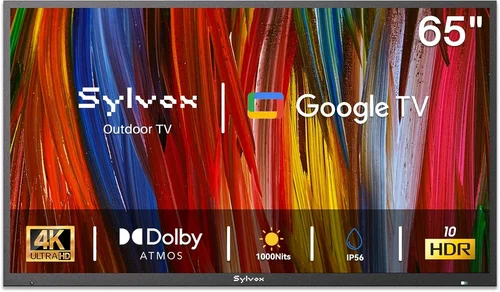
Outdoor living has evolved dramatically over the past decade. What was once limited to grilling, lounging, and casual conversation now often includes streaming your favorite shows, watching live sports, or hosting movie nights under the stars. For many homeowners in hot climates—whether in Arizona, Texas, Florida, or Southern California—a patio TV isn’t just a luxury; it’s a way to extend indoor comfort into the great outdoors. But here’s the catch: not all TVs are built to handle the heat, humidity, direct sunlight, and temperature swings typical of outdoor environments. Standard indoor TVs can overheat, suffer screen glare, or even fail prematurely when exposed to these conditions.
That’s where this guide comes in. Whether you’re setting up a cozy backyard entertainment zone or transforming your covered patio into a full-fledged outdoor living room, choosing the right budget-friendly TV for hot climates requires careful consideration. You don’t need to break the bank to get a reliable, high-performing outdoor display—but you do need to know what to look for. In this comprehensive buying guide, we’ll walk you through every critical factor, from brightness and durability to smart features and warranty coverage. We’ll also debunk common myths, highlight frequent mistakes, and provide real-world recommendations based on performance, value, and climate resilience.
The market for outdoor TVs has grown significantly, with more brands offering weather-resistant models at increasingly accessible price points. However, “budget” doesn’t have to mean “compromised.” Many affordable options now deliver excellent picture quality, robust build materials, and smart functionality—all while standing up to intense sun and heat. Our goal is to help you navigate this expanding landscape with confidence, so you can enjoy your favorite content outdoors without worrying about premature failure or poor visibility. By the end of this guide, you’ll know exactly how to balance cost, performance, and longevity—even in the harshest summer conditions.

What to Look for When Buying Buying Guide
1. Brightness & Sunlight Readability
One of the most critical factors for any outdoor TV—especially in hot, sunny climates—is brightness. Indoor TVs typically range from 200 to 400 nits (a unit measuring screen luminance), which is fine for dimly lit living rooms but utterly inadequate under direct sunlight. On a bright patio, even 500 nits may struggle. For outdoor use, especially in uncovered or partially shaded areas, you’ll want a minimum of 700 nits, with 1,000+ nits being ideal for full sun exposure.
Look for TVs specifically marketed as “high-brightness” or “sunlight-readable.” These models use advanced backlighting (often LED or QLED) and anti-glare coatings to maintain visibility. Some budget-friendly outdoor TVs now incorporate quantum dot technology, which enhances color vibrancy and brightness without drastically increasing power consumption. Avoid standard indoor TVs placed in outdoor enclosures unless the enclosure is specifically designed to amplify brightness—most aren’t.
2. Heat Resistance & Thermal Management
Hot climates pose a serious threat to electronic components. Most consumer electronics are rated for ambient temperatures between 50°F and 95°F (10°C to 35°C). Exceed that range—common in summer patios where temperatures can soar above 110°F (43°C)—and you risk overheating, reduced lifespan, or sudden shutdowns. A quality outdoor TV must have built-in thermal management systems.
Look for models with passive cooling (heat sinks, ventilated casings) or active cooling (quiet internal fans). Avoid sealed enclosures without airflow unless they’re specifically rated for extreme heat. Some budget outdoor TVs now include temperature sensors that automatically adjust brightness or power usage to prevent overheating. Also, check the operating temperature range listed in the specs—ideally, it should be 32°F to 122°F (0°C to 50°C) or higher.
Placement matters too. Never mount a TV in direct, unshaded sunlight if it lacks high heat tolerance. Even with a weather-resistant model, consider installing it under an eave, pergola, or awning to reduce thermal stress.
3. Weather Resistance & IP Rating
While “weather-resistant” sounds reassuring, it’s not a standardized term. Always check the Ingress Protection (IP) rating. This two-digit code indicates resistance to dust and water. For outdoor TVs, an IP55 or higher is essential. IP55 means the TV is protected against dust (limited ingress) and low-pressure water jets from any direction—perfect for patios exposed to rain, sprinklers, or humidity.
Budget outdoor TVs often use sealed bezels, silicone gaskets, and corrosion-resistant materials (like aluminum or powder-coated steel) to achieve these ratings. Avoid models with exposed ports or vents unless they’re clearly labeled as weather-sealed. Also, note that IP ratings apply to the TV itself—not the remote or power adapter. You’ll need to protect those separately or choose a model with a weatherproof remote.
In coastal areas or regions with high humidity, look for additional corrosion protection, such as conformal coating on internal circuits. Salt air can degrade electronics faster than heat alone.
4. Display Technology: LED vs. QLED vs. OLED
Not all display types are equally suited for outdoor use. Here’s a quick breakdown:
- LED/LCD: Most common and affordable. With high brightness and good color accuracy, modern LED TVs are excellent for outdoor settings. Look for full-array local dimming (FALD) if available—it improves contrast in bright environments.
- QLED: A step up from standard LED, QLED uses quantum dots to boost brightness and color volume. Many budget QLED models now hit 1,000+ nits, making them ideal for sunny patios. They’re more energy-efficient than OLED and don’t suffer from burn-in.
- OLED: While stunning indoors with perfect blacks and wide viewing angles, OLED panels are generally not recommended for outdoor use. They’re more expensive, less bright (typically 600–800 nits max), and vulnerable to permanent image retention if static images (like logos) are displayed for long periods—common during sports or news broadcasts.
For budget-conscious buyers in hot climates, QLED or high-brightness LED offers the best balance of performance, durability, and cost.
5. Smart Features & Connectivity
Even on a budget, you’ll want a TV that supports modern streaming. Most outdoor TVs now come with built-in smart platforms like Google TV, Roku TV, or webOS. These allow direct access to Netflix, YouTube, Disney+, and more—no need for external streaming devices.
Check for:
- Wi-Fi 5 or Wi-Fi 6 support for stable streaming
- Multiple HDMI ports (at least 2–3) for gaming consoles, soundbars, or cable boxes
- USB ports for media playback
- Bluetooth for wireless audio
Beware of ultra-budget models that use outdated or sluggish operating systems. A TV that takes 30 seconds to load an app ruins the outdoor experience. Read user reviews to gauge real-world performance.
6. Size & Viewing Distance
Outdoor spaces often have longer viewing distances than indoor rooms. A 55-inch TV might feel small if you’re sitting 12 feet away. Use this rule of thumb: multiply your viewing distance (in inches) by 0.84 to get the ideal screen size in inches. For example, at 10 feet (120 inches), aim for a 100-inch screen—but that’s impractical for most patios.
Realistically, most outdoor setups work best with 50 to 75 inches. Larger screens improve immersion but require more power, better mounting, and higher brightness to remain visible. Also, consider the TV’s weight—outdoor mounts must support both the screen and potential wind load.
If space is tight, a 43- or 50-inch model may suffice, especially under cover. For larger decks or pool areas, 65 inches or more delivers a true cinematic feel.
7. Mounting & Installation Flexibility
How you mount your TV affects both safety and usability. Outdoor TVs should be installed on sturdy, weather-rated mounts—never on flimsy brackets or indoor stands. Look for VESA-compatible models (standard mounting patterns like 200×200 or 400×400) to ensure compatibility with most outdoor brackets.
Consider:
- Full-motion mounts: Allow tilting and swiveling—great for adjusting to sun angle or seating layout.
- Fixed mounts: More secure and less prone to wind vibration, ideal for permanent setups.
- Ceiling mounts: Useful for pergolas or covered patios with overhead beams.
Always hire a professional installer if you’re unsure about electrical wiring, structural support, or weather sealing around the mount. Water intrusion at the mounting point is a common cause of failure.
8. Warranty & Customer Support
Outdoor electronics face harsher conditions than indoor gear, so warranty coverage is crucial. Many budget outdoor TVs come with 1- to 2-year limited warranties, but some brands offer extended coverage for outdoor use. Avoid models with “indoor-only” warranties—even if used outdoors.
Check what the warranty covers:
- Screen defects
- Weather-related damage
- Thermal failure
- Remote or accessory replacement
Brands like SunBrite, Seura, and Samsung (with their outdoor-specific lines) often provide better support than generic manufacturers. Read warranty terms carefully—some exclude damage from “extreme environmental conditions” unless explicitly rated for them.
Different Types of Buying Guide

Common Buying Mistakes to Avoid
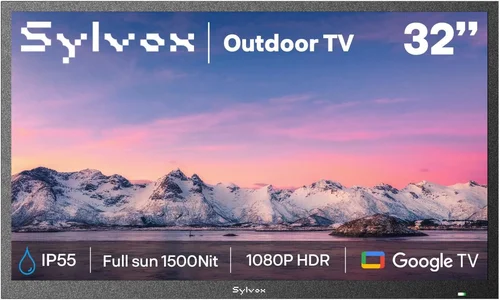
❌ Mistake: Buying a Standard Indoor TV for Outdoor Use
Why it’s bad: Indoor TVs lack weather sealing, high brightness, and thermal protection. Even in a covered patio, humidity, temperature swings, and dust can cause premature failure. Many indoor models will overheat or suffer screen burn-in within months.
What to do instead: Invest in a TV specifically designed for outdoor or partial-outdoor use. If budget is tight, pair a mid-range indoor TV with a certified outdoor enclosure—but only if the enclosure includes ventilation and UV protection.
❌ Mistake: Ignoring Brightness Specs
Why it’s bad: A dim screen turns your outdoor movie night into a squinting contest. In direct sunlight, low-brightness TVs become nearly unusable, especially during daytime sports or brunch gatherings.
What to do instead: Prioritize brightness over resolution. A 1080p TV with 1,000 nits will outperform a 4K model with 400 nits in bright conditions. Check real-world reviews for visibility in sunlight.
❌ Mistake: Overlooking Mounting and Installation
Why it’s bad: Improper mounting can lead to water leaks, electrical hazards, or even TV detachment in wind. Many DIY installations fail to seal cable entries, allowing moisture to enter the wall or TV.
What to do instead: Use a professional installer familiar with outdoor AV setups. Ensure all cables are routed through weatherproof conduits and that the mount is rated for outdoor use and wind load.
❌ Mistake: Choosing the Wrong Size for the Space
Why it’s bad: A TV that’s too small feels underwhelming; one that’s too large overwhelms the space and may require costly structural changes. Poor sizing ruins the viewing experience.
What to do instead: Measure your seating distance and use the 0.84x rule. Sketch the layout beforehand. Consider how the TV fits with furniture, lighting, and decor.
❌ Mistake: Skipping the Warranty Check
Why it’s bad: Outdoor TVs fail more often than indoor ones. Without proper warranty coverage, a $600 repair bill can erase your savings.
What to do instead: Only buy from brands that explicitly cover outdoor use. Register your product immediately and keep all documentation.
❌ Mistake: Assuming All “Weather-Resistant” TVs Are Equal
Why it’s bad: Some manufacturers use vague marketing terms. A TV labeled “weather-resistant” might only be splash-proof, not sun- or heat-resistant.
What to do instead: Demand specific IP ratings and operating temperature ranges. Cross-reference specs with independent reviews.
❌ Mistake: Neglecting Audio Quality
Why it’s bad: Outdoor environments have ambient noise—wind, traffic, birds. Weak built-in speakers make dialogue hard to hear, forcing you to rely on external audio.
What to do instead: Choose a TV with decent built-in speakers (10W or higher) or plan for a soundbar or outdoor speakers from day one.
Budget Guidelines: How Much Should You Spend?
Outdoor TV pricing varies widely based on features, size, and durability. Here’s a realistic breakdown for 2026:
- Entry-Level ($400–$700): Best for covered patios with minimal sun exposure. Expect 50–65 inches, 700–900 nits brightness, basic smart features, and IP54 rating. Models like the TCL 5-Series Outdoor or Vizio V-Series Outdoor fit here. Ideal for casual evening viewing.
- Mid-Range ($700–$1,200): The sweet spot for most buyers. These TVs offer 1,000+ nits, QLED or high-end LED panels, IP55+ ratings, and robust thermal management. Sizes range from 55 to 75 inches. Great for partial sun, frequent use, and streaming. Examples: Samsung The Terrace (smaller models), SunBrite Veranda Series.
- Premium ($1,200–$2,500): For enthusiasts who want top-tier performance. Features include 4K HDR, 1,500+ nits, anti-reflective coatings, advanced cooling, and extended warranties. Perfect for full sun, large gatherings, or professional installations. Brands: SunBrite Pro, Seura, LG Outdoor.
- Luxury ($2,500+): Commercial-grade durability with 24/7 operation capability. These are overkill for most homes but ideal for poolside resorts or high-end outdoor theaters. Expect modular designs, vandal resistance, and custom calibration.
Remember: cheaper isn’t always better. A $500 TV that fails after one summer costs more in the long run than a $900 model that lasts five years.
Expert Tips for Getting the Best Deal
- Shop During Off-Season: Prices drop significantly in fall and winter (October–February). Retailers clear outdoor inventory before spring. You can save 20–30% on last year’s models.
- Compare Online and In-Store: Online retailers (Amazon, Best Buy, Crutchfield) often have better prices and detailed specs. But in-store visits let you test brightness and build quality.
- Look for Bundled Deals: Some sellers offer TV + mount + soundbar packages at a discount. These can save $100–$200 versus buying separately.
- Check Return Policies: Outdoor TVs are hard to return once installed. Choose retailers with 30-day+ return windows and free return shipping.
- Read Verified Owner Reviews: Focus on reviews from users in similar climates. Look for comments about heat performance, brightness, and longevity.
- Consider Refurbished Models: Certified refurbished outdoor TVs from reputable brands (e.g., Samsung Renewed) offer significant savings with full warranties.
- Negotiate Installation: Some retailers include free or discounted installation with purchase. Ask before buying.
- Protect Your Investment: Use a surge protector rated for outdoor use. Power surges from lightning or grid fluctuations are common in hot climates.

Frequently Asked Questions
Q: Can I use a regular TV outdoors if it’s under cover?
A: Technically yes, but it’s not recommended. Even under cover, humidity, temperature extremes, and dust can damage internal components. A TV rated for outdoor use is engineered to handle these conditions safely.
Q: How long do outdoor TVs typically last?
A: With proper installation and maintenance, a quality outdoor TV can last 5–8 years. Cheaper models may fail in 2–3 years, especially in extreme heat.
Q: Do outdoor TVs consume more power?
A: High-brightness models do use more energy, but modern LED and QLED TVs are relatively efficient. Look for ENERGY STAR certification to minimize electricity costs.
Q: Can I leave my outdoor TV on all day?
A: Most consumer outdoor TVs aren’t designed for 24/7 operation. Continuous use can overheat the panel. Use sleep timers or smart plugs to limit runtime.
Q: What’s the difference between IP55 and IP65?
A: IP55 protects against dust and low-pressure water jets. IP65 adds complete dust protection and resistance to stronger water sprays. For most patios, IP55 is sufficient.
Q: Do I need a special remote?
A: Yes. Standard remotes aren’t weatherproof. Many outdoor TVs include sealed remotes or support smartphone control via apps.
Q: Can I game on an outdoor TV?
A: Absolutely. Look for models with low input lag (<20ms) and HDMI 2.1 support for next-gen consoles. Just ensure the screen remains visible in your lighting conditions.
Q: Are outdoor TVs harder to repair?
A: Yes, due to sealed designs and specialized parts. Always check service availability in your area before purchasing.
Q: What if my patio has no power outlet nearby?
A: You’ll need an electrician to run a dedicated outdoor circuit. Never use extension cords long-term—they’re a fire hazard.
Q: Can I use a projector instead?
A: Projectors can work but require complete darkness and a clear wall or screen. In hot climates with daylight viewing, a high-brightness TV is far more practical.
Our Final Recommendations
- Best for Budget-Conscious Buyers: TCL 5-Series 55″ Outdoor QLED ($649) – 1,000 nits, IP55, Roku TV, excellent value for covered patios.
- Best Overall Value: Samsung The Terrace 65″ Partial Sun ($1,199) – QLED, 1,500 nits, anti-glare, robust build, great for partial sun.
- Best Premium Option: SunBrite Veranda Series 75″ ($2,299) – All-weather, 2,000 nits, commercial-grade durability, ideal for full exposure.
- Best for Beginners: Vizio V-Series Outdoor 50″ ($549) – Simple setup, good brightness, user-friendly interface, perfect for first-time outdoor users.
- Best for Advanced Users: Seura 65″ Ultra Bright Outdoor TV ($1,899) – Custom calibration, ultra-thin design, superior color accuracy, built for enthusiasts.
Conclusion: Making the Right Choice
Choosing a budget TV for your patio in a hot climate doesn’t have to be overwhelming—or expensive. By focusing on brightness, heat resistance, weather protection, and smart features, you can find a model that delivers exceptional performance without breaking the bank. Remember, the goal isn’t just to buy a TV; it’s to create a reliable, enjoyable outdoor entertainment space that lasts for years.
Prioritize your specific needs: How much sun does your patio get? How often will you use the TV? What’s your seating distance? Answer these questions honestly, and use this guide to narrow your options. Don’t fall for marketing hype—stick to verified specs and real user experiences.
Investing a little more upfront in a quality outdoor TV pays dividends in longevity, reliability, and viewing pleasure. With the right choice, you’ll be hosting unforgettable movie nights, game-day parties, and sunset soirées under the open sky—rain or shine, summer or winter. Now go enjoy your outdoor oasis!

