
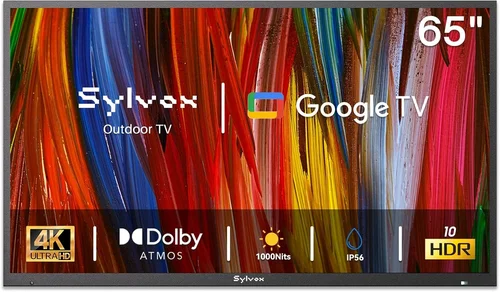
If you’re a landlord, property manager, or renter looking to outfit a rental home’s outdoor space with a TV, you’re likely facing a unique set of challenges. Unlike a personal backyard setup where you might splurge on a high-end outdoor display, a rental property demands a practical, cost-effective solution that balances durability, performance, and ease of installation—without breaking the bank. That’s where budget patio TVs come in. These aren’t just cheaper versions of indoor TVs shoved into a weatherproof box; they’re purpose-built for outdoor environments, designed to withstand sun, rain, dust, and temperature swings—all while staying affordable enough to justify in a rental context.
This guide is your go-to resource for navigating the often-overlooked world of budget-friendly outdoor televisions in 2026. Whether you’re upgrading a vacation rental, furnishing a furnished apartment with a balcony, or enhancing a shared community space, choosing the right patio TV can significantly boost tenant satisfaction and property value. But with so many options flooding the market—from ultra-cheap models that barely survive a season to surprisingly capable units that punch above their weight—it’s easy to make a costly mistake. Our goal is to cut through the noise, highlight what truly matters, and help you make a smart, informed decision that aligns with your budget, property needs, and long-term goals.
We’ll walk you through the essential factors to consider—from price and performance to build quality and warranty—and compare different types of outdoor TVs to help you understand which category fits your use case. You’ll learn how to avoid common pitfalls, stretch your dollar with expert shopping tips, and even get answers to frequently asked questions based on real-world rental scenarios. By the end of this guide, you’ll have a clear roadmap to selecting a patio TV that delivers reliable performance, resists the elements, and keeps both you and your tenants happy—without overspending.

What to Look for When Buying a Budget Patio TV
1. Budget & Price Range
When shopping for a budget patio TV for a rental property, your financial constraints are likely one of the most critical factors. Unlike personal purchases where you might stretch your budget for premium features, rental investments require a careful balance between upfront cost and long-term value. Most landlords and property managers aim to keep individual unit upgrades under $500, especially when outfitting multiple properties. However, it’s important to understand that “budget” doesn’t always mean “cheapest.” A TV priced at $200 might save you money today but could fail within a year, leading to replacement costs, tenant complaints, and lost rental income.
A realistic budget range for a reliable budget patio TV in 2026 falls between $250 and $450. Within this bracket, you’ll find models that offer solid weather resistance, decent picture quality, and basic smart functionality—enough to satisfy most renters without over-engineering the setup. Going below $200 often means compromising on essential features like IP weather ratings, proper cooling systems, or durable enclosures. On the other hand, spending over $500 may not yield proportional benefits for a rental context, especially when the TV is primarily used for casual viewing like sports, news, or streaming movies on a summer evening.
To maximize value, consider the total cost of ownership, not just the sticker price. Factor in potential installation costs, mounting hardware, extended warranties, and even energy efficiency. Some budget models consume more power due to inefficient cooling fans or lack of adaptive brightness, which could slightly increase utility bills—something to keep in mind if tenants pay for electricity. Additionally, look for models that include essential accessories like a weatherproof remote or mounting brackets, as these can add $30–$50 if purchased separately.
2. Performance Specifications
While you won’t find 4K HDR or OLED panels in most budget patio TVs, performance still matters—especially in outdoor environments where glare, ambient light, and viewing angles can degrade the experience. The key specs to focus on include screen brightness (measured in nits), resolution, refresh rate, and contrast ratio. For outdoor use, brightness is arguably the most important. Indoor TVs typically range from 250 to 400 nits, but even on a cloudy day, outdoor brightness can exceed 10,000 nits. A patio TV needs to combat this with a high-brightness display.
Look for models with at least 700 nits of brightness, though 1000+ nits is ideal for direct sunlight. Some budget outdoor TVs now feature anti-glare coatings or matte finishes that reduce reflections, which is a huge plus for patios facing east or west. Resolution-wise, Full HD (1920×1080) is the standard in this price range and perfectly adequate for screens under 50 inches. Avoid 720p models—they look noticeably pixelated at typical viewing distances outdoors.
Refresh rate matters less for casual viewing but can impact motion smoothness during fast-paced sports or action movies. A 60Hz panel is standard and sufficient for most renters, but if your property hosts frequent game-day gatherings, consider a model with motion enhancement technology (often labeled as “Motion Rate” or “Clear Motion”). Contrast ratio affects how deep blacks appear, which can be challenging in bright conditions. While dynamic contrast ratios are often exaggerated in marketing, a TV with good local dimming or a high static contrast ratio (like 3000:1 or higher) will perform better in mixed lighting.
Audio is another often-overlooked spec. Most budget patio TVs have small, front-firing speakers that struggle outdoors due to open space and ambient noise. If sound quality is important, look for models with at least 10W of total output or consider pairing the TV with a budget outdoor soundbar or Bluetooth speakers. Some units even include a digital audio output (optical or HDMI ARC) for easy external audio integration.
3. Build Quality & Durability
Outdoor electronics face harsh conditions: UV rays, rain, humidity, dust, and temperature extremes. A budget patio TV must be built to endure these elements without constant maintenance or premature failure. The first thing to check is the IP (Ingress Protection) rating, which indicates resistance to solids and liquids. For outdoor use, an IP54 rating is the bare minimum—this means protection against dust splashes and water spray from any direction. However, for patios exposed to rain or high humidity, aim for IP55 or higher.
The enclosure material is equally important. Look for powder-coated aluminum or marine-grade stainless steel, which resist rust and corrosion. Avoid plastic housings unless they’re specifically rated for outdoor use and UV-stabilized—many cheap models use indoor-grade plastics that yellow or crack after a few months in the sun. The screen itself should be protected by tempered glass or a durable polycarbonate layer that resists scratches and impacts.
Thermal management is another critical durability factor. Outdoor TVs generate heat from both the display and internal components, and without proper ventilation, they can overheat—especially in enclosed spaces or direct sunlight. Check if the TV has passive cooling (heat sinks) or active cooling (quiet fans). Fans can fail over time, so models with dual cooling systems or fanless designs (using heat pipes) may offer better long-term reliability. Also, ensure the TV can operate in a wide temperature range—ideally from 20°F to 120°F (-7°C to 49°C)—to handle both winter chills and summer heatwaves.
Sealing is vital too. All ports, buttons, and seams should be gasketed or sealed to prevent moisture ingress. Look for models with covered HDMI and USB ports, and avoid units with exposed circuitry or flimsy back panels. Finally, consider the mounting system. A sturdy, corrosion-resistant bracket that allows for tilt and swivel adjustment ensures optimal viewing angles and protects the TV from wind damage.
4. Features & Functionality
Even on a budget, modern patio TVs offer a surprising range of features that enhance usability and tenant satisfaction. Smart functionality is now common in this price range, with many models running lightweight versions of Android TV, Roku, or Fire TV. This allows renters to stream content from Netflix, YouTube, Hulu, and other platforms without needing a separate streaming device. However, not all smart systems are created equal. Look for models with regular software updates, intuitive interfaces, and support for popular apps.
Connectivity is another key area. Ensure the TV has at least two HDMI ports (preferably HDMI 2.0 or higher for 4K passthrough), a USB port for media playback, and an Ethernet port for stable wired internet. Wi-Fi 5 (802.11ac) is standard, but if your property has weak outdoor signal, consider a model with a Wi-Fi antenna or the option to add an external one. Some budget models also include built-in Bluetooth for connecting wireless headphones or speakers—a nice touch for late-night viewing without disturbing neighbors.
Remote control design matters more outdoors than indoors. Look for a weatherproof remote with backlighting or large, tactile buttons that are easy to use in low light. Some models even include a second remote or smartphone app control, which can be helpful if the primary remote gets lost or damaged.
Additional features to consider include:
– Automatic brightness adjustment: Uses a light sensor to optimize screen brightness based on ambient conditions.
– Timer and sleep functions: Helps conserve energy and prevents the TV from being left on overnight.
– VESA mount compatibility: Ensures you can use standard wall or ceiling mounts.
– Anti-theft design: Some models include Kensington lock slots or tamper-resistant screws—useful in shared or high-traffic rental spaces.
While you don’t need cutting-edge features like voice control or AI upscaling, having a few well-implemented functionalities can significantly improve the user experience and reduce support requests from tenants.
5. Brand Reputation
When investing in electronics for rental properties, brand reputation can be a strong indicator of reliability and long-term performance. While you might be tempted by no-name brands offering ultra-low prices, these often lack quality control, customer support, and warranty coverage—three things that matter greatly when managing multiple units.
Established brands like SunBrite, Seura, and Samsung (through their outdoor display divisions) have long histories in the outdoor TV market and are known for rigorous testing and durable designs. However, their products often exceed the “budget” category. For affordable options, look to brands like Hisense, TCL, and Vizio, which have expanded into outdoor models with solid performance and good value. These companies leverage their experience in mass-market TVs to deliver reliable, feature-rich units at competitive prices.
Newer entrants like Sylvane, Outdoor TV Direct, and WeatherTech are also worth considering. Many of these brands specialize in budget-friendly outdoor electronics and often partner with reputable manufacturers to produce private-label models. Check if the brand offers detailed product documentation, user manuals, and installation guides—this shows a commitment to customer support.
Avoid brands with no online presence, unclear origins, or overly generic product descriptions. If a company doesn’t list a physical address, customer service number, or warranty information, it’s a red flag. Also, be wary of “too good to be true” deals on marketplaces like Amazon or eBay, where counterfeit or refurbished units are sometimes sold as new.
Reading professional reviews and user feedback is essential. Look for patterns in complaints—frequent mentions of overheating, poor Wi-Fi, or short lifespans can signal deeper issues. Conversely, consistent praise for ease of setup, picture quality, or customer service can help you identify trustworthy brands.
6. Warranty & Support
For rental properties, warranty and support are not luxuries—they’re necessities. A TV that fails after six months can disrupt tenant satisfaction, lead to negative reviews, and require costly replacements. Most budget patio TVs come with a standard 1-year limited warranty, but this often covers only manufacturing defects and excludes damage from environmental factors like moisture or power surges.
Look for models that offer at least a 2-year warranty, especially if the manufacturer explicitly covers outdoor use. Some brands provide extended warranties for commercial or rental use, which can be a game-changer. For example, certain models from Hisense and TCL include a 2-year warranty with optional extensions, and their customer service teams are generally responsive and knowledgeable.
Check what the warranty includes. Does it cover on-site repair, or do you have to ship the unit back? Is there a deductible or restocking fee? Are accessories like remotes or mounts included? Also, verify the warranty’s geographic coverage—some international brands don’t honor warranties in certain regions.
Support quality matters too. Can you reach a human being quickly? Is there a dedicated support line for outdoor products? Do they offer troubleshooting guides or video tutorials? Brands with strong support ecosystems reduce downtime and make it easier to resolve issues without involving tenants.
7. Size & Portability
The size of your patio TV should match the space and typical usage. For most rental patios, balconies, or small decks, a 43- to 50-inch screen is ideal. It’s large enough to be seen from a few feet away but not so big that it overwhelms the area or requires a heavy-duty mount. Larger screens (55 inches and up) are better suited for spacious outdoor living rooms or commercial settings like pool decks or community centers.
Portability is another consideration, especially if the TV will be moved between units or stored during off-seasons. Some budget patio TVs are designed to be semi-portable, with lightweight enclosures and built-in handles. These are great for furnished rentals where tenants might want to move the TV from the patio to a sunroom or garage. However, true portability often comes at the cost of durability—lighter materials may not withstand harsh weather as well.
If the TV will be permanently mounted, weight becomes less of an issue, but you’ll still want to ensure the mounting hardware is robust and corrosion-resistant. Look for VESA patterns that match standard brackets (e.g., 200×200 or 400×400) and check the TV’s depth—some outdoor enclosures add several inches, which can affect clearance from walls or railings.
For multi-unit properties, consider standardizing on one size and model. This simplifies inventory, reduces training for maintenance staff, and makes it easier to swap units if one fails. It also helps with bulk purchasing discounts.
8. User Reviews & Ratings
Never underestimate the power of real-world feedback. User reviews provide insights that specs sheets and marketing materials can’t match—especially for budget products where quality can vary widely between batches. When evaluating a patio TV, spend time reading both professional reviews and customer testimonials.
Look for reviews from users in similar climates and usage scenarios. A TV that performs well in a dry, temperate region might struggle in a humid coastal area or a place with extreme seasonal changes. Pay attention to comments about long-term reliability, ease of setup, and how the TV holds up after a year or more of use.
Check multiple sources: Amazon, Best Buy, Home Depot, and specialty outdoor electronics retailers all have customer reviews. Also, visit forums like Reddit’s r/homeautomation or r/outdoorliving, where users often share detailed experiences and troubleshooting tips.
Be cautious of fake reviews—overly generic praise, repetitive language, or a sudden spike in 5-star ratings can indicate manipulation. Focus on reviews with photos, detailed descriptions, and balanced pros and cons. A product with a 4.2-star average and hundreds of reviews is often more trustworthy than one with a 4.8-star rating from just a dozen users.
Finally, consider the ratio of positive to negative feedback. If multiple users mention the same issue—like poor Wi-Fi range or a flimsy remote—it’s likely a real problem, not an isolated incident.
Different Types of Budget Patio TVs

Common Buying Mistakes to Avoid
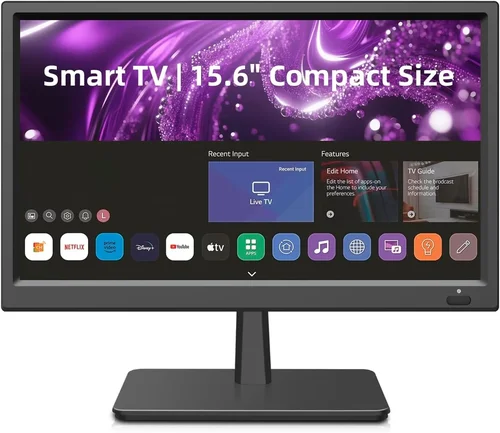
❌ Mistake: Buying a Regular Indoor TV for Outdoor Use
Why it’s bad: Indoor TVs are not designed to handle outdoor conditions. They lack weatherproofing, have low brightness, and can overheat or short-circuit when exposed to moisture, dust, or temperature swings. Using one outdoors voids the warranty and poses a safety risk.
What to do instead: Always choose a TV specifically rated for outdoor use, even if it’s budget-friendly. Look for IP ratings, weatherproof enclosures, and outdoor certifications.
❌ Mistake: Ignoring the IP Rating
Why it’s bad: Without a proper IP rating, you can’t be sure the TV will resist rain, dust, or humidity. A TV with no rating or a low one (like IP20) will fail quickly in outdoor environments.
What to do instead: Aim for at least IP54, and prefer IP55 or higher for areas with frequent rain or high humidity. Check the manufacturer’s documentation to confirm the rating applies to the entire unit, not just the screen.
❌ Mistake: Overlooking Brightness Requirements
Why it’s bad: A dim screen will be unwatchable in daylight, even on cloudy days. Many budget buyers focus on price and size but forget that outdoor visibility depends heavily on brightness.
What to do instead: Choose a TV with at least 700 nits, and ideally 1000+ nits. Look for anti-glare coatings and matte finishes to reduce reflections.
❌ Mistake: Skimping on Mounting Hardware
Why it’s bad: A weak or incompatible mount can lead to the TV falling, especially in windy conditions. This risks property damage, injury, and liability.
What to do instead: Invest in a corrosion-resistant, VESA-compatible outdoor mount rated for the TV’s weight and size. Consider tilt and swivel features for optimal viewing angles.
❌ Mistake: Not Checking Warranty Coverage
Why it’s bad: A short or poorly defined warranty leaves you vulnerable to repair or replacement costs. Many budget TVs fail within 1–2 years, and without coverage, you’re stuck paying out of pocket.
What to do instead: Choose a model with at least a 2-year warranty that explicitly covers outdoor use. Register the product immediately and keep all documentation.
❌ Mistake: Forgetting About Audio
Why it’s bad: Outdoor spaces are noisy, and built-in TV speakers are usually weak. Poor audio can ruin the viewing experience and lead to tenant complaints.
What to do instead: Pair the TV with a budget outdoor soundbar or Bluetooth speakers. Look for models with audio outputs or Bluetooth support for easy integration.
❌ Mistake: Buying Based Solely on Price
Why it’s bad: The cheapest option often has hidden costs—short lifespan, poor performance, or lack of support. Over time, frequent replacements can exceed the cost of a slightly more expensive, reliable model.
What to do instead: Evaluate total cost of ownership, including durability, energy use, and warranty. Spend a little more upfront for a TV that lasts longer and performs better.
Budget Guidelines: How Much Should You Spend?
– Entry-Level ($200–$300): What to expect: Basic weather resistance (IP54), 43-inch Full HD screen, 700 nits brightness, limited smart features, and a 1-year warranty. Best for covered patios with minimal sun exposure. Expect shorter lifespan (2–3 years) and fewer support options.
– Mid-Range ($300–$400): Sweet spot for most buyers: IP55 rating, 50-inch display, 1000+ nits brightness, full smart functionality (Roku or Android TV), dual cooling, and a 2-year warranty. Ideal for most rental properties with moderate outdoor exposure.
– Premium ($400–$500): For enthusiasts and professionals: Enhanced durability, anti-glare screen, wider temperature range, better audio, and advanced features like automatic brightness adjustment. Suitable for high-traffic rentals or luxury vacation homes.
– Luxury ($500+): Top-tier features: Commercial-grade build, 4K resolution, HDR support, integrated sound systems, and extended warranties. Overkill for most rental scenarios but justified for premium properties or commercial use.
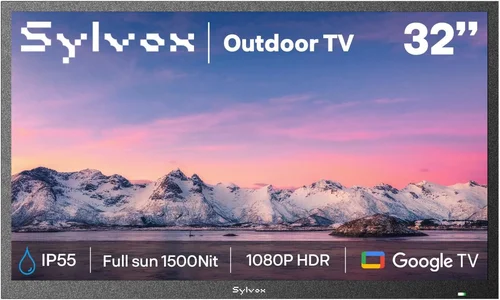
Expert Tips for Getting the Best Deal
– Buy during off-season sales: Look for discounts in late fall and winter when demand for outdoor electronics is lowest. Retailers often clear inventory before spring.
– Shop at specialty outdoor retailers: Stores like Sylvane, Outdoor TV Direct, and WeatherTech often have better selection and expertise than big-box stores.
– Compare online and in-store prices: Use price-matching policies at Best Buy or Home Depot to get the best deal without sacrificing service.
– Check for bundle deals: Some retailers offer discounts when you buy a TV with a mount, soundbar, or extended warranty.
– Read the fine print on returns: Ensure the return window is at least 30 days and covers outdoor use. Some warranties are voided if the TV is returned after installation.
– Test before finalizing: If possible, set up the TV temporarily to check brightness, Wi-Fi range, and ease of use in real conditions.
– Consider refurbished or open-box models: Certified refurbished units from reputable sellers can save 20–30% and often come with the same warranty.
– Negotiate for bulk purchases: If outfitting multiple units, contact manufacturers or distributors directly for volume discounts.

Frequently Asked Questions
Q: Can I use a regular TV outdoors if it’s under a covered patio?
A: Not recommended. Even under cover, humidity, temperature swings, and dust can damage indoor electronics. A weatherproof TV is a safer, longer-lasting investment.
Q: How long do budget patio TVs typically last?
A: With proper care, most mid-range models last 4–6 years. Entry-level units may last 2–3 years, especially in harsh climates.
Q: Do I need a special power outlet for an outdoor TV?
A: Yes. Use a GFCI (ground fault circuit interrupter) outlet to prevent electrical hazards. Have it installed by a licensed electrician if needed.
Q: Can I leave the TV on during rain?
A: Only if it has an IP55 or higher rating. Never operate an outdoor TV during thunderstorms or heavy downpours.
Q: What’s the difference between IP54 and IP55?
A: IP54 protects against splashing water from any direction. IP55 adds protection against low-pressure water jets, making it better for rainy climates.
Q: Can I mount the TV on a brick or concrete wall?
A: Yes, but use appropriate anchors and a masonry-rated mount. Consider hiring a professional for secure installation.
Q: Do outdoor TVs use more electricity?
A: Slightly, due to higher brightness and cooling systems. Look for Energy Star-rated models to minimize impact.
Q: Can tenants damage the TV and charge me?
A: Generally no, unless negligence is proven. Include usage guidelines in the lease and consider a security deposit clause for electronics.
Q: What if the TV stops working after a few months?
A: Check the warranty first. Most reputable brands will repair or replace defective units. Document the issue and contact support immediately.
Q: Are there solar-powered outdoor TV options?
A: Not yet common in budget ranges, but solar-compatible setups are possible with external panels and inverters—ideal for off-grid rentals.
Our Final Recommendations
– Best for Budget-Conscious Buyers: Hisense 43A6GOUT – A 43-inch Full HD outdoor TV with IP55 rating, 1000 nits brightness, and Roku OS. Priced around $350, it offers excellent value and reliability.
– Best Overall Value: TCL 50S5400OUT – A 50-inch smart outdoor TV with Android TV, 1200 nits brightness, and a 2-year warranty. Great for most rental scenarios.
– Best Premium Option: SunBrite Veranda 55-inch – While slightly above budget, its commercial-grade build and 4K display make it ideal for high-end rentals.
– Best for Beginners: Outdoor TV Direct 43W1 – Easy setup, clear instructions, and responsive customer support. Perfect for first-time buyers.
– Best for Advanced Users: WeatherTech Pro 50 – Features automatic brightness adjustment, dual cooling, and anti-theft design. Ideal for tech-savvy property managers.
Conclusion: Making the Right Choice
Choosing a budget patio TV for a rental home doesn’t have to be overwhelming. By focusing on key factors like weather resistance, brightness, build quality, and warranty, you can find a model that delivers reliable performance without exceeding your budget. Avoid common pitfalls like using indoor TVs or ignoring IP ratings, and always prioritize long-term value over the lowest price.
Remember, the right TV enhances tenant satisfaction, increases property appeal, and can even justify higher rental rates. Take the time to research, compare options, and invest in a solution that balances cost, durability, and functionality. With the insights from this guide, you’re well-equipped to make a smart, confident decision that benefits both your bottom line and your renters’ experience.
Now that you know what to look for, it’s time to take action. Start by assessing your specific needs—size, location, usage—and use our recommendations and tips to find the perfect budget patio TV for your rental property. Your tenants (and your wallet) will thank you.

