
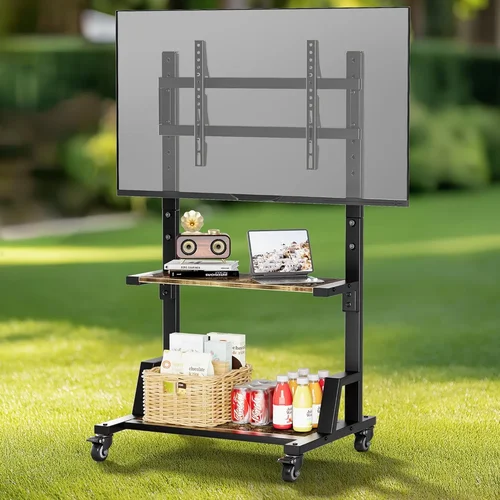
Outdoor living spaces have evolved dramatically over the past decade. What once consisted of a simple grill and a few folding chairs has transformed into fully equipped outdoor entertainment zones—complete with weather-resistant furniture, outdoor kitchens, and even dedicated areas for watching your favorite shows under the stars. Among the most sought-after additions to modern patios and pergolas is the outdoor TV. But here’s the catch: true all-weather, commercial-grade outdoor TVs can cost thousands of dollars—well beyond what most homeowners are willing or able to spend.
That’s where budget patio TVs come in. These aren’t just regular indoor TVs shoved into a weatherproof box (though some fall into that risky category). Instead, they’re purpose-built or carefully selected indoor models paired with protective enclosures or designed with outdoor viewing in mind—offering a smart compromise between performance, durability, and affordability. Whether you’re hosting game nights on your covered deck, relaxing in a shaded pergola, or simply want to catch the morning news while sipping coffee outside, a budget-friendly patio TV can elevate your outdoor experience without breaking the bank.
This comprehensive buyer’s guide is designed to help you navigate the often-confusing world of affordable outdoor TVs. We’ll walk you through everything you need to know—from understanding key technical specs and build quality considerations to avoiding common pitfalls and maximizing your investment. You’ll learn how to distinguish between truly outdoor-ready models and indoor TVs masquerading as weatherproof solutions, how to assess real-world performance in bright daylight, and how to choose the right size and features for your specific setup. By the end, you’ll be equipped with expert-level knowledge to make a confident, informed decision—even if you’re working with a tight budget.
The market for budget patio TVs has grown significantly in recent years, driven by increased demand for outdoor entertainment and improvements in display technology that make high-quality visuals more accessible than ever. Brands like SunBrite, Sylvane, and even mainstream manufacturers like Samsung and LG now offer options tailored for semi-outdoor use, often at price points under $1,000. However, not all “outdoor” TVs are created equal. Some are built from the ground up for harsh conditions, while others rely on add-on covers or enclosures that may not provide adequate protection over time. Our goal is to cut through the marketing noise and give you a clear, practical roadmap to finding the best value for your needs—whether you’re spending $300 or $800.

What to Look for When Buying Buying Guide
1. Budget & Price Range
Setting a realistic budget is the first and most critical step in your patio TV purchase. Unlike indoor TVs, where prices scale predictably with size and features, outdoor models—even budget ones—carry a premium due to specialized components like anti-glare screens, enhanced brightness, and weather-resistant construction. For a functional patio TV suitable for a covered pergola, expect to spend between $400 and $900. Anything below $300 is likely an indoor TV with a basic cover, which poses long-term risks.
When defining your budget, consider not just the upfront cost but also potential add-ons: mounting hardware, weatherproof enclosures (if not included), cables rated for outdoor use, and possibly a soundbar if audio quality is important. A good rule of thumb is to allocate 10–15% of your total TV budget for these accessories. Also, remember that “budget” doesn’t mean “cheap”—it means prioritizing value. A $600 TV that lasts five years outperforms a $400 model that fails after two.
2. Performance Specifications
Performance specs matter more outdoors than indoors because ambient light, glare, and viewing angles are harder to control. Start with brightness: look for a minimum of 400 nits, but ideally 500–700 nits or higher. This ensures the image remains visible even in partial sunlight. Many budget outdoor TVs now feature high-brightness LED backlighting specifically tuned for daylight viewing.
Resolution should be at least Full HD (1080p), though 4K is increasingly common even in budget models. While 4K offers sharper detail, it’s less critical outdoors where viewing distances are often greater. Refresh rate (60Hz vs. 120Hz) affects motion smoothness—important for sports or action movies—but most budget models cap at 60Hz, which is sufficient for casual viewing.
Color accuracy and contrast ratio also play roles. OLEDs offer superior contrast but are rare in budget outdoor TVs due to cost and burn-in risks in static outdoor signage scenarios. Instead, look for IPS or VA panels with good color gamut coverage (aim for 90%+ sRGB). Finally, check input lag if you plan to game outdoors—anything under 30ms is acceptable for casual play.
3. Build Quality & Durability
This is where many budget buyers go wrong: assuming an indoor TV in a plastic cover equals an outdoor TV. True outdoor durability requires more than just water resistance. Look for TVs with sealed ports, corrosion-resistant screws, and vents designed to prevent condensation buildup. The ideal budget patio TV will have an IP55 or higher rating—meaning it’s protected against dust and low-pressure water jets from any direction.
Materials matter too. Aluminum or powder-coated steel chassis resist rust better than plastic. Check the back panel: if it’s vented, ensure the vents are filtered or baffled to keep insects and moisture out. Also, verify that internal components like capacitors and circuit boards are rated for wider temperature ranges (typically -22°F to 122°F for outdoor use). Even in a covered pergola, temperatures can fluctuate dramatically between day and night, especially in spring and fall.
Don’t overlook the screen itself. Anti-reflective coatings are essential—they reduce glare from sunlight reflecting off the glass. Some budget models use tempered glass overlays, which add durability but can introduce slight color shifts. Test this in person if possible.
4. Features & Functionality
Smart functionality is almost expected in today’s TVs, and it’s equally valuable outdoors. Built-in Wi-Fi, streaming apps (Netflix, YouTube, Disney+, etc.), and voice control via Alexa or Google Assistant let you enjoy content without needing extra devices. However, verify that the smart OS remains responsive in outdoor conditions—some budget models slow down when overheating.
Connectivity is another key area. Ensure the TV has enough HDMI ports (at least two, preferably three) for devices like streaming sticks, gaming consoles, or cable boxes. USB ports are useful for playing media files directly. Look for HDMI-CEC support, which allows you to control multiple devices with one remote—a small convenience that makes a big difference during backyard movie nights.
Audio quality is often overlooked but crucial. Most budget TVs have weak built-in speakers (5–10W). If you plan to entertain, consider pairing your TV with a weather-resistant Bluetooth speaker or a compact outdoor soundbar. Some models even include optical audio out for connecting external amplifiers.
5. Brand Reputation
Not all brands are equal when it comes to outdoor reliability. Established names like Samsung, LG, and Sony offer solid indoor TVs that can work in protected outdoor settings when paired with proper enclosures. However, brands specializing in outdoor AV—such as SunBrite (now part of SnapAV), Sylvane, and Seura—have deeper expertise in weatherproofing and daylight visibility.
That said, don’t dismiss lesser-known brands outright. Companies like Hisense, TCL, and Vizio now produce surprisingly capable budget TVs with outdoor-friendly features. The key is researching user experiences: look for reviews that mention long-term outdoor use, not just unboxing impressions. Forums like AVS Forum and Reddit’s r/outdoortv are goldmines for real-world feedback.
Avoid no-name brands sold exclusively through third-party Amazon sellers unless they provide detailed specs, certifications (like UL or ETL listing), and clear warranty terms. A reputable brand stands behind its product—even at lower price points.
6. Warranty & Support
A strong warranty is your safety net. Most budget indoor TVs come with a 1-year limited warranty, but outdoor use often voids this unless explicitly covered. Look for models that offer extended or outdoor-specific warranties—typically 2–3 years. Some brands even provide free replacement parts for weather-related damage within the first year.
Customer support responsiveness matters too. Can you reach a human quickly? Do they understand outdoor installation challenges? Check support channels: phone, email, live chat. Brands with dedicated outdoor product lines usually have better-trained support teams.
Also, verify return policies. If the TV arrives damaged or doesn’t perform as expected in your lighting conditions, you’ll want a hassle-free return window—ideally 30 days or more. Retailers like Best Buy, Costco, and B&H Photo often have generous return windows, while some online-only sellers may charge restocking fees.
7. Size & Viewing Distance
Choosing the right screen size isn’t just about preference—it’s about geometry. For a typical pergola setup (8–12 feet from seating), a 43-inch to 55-inch TV is ideal. Smaller screens (32–40 inches) work for intimate spaces like small decks or breakfast nooks, while 65-inch models suit larger patios but may strain your budget.
Use the 1.5x rule: multiply your viewing distance (in inches) by 1.5 to get the recommended screen diagonal. So, at 10 feet (120 inches), aim for around 50 inches. Avoid oversized TVs—they can cause eye strain and look disproportionate in cozy outdoor settings.
Portability is another consideration. If you plan to move the TV between indoor and outdoor use (e.g., bringing it inside during winter), lighter models with VESA-compatible mounts are easier to handle. However, true outdoor TVs are often heavier due to reinforced frames—factor this into your mounting plan.
8. User Reviews & Real-World Testing
Spec sheets tell part of the story; user reviews tell the rest. Pay attention to comments about brightness in direct sun, remote control range (outdoors, signals can bounce unpredictably), and long-term reliability. Look for patterns: if multiple users report screen fogging after six months, that’s a red flag.
Video reviews are especially helpful—they show actual outdoor performance, including glare handling and color reproduction in daylight. Channels like “Outdoor Living Essentials” and “TechGadgets Unboxed” frequently test budget patio TVs in real backyard conditions.
Also, check for consistency across retailers. If Amazon reviews are glowing but Best Buy customers report issues, dig deeper. Sometimes, fulfillment differences (e.g., refurbished units sold as new) explain discrepancies.
Different Types of Buying Guide

Common Buying Mistakes to Avoid
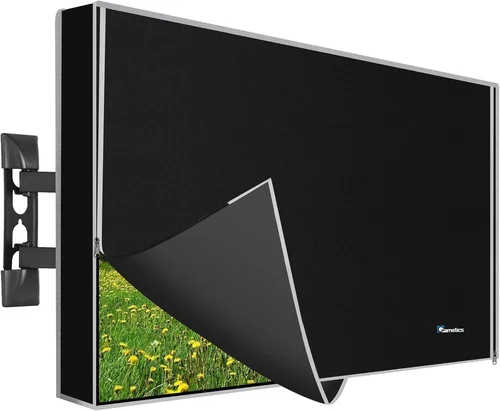
❌ Mistake: Buying an Indoor TV Without Proper Protection
Why it’s bad: Indoor TVs aren’t designed for humidity, temperature swings, or dust. Even in a covered pergola, condensation can form overnight, leading to corrosion, short circuits, or screen fogging. Many users report failure within 6–12 months.
What to do instead: Either choose a purpose-built outdoor TV or pair a high-quality indoor model with a certified weatherproof enclosure (like those from Peerless or VIVO). Ensure the enclosure has active ventilation or heating/cooling if you live in extreme climates.
❌ Mistake: Ignoring Brightness Requirements
Why it’s bad: A dim screen turns your outdoor movie night into a squinting contest. Most indoor TVs max out at 300–350 nits—fine for a dark room, but invisible in daylight.
What to do instead: Prioritize models with 500+ nits brightness. Look for terms like “high-brightness,” “daylight-viewable,” or “anti-glare coating” in the specs. If unsure, watch demo videos shot outdoors.
❌ Mistake: Overlooking Audio Needs
Why it’s bad: Wind, ambient noise, and distance from seating make built-in TV speakers inadequate. You’ll end up straining to hear dialogue.
What to do instead: Budget for a weather-resistant Bluetooth speaker or outdoor soundbar from day one. Models like the Bose SoundLink Flex or JBL Charge 5 work well and pair easily with most TVs.
❌ Mistake: Choosing the Wrong Size
Why it’s bad: A tiny screen forces guests to crowd close; a giant one overwhelms a small pergola and strains your budget unnecessarily.
What to do instead: Measure your seating distance and use the 1.5x rule. For most pergolas, 43–50 inches is the sweet spot. Test with a newspaper taped to the wall to simulate screen size.
❌ Mistake: Skipping the Mounting Plan
Why it’s bad: Outdoor mounts must handle wind load, weight, and corrosion. Using indoor mounts risks collapse or water ingress.
What to do instead: Invest in a marine-grade or outdoor-rated full-motion mount (e.g., from Sanus or MantelMount). Ensure it’s compatible with your TV’s VESA pattern and rated for your climate zone.
❌ Mistake: Not Checking Return Policies
Why it’s bad: Outdoor performance varies by location. A TV that looks great in a showroom may fail in your specific lighting conditions.
What to do instead: Buy from retailers with 30-day+ return windows and free return shipping. Test the TV during peak sun hours before finalizing your decision.
Budget Guidelines: How Much Should You Spend?
- Entry-Level ($300–$500): This tier typically includes indoor TVs (32–43 inches) paired with basic weatherproof covers. Best for fully shaded, low-humidity areas with minimal sun exposure. Expect shorter lifespan (2–3 years) and limited smart features. Ideal for renters or seasonal use.
- Mid-Range ($500–$750): The sweet spot for most homeowners. Includes semi-outdoor certified models or high-quality indoor TVs with robust enclosures. Look for 43–50 inch screens, 500+ nits brightness, and IP54+ ratings. Smart functionality, decent audio, and 2-year warranties are common.
- Premium ($750–$1,000): For enthusiasts who want near-commercial performance without the $2K+ price tag. Features include 4K resolution, 700+ nits brightness, advanced anti-glare coatings, and all-weather construction. Often includes built-in heaters/coolers for extreme temps.
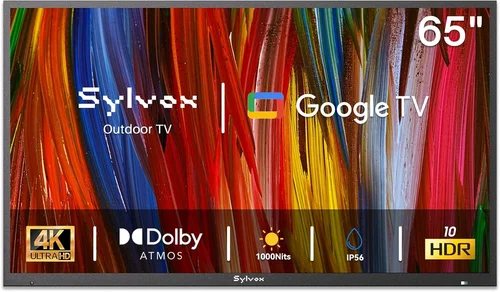
- Luxury ($1,000+): Reserved for fully exposed installations or luxury outdoor theaters. These are true all-weather TVs with military-grade durability, ultra-high brightness (1000+ nits), and professional installation support. Overkill for most pergola setups.
Expert Tips for Getting the Best Deal
- Buy During Off-Seasons: Prices drop significantly in late fall and winter (November–February) when outdoor demand is low. Retailers clear inventory for spring launches.
- Check Warehouse Clubs: Costco and Sam’s Club often carry exclusive outdoor TV bundles at discounted prices, including mounts and extended warranties.
- Bundle with Accessories: Some sellers offer discounts when you buy a TV + enclosure + mount together. Compare total costs—sometimes bundling saves 15–20%.
- Look for Open-Box Deals: Best Buy and Micro Center frequently discount open-box outdoor TVs that are functionally new but lack original packaging. Verify warranty coverage.
- Negotiate with Local Installers: If hiring a professional, ask if they have partnerships with TV brands for discounted rates. Many offer package deals.
- Use Price Tracking Tools: Set alerts on CamelCamelCamel (for Amazon) or Honey to notify you when prices dip below your target.
- Verify Energy Efficiency: Outdoor TVs run longer hours—look for ENERGY STAR ratings to save on electricity over time.
- Read the Fine Print on Warranties: Some “outdoor” warranties only cover defects, not weather damage. Ensure your specific use case is included.

Frequently Asked Questions
Q: Can I use a regular indoor TV under my pergola?
A: Technically yes—but only if it’s fully covered, shielded from rain and direct sun, and used occasionally. For regular use, even in a pergola, we strongly recommend either a purpose-built outdoor TV or an indoor model in a certified weatherproof enclosure. Humidity and temperature fluctuations will eventually damage internal components.
Q: Do I need a special outlet for an outdoor TV?
A: Yes. Use a GFCI (Ground Fault Circuit Interrupter) outlet installed by a licensed electrician. This protects against electrical shock in wet conditions. Never plug into an indoor outlet using extension cords—this violates electrical codes and creates fire hazards.
Q: How do I hide cables on my pergola?
A: Use outdoor-rated cable conduits or raceways that match your pergola’s color. For a cleaner look, run wires through hollow support beams (if structurally safe) or use wireless HDMI transmitters for signal-only connections.
Q: Will my Wi-Fi reach the pergola?
A: Possibly not. Test signal strength with your phone first. If weak, install a weatherproof Wi-Fi extender or mesh node near the TV. Brands like TP-Link and Netgear offer outdoor-rated models.
Q: Can I leave my outdoor TV on all day?
A: Most modern LED TVs are energy-efficient and safe for extended use. However, avoid leaving static images (like news tickers) on screen for hours to prevent burn-in. Enable screensavers or auto-sleep timers.
Q: What’s the difference between IP54 and IP55?
A: Both indicate dust and water resistance. IP54 protects against splashing water from any direction; IP55 adds protection against low-pressure water jets (like a garden hose). For pergolas, IP54 is usually sufficient unless exposed to heavy rain.
Q: Are outdoor TVs louder than indoor ones?
A: Not inherently. Most rely on similar speaker systems. For better sound, always pair with external weather-resistant speakers. Some high-end models include upward-firing drivers for wider dispersion.
Q: How often should I clean my outdoor TV?
A: Wipe the screen and casing monthly with a microfiber cloth and mild soap solution. Avoid ammonia-based cleaners—they degrade anti-glare coatings. Check vents for debris quarterly.
Q: Can I mount my outdoor TV on a brick wall?
A: Yes, but use masonry anchors rated for the TV’s weight. Consult a professional if unsure—improper mounting can damage both the wall and TV.
Q: Do outdoor TVs come with remotes that work in bright light?
A: Most standard IR remotes work fine, but sunlight can interfere with signals. Look for models with RF remotes (like some SunBrite units) or use a Bluetooth remote via a streaming device (e.g., Fire Stick).
Our Final Recommendations
- Best for Budget-Conscious Buyers: TCL 4-Series 43S450G ($399) + VIVO Outdoor Enclosure ($149). A proven indoor performer with 400 nits brightness, now protected for covered outdoor use. Great for shaded pergolas.
- Best Overall Value: Sylvane Veranda Series 50V1 ($699). Purpose-built for semi-outdoor use, 550 nits brightness, IP55 rating, and includes a 2-year warranty. Handles morning sun and evening dew with ease.
- Best Premium Option: SunBrite Veranda 3 Series 55″ ($899). Near-commercial durability, 700 nits brightness, and built-in thermal management. Ideal if you want near-lifetime reliability without luxury pricing.
- Best for Beginners: Hisense U6H 50U6H ($549). Simple setup, excellent 4K clarity, and surprisingly good 500-nit brightness. Pair with a basic outdoor cover for hassle-free entry into outdoor viewing.
- Best for Advanced Users: LG OLED Flex (for covered use only) ($999). While not fully outdoor-rated, its self-lit pixels and infinite contrast make it stunning in shaded pergolas. Requires a top-tier enclosure and careful climate control.
Conclusion: Making the Right Choice
Choosing the right budget patio TV for your pergola doesn’t have to be overwhelming—or expensive. By focusing on core needs like brightness, build quality, and appropriate protection for your environment, you can find a model that delivers years of reliable outdoor entertainment without overspending. Remember: the cheapest option isn’t always the most economical long-term. Invest wisely in durability and performance, and don’t skimp on essentials like proper mounting and audio.
Prioritize your specific use case. Are you watching mostly at night? A lower-brightness model may suffice. Hosting frequent daytime gatherings? Aim for 600+ nits. Living in a humid coastal area? Demand IP55+ ratings and corrosion-resistant materials. And always—always—read real user reviews from people with similar setups.
Your pergola is more than just a structure; it’s an extension of your home, a place for connection, relaxation, and joy. The right TV enhances that experience, turning ordinary evenings into memorable moments under the open sky. With the insights from this guide, you’re now equipped to make a confident, informed decision that balances cost, quality, and enjoyment.
So go ahead—grab that recliner, fire up the grill, and press play. Your perfect outdoor viewing experience is just a smart purchase away.

