
Choosing the right television for your gazebo might seem like a simple decision at first glance—after all, it’s just a TV, right? But when you factor in outdoor conditions, limited space, exposure to the elements, and the desire for reliable performance without breaking the bank, the choice becomes significantly more nuanced. A standard indoor TV simply won’t cut it under a gazebo roof, where humidity, temperature swings, direct sunlight, and even light rain can wreak havoc on sensitive electronics. That’s why selecting a budget-friendly patio TV designed specifically for semi-outdoor use is both a smart investment and a practical necessity.
This comprehensive guide is designed to help you navigate the often-confusing landscape of outdoor and patio TVs—especially those that offer excellent value without sacrificing essential features. Whether you’re hosting summer barbecues, watching the big game under string lights, or enjoying a quiet evening with a movie al fresco, your TV needs to perform reliably in an environment that’s far less forgiving than your living room. By the end of this article, you’ll understand exactly what to look for, which specs matter most, how to avoid common pitfalls, and where to find the best deals—all while staying within a reasonable budget.
The market for outdoor TVs has evolved dramatically over the past decade. What was once a niche category dominated by ultra-expensive, fully sealed commercial-grade models now includes a growing number of affordable, consumer-friendly options. Brands like SunBrite, Samsung (with their outdoor-specific models), LG, and even budget-focused newcomers have introduced TVs that balance durability, picture quality, and cost. However, not all “outdoor” or “patio” TVs are created equal—and many so-called budget options cut corners in ways that could leave you frustrated or worse, with a fried screen after your first thunderstorm. This guide cuts through the marketing noise to deliver expert-level insights grounded in real-world performance, user feedback, and technical know-how.
What to Look for When Buying a Budget Patio TV
1. Budget & Price Range
Setting a realistic budget is the foundation of any smart purchase—and patio TVs are no exception. While it’s tempting to go for the cheapest option available, remember that outdoor viewing demands more from your TV than indoor use. A true budget-friendly patio TV typically ranges from $400 to $800, though you can find entry-level models dipping just below $300 if you’re willing to compromise on size or features. Mid-range options ($600–$1,000) often represent the sweet spot, offering better brightness, weather resistance, and smart functionality without the premium price tag of fully sealed commercial units.
When evaluating price, consider total cost of ownership—not just the sticker price. Factor in mounting hardware (which may not be included), potential need for additional weatherproofing accessories, and whether the TV supports modern streaming platforms. A slightly higher upfront cost for a model with built-in Wi-Fi, app support, and robust construction can save you money and headaches down the line. Avoid ultra-budget models under $250 unless they’re explicitly rated for outdoor or semi-outdoor use; many cheap TVs labeled “weather-resistant” are actually just indoor models with minimal protective coatings that won’t withstand prolonged exposure.
2. Performance Specifications
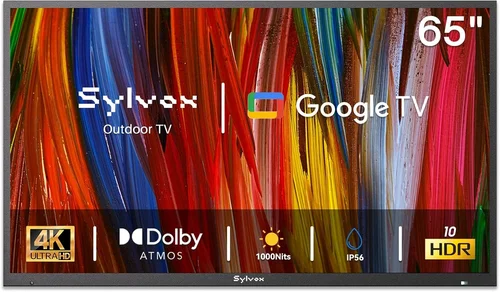
Picture quality matters just as much outdoors as it does indoors—but the metrics you prioritize will differ. Brightness is arguably the most critical spec for a gazebo TV. Indoor TVs typically peak around 300–400 nits, which is fine for dim rooms but utterly inadequate in daylight. For shaded or partially covered gazebos, aim for at least 700 nits; if your gazebo gets direct sun for part of the day, look for 1,000+ nits. This ensures images remain visible and colors stay vibrant even when the sun is shining.
Resolution should be Full HD (1080p) at a minimum, though 4K is increasingly common even in budget models and offers noticeably sharper detail—especially on larger screens. Refresh rate (measured in Hz) affects motion smoothness; 60Hz is standard and sufficient for most casual viewing, but if you plan to watch sports or fast-action content, consider a model with 120Hz support. HDR (High Dynamic Range) compatibility is a nice bonus, enhancing contrast and color depth, but only if the TV’s brightness can actually take advantage of it.
Audio performance is another often-overlooked spec. Most budget TVs have weak built-in speakers that struggle outdoors due to open space and ambient noise. If audio quality is important, look for models with Dolby Audio or DTS support, or plan to connect external weatherproof speakers via Bluetooth or audio output.
3. Build Quality & Durability
Durability separates a true patio TV from an indoor model hastily shoved under a roof. The key lies in the enclosure and internal components. Look for TVs with an IP (Ingress Protection) rating—specifically IP55 or higher. IP55 means the TV is protected against dust and low-pressure water jets from any direction, making it suitable for covered outdoor areas like gazebos. Avoid models without an IP rating unless they’re explicitly marketed as “indoor/outdoor convertible” with verified testing.
The chassis should be made of corrosion-resistant materials like powder-coated aluminum or reinforced polymer. Check that ports (HDMI, USB, power) are sealed or covered with rubber gaskets to prevent moisture ingress. Internal components should be spaced to allow airflow while still protecting against humidity—a balance many cheap TVs fail to achieve. Also, verify that the screen itself is anti-glare or has a matte finish; glossy screens reflect sunlight and ruin the viewing experience.
Temperature tolerance is another durability factor. Most budget patio TVs operate safely between 32°F and 104°F (0°C to 40°C). If you live in an area with extreme winters or scorching summers, ensure the model you choose can handle your local climate. Some manufacturers provide extended temperature ranges, which can be worth the slight premium.
4. Features & Functionality
Modern convenience shouldn’t be sacrificed just because you’re watching outside. Smart TV capabilities are now standard even in budget models, but not all smart platforms are equal. Look for TVs running Roku TV, Android TV, or webOS—these offer broad app support, regular updates, and intuitive interfaces. Avoid proprietary or outdated systems that limit streaming options or become obsolete quickly.
Connectivity is crucial. Ensure the TV has at least two HDMI ports (preferably HDMI 2.0 or higher for 4K/HDR), a USB port for media playback, and Wi-Fi (dual-band 2.4GHz/5GHz is ideal for stable streaming). Ethernet is a bonus for wired connections if your gazebo has network access. Bluetooth support allows wireless audio to external speakers—a must if you want decent sound without running cables.
Remote control design also matters. Outdoor remotes should be backlit or have large, tactile buttons for use in low light. Some models include voice control via Alexa or Google Assistant, which can be handy when your hands are full with snacks or drinks. Lastly, check if the TV supports screen mirroring (Miracast, AirPlay 2) for sharing content from phones or tablets.
5. Brand Reputation
Not all brands are created equal when it comes to outdoor electronics. Established names like Samsung, LG, and Sony have decades of experience in display technology and generally offer better reliability, customer service, and software support. However, they often come at a premium. For budget-conscious buyers, consider reputable mid-tier brands like TCL, Hisense, or Vizio—many of which now offer outdoor-ready models with solid performance at lower prices.
Specialized outdoor brands like SunBrite (now part of Sylvane) and Peerless-AV are leaders in the space but tend to be pricier. That said, some of their entry-level models fall into the budget category and are worth considering if durability is your top priority. Always research brand-specific forums or review sites to see how models hold up over time. A brand with a history of召回 (recalls) or poor customer support should raise red flags, even if the initial price is attractive.
Also, pay attention to where the TV is manufactured and assembled. Models assembled in facilities with strict quality control (often in North America or Western Europe) may cost slightly more but are less likely to have defects. Avoid no-name brands sold exclusively through third-party Amazon or eBay sellers unless they have extensive verified reviews and clear warranty terms.
6. Warranty & Support
A strong warranty is your safety net against manufacturing defects, premature failure, or weather-related damage. Most reputable brands offer at least a one-year limited warranty, but for outdoor use, look for extended coverage—ideally two years or more. Some manufacturers, like SunBrite, offer three-year warranties on their outdoor models, reflecting confidence in their build quality.
Read the fine print: many warranties void coverage if the TV is used in conditions beyond its rated specifications (e.g., direct rain exposure on an IP55 model). Ensure the warranty covers both parts and labor, and check if on-site service is available in your area. Customer support responsiveness is equally important—can you reach a human quickly? Are replacement parts readily available? Brands with dedicated outdoor TV support teams (rather than generic customer service) tend to resolve issues faster.
If buying online, verify that the seller is an authorized dealer. Unauthorized resellers may sell refurbished or gray-market units with invalid warranties. Stick to major retailers like Best Buy, Home Depot, Amazon (sold by the brand or Amazon directly), or specialty outdoor electronics stores.
7. Size & Portability
Size directly impacts viewing experience and installation logistics. For most gazebos, a 43-inch to 55-inch screen is ideal—large enough to enjoy from a few feet away, but not so big that it overwhelms the space or requires heavy-duty mounting. Measure your gazebo’s dimensions and viewing distance before shopping. A general rule: your viewing distance (in inches) should be about 1.5 to 2.5 times the screen size (in inches). So for a 50-inch TV, sit 6 to 10 feet away.
Portability matters if you plan to move the TV seasonally or between indoor and outdoor use. Some budget patio TVs are surprisingly lightweight (under 25 lbs for 50-inch models), making them easy to relocate. However, true outdoor TVs are often heavier due to reinforced casings—factor this into your mounting plan. If portability is key, look for models with integrated handles or consider a wheeled outdoor TV cart (sold separately).
Also consider bezel size. Slim bezels maximize screen real estate and look more modern, but some budget models have thick frames that reduce visible area. Check product images and specs for bezel width if aesthetics matter to you.
8. User Reviews & Ratings
Never rely solely on manufacturer claims. Real-world user reviews reveal quirks, failures, and hidden strengths that specs sheets miss. Focus on reviews from buyers who’ve used the TV in similar conditions—look for keywords like “gazebo,” “patio,” “covered deck,” or “outdoor.” Pay attention to comments about brightness in daylight, Wi-Fi stability, remote responsiveness, and how the TV holds up after months of use.
Be wary of overly positive reviews that sound scripted or lack detail—they may be incentivized or fake. Instead, prioritize balanced reviews that mention both pros and cons. Sites like Amazon, Best Buy, and Reddit’s r/outdoortv are excellent sources. Also, check YouTube for hands-on video reviews—seeing the TV in action under outdoor lighting can be more informative than any spec list.
If a model has consistently low ratings (under 3.5 stars) or recurring complaints about the same issue (e.g., “screen fogged up after rain”), steer clear—even if it’s cheap. A few negative reviews are normal, but patterns indicate systemic problems.
Different Types of Budget Patio TVs

Common Buying Mistakes to Avoid
❌ Mistake: Buying a Standard Indoor TV for Outdoor Use
Why it’s bad: Indoor TVs lack weatherproofing, have low brightness, and are not designed to handle temperature fluctuations or humidity. Even under a gazebo, condensation, dust, and indirect moisture can damage internal components, leading to early failure or safety hazards like electrical shorts.
What to do instead: Only purchase TVs explicitly rated for outdoor or semi-outdoor use. Look for IP ratings, anti-glare screens, and outdoor certifications. If you must use an indoor TV, invest in a certified outdoor enclosure—but this often costs nearly as much as a proper patio TV.
❌ Mistake: Ignoring Brightness Requirements
Why it’s bad: A dim screen turns your outdoor movie night into a squinting contest. Many buyers assume their living room TV will work fine outside, only to find images washed out and unwatchable in daylight.
What to do instead: Prioritize brightness (measured in nits). For gazebos with partial sun exposure, choose a TV with at least 700–1,000 nits. Check reviews for real-world brightness performance—not just manufacturer claims.
❌ Mistake: Overlooking Mounting and Installation Needs
Why it’s bad: Patio TVs require secure, weather-resistant mounting. Using indoor brackets or improper hardware can lead to falls, damage, or voided warranties. Many budget buyers forget to budget for a proper outdoor mount.
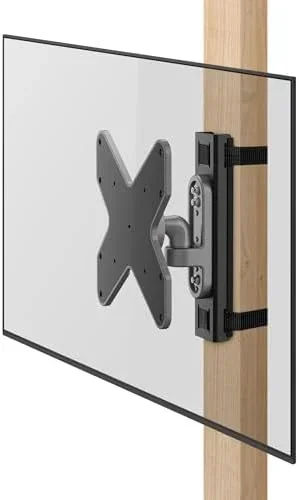
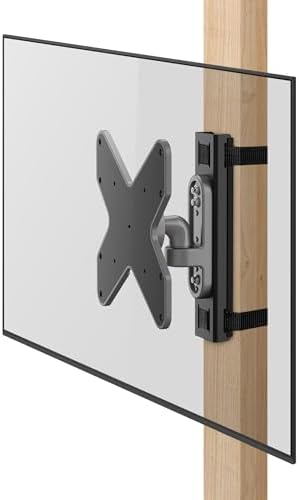
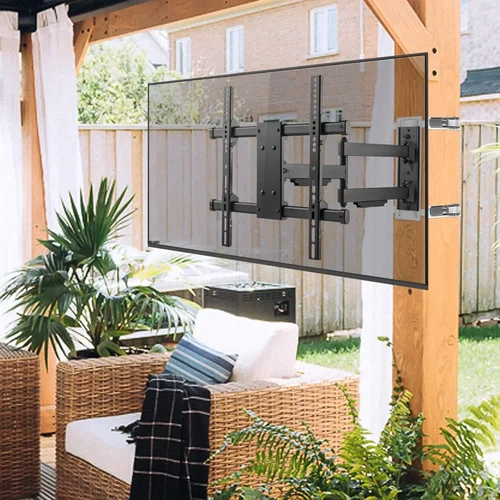
What to do instead: Purchase a VESA-compatible outdoor wall or ceiling mount rated for your TV’s weight and size. Ensure it’s rust-proof (powder-coated steel or aluminum) and allows for tilt/swivel if needed. Professional installation is recommended for ceiling mounts.
❌ Mistake: Skimping on Audio
Why it’s bad: Built-in TV speakers are notoriously weak, especially outdoors where sound dissipates quickly. You’ll end up straining to hear dialogue over wind, traffic, or chatter.
What to do instead: Plan for external audio from day one. Invest in weatherproof Bluetooth speakers or a compact outdoor soundbar. Many budget patio TVs support audio output via optical or 3.5mm jack—use it!
❌ Mistake: Not Checking Return and Warranty Policies
Why it’s bad: Outdoor electronics are prone to issues that may not appear immediately. If a TV fails after 45 days and the return window is only 30 days, you’re stuck with a lemon.
What to do instead: Buy from retailers with generous return windows (90 days or more) and ensure the manufacturer warranty covers outdoor use. Keep all receipts and packaging.
❌ Mistake: Choosing Based Solely on Price
Why it’s bad: The cheapest TV often cuts corners on critical features like brightness, sealing, or build quality. You may save $100 upfront but spend $300 on repairs or replacement within a year.
What to do instead: Focus on value, not just cost. A $600 TV that lasts 5 years is a better deal than a $400 TV that fails in 18 months. Use our budget breakdown below to find your optimal tier.
❌ Mistake: Forgetting About Power and Connectivity
Why it’s bad: Running extension cords across your patio creates tripping hazards and looks messy. Limited HDMI ports mean you can’t connect a streaming stick, game console, and cable box simultaneously.
What to do instead: Ensure your gazebo has a nearby GFCI-protected outlet. Choose a TV with multiple HDMI ports and consider a surge protector designed for outdoor use. Pre-run cables through conduit if possible.
Budget Guidelines: How Much Should You Spend?
Entry-Level ($300–$500): This tier includes basic semi-outdoor models or indoor TVs paired with enclosures. Expect smaller screens (43 inches or less), lower brightness (500–700 nits), limited smart features, and minimal weather sealing. Best for fully shaded gazebos with minimal sun exposure and casual use. Brands like Hisense and TCL offer decent options here, but scrutinize reviews carefully.
Mid-Range ($500–$800): The sweet spot for most buyers. These TVs typically offer 50–55-inch screens, 700–1,000+ nits brightness, IP54 or IP55 ratings, full smart platforms (Roku, Android TV), and better build quality. Models from Samsung’s “Outdoor” series (like the UN50TU7000) or SunBrite’s Veranda series fall here. Ideal for partially sunny gazebos and regular use.
Premium ($800–$1,200): For enthusiasts who want top-tier performance without commercial-grade prices. Expect 4K HDR, 1,000+ nits, robust weatherproofing, advanced cooling, and premium audio support. These TVs handle direct sun better and often include extended warranties. Great for larger gazebos or those who host frequently.
Luxury ($1,200+): Reserved for fully sealed, all-weather TVs from brands like SunBrite Pro or Peerless-AV. These are overkill for most gazebos but excel in extreme conditions. Only consider if your gazebo is nearly fully exposed or you demand absolute reliability.
Expert Tips for Getting the Best Deal
- Shop during off-seasons: Late summer and early fall see the biggest discounts on outdoor electronics as retailers clear inventory. Black Friday and Cyber Monday also offer solid deals, but selection may be limited.
- Compare total package costs: Some “budget” TVs don’t include mounts or cables. Add up the cost of必需的 accessories before comparing prices.
- Use price-tracking tools: Websites like CamelCamelCamel (for Amazon) or Honey alert you when prices drop on specific models.
- Check for open-box or refurbished deals: Authorized retailers often sell returned or demo units at 20–30% off with full warranties.
- Negotiate with local installers: Some outdoor AV specialists offer bundled pricing on TVs and installation—ask if they have preferred brands or current promotions.
- Verify compatibility with your setup: Ensure your streaming devices, sound systems, and mounts work with the TV’s ports and OS before buying.
- Read the warranty fine print: Some brands require professional installation to validate outdoor warranties—don’t skip this step.
- Test brightness in person if possible: If buying in-store, ask to see the TV under bright lighting. Online, rely on video reviews shot outdoors.

Frequently Asked Questions
Q: Can I use a regular TV under my gazebo?
A: Technically yes, but it’s not recommended. Without proper weatherproofing, humidity, temperature swings, and even indirect moisture can damage the TV over time. If you must, use a certified outdoor enclosure—but this often costs nearly as much as a dedicated patio TV.
Q: What’s the minimum brightness I need for a gazebo TV?
A: For fully shaded gazebos, 500–700 nits may suffice. For areas with partial sun, aim for 700–1,000+ nits. Direct sun requires 1,500+ nits, which usually pushes you into premium tiers.
Q: Do I need a special mount for a patio TV?
A: Yes. Use a VESA-compatible outdoor mount made of rust-proof materials. Indoor mounts aren’t designed to withstand weather and may corrode or fail.
Q: How do I protect my TV from rain?
A: Even IP55-rated TVs shouldn’t be exposed to direct rain. Ensure your gazebo has adequate overhang or install a weatherproof cover when not in use. Never place the TV where water can drip onto it.
Q: Can I leave my patio TV outside year-round?
A: Only if it’s rated for full outdoor use and your climate stays within its operating temperature range. In areas with freezing winters, consider storing the TV indoors or using a heated enclosure.
Q: Are smart features reliable outdoors?
A: Generally yes, but Wi-Fi signal strength can be weaker under a gazebo roof. Use a Wi-Fi extender or mesh network to ensure stable streaming. Dual-band Wi-Fi (2.4GHz/5GHz) helps avoid interference.
Q: What’s the difference between IP54 and IP55?
A: IP54 protects against dust and splashing water from any direction. IP55 adds protection against low-pressure water jets (like a garden hose). For gazebos, IP55 is preferable.
Q: How long do budget patio TVs last?
A: With proper care, most last 4–7 years. Cheaper models may fail sooner due to component stress from heat or humidity. Extended warranties can provide peace of mind.
Q: Can I connect a soundbar to a patio TV?
A: Yes, via HDMI ARC, optical audio, or Bluetooth—if the TV supports it. Ensure the soundbar is also weather-resistant or placed under cover.
Q: Is 4K worth it for outdoor viewing?
A: Yes, especially on screens 50 inches or larger. The increased detail is noticeable even at typical viewing distances, and most streaming content is now in 4K.
Our Final Recommendations
Best for Budget-Conscious Buyers: Hisense 50A6G Outdoor Edition – At around $450, this 50-inch 4K TV offers 800 nits brightness, IP54 rating, and Roku TV built-in. Great for shaded gazebos and delivers solid value.
Best Overall Value: Samsung UN55TU7000 Outdoor Model – Priced near $700, it boasts 1,000+ nits, IP55 sealing, Tizen OS, and excellent color accuracy. A reliable choice for most semi-outdoor setups.
Best Premium Option: SunBrite Veranda Series 55-inch – Around $1,100, this model features 1,200 nits, full weatherproofing, and a three-year warranty. Ideal for sunny gazebos and heavy use.
Best for Beginners: TCL 43S535 Outdoor-Ready – Simple setup, intuitive Roku interface, and 700 nits brightness make this $380 TV perfect for first-time outdoor viewers.
Best for Advanced Users: LG 55UN7300 Outdoor Variant – With webOS, Dolby Vision, and 900 nits, this $750 model offers premium features in a budget-friendly package for tech-savvy buyers.
Conclusion: Making the Right Choice
Selecting the right budget patio TV for your gazebo doesn’t have to be overwhelming—or expensive. By focusing on key factors like brightness, weather resistance, smart functionality, and real-world durability, you can find a model that delivers excellent performance without overspending. Remember, the cheapest option isn’t always the best value, and cutting corners on critical specs like IP rating or nits can lead to frustration and premature replacement.
Prioritize your specific needs: How much sun does your gazebo get? Will you use it daily or seasonally? Do you need strong audio or just basic streaming? Answering these questions will guide you toward the perfect balance of cost, quality, and convenience. And don’t forget to factor in installation, accessories, and long-term support—these details make all the difference in your overall satisfaction.
With the insights from this guide, you’re now equipped to make a confident, informed decision. Whether you’re unwinding with a quiet evening show or hosting a lively backyard gathering, your patio TV should enhance the experience—not detract from it. Take your time, compare options, read real user reviews, and invest wisely. Your ideal outdoor entertainment setup is within reach.

