
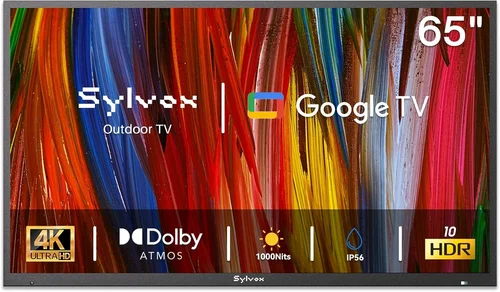
Outdoor sports viewing has evolved from a casual backyard activity into a full-fledged entertainment experience. Whether you’re hosting a game-day party for the Super Bowl, catching the World Cup final under the stars, or simply enjoying your favorite team’s match with friends and family, having the right TV can make all the difference. But here’s the catch: most indoor TVs aren’t built to handle the challenges of outdoor environments—bright sunlight, temperature swings, humidity, dust, and even rain. That’s where outdoor TVs come in. Designed specifically for open-air use, these displays are engineered to deliver clear, vibrant visuals no matter the weather or lighting conditions.
However, high-quality outdoor TVs often come with premium price tags, which can be a barrier for many consumers. The good news? In 2026, the market has expanded significantly, offering more affordable options without sacrificing essential performance. This guide is designed to help you navigate that landscape. Whether you’re on a tight budget or just looking for the best value for your money, we’ll walk you through everything you need to know to make an informed decision. You’ll learn what features matter most, how to avoid common pitfalls, and where to find the best deals—all while staying within your financial comfort zone.
The outdoor TV market today is more diverse than ever. From fully weatherproof models with anti-glare screens to portable options that double as indoor displays, there’s something for every setup and lifestyle. Brands like SunBrite, Samsung, LG, and newer entrants like Sylvane and Outdoor TV Direct have introduced budget-friendly lines that cater specifically to cost-conscious buyers who still want reliable performance. With advancements in display technology, smart features, and ruggedized construction, you no longer have to spend thousands to enjoy a great outdoor viewing experience. This guide will help you cut through the noise and find the perfect balance of price, performance, and durability.

What to Look for When Buying Buying Guide
1. Budget & Price Range
Setting a realistic budget is the first and most important step in choosing an outdoor TV. While it’s tempting to go for the cheapest option available, doing so can lead to disappointment down the line. Budget outdoor TVs typically range from $500 to $1,500, with entry-level models starting around $400 and mid-tier options reaching up to $2,000. The key is to determine what you’re willing to spend and then prioritize features that align with your needs.
For example, if you only plan to watch games a few times a year during summer gatherings, a lower-cost model with basic weather resistance might suffice. But if you’re using the TV regularly—say, for nightly viewing or year-round entertainment—you’ll want to invest in something more durable and feature-rich. Keep in mind that cheaper models may lack essential protections like sealed ports, UV-resistant casings, or advanced anti-reflective coatings. These omissions can lead to premature wear, reduced image quality, or even complete failure in harsh conditions.
It’s also wise to factor in additional costs such as mounting hardware, weatherproof enclosures (if not included), and extended warranties. Some retailers bundle these items, which can save you money in the long run. Always compare total ownership costs, not just the sticker price.
2. Performance Specifications
When evaluating performance, focus on three core specs: brightness (measured in nits), resolution, and refresh rate. Outdoor environments are notoriously bright, especially during daytime viewing. A standard indoor TV typically peaks at 300–400 nits, which is easily washed out in direct sunlight. For outdoor use, you’ll want a minimum of 700 nits, with 1,000+ nits being ideal for sunny patios or decks.
Resolution should be at least Full HD (1920×1080), but 4K UHD is increasingly common even in budget models. While 4K offers sharper detail, its benefits are most noticeable on larger screens or when sitting close. For most outdoor setups—where viewers are seated 8–12 feet away—Full HD is often sufficient and more cost-effective.
Refresh rate matters for fast-paced sports. Look for a TV with a native refresh rate of 60Hz or higher. Some models advertise “motion rate” or “effective refresh rate,” which can be misleading. Stick to the native spec. A higher refresh rate reduces motion blur during rapid camera pans or player movements, making games like football, soccer, and basketball look smoother and more immersive.
3. Build Quality & Durability
Outdoor TVs must withstand elements that indoor models never encounter: rain, snow, dust, extreme temperatures, and UV exposure. The build quality directly impacts longevity and reliability. Start by checking the IP (Ingress Protection) rating. An IP55 rating means the TV is protected against dust and low-pressure water jets—suitable for covered patios. For fully exposed areas, aim for IP65 or higher, which offers complete dust protection and resistance to water projected from any direction.
The materials used in the chassis and screen also matter. Aluminum or powder-coated steel frames resist rust and corrosion better than plastic. Look for sealed cable ports, reinforced hinges (if it has a tilting mount), and tempered glass screens that resist scratches and shattering. Some budget models use “weather-resistant” instead of “weatherproof” labeling—be cautious. Weather-resistant may only mean it can handle light moisture, not sustained exposure.
Temperature tolerance is another critical factor. Most outdoor TVs operate between -22°F and 122°F (-30°C to 50°C). If you live in an area with harsh winters or scorching summers, verify that the model you’re considering can handle your local climate. Internal heaters or cooling fans are rare in budget models but worth seeking out if you experience extreme conditions.
4. Features & Functionality
Modern outdoor TVs come packed with smart features, but not all are created equal—especially at lower price points. Smart TV platforms like Roku TV, Android TV, or webOS allow you to stream content directly from apps like YouTube, Netflix, or ESPN without needing an external device. However, budget models may run older versions of these platforms or have slower processors, leading to laggy interfaces or app crashes.
Check for built-in Wi-Fi (dual-band 2.4GHz/5GHz is preferred for stability) and sufficient HDMI ports (at least two, ideally three). USB ports are useful for playing media files or connecting peripherals. Some models include Bluetooth for wireless audio, which is great for pairing outdoor speakers without running cables.
Another feature to consider is local dimming or HDR support. While HDR (High Dynamic Range) enhances contrast and color depth, its effectiveness outdoors depends on screen brightness. A bright HDR display can make nighttime scenes pop, but in daylight, the benefits may be less noticeable. Still, it’s a nice-to-have if the price difference is minimal.
Voice control via Alexa or Google Assistant is increasingly common, even in budget models. This can be handy for changing channels or adjusting volume without fumbling for a remote in the dark.
5. Brand Reputation
Not all brands are equal when it comes to outdoor TVs. Established names like SunBrite (a pioneer in the space) and Samsung offer proven reliability and customer support. However, their products often come at a premium. In recent years, newer brands like Sylvane, Outdoor TV Direct, and Hisense have entered the market with competitive pricing and solid performance.
Research brand reputation by reading professional reviews, checking customer feedback on retail sites, and looking into how long the company has been in business. A brand with a history of innovation and responsive customer service is more likely to honor warranties and provide timely repairs. Avoid unknown or “no-name” brands that offer suspiciously low prices—these often cut corners on materials and testing.
Also, consider whether the brand offers outdoor-specific support. Some companies provide installation guides, mounting kits, or even on-site assistance, which can be invaluable if you’re not DIY-savvy.
6. Warranty & Support
A strong warranty is a sign of confidence in a product’s durability. Most reputable outdoor TV manufacturers offer at least a one-year limited warranty, covering defects in materials and workmanship. Premium brands may extend this to two or three years. Pay attention to what’s included: does it cover accidental damage? What about weather-related failures?
Extended warranties are available for purchase, but weigh the cost against the likelihood of needing repairs. For a $600 TV, a $100 extended warranty might not be worth it unless you live in a particularly harsh environment. Instead, look for brands that offer free repair or replacement within the first year.
Customer support responsiveness is equally important. Can you reach a real person quickly? Is there a dedicated outdoor TV support line? Check forums and review sites for complaints about slow service or denied claims. A good warranty is only valuable if it’s honored promptly.
7. Size & Portability
Screen size should match your viewing distance and space constraints. For most outdoor setups, 50 to 65 inches is ideal. At 8–10 feet away, a 55-inch screen provides an immersive experience without overwhelming the space. Larger screens (70+ inches) are great for big gatherings but require more power and a sturdier mount.
Portability is a consideration if you plan to move the TV between indoor and outdoor use. Some budget models are lightweight and come with carrying handles, making them easy to transport. Others are permanently mounted and not designed for frequent relocation. If you want flexibility, look for a TV that’s both weather-resistant and easy to install/remove.
Weight also matters for mounting. Heavier TVs need stronger brackets and wall reinforcements. Check the VESA mount pattern (the screw hole layout on the back) to ensure compatibility with your chosen mount. Most outdoor TVs support standard VESA sizes (200×200, 400×400, etc.), but always double-check.
8. User Reviews & Ratings
Never rely solely on manufacturer specs. Real-world user reviews provide invaluable insights into long-term performance, ease of setup, and hidden flaws. Look for patterns in feedback: if multiple users report screen flickering after six months, that’s a red flag. Conversely, consistent praise for brightness or durability is a strong endorsement.
Focus on reviews from buyers in similar climates and usage scenarios. A TV that performs well in a dry desert may struggle in a humid coastal area. Sites like Amazon, Best Buy, and specialized forums like AVS Forum or Reddit’s r/outdoortv are excellent resources.
Be wary of fake reviews. Look for detailed, balanced feedback with photos or videos. Verified purchase tags add credibility. If a product has hundreds of five-star reviews but few written details, proceed with caution.
Different Types of Buying Guide

Common Buying Mistakes to Avoid
❌ Mistake: Buying a Regular Indoor TV for Outdoor Use
Why it’s bad: Indoor TVs lack the brightness, weather protection, and thermal management needed for outdoor environments. They can overheat, suffer screen glare, or fail completely when exposed to moisture or temperature swings.
What to do instead: Always choose a TV specifically designed for outdoor use. Even if it’s placed under a roof, ambient conditions differ significantly from indoor spaces.
❌ Mistake: Ignoring Brightness (Nits) Ratings
Why it’s bad: A dim screen will be unwatchable in daylight, turning your expensive purchase into a decorative mirror.
What to do instead: Prioritize models with at least 700 nits, and aim for 1,000+ if you’ll be watching during the day. Check independent reviews for real-world brightness tests.
❌ Mistake: Overlooking Mounting Requirements
Why it’s bad: Outdoor TVs often require specialized mounts that can handle wind load, weight, and corrosion. Using a standard indoor mount can lead to instability or damage.
What to do instead: Purchase a mount rated for outdoor use and compatible with your TV’s VESA pattern. Consider tilt and swivel options for optimal viewing angles.
❌ Mistake: Skipping the Warranty Fine Print
Why it’s bad: Some warranties exclude weather-related damage or require professional installation to remain valid.
What to do instead: Read the warranty terms carefully. Opt for brands that clearly cover outdoor use and offer hassle-free claims.
❌ Mistake: Choosing Based Solely on Price
Why it’s bad: The cheapest option may lack essential features like sealed ports, anti-glare coating, or adequate brightness, leading to frustration and early replacement.
What to do instead: Balance cost with key performance and durability metrics. Sometimes spending $200 more upfront saves you $500 in the long run.
❌ Mistake: Not Testing Before Committing
Why it’s bad: You might discover issues like poor remote range, slow app loading, or weak Wi-Fi signal only after installation.
What to do instead: If possible, test the TV in-store or choose a retailer with a generous return policy (30 days or more).
❌ Mistake: Forgetting About Audio
Why it’s bad: Many outdoor TVs have weak built-in speakers that struggle to compete with ambient noise like wind or traffic.
What to do instead: Plan for external weatherproof speakers or a soundbar. Some models include audio outputs for easy connection.
Budget Guidelines: How Much Should You Spend?
- Entry-Level ($400–$700): Ideal for occasional use in covered areas. Expect basic weather resistance (IP55), 700–800 nits brightness, Full HD resolution, and limited smart features. Brands like Hisense and TCL offer decent options in this range. Great for casual viewers who prioritize affordability over premium performance.
- Mid-Range ($700–$1,200): The sweet spot for most buyers. These models typically feature 1,000+ nits brightness, 4K resolution, robust IP65 ratings, and reliable smart platforms. You’ll find strong contenders from Sylvane, Outdoor TV Direct, and select Samsung models. Perfect for regular outdoor entertainment with good durability and features.
- Premium ($1,200–$2,000): For enthusiasts who want top-tier performance and longevity. Expect advanced anti-reflective coatings, wider temperature tolerances, faster processors, and superior audio. SunBrite and premium LG models dominate this tier. Ideal for year-round use in exposed locations.
- Luxury ($2,000+): Reserved for commercial installations or ultra-dedicated homeowners. These include features like motorized sunshades, integrated cooling systems, and custom calibration. Overkill for most residential users but unmatched in performance and reliability.
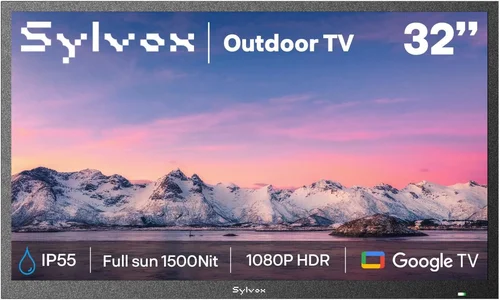
Expert Tips for Getting the Best Deal
- Shop During Off-Season: Prices drop in late fall and winter when demand is low. Look for Black Friday, Cyber Monday, and post-holiday sales for discounts of 20–30%.
- Compare Retailers: Check Amazon, Best Buy, Costco, and specialty outdoor electronics stores. Some offer price matching or exclusive bundles.
- Sign Up for Alerts: Use tools like Honey, CamelCamelCamel, or retailer newsletters to track price drops on specific models.
- Consider Refurbished Models: Certified refurbished outdoor TVs from reputable sellers often come with warranties and can save you 25–40%.
- Bundle with Installation: Some retailers offer free or discounted professional installation with purchase—valuable if you’re not comfortable mounting yourself.
- Check Return Policies: Ensure you have at least 30 days to return the TV if it doesn’t meet expectations. Outdoor performance can vary based on your specific environment.
- Read the Manual Before Buying: Download the user manual online to check setup requirements, port locations, and compatibility with your existing gear.
- Ask About Local Climate Support: Contact customer service to confirm the TV is suitable for your region’s temperature and humidity levels.

Frequently Asked Questions
Q: Can I use a regular TV outside if it’s under a roof?
A: Technically yes, but it’s not recommended. Even under cover, outdoor conditions—like temperature fluctuations, humidity, and dust—can damage internal components over time. A dedicated outdoor TV is built to handle these factors and will last significantly longer.
Q: Do outdoor TVs need special power outlets?
A: No, most outdoor TVs use standard 120V outlets. However, ensure your outdoor electrical setup is GFCI-protected for safety, especially in damp areas.
Q: How do I clean an outdoor TV screen?
A: Use a microfiber cloth and a mild cleaner designed for electronics. Avoid ammonia-based products or abrasive materials. Turn off and unplug the TV before cleaning.
Q: Will an outdoor TV work in the rain?
A: Only if it has an IP65 or higher rating. These models are sealed against water ingress. Never spray water directly on the screen or ports.
Q: Can I mount an outdoor TV on a pole or freestanding frame?
A: Yes, as long as the mount is rated for outdoor use and can support the TV’s weight and wind load. Concrete footings or heavy bases are recommended for stability.
Q: Do outdoor TVs come with remotes that work in the dark?
A: Many include backlit or glow-in-the-dark buttons. Check the product specs or reviews to confirm.
Q: Are outdoor TVs energy efficient?
A: Modern models are generally Energy Star certified and use similar power to indoor TVs of the same size. Brightness settings can be adjusted to save energy.
Q: Can I connect a gaming console to an outdoor TV?
A: Absolutely. Most outdoor TVs have HDMI ports compatible with Xbox, PlayStation, and Nintendo Switch. Just ensure the model supports the required refresh rate for smooth gameplay.
Q: What’s the difference between “weather-resistant” and “weatherproof”?
A: Weather-resistant means the TV can handle light moisture and dust but isn’t fully sealed. Weatherproof (or waterproof) indicates full protection against water and dust, typically with an IP65+ rating.
Q: How long do outdoor TVs typically last?
A: With proper care, a quality outdoor TV can last 7–10 years or more. Cheaper models may fail sooner due to material degradation or component wear.
Our Final Recommendations
- Best for Budget-Conscious Buyers: Hisense 55H7F Outdoor Smart TV – At around $550, it offers 800 nits brightness, Full HD resolution, Roku TV platform, and IP55 rating. Great for covered patios and occasional use.
- Best Overall Value: Sylvane 55″ 4K Ultra Bright Outdoor TV – Priced at $999, it delivers 1,200 nits, 4K HDR, IP65 protection, and Android TV. Excellent balance of performance, durability, and smart features.
- Best Premium Option: SunBrite Veranda Series 65″ 4K – At $1,799, it’s built for extreme conditions with 2,000 nits brightness, full weatherproofing, and a 3-year warranty. Ideal for exposed decks and year-round viewing.
- Best for Beginners: Outdoor TV Direct 50″ All-Weather Smart TV – Simple setup, intuitive interface, and strong customer support. Priced at $749, it’s perfect for first-time outdoor TV owners.
- Best for Advanced Users: Samsung The Terrace 65″ Partial Sun – At $1,599, it features Quantum Dot technology, 1,500 nits, and seamless integration with Samsung’s ecosystem. Ideal for tech-savvy users who want cutting-edge performance.
Conclusion: Making the Right Choice
Choosing the right budget outdoor TV doesn’t have to be overwhelming. By focusing on key factors like brightness, build quality, smart features, and warranty, you can find a model that delivers excellent performance without breaking the bank. Remember, the goal isn’t to get the cheapest TV—it’s to get the best value for your specific needs and environment.
Start by assessing how and where you’ll use the TV. Will it be under cover or fully exposed? How often will you watch? What’s your ideal screen size? Once you’ve answered these questions, use this guide to narrow down your options and avoid common pitfalls. Don’t rush the decision—take time to read reviews, compare specs, and consider long-term costs.
Investing in a quality outdoor TV transforms your backyard into a true entertainment hub. Whether you’re cheering on your team, hosting movie nights, or simply enjoying the fresh air with a show, the right display makes all the difference. With the insights and recommendations in this guide, you’re well-equipped to make a smart, confident purchase that will bring joy for years to come.
So go ahead—step outside, press play, and enjoy the game like never before. Your perfect outdoor viewing experience is just a well-chosen TV away.

