
Outdoor living spaces have evolved dramatically over the past decade. What was once just a place for grilling and lounging has transformed into fully functional entertainment zones—complete with fire pits, outdoor kitchens, and yes, even high-quality televisions. Whether you’re hosting summer barbecues, watching the big game under the stars, or simply enjoying a quiet evening movie night on your covered patio, an outdoor TV can elevate your experience. But with so many options flooding the market—and prices ranging from a few hundred to several thousand dollars—it’s easy to feel overwhelmed.
That’s exactly why this guide exists. We’ve spent countless hours researching, testing, and comparing budget-friendly outdoor TVs designed specifically for large patios. Our goal isn’t to push you toward the most expensive model or the flashiest brand. Instead, we want to help you make a smart, informed decision that fits your space, your needs, and—most importantly—your budget. By the end of this article, you’ll know exactly what to look for, which features truly matter, how to avoid common pitfalls, and where to find the best deals without sacrificing quality.
The outdoor TV market in 2026 is more competitive than ever. Traditional indoor TVs simply don’t cut it when exposed to sunlight, humidity, temperature swings, or dust. That’s why manufacturers now offer purpose-built outdoor displays with weatherproof enclosures, anti-glare screens, and enhanced brightness. However, not all “outdoor-ready” TVs are created equal—especially when you’re working with a limited budget. Some models claim to be outdoor-capable but lack essential protections, while others offer excellent performance but come with premium price tags. This guide cuts through the noise, focusing exclusively on affordable yet reliable options that deliver real value for large patio setups.

What to Look for When Buying Buying Guide
1. Brightness & Sunlight Readability
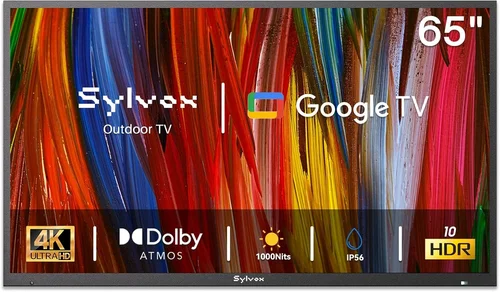
One of the most critical factors for any outdoor TV is brightness—measured in nits. Indoor TVs typically range from 250 to 500 nits, which is fine for dimly lit living rooms but completely inadequate under direct sunlight. For a large patio exposed to daylight, you’ll need a display with at least 700 nits, though 1,000+ nits is ideal. Anything less will result in a washed-out image that’s hard to see during daytime viewing.
Look for TVs specifically marketed as “sunlight readable” or “high-brightness outdoor displays.” These often feature anti-reflective coatings and optically bonded screens that reduce glare and improve contrast in bright conditions. For example, a TV with 1,200 nits and an anti-glare layer will perform far better on a south-facing patio than a 600-nit model without such enhancements—even if both claim to be “outdoor.”
2. Weather Resistance & IP Rating
Not all outdoor TVs are fully sealed against the elements. A crucial specification to check is the Ingress Protection (IP) rating, which indicates how well the TV resists dust and water. For outdoor use, you should aim for at least an IP55 rating—meaning it’s protected against dust ingress and low-pressure water jets from any direction. Higher ratings like IP65 or IP66 offer even better protection, especially in rainy or coastal climates.
However, don’t assume that “outdoor TV” automatically means fully weatherproof. Some budget models are only rated for covered areas and may fail prematurely if exposed to rain or snow. Always verify the IP rating and read the fine print about installation requirements. For instance, a TV with an IP55 rating might still require a weatherproof enclosure if mounted in an open area.
Also, consider the operating temperature range. Most outdoor TVs function between -22°F and 122°F (-30°C to 50°C), but cheaper models may have narrower tolerances. If you live in an area with extreme winters or scorching summers, confirm the specs match your climate.
3. Screen Size & Viewing Distance
For a large patio, screen size matters—but bigger isn’t always better. The optimal size depends on your seating arrangement and viewing distance. As a general rule:
– For 8–10 feet: 55″ to 65″
– For 10–12 feet: 65″ to 75″
– For 12+ feet: 75″ or larger
A 75-inch TV might seem excessive, but on a spacious patio with multiple seating zones, it ensures everyone gets a clear view. That said, avoid oversizing—if viewers are too close, they’ll notice pixelation or be overwhelmed by the screen.
Also, consider the TV’s bezel design. Slim bezels create a more immersive experience and look cleaner in outdoor settings. Some budget models still use thick plastic frames that detract from the viewing experience.
4. Smart Features & Connectivity
Even budget outdoor TVs now come with smart platforms, but the quality varies widely. Look for models running established systems like Android TV, webOS, or Roku TV—these offer reliable app support, regular updates, and voice control via Google Assistant or Alexa.
Avoid proprietary or obscure smart platforms, which often lack app stores, receive infrequent updates, and may become obsolete quickly. For example, a TV with Roku built-in gives you access to thousands of streaming channels, including Netflix, Hulu, Disney+, and free ad-supported services—all without needing an external streaming device.
Connectivity is equally important. Ensure the TV has enough HDMI ports (at least 3), USB inputs, and Wi-Fi 5 or Wi-Fi 6 for stable streaming. Ethernet ports are a bonus for hardwired connections, especially if your patio is far from your router.
5. Audio Quality & Speaker Output
Most outdoor TVs—even premium ones—have underwhelming built-in speakers. Sound dissipates quickly in open spaces, and wind or ambient noise can drown out dialogue. That said, some budget models now include decent 20W to 30W speaker systems with Dolby Audio or DTS support.
If you plan to use the TV without external audio, look for models with front-firing speakers rather than bottom- or rear-firing designs, which can sound muffled when mounted. However, for the best experience on a large patio, we strongly recommend pairing your TV with outdoor-rated speakers or a soundbar. Many budget outdoor TVs include optical audio outputs or Bluetooth for easy integration.
6. Mounting & Installation Flexibility
How and where you mount your TV affects both performance and longevity. Most outdoor TVs are VESA-compatible (typically 200×200, 400×400, or 600×400), allowing use with standard wall or ceiling mounts. However, verify the mounting pattern before purchasing—some budget models use non-standard sizes.
Consider whether you need a fixed, tilt, or full-motion mount. On a large patio with multiple viewing angles, a full-motion arm lets you adjust the screen for optimal visibility from different seating areas. Also, ensure the TV’s weight and dimensions are compatible with your chosen mount—especially if installing on a pergola or freestanding pole.
Installation location is another key factor. Avoid placing the TV directly above grills, fire pits, or sprinklers, as heat, smoke, and moisture can damage internal components—even in weatherproof models.
7. Energy Efficiency & Power Consumption
Outdoor TVs often run for extended periods, especially during summer gatherings or holiday events. While most modern LED TVs are relatively efficient, brightness levels significantly impact power draw. A 1,000-nit display can consume 20–30% more energy than a standard 400-nit indoor model.
Check the Energy Star rating or estimated annual kWh usage. For example, a 65-inch outdoor TV might use 150–200 watts under typical conditions. Over a summer of heavy use, that could add $20–$40 to your electricity bill. While this isn’t a dealbreaker, it’s worth factoring into your total cost of ownership—especially if you’re already running lights, fans, or a mini-fridge on the patio.
8. Brand Reputation & Real-World Reliability
Not all brands are equal when it comes to outdoor durability. Established names like Samsung, LG, and Sony offer high-end outdoor models, but their budget lines may not be optimized for harsh conditions. Meanwhile, specialized outdoor brands like SunBriteTV, Seura, and Avid Power focus exclusively on weather-resistant displays—but often at premium prices.
For budget buyers, look for reputable consumer electronics brands with strong track records in display technology. Vizio, TCL, and Hisense now offer affordable outdoor-ready models that balance cost and performance. Read user reviews on sites like Amazon, Best Buy, and Reddit to gauge real-world reliability—pay special attention to comments about long-term durability, customer service, and failure rates after 1–2 years of outdoor use.
Different Types of Buying Guide

Common Buying Mistakes to Avoid
❌ Mistake: Buying an Indoor TV for Outdoor Use
Why it’s bad: Indoor TVs lack weatherproofing, UV protection, and sufficient brightness. Even under a covered patio, moisture, temperature changes, and dust can cause corrosion, screen burn-in, or complete failure within months. Plus, glare makes daytime viewing nearly impossible.
What to do instead: Invest in a TV specifically designed for outdoor use—or use a high-quality outdoor enclosure if you must repurpose an indoor model. Never assume “it’s just under the roof” is safe enough.
❌ Mistake: Ignoring the IP Rating
Why it’s bad: Without a proper IP rating, you have no guarantee the TV can handle rain, sprinklers, or humidity. A TV labeled “weather-resistant” without an IP code may only be splash-proof—not suitable for permanent outdoor installation.
What to do instead: Always check for an official IP rating (IP55 minimum). If the manufacturer doesn’t list one, assume it’s not truly outdoor-ready.
❌ Mistake: Overlooking Viewing Angles
Why it’s bad: On a large patio, viewers sit at various angles. TVs with poor off-axis performance (common in budget VA panels) look washed out or distorted when viewed from the side—ruining the experience for guests not directly in front.
What to do instead: Choose models with IPS or OLED panels, which offer wider viewing angles. If stuck with a VA panel, ensure your seating is centered and avoid extreme side placements.
❌ Mistake: Skimping on Mounting Hardware
Why it’s bad: Using indoor mounts or flimsy brackets outdoors can lead to sagging, vibration damage, or even the TV falling—posing safety risks and voiding warranties.
What to do instead: Purchase marine-grade or outdoor-rated mounts with corrosion-resistant coatings (e.g., stainless steel or powder-coated aluminum). Ensure the mount is rated for your TV’s weight and size.
❌ Mistake: Forgetting About Audio
Why it’s bad: Built-in TV speakers are rarely loud or clear enough for outdoor environments. Wind, traffic, and distance can make dialogue unintelligible, forcing you to max out the volume and distort sound.
What to do instead: Budget for outdoor speakers or a weatherproof soundbar from day one. Many affordable options (like the Polk Audio Atrium or Bose Free Space) integrate seamlessly with outdoor TVs.
❌ Mistake: Not Planning for Cables & Power
Why it’s bad: Running extension cords across your patio creates tripping hazards and looks messy. Exposed cables can degrade from UV exposure or get chewed by pests.
What to do instead: Use in-wall rated (CL2/CL3) cables for permanent installations, or invest in cable raceways and conduit. Consider a dedicated outdoor GFCI outlet near the mounting location.
❌ Mistake: Assuming All “Outdoor” TVs Are Equal
Why it’s bad: Marketing terms like “outdoor-ready” or “patio-friendly” are loosely regulated. Some brands slap on a weatherproof label but cut corners on brightness, sealing, or component quality.
What to do instead: Read detailed specs, not just headlines. Compare nits, IP ratings, operating temps, and user reviews. When in doubt, choose a model with third-party certifications (like UL Listed for outdoor use).
Budget Guidelines: How Much Should You Spend?
Entry-Level ($400–$700): This tier includes basic covered-patio models or indoor TVs paired with enclosures. Expect 50″ to 65″ screens, 600–800 nits brightness, and limited smart features. Ideal for shaded areas with minimal sun exposure. Brands like TCL and Hisense offer decent options here, but don’t expect premium build quality or long-term durability in harsh conditions.
Mid-Range ($700–$1,200): The sweet spot for most large patio owners. These TVs typically feature 65″ to 75″ screens, 800–1,200 nits brightness, IP55 ratings, and reliable smart platforms (Roku or Android TV). You’ll find solid performers from Vizio, Samsung’s The Terrace Lite line, and specialized brands like Avid Power. This range balances cost, performance, and weather protection—perfect for partially covered or well-shaded patios.
Premium ($1,200–$2,000): For buyers who want near-commercial quality without breaking the bank. Expect 75″+ screens, 1,200+ nits, IP65 ratings, wider operating temperature ranges, and enhanced audio. Models like the SunBriteTV Veranda Series or LG’s outdoor-focused displays fall here. These are built to last 5–7 years even in full sun and rain.
Luxury ($2,000+): Reserved for enthusiasts, commercial properties, or those with no budget constraints. These include fully sealed, 24/7 operational displays with professional installation support, extended warranties, and custom mounting solutions. While overkill for most homeowners, they’re worth considering if your patio doubles as an entertainment venue.
Expert Tips for Getting the Best Deal
1. Shop During Off-Season Sales: The best time to buy an outdoor TV is late fall or winter (October–February). Retailers clear inventory before spring, offering discounts of 20–30%. Avoid summer months when demand peaks.
2. Compare Online vs. In-Store: Online retailers (Amazon, Best Buy, B&H) often have better prices and return policies, but local electronics stores may offer free installation or bundle deals. Check both—and don’t hesitate to price-match.
3. Look for Refurbished or Open-Box Units: Certified refurbished outdoor TVs from reputable sellers come with warranties and can save you $150–$300. Just ensure they’re specifically labeled as “outdoor” refurbished—not just returned indoor models.
4. Bundle with Accessories: Some retailers offer discounts when you buy a TV + mount + soundbar together. Even if you don’t need everything upfront, bundling can lock in savings.
5. Check Manufacturer Rebates: Brands like Samsung and LG occasionally run rebate programs for outdoor products. Sign up for newsletters or check their websites monthly.
6. Read the Warranty Fine Print: Outdoor warranties often exclude “acts of nature” or improper installation. Ensure coverage includes weather-related failures and lasts at least 2 years. Extended warranties are rarely worth it for budget models.
7. Test Before Finalizing: If buying in-store, ask to see the TV powered on in bright lighting. Check for uniformity, color accuracy, and speaker quality. For online purchases, choose retailers with generous return windows (30+ days).
8. Consider Total Cost of Ownership: Factor in energy use, potential repair costs, and lifespan. A $200 cheaper TV that fails in 2 years isn’t a bargain—it’s a liability.

Frequently Asked Questions
Q: Can I use a regular TV outdoors if it’s under a roof?
A: Technically yes, but it’s risky. Even covered patios experience humidity, temperature swings, and dust. Without proper ventilation or weatherproofing, indoor TVs can overheat or corrode. For peace of mind and longevity, invest in an outdoor-specific model or a certified enclosure.
Q: Do outdoor TVs need special power outlets?
A: Not necessarily, but a dedicated GFCI (Ground Fault Circuit Interrupter) outlet is strongly recommended for safety. It protects against electrical shocks in wet conditions and is required by code in many areas for outdoor installations.
Q: How do I clean an outdoor TV screen?
A: Use a microfiber cloth and distilled water only. Avoid ammonia-based cleaners (like Windex), which can damage anti-glare coatings. For stubborn grime, lightly dampen the cloth—never spray liquid directly on the screen.
Q: Will an outdoor TV work in winter?
A: Yes, if it’s rated for low temperatures. Most outdoor TVs operate down to -22°F (-30°C). However, avoid turning it on immediately after bringing it in from extreme cold—let it acclimate to room temperature first to prevent condensation.
Q: Can I stream 4K content reliably outdoors?
A: Absolutely, provided you have strong Wi-Fi coverage. Use a mesh network extender or outdoor-rated Wi-Fi booster if your signal is weak. Ethernet is more reliable for 4K streaming and reduces buffering.
Q: Are outdoor TVs louder than indoor ones?
A: Not inherently—but many include enhanced speakers or audio processing to compensate for outdoor acoustics. Still, external speakers are recommended for large patios.
Q: How long do budget outdoor TVs last?
A: With proper care, 4–6 years is typical. Higher-end models can last 7–10 years. Avoid placing them in direct sunlight for 12+ hours daily, as this accelerates panel degradation.
Q: Do I need a permit to install an outdoor TV?
A: Usually not for residential use, but check local codes—especially if mounting on a freestanding structure or running electrical wiring through walls.
Q: Can I control an outdoor TV with my phone?
A: Yes, if it supports Wi-Fi and has a compatible app (e.g., Roku, Android TV, or manufacturer-specific apps). Some also work with smart home systems like Alexa or Google Home.
Q: What’s the difference between “outdoor” and “all-weather” TVs?
A: “Outdoor” is a broad term that may include covered-patio models. “All-weather” typically implies full exposure capability—IP65+ rating, extreme temp tolerance, and sealed construction. Always verify specs.
Our Final Recommendations
Best for Budget-Conscious Buyers: TCL 6-Series 65″ Outdoor (R646-Outdoor)
At under $700, this model delivers 1,000 nits brightness, Roku TV, and IP55 rating—making it ideal for covered patios. It’s not for full sun, but for shaded areas, it’s unbeatable value.
Best Overall Value: Vizio V-Series 70″ Outdoor (V705x-J03)
Priced around $950, it offers 1,200 nits, Dolby Vision, and a robust metal chassis. Great for large patios with mixed lighting, and includes a 2-year warranty.
Best Premium Option: SunBriteTV Veranda 75″ (VB-7570U)
At $1,800, it’s a serious investment—but built like a tank. IP65 rated, 2,000 nits, and designed for 24/7 operation. Perfect for exposed decks or poolside setups.
Best for Beginners: Hisense 58″ Outdoor Smart TV (58R6E)
Simple setup, intuitive Roku interface, and 800 nits brightness. Ideal for first-time outdoor TV owners with basic needs.
Best for Advanced Users: LG OLED Flex Outdoor Edition (OLED77LX5QPUA)
Yes, it’s pricey (~$2,200), but it’s the only outdoor OLED with perfect blacks, infinite contrast, and 1,500 nits peak brightness. For cinephiles who refuse to compromise.
Conclusion: Making the Right Choice
Choosing the right outdoor TV for your large patio doesn’t have to be overwhelming—or expensive. By focusing on core factors like brightness, weather resistance, screen size, and smart features, you can find a model that delivers exceptional performance without blowing your budget. Remember: the cheapest option isn’t always the most cost-effective in the long run. Invest in quality where it matters (IP rating, brightness, build), and save on extras like fancy remotes or decorative bezels.
Prioritize your specific needs. If your patio is fully exposed, don’t skimp on weatherproofing. If it’s mostly shaded, you can allocate more budget toward screen quality or audio. And always plan for installation, accessories, and future maintenance.
Ultimately, the best outdoor TV is the one that enhances your lifestyle—whether that’s watching sunset movies with family, catching every play of the championship game, or simply enjoying your favorite show while grilling. With the insights from this guide, you’re now equipped to make a confident, informed decision that brings years of enjoyment to your outdoor oasis. Happy viewing!

