
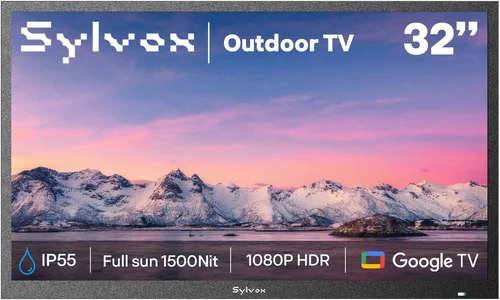
Outdoor living spaces have evolved far beyond simple patios and decks. Today’s homeowners are transforming their backyards, balconies, and poolside areas into full-fledged entertainment zones—complete with weather-resistant furniture, outdoor kitchens, and yes, even televisions. But if you live in a humid climate—whether it’s the muggy Southeast U.S., tropical coastal regions, or monsoon-prone zones—adding an outdoor TV isn’t just about convenience; it’s a serious investment that demands careful consideration. Standard indoor TVs simply won’t cut it. Humidity, temperature swings, UV exposure, and condensation can quickly degrade performance or cause total failure.
That’s why this guide exists: to help you navigate the often-confusing world of budget-friendly outdoor TVs designed specifically for humid environments. Whether you’re looking to catch the big game by the pool, stream your favorite show under a covered patio, or enjoy movie nights in your screened-in porch, choosing the right TV means balancing cost, durability, and performance. The good news? You don’t need to spend thousands to get a reliable, high-quality outdoor viewing experience. With smart shopping and informed decisions, you can find a TV that withstands the elements without breaking the bank.
In this comprehensive guide, we’ll walk you through everything you need to know before making your purchase. From understanding key technical specs like IP ratings and thermal management to comparing different types of outdoor TVs and avoiding common buyer pitfalls, we’ve got you covered. We’ll also break down realistic budget tiers, share expert tips for scoring the best deals, and answer frequently asked questions based on real-world use cases. By the end, you’ll be equipped with the knowledge to confidently choose a TV that delivers crisp visuals, long-term reliability, and excellent value—all while standing up to the challenges of high-humidity outdoor living.

What to Look for When Buying Buying Guide
1. IP Rating & Weather Resistance
The Ingress Protection (IP) rating is arguably the most critical specification when shopping for an outdoor TV—especially in humid climates. This two-digit code tells you how well a device resists dust and moisture. For outdoor use in humid areas, look for a minimum IP55 rating, but ideally IP65 or higher. The first digit (5 or 6) indicates protection against solid particles like dust; the second digit (5 or 6) refers to water resistance. An IP65-rated TV can handle low-pressure water jets from any direction, making it suitable for uncovered patios or decks where rain and splashes are common.
However, humidity itself isn’t just about rain—it’s about constant moisture in the air. Prolonged exposure to high humidity can lead to internal condensation, corrosion of circuit boards, and fogging of screens. That’s why top-tier outdoor TVs often include sealed enclosures, hydrophobic coatings, and internal dehumidifiers or ventilation systems that prevent moisture buildup. Don’t assume all “outdoor” TVs are created equal: some budget models may claim weather resistance but lack true humidity mitigation features. Always check the manufacturer’s documentation for details on how they manage moisture ingress beyond basic IP ratings.
2. Display Technology & Brightness
Not all TV panels perform equally well in bright outdoor settings—and humidity can exacerbate visibility issues. Standard LED/LCD TVs often struggle with glare and washed-out colors when viewed in direct sunlight or even dappled shade. For outdoor use, especially in humid regions where overcast skies and reflective surfaces (like pools or wet concrete) are common, you’ll want a display with high peak brightness—ideally 700 nits or more, though 1000+ nits is optimal for full sun exposure.
OLED panels offer superior contrast and color accuracy but are generally not recommended for permanent outdoor installation due to their susceptibility to image retention and higher cost. Instead, look for QLED or high-brightness LED panels with anti-reflective coatings. Many outdoor-specific models also feature optically bonded screens, which reduce internal reflections and improve clarity in bright conditions. Additionally, consider the screen’s viewing angle: wide-angle panels (178 degrees) ensure everyone gathered around can see clearly, even from the side.
3. Thermal Management & Operating Temperature Range
Humid climates often come with high temperatures, and electronics don’t mix well with heat. A TV that overheats can suffer from reduced lifespan, color distortion, or sudden shutdowns. Quality outdoor TVs include built-in thermal management systems such as passive heat sinks, active cooling fans, or even liquid cooling in premium models. These systems regulate internal temperature without allowing external moisture to enter the chassis.
Check the operating temperature range specified by the manufacturer. For most humid regions, you’ll want a TV that functions reliably between 32°F and 104°F (0°C to 40°C) or wider. Some models go even further, supporting -4°F to 122°F (-20°C to 50°C), which is ideal if your area experiences seasonal extremes. Avoid TVs that rely solely on natural convection cooling unless they’re installed in fully shaded, well-ventilated areas. Poor thermal design is a leading cause of premature failure in outdoor electronics.
4. Build Quality & Materials
Durability starts with construction. Look for TVs housed in powder-coated aluminum or marine-grade stainless steel—materials that resist rust, corrosion, and UV degradation. Avoid plastic enclosures, which can become brittle under constant sun exposure and are more prone to cracking in humid, fluctuating temperatures. The mounting hardware should also be stainless steel or similarly corrosion-resistant.
Pay attention to cable management too. Outdoor TVs should include sealed input compartments or grommets to prevent water from seeping into HDMI, power, or antenna ports. Some models even offer wireless connectivity options (like Wi-Fi 6 or Bluetooth) to minimize cable clutter and potential entry points for moisture. Reinforced glass or polycarbonate screen covers add another layer of protection against scratches, impacts, and environmental wear.
5. Smart Features & Connectivity
Even on a budget, you shouldn’t have to sacrifice smart functionality. Most modern outdoor TVs run on platforms like Android TV, Roku TV, or proprietary systems that support popular streaming apps (Netflix, YouTube, Disney+, etc.). This eliminates the need for external streaming devices and simplifies setup. Ensure the TV supports dual-band Wi-Fi (2.4 GHz and 5 GHz) for stable connectivity, especially if your outdoor space is far from your router.
HDMI ports (at least two), USB inputs, and audio outputs are essential for connecting soundbars, gaming consoles, or cable boxes. Some budget models skimp on ports, so verify connectivity before buying. Also, check for firmware update capabilities—manufacturers that regularly push updates tend to offer better long-term support and security.
6. Size & Viewing Distance
Choosing the right screen size depends on your installation location and typical viewing distance. For patios or small decks, a 43- to 55-inch TV is usually sufficient. Larger spaces like backyard theaters or pool decks may benefit from 65-inch or 75-inch models. As a rule of thumb, your viewing distance (in inches) should be about 1.5 to 2.5 times the screen’s diagonal size. So for a 55-inch TV, sit 6.5 to 11 feet away.
Keep in mind that larger screens consume more power and may require stronger mounts. Also, ensure your chosen location has adequate structural support—especially important in hurricane-prone humid regions where wind loads matter. Wall mounts should be rated for outdoor use and compatible with your TV’s VESA pattern.
7. Brand Reputation & Ecosystem Compatibility
Stick with brands known for outdoor electronics or those with proven track records in ruggedized consumer tech. Companies like SunBriteTV, Seura, and Samsung (with its Terrace line) specialize in outdoor displays, but their premium pricing may exceed budget limits. However, several lesser-known brands now offer compelling alternatives at lower price points—just do your homework.
Read professional reviews and user feedback focusing on longevity in humid conditions. Look for mentions of rust, screen fogging, or connectivity drops after a few months outdoors. Also, consider ecosystem compatibility: if you already use smart home devices (e.g., Alexa, Google Home), choose a TV that integrates seamlessly to avoid fragmentation.
8. Warranty & Customer Support
A solid warranty is your safety net against manufacturing defects and premature failures. For outdoor TVs, a minimum 2-year warranty is advisable, with 3+ years being ideal. Some manufacturers offer extended coverage for specific components like the display or power supply. Read the fine print: many warranties become void if the TV is installed in uncovered areas without proper ventilation or if non-approved mounts are used.
Customer support responsiveness matters too. Can you reach a human quickly? Do they offer remote diagnostics or on-site service? Brands with U.S.-based support centers typically resolve issues faster than those relying on overseas partners. Check forums and review sites for real-user experiences with post-purchase service.
Different Types of Buying Guide

Common Buying Mistakes to Avoid
❌ Mistake: Assuming All “Outdoor” TVs Are Created Equal
Why it’s bad: Many retailers label standard indoor TVs as “suitable for outdoor use” if sold with a weatherproof cover. These setups often lack proper thermal regulation and internal sealing, leading to condensation buildup and component failure in humid climates.
What to do instead: Only buy TVs explicitly designed for outdoor installation with verified IP ratings and humidity-resistant engineering. Check for certifications like UL Listed for outdoor use.
❌ Mistake: Ignoring Installation Environment
Why it’s bad: Placing a partial-coverage TV in direct rain or a fully exposed all-weather model in a sealed sunroom can void warranties and reduce lifespan. Misjudging your space leads to poor performance or unnecessary spending.
What to do instead: Assess your exact installation zone: Is it fully covered? Partially shaded? Subject to wind-driven rain? Match the TV type to your specific microclimate.
❌ Mistake: Overlooking Power and Connectivity Needs
Why it’s bad: Running extension cords across wet decks creates tripping hazards and electrical risks. Weak Wi-Fi signals result in buffering during critical moments.
What to do instead: Plan for weatherproof conduit for wiring and consider a mesh Wi-Fi extender or outdoor-rated access point near the TV location.
❌ Mistake: Skimping on Mounting Hardware
Why it’s bad: Using indoor mounts outdoors invites rust, instability, and potential collapse—especially in coastal or storm-prone humid areas.
What to do instead: Invest in marine-grade stainless steel mounts rated for your TV’s weight and local wind load requirements.
❌ Mistake: Neglecting Audio Solutions
Why it’s bad: Built-in TV speakers are often muffled outdoors and lack volume for open spaces, ruining the viewing experience.
What to do instead: Pair your TV with weather-resistant outdoor speakers or a soundbar designed for exterior use.
❌ Mistake: Buying Based Solely on Price
Why it’s bad: The cheapest option may lack essential features like proper sealing or brightness, leading to early replacement costs that exceed initial savings.
What to do instead: Focus on total cost of ownership—including durability, energy efficiency, and warranty—not just upfront price.
❌ Mistake: Failing to Test Before Finalizing
Why it’s bad: Some TVs look great in-store but perform poorly in real-world outdoor lighting due to glare or low brightness.
What to do instead: If possible, view demo units in bright conditions or read hands-on reviews that simulate outdoor use.
Budget Guidelines: How Much Should You Spend?
- Entry-Level ($400–$700): Ideal for covered patios or screened-in areas with minimal direct exposure. Expect basic smart features, 500–700 nits brightness, and IP54/IP55 ratings. Examples include modified indoor TVs in enclosures or budget all-weather models from emerging brands. Best for occasional use and moderate humidity.
- Mid-Range ($700–$1,500): The sweet spot for most homeowners. These TVs offer IP65+ ratings, 800–1,200 nits brightness, robust thermal management, and reliable smart platforms. Perfect for partially covered decks, poolside cabanas, or humid coastal homes. You’ll get excellent value without compromising core durability.
- Premium ($1,500–$3,000): Designed for full outdoor exposure and heavy daily use. Features include 1,500+ nits brightness, advanced anti-reflective coatings, commercial-grade materials, and extended warranties. Ideal for luxury homes, vacation rentals, or entertainment-focused outdoor spaces in high-humidity zones.
- Luxury ($3,000+): Top-tier models from brands like SunBriteTV or Samsung Terrace. Built for 24/7 operation, extreme temperatures, and flawless performance in any weather. Includes premium audio, custom calibration, and professional installation support. Reserved for enthusiasts or commercial applications.
Expert Tips for Getting the Best Deal
- Shop During Off-Season: Prices drop significantly in late fall and winter (November–February) when demand for outdoor electronics declines. Many retailers clear inventory before spring.
- Compare Online and In-Store: Online retailers often offer better prices and wider selections, but local electronics stores may price-match or include free delivery and setup.
- Look for Bundle Deals: Some manufacturers offer discounts when you buy a TV with a compatible mount or sound system. These bundles can save $100–$300.
- Check Refurbished or Open-Box Options: Certified refurbished outdoor TVs from reputable sellers come with warranties and can cost 20–40% less than new units.
- Negotiate Extended Warranties: If the standard warranty is short, ask if the seller will include an extension at no cost—especially during sales events.
- Verify Return Policies: Ensure you have at least 30 days to return the TV if it doesn’t perform as expected in your specific environment.
- Join Brand Newsletters: Companies often send exclusive promo codes or early access to sales via email.
- Consider Energy Efficiency: TVs with ENERGY STAR ratings consume less power, which matters if you leave it on frequently—saving money over time.

Frequently Asked Questions
Q: Can I use a regular indoor TV outside if it’s under a covered patio?
A: Technically yes, but it’s not recommended for humid climates. Even under cover, moisture, temperature swings, and insects can damage internal components over time. For reliable long-term use, invest in a purpose-built outdoor TV or a high-quality weatherproof enclosure.
Q: How do I prevent my outdoor TV from fogging up in humid weather?
A: Choose a model with internal ventilation or dehumidification features. Ensure proper airflow around the unit—don’t seal it in an airtight box. Some users also place silica gel packs inside custom enclosures to absorb excess moisture.
Q: Will my outdoor TV work in the rain?
A: Only if it’s rated for full outdoor exposure (IP65 or higher) and installed correctly. Never operate electrical devices in standing water or during lightning storms.
Q: Do outdoor TVs need special cleaning?
A: Use a microfiber cloth and mild, non-abrasive cleaner. Avoid ammonia-based products or pressure washers, which can damage seals and coatings.
Q: Can I leave my outdoor TV on all the time?
A: Most modern outdoor TVs are designed for continuous operation, but check the specs. Leaving it on 24/7 may reduce lifespan unless it’s a commercial-grade model.
Q: What’s the difference between an outdoor TV and a digital signage display?
A: Digital signage displays are built for 24/7 commercial use, often lack smart features, and prioritize reliability over user interface. Outdoor TVs focus on home entertainment with streaming apps and consumer-friendly controls.
Q: How far should my outdoor TV be from my Wi-Fi router?
A: Ideally within 50 feet for strong signal. Use a Wi-Fi extender or mesh network if needed. 5 GHz bands offer faster speeds but shorter range than 2.4 GHz.
Q: Are outdoor TVs harder to install?
A: They require more planning than indoor setups—especially for wiring and mounting—but many come with detailed guides. Hire a professional if you’re unsure about electrical or structural requirements.
Q: Do outdoor TVs come with remotes that work in bright light?
A: Most include standard IR remotes, which can struggle in direct sun. Consider upgrading to a Bluetooth remote or using a smartphone app for better reliability.
Q: What happens if my outdoor TV gets hit by a storm?
A: If properly mounted and rated for your climate, it should survive typical storms. However, always unplug during severe weather and check for damage afterward. Comprehensive homeowner’s insurance may cover storm-related losses.
Our Final Recommendations
- Best for Budget-Conscious Buyers: TCL 55S06 55″ Partial-Coverage Outdoor TV – At under $600, this model offers IP55 rating, 700 nits brightness, and Roku TV integration. Perfect for covered patios in humid zones.
- Best Overall Value: Hisense 65A7G-QDS 65″ All-Weather Outdoor TV – Priced around $1,100, it delivers IP65 protection, 1,000 nits brightness, and Dolby Vision support. Excellent balance of price and performance.
- Best Premium Option: Samsung The Terrace 75″ Full Sun Outdoor TV – At $2,800, it’s built for extreme conditions with 2,000 nits brightness, anti-reflective coating, and seamless smart home integration.
- Best for Beginners: SunBriteTV Veranda Series 55″ – A user-friendly, plug-and-play solution with excellent customer support and a 3-year warranty. Great for first-time outdoor TV owners.
- Best for Advanced Users: Custom Indoor TV + Peerless-AV Outdoor Enclosure – For tech-savvy DIYers, pairing a high-end indoor OLED with a professional-grade enclosure offers unmatched picture quality and flexibility.
Conclusion: Making the Right Choice
Choosing the right budget outdoor TV for a humid climate doesn’t have to be overwhelming—or expensive. By focusing on key factors like IP rating, brightness, thermal management, and build quality, you can find a model that delivers reliable performance season after season. Remember, the goal isn’t just to survive the elements, but to enhance your outdoor lifestyle with crisp visuals, seamless streaming, and peace of mind.
Prioritize your specific needs: Are you watching from a shaded lounge or a sun-drenched deck? Do you need smart features or just basic cable? How much are you willing to invest upfront versus long-term? Answering these questions will guide you toward the perfect fit. And don’t forget to factor in installation, audio, and future-proofing when making your decision.
Ultimately, the best outdoor TV is one that matches your environment, budget, and viewing habits—without cutting corners on essential durability. With the insights from this guide, you’re now equipped to shop smarter, avoid costly mistakes, and enjoy countless hours of entertainment under the open sky. So go ahead—transform your backyard into the ultimate outdoor oasis. Your next great movie night awaits.

