
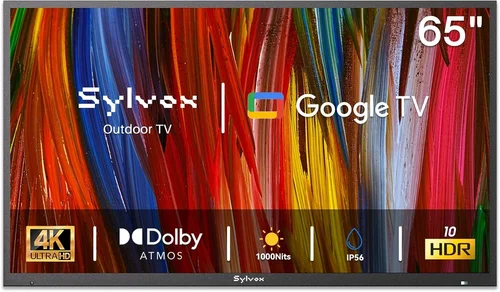
Outdoor living spaces have evolved far beyond simple patios and decks—today’s backyards are full-fledged entertainment zones, complete with grills, fire pits, sound systems, and yes, outdoor TVs. But if you live in a hot climate—whether it’s the scorching deserts of Arizona, the humid Gulf Coast, or the sun-drenched coasts of California—standard indoor TVs simply won’t cut it. Heat, UV exposure, humidity, and dust can quickly degrade performance or cause permanent damage. That’s why choosing the right outdoor TV designed specifically for high-temperature environments is not just a luxury—it’s a necessity.
This comprehensive buyer’s guide is crafted to help you navigate the often-confusing world of budget-friendly outdoor TVs built to thrive in hot climates. Whether you’re looking to upgrade your poolside lounge, create a backyard movie night setup, or simply enjoy your favorite shows while grilling under the sun, we’ll walk you through everything you need to know. From understanding critical performance specs to avoiding common pitfalls, comparing types, and finding the best value within your budget, this guide equips you with expert-level insights to make a smart, informed decision.
The market for outdoor TVs has grown significantly in recent years, with more manufacturers offering models tailored to extreme conditions. However, not all “outdoor-ready” TVs are created equal—especially when it comes to affordability and heat resilience. Many budget options claim durability but fall short under sustained高温 exposure. Others sacrifice picture quality or smart features to keep costs down. Our goal is to cut through the marketing noise and deliver actionable advice based on real-world performance, technical specifications, and user feedback. By the end of this guide, you’ll know exactly what to look for, what to avoid, and how to stretch your dollar without compromising on reliability or viewing experience.

What to Look for When Buying Buying Guide
1. Heat Resistance & Thermal Management
When shopping for an outdoor TV in a hot climate, thermal performance should be your top priority. Unlike indoor TVs, which operate in climate-controlled environments, outdoor models must withstand prolonged exposure to direct sunlight and ambient temperatures that can exceed 100°F (38°C)—and sometimes much higher. Look for TVs with robust cooling systems, such as passive heat sinks, active ventilation fans, or sealed internal compartments that prevent overheating. Some premium models even include temperature sensors that automatically adjust brightness or shut down temporarily if internal temps get too high.
A key specification to check is the operating temperature range. Most quality outdoor TVs are rated for use between -22°F and 122°F (-30°C to 50°C), but in extremely hot regions, you’ll want a model that comfortably handles sustained temps above 110°F without throttling performance. Avoid TVs that rely solely on plastic casings or lack proper airflow—these will trap heat and accelerate component degradation. Also, consider placement: even the best outdoor TV benefits from partial shade or a weatherproof enclosure to reduce thermal stress.
2. Weatherproofing & IP Rating
Outdoor TVs must resist not only heat but also moisture, dust, and insects. The Ingress Protection (IP) rating system tells you exactly how well a TV is sealed against these elements. For hot climates—especially those with monsoon seasons, coastal humidity, or dusty winds—an IP55 or higher rating is essential. IP55 means the TV is protected against low-pressure water jets from any direction and limited dust ingress. For harsher conditions (like poolside or desert environments), aim for IP65, which offers complete dust protection and resistance to water projected by a nozzle.
Pay close attention to the entire unit, including ports, speakers, and mounting hardware. Some budget models may have a high IP rating on the main body but leave vulnerable gaps around input panels. Always verify that all external components are sealed or covered. Additionally, look for conformal coating on internal circuitry—a protective layer that shields electronics from corrosion due to humidity or salt air. This is especially important if you live near the ocean.
3. Display Brightness & Anti-Glare Technology
In bright outdoor settings, screen visibility can make or break your viewing experience. Standard indoor TVs typically peak at 300–500 nits of brightness—far too dim for daylight use. For outdoor installations in hot, sunny areas, you’ll need a minimum of 700 nits, with 1000+ nits being ideal for direct sun exposure. High brightness compensates for ambient light washout and ensures colors remain vibrant even at noon.
Equally important is anti-reflective or anti-glare screen treatment. Without it, sunlight reflecting off the glass can create blinding glare, making it impossible to see the image. Look for TVs with matte-finish screens or specialized optical filters that diffuse reflections. Some manufacturers also incorporate quantum dot or OLED technologies that enhance color accuracy and contrast in bright conditions. Avoid glossy screens unless they’re specifically engineered for outdoor use—they’re more suited to dimly lit indoor spaces.
4. Build Quality & Materials
Budget doesn’t have to mean flimsy. However, many low-cost outdoor TVs cut corners by using thin metal frames, low-grade plastics, or poorly welded seams that compromise longevity. In hot climates, materials expand and contract with temperature swings, so structural integrity is critical. Opt for TVs with powder-coated aluminum or stainless-steel chassis, which resist rust, warping, and UV degradation better than standard steel or plastic.
Check the weight and thickness of the unit—heavier TVs often indicate better internal shielding and sturdier construction. Also, inspect the back panel: it should be fully enclosed with no exposed vents that could allow dust or pests inside. Reinforced mounting brackets and corrosion-resistant screws are also signs of thoughtful design. Remember, a slightly higher upfront cost for a well-built TV can save you hundreds in replacements over time.
5. Smart Features & Connectivity
Even on a budget, you shouldn’t have to sacrifice modern conveniences. Most outdoor TVs now come with built-in smart platforms like Android TV, Roku, or webOS, allowing access to streaming services without external devices. This is especially useful if you plan to mount the TV in a hard-to-reach location where adding a streaming box later would be inconvenient.
Ensure the TV has sufficient HDMI ports (at least two), USB inputs, and Wi-Fi/Bluetooth connectivity. For hot climates, verify that the operating system remains responsive under高温—some budget models slow down or crash when overheated. Also, check app compatibility: can you install Netflix, YouTube, Disney+, etc.? Finally, consider voice control support (Google Assistant or Alexa) for hands-free operation while lounging outdoors.
6. Size & Viewing Distance
Choosing the right screen size isn’t just about aesthetics—it directly impacts usability and cost. For outdoor spaces, larger screens (55″ to 75″) are generally preferred due to longer viewing distances and ambient light challenges. A good rule of thumb: multiply your seating distance (in feet) by 8 to get the ideal screen diagonal in inches. So, if you’re sitting 10 feet away, a 70″ TV is optimal.
However, larger screens consume more power and generate more heat, which can be problematic in already-hot environments. Balance size with your actual space and usage. A 65″ TV may offer the sweet spot for most patios, providing immersive viewing without overwhelming smaller areas. Also, consider whether the TV will be viewed from multiple angles—if so, look for wide viewing angles (178° horizontal/vertical) to maintain color and contrast for all guests.
7. Power Efficiency & Energy Consumption
Outdoor TVs often run for extended periods, especially during summer evenings or weekend gatherings. High energy consumption not only increases your electricity bill but also contributes to internal heat buildup—a double whammy in hot climates. Look for models with ENERGY STAR certification or low wattage ratings (under 200W for a 65″ TV).
LED-backlit LCDs are generally more efficient than older plasma or non-LED models. Some TVs also feature ambient light sensors that adjust brightness based on surrounding conditions, saving power during cloudy days or nighttime viewing. While this may seem minor, over months of use, efficient models can significantly reduce operational costs and thermal load.
8. Warranty & Customer Support
Given the harsh operating conditions, a strong warranty is non-negotiable. Many reputable outdoor TV brands offer 2–3 years of coverage, including parts and labor, with some extending to 5 years for commercial use. Avoid brands that offer only 1-year warranties or exclude heat-related damage—this is a red flag.
Research customer support responsiveness before buying. Can you easily reach a technician? Are replacement parts available? Do they provide on-site service or require you to ship the unit? Reading user forums and reviews can reveal patterns of reliability (or lack thereof). A slightly more expensive TV with excellent support is often a wiser long-term investment than a cheap model that leaves you stranded when it fails.
Different Types of Buying Guide

Common Buying Mistakes to Avoid
❌ Mistake: Buying a Regular Indoor TV for Outdoor Use
Why it’s bad: Indoor TVs lack weatherproofing, thermal management, and UV protection. Even brief exposure to sun or humidity can cause screen burn-in, capacitor failure, or corrosion. Repair costs often exceed the TV’s value, and warranties typically void coverage for outdoor installation.
What to do instead: Invest in a purpose-built outdoor TV or use a certified outdoor enclosure. If budget is tight, choose a partial-cover model designed for sheltered spaces—not full exposure.
❌ Mistake: Ignoring the IP Rating
Why it’s bad: A TV without a proper IP rating may survive light rain but fail during a sudden downpour or high-humidity night. Dust accumulation can clog vents and cause overheating, especially in desert climates.
What to do instead: Always verify the IP rating matches your environment. For uncovered areas, insist on IP65 or higher. Don’t rely on marketing terms like “weather-resistant” without certification.
❌ Mistake: Overlooking Brightness Requirements
Why it’s bad: A dim screen turns your outdoor oasis into a frustrating experience. You’ll constantly squint, adjust seating, or give up altogether—defeating the purpose of having an outdoor TV.
What to do instead: Prioritize brightness (700+ nits) and anti-glare features. Test the TV in similar lighting conditions if possible, or read detailed reviews from users in sunny regions.
❌ Mistake: Choosing Size Over Suitability
Why it’s bad: A massive 85″ TV might look impressive, but if it overwhelms your space or requires excessive power/heat output, it becomes impractical. Conversely, a tiny 43″ screen may be too small for group viewing.
What to do instead: Calculate ideal size based on viewing distance and seating layout. Balance immersion with real-world constraints like heat generation and mounting feasibility.
❌ Mistake: Skimping on Warranty Coverage
Why it’s bad: Outdoor TVs face harsher conditions than indoor models. A short or limited warranty leaves you vulnerable to costly repairs when components fail due to heat stress or moisture damage.
What to do instead: Choose brands offering at least 2 years of comprehensive coverage. Read the fine print—ensure heat, humidity, and UV damage are included.
❌ Mistake: Neglecting Ventilation and Mounting
Why it’s bad: Improper mounting (e.g., flush against a wall with no airflow) traps heat and accelerates component aging. In extreme cases, it can lead to fire hazards.
What to do instead: Use manufacturer-recommended outdoor mounts with spacing for airflow. Allow at least 2–3 inches of clearance around the TV. Consider tilt mounts to reduce sun exposure.
❌ Mistake: Assuming All “Outdoor” TVs Are Equal
Why it’s bad: Some brands label TVs as “outdoor” but only mean they’re suitable for covered areas. Others use inferior materials that degrade quickly in heat.
What to do instead: Research specific models, read user reviews from hot-climate owners, and compare technical specs—not just marketing claims.
Budget Guidelines: How Much Should You Spend?
Outdoor TVs represent a significant investment, but you don’t need to break the bank to get a reliable, high-performing model—even in hot climates. Prices vary widely based on size, features, and build quality. Here’s a realistic breakdown to help you allocate your budget wisely:
Entry-Level ($600 – $1,000): This tier includes budget hybrid models and partial-cover TVs ideal for shaded patios or seasonal use. Expect basic smart features, 500–700 nits brightness, and IP54 ratings. While they can handle summer heat in covered areas, they’re not built for full sun or year-round exposure. Best for occasional use or secondary spaces like a garage gym or screened porch.
Mid-Range ($1,000 – $2,000): The sweet spot for most homeowners. These TVs offer 700–1,000 nits brightness, IP55 or IP65 ratings, robust metal builds, and reliable smart platforms. Many include advanced cooling systems and conformal coating. Perfect for uncovered decks, pool areas, or pergolas in hot climates. You’ll find excellent value here without sacrificing core durability.
Premium ($2,000 – $3,500): Designed for enthusiasts and those who want long-term reliability. Expect 1,000+ nits brightness, full all-weather sealing, commercial-grade components, and extended warranties (3–5 years). Ideal for full-sun installations, coastal homes, or high-traffic entertaining spaces. Brands like SunBrite and Seura dominate this category.
Luxury ($3,500+): Top-tier models with OLED or QLED displays, 24/7 operation capability, integrated soundbars, and enterprise-level support. These are overkill for most residential users but justified for luxury resorts, high-end homes, or professional installations where failure is not an option.
Expert Tips for Getting the Best Deal
- Shop During Off-Season: Outdoor TVs see peak demand in spring and summer. Buy in late fall or winter (November–February) when retailers offer discounts to clear inventory. You can save 15–25% during these periods.
- Compare Retailers: While big-box stores like Best Buy or Costco carry some models, specialty retailers (e.g., Outdoor TV Direct, Crutchfield) often have better selection, expert advice, and bundled deals (TV + mount + cables).
- Watch for Refurbished Units: Certified refurbished outdoor TVs from reputable sellers come with warranties and can cost 20–30% less than new. Ensure they’re tested for heat performance and include original accessories.
- Bundle with Accessories: Some sellers offer packages including weatherproof mounts, surge protectors, or streaming devices. These can be cheaper than buying separately.
- Check Return Policies: Outdoor TVs are hard to return once installed. Choose retailers with at least 30-day return windows and free return shipping in case the unit doesn’t perform as expected.
- Test Before Finalizing: If buying in-store, ask to see the TV powered on in bright light. Check for color accuracy, responsiveness, and fan noise (if applicable).
- Negotiate Extended Warranties: Many retailers markup extended coverage. Ask if they’ll match the manufacturer’s warranty or offer a discount for bundling.
- Join Loyalty Programs: Sign up for newsletters or loyalty clubs at outdoor electronics retailers. They often send exclusive promo codes or early access to sales.

Frequently Asked Questions
Q: Can I use a regular TV outside if I cover it?
A: Technically yes, but it’s risky and not recommended for hot climates. Even with a cover, heat buildup, humidity, and UV exposure can damage internal components. For reliable, long-term use, invest in a purpose-built outdoor TV or a certified outdoor enclosure designed for your TV model.
Q: How do I know if an outdoor TV can handle 110°F+ temperatures?
A: Check the operating temperature range in the specs. Look for models rated up to at least 122°F (50°C). Also, read reviews from users in similar climates—real-world feedback is invaluable.
Q: Do outdoor TVs need special mounts?
A: Yes. Standard indoor mounts aren’t weatherproof and may corrode. Use outdoor-rated mounts made of stainless steel or powder-coated aluminum with proper tilt and swivel for optimal viewing and reduced sun exposure.
Q: Will an outdoor TV work in the rain?
A: Only if it has an appropriate IP rating (IP55 or higher). IP55 handles light rain; IP65 handles heavier showers. Never spray water directly on the screen or ports.
Q: Can I leave my outdoor TV on all day in the summer?
A: Most quality outdoor TVs are designed for extended use, but continuous operation in extreme heat can shorten lifespan. Use timers or smart plugs to limit usage during peak sun hours (10 AM–4 PM).
Q: Are outdoor TVs energy-efficient?
A: Modern LED-based outdoor TVs are relatively efficient, but brightness and size affect consumption. Look for ENERGY STAR models and use ambient light sensors to reduce power use.
Q: What’s the difference between partial-cover and all-weather TVs?
A: Partial-cover TVs are for sheltered areas (e.g., under a roof or pergola) and offer basic weather resistance. All-weather TVs are fully sealed for direct exposure to sun, rain, and dust.
Q: How long do outdoor TVs last in hot climates?
A: With proper installation and maintenance, quality outdoor TVs last 5–8 years—even in extreme heat. Budget models may last 2–4 years depending on usage and conditions.
Q: Can I connect a soundbar to an outdoor TV?
A: Yes, but ensure the soundbar is also outdoor-rated or placed in a protected area. Wireless options (Bluetooth) reduce cable clutter and exposure risks.
Q: Do I need a surge protector for an outdoor TV?
A: Absolutely. Outdoor installations are vulnerable to lightning and power surges. Use a high-quality outdoor surge protector rated for your TV’s wattage.
Our Final Recommendations
Best for Budget-Conscious Buyers: Element 65″ Partial-Cover Outdoor TV ($899) – Offers solid 700-nit brightness, IP54 rating, and Roku Smart TV for covered patios. Great entry point for hot climates with some shade.
Best Overall Value: SunBrite Veranda Series 65″ ($1,599) – IP55-rated, 1,000 nits brightness, full metal chassis, and excellent thermal management. Ideal for uncovered decks in Arizona, Texas, or Florida.
Best Premium Option: Seura 75″ Ultra Bright Outdoor TV ($3,299) – 2,000 nits, IP65, OLED display, and 5-year warranty. Built for luxury outdoor cinemas in direct sunlight.
Best for Beginners: Samsung The Terrace 55″ ($1,799) – User-friendly Tizen OS, strong brightness (1,500 nits), and reliable Samsung support. Easy setup and great for first-time outdoor TV owners.
Best for Advanced Users: Peerless-AV Xtreme 70″ ($2,899) – Modular design, customizable bezels, and industrial-grade cooling. Perfect for tech-savvy users who want full control over their outdoor setup.
Conclusion: Making the Right Choice
Choosing the right outdoor TV for a hot climate isn’t just about finding the cheapest option—it’s about balancing durability, performance, and value to match your specific environment and usage. We’ve covered the critical factors: heat resistance, weatherproofing, brightness, build quality, smart features, size, efficiency, and warranty. We’ve compared different types, warned against common mistakes, outlined realistic budget tiers, and shared expert strategies to maximize your investment.
Remember, your outdoor TV is more than a screen—it’s the centerpiece of your backyard entertainment, a hub for family gatherings, and a gateway to enjoying nature without sacrificing comfort. Don’t compromise on essentials like thermal management or IP rating, even if it means stretching your budget slightly. A well-chosen TV will reward you with years of reliable service, stunning visuals, and peace of mind—even under the harshest summer sun.
Take the time to assess your space, prioritize your needs, and read real user reviews from people in similar climates. Use this guide as your roadmap, and don’t hesitate to consult professionals for installation. With the right TV, your outdoor living area will transform into a true extension of your home—one that thrives in the heat and brings joy season after season.

