
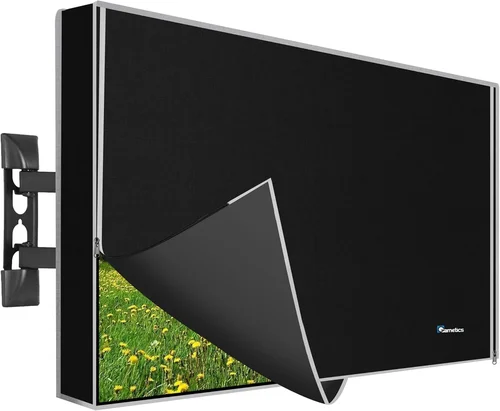
Outdoor living spaces have evolved dramatically over the past decade, transforming from simple backyard retreats into fully functional extensions of the home. Gazebos, once used primarily for shade and shelter, are now central hubs for entertainment, relaxation, and social gatherings—complete with lighting, sound systems, and yes, even televisions. As more homeowners invest in creating comfortable outdoor environments, the demand for durable, high-performing outdoor TVs has surged. But here’s the catch: true outdoor-rated televisions often come with a steep price tag, putting them out of reach for budget-conscious buyers who still want quality and reliability.
That’s where this guide comes in. Whether you’re setting up a cozy gazebo for weekend movie nights, hosting summer barbecues with live sports streaming, or simply enjoying your morning coffee while catching up on the news, choosing the right outdoor TV doesn’t have to break the bank. This comprehensive buying guide is designed specifically for those looking to maximize value without sacrificing performance. We’ll walk you through every critical factor—from weather resistance and screen brightness to smart features and installation considerations—so you can make an informed decision that fits both your needs and your budget.
The market for outdoor TVs has expanded significantly, offering a wider range of options than ever before. While premium brands like SunBrite and Seura dominate the high-end segment, several manufacturers now offer budget-friendly alternatives that deliver impressive performance under real-world conditions. These models may not boast all the bells and whistles of their luxury counterparts, but they’re engineered to withstand the elements while providing clear picture quality and reliable connectivity. By understanding what truly matters in an outdoor TV—and what’s just marketing fluff—you’ll be able to cut through the noise and find a model that delivers excellent value for your gazebo setup.

What to Look for When Buying Buying Guide
1. Weather Resistance & IP Rating
When it comes to outdoor electronics, weather resistance isn’t optional—it’s essential. Unlike indoor TVs, which operate in controlled environments, outdoor models must endure rain, humidity, dust, extreme temperatures, and even UV exposure. The most reliable way to assess a TV’s ability to handle these conditions is by checking its Ingress Protection (IP) rating. This two-digit code indicates how well the device resists solids (like dust) and liquids (like water).
For gazebo use, look for a minimum IP55 rating—this means the TV is protected against low-pressure water jets from any direction and limited dust ingress. However, if your gazebo is partially exposed or located in a region with heavy rainfall or high humidity, consider models with IP65 or higher. These offer full protection against dust and powerful water jets, making them ideal for more exposed installations. Keep in mind that even “outdoor” TVs aren’t always fully waterproof; some are only weather-resistant and should not be installed in direct rain without additional shielding.
Beyond the IP rating, examine the materials used in the TV’s construction. Aluminum or powder-coated steel housings resist corrosion better than plastic, especially in coastal or humid climates. Also, check whether the ventilation system is designed to prevent moisture buildup—some budget models use passive cooling with sealed vents, while others may rely on fans that can suck in damp air if not properly filtered.
2. Screen Brightness & Anti-Glare Technology
One of the biggest challenges with outdoor viewing is ambient light. Sunlight reflecting off the screen can wash out colors and make content nearly impossible to see, even on sunny days. That’s why screen brightness—measured in nits—is arguably the most important spec for an outdoor TV. Indoor TVs typically range from 250 to 500 nits, but outdoor models need significantly more to remain visible in daylight.
For gazebo use, aim for a minimum of 700 nits, though 1000+ nits is ideal if your space gets direct sunlight for part of the day. Many budget outdoor TVs now include high-brightness LED backlighting specifically tuned for outdoor visibility. Additionally, look for anti-reflective or anti-glare coatings on the screen surface. These reduce mirror-like reflections and improve contrast in bright conditions. Some manufacturers also use optically bonded glass, which eliminates the air gap between the LCD panel and the outer glass, further minimizing glare and improving image clarity.
Don’t confuse brightness with HDR performance. While HDR (High Dynamic Range) enhances color depth and contrast, it doesn’t necessarily increase peak brightness. A TV can support HDR10 or Dolby Vision but still struggle in sunlight if its nit count is too low. Always prioritize raw brightness over HDR certification when shopping for outdoor use.
3. Build Quality & Durability
Durability goes beyond just weatherproofing—it encompasses the entire structural integrity of the TV, including the chassis, mounting hardware, and internal components. Budget outdoor TVs often cut corners by using thinner materials or less robust cooling systems, which can lead to premature failure in harsh conditions.
Inspect the build quality by reading detailed product descriptions and user reviews. Look for mentions of reinforced corners, sealed cable ports, and corrosion-resistant screws. The stand or VESA mount compatibility should also be sturdy enough to handle wind gusts, especially if your gazebo is in an open area. Some models include reinforced mounting brackets or optional wall arms designed for outdoor use.
Internal durability matters too. Components like capacitors and circuit boards should be rated for extended temperature ranges (typically -22°F to 122°F or -30°C to 50°C). Cheaper models may use standard indoor components that degrade quickly when exposed to heat cycling or moisture. If possible, choose a TV with a conformal coating—a protective layer applied to the internal electronics to guard against humidity and corrosion.
4. Smart Features & Connectivity
Even on a budget, you shouldn’t have to sacrifice modern conveniences like streaming apps, voice control, and wireless connectivity. Most outdoor TVs today come with built-in smart platforms such as Roku TV, Android TV, or webOS, allowing direct access to Netflix, YouTube, Disney+, and other services without needing an external streaming box.
Check which operating system the TV uses and whether it receives regular software updates. Older or discontinued platforms may stop receiving app updates, limiting functionality over time. Also, verify the availability of essential ports: HDMI (preferably HDMI 2.0 or higher for 4K content), USB, Ethernet, and audio outputs. If you plan to connect a soundbar or external speakers, ensure there’s an optical audio out or ARC (Audio Return Channel) support.
Wi-Fi performance is another often-overlooked factor. Outdoor environments can have weaker signal strength due to distance from the router or interference from foliage and structures. Look for dual-band Wi-Fi (2.4GHz and 5GHz) and consider models with external antenna ports if your gazebo is far from your home network. Some budget TVs include Wi-Fi extenders or mesh compatibility, which can significantly improve streaming stability.
5. Size & Viewing Distance
Choosing the right screen size isn’t just about aesthetics—it directly impacts your viewing experience. A TV that’s too small will force you to squint, while one that’s too large can feel overwhelming in a compact gazebo. The ideal size depends on your seating arrangement and how far viewers will be from the screen.
As a general rule, multiply your viewing distance (in inches) by 0.84 to get the recommended screen diagonal in inches. For example, if your primary seating is 8 feet (96 inches) away, a 55-inch TV (96 × 0.84 ≈ 80 inches, but rounded down for comfort) would be suitable. However, outdoor viewing often benefits from slightly larger screens due to ambient light reducing perceived sharpness.
Most budget outdoor TVs range from 43 to 65 inches. Smaller sizes (43–50 inches) work well for intimate gazebos with close seating, while 55–65 inches are better for larger spaces or group viewing. Avoid going below 43 inches unless space is extremely limited—smaller screens lose impact outdoors and may not justify the cost of outdoor-specific features.
6. Power Consumption & Energy Efficiency
Running an outdoor TV continuously—especially during summer evenings or holiday gatherings—can add up on your electricity bill. While outdoor TVs generally consume more power than indoor models due to higher brightness and enhanced cooling, many budget options now include energy-saving technologies.
Look for ENERGY STAR certification or similar efficiency ratings. These indicate that the TV meets strict guidelines for power usage during active and standby modes. Features like automatic brightness adjustment (which dims the screen in low-light conditions) and sleep timers can also reduce energy consumption. Some models include ambient light sensors that dynamically adjust backlighting based on surrounding illumination, saving power without compromising visibility.
Also consider the TV’s power requirements for installation. Most outdoor TVs run on standard 120V AC, but if your gazebo lacks electrical outlets, you may need to run wiring or use a weatherproof extension cord. Always consult a licensed electrician for safe installation, especially if trenching or outdoor conduit is involved.
7. Warranty & Customer Support
A strong warranty can be the difference between a smart investment and a costly mistake. Budget outdoor TVs often come with shorter warranties than premium models—sometimes as little as one year—but some brands offer extended coverage for outdoor use.
Read the fine print carefully. Many warranties exclude damage caused by “acts of nature” like lightning strikes, flooding, or extreme temperature swings. Look for companies that explicitly cover outdoor-related failures and offer in-home or on-site service. Brands with local repair centers or partnerships with third-party technicians provide faster turnaround times.
Customer support quality varies widely. Check online forums and review sites for reports of responsiveness, replacement part availability, and return policies. A brand that offers live chat, detailed FAQs, and video troubleshooting guides demonstrates a commitment to user satisfaction. Avoid manufacturers with no U.S.-based support or those that require you to ship the TV overseas for repairs.
8. User Reviews & Real-World Performance
Spec sheets tell part of the story, but real user experiences reveal the rest. Before making a purchase, spend time reading verified buyer reviews on retailer sites, YouTube unboxings, and outdoor living forums. Pay attention to comments about long-term reliability, ease of setup, and performance in specific weather conditions.
Look for patterns: if multiple users report the same issue—like Wi-Fi dropouts during rain or screen flickering in heat—it’s likely a design flaw rather than an isolated defect. Conversely, consistent praise for brightness, sound quality, or app responsiveness can signal a standout product.
Be wary of fake or incentivized reviews. Genuine feedback often includes photos, videos, and specific details about installation challenges or unexpected benefits. Cross-reference reviews across platforms to get a balanced perspective. And don’t ignore negative reviews—they often highlight deal-breaking flaws that specs alone won’t reveal.
Different Types of Buying Guide

Common Buying Mistakes to Avoid
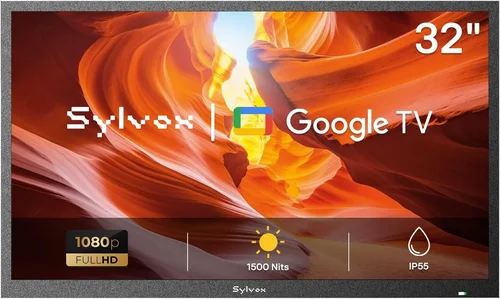
❌ Mistake: Buying an Indoor TV for Outdoor Use
Why it’s bad: Indoor TVs lack the necessary weatherproofing, brightness, and thermal management for outdoor environments. Even under a gazebo, they’re vulnerable to humidity, temperature swings, and dust, which can cause circuit corrosion, screen fogging, or complete failure within months.
What to do instead: Always choose a TV specifically rated for outdoor or semi-outdoor use. If budget is tight, pair a mid-tier indoor TV with a certified outdoor enclosure—but never rely on tarps or DIY covers, as these trap heat and moisture.
❌ Mistake: Ignoring Viewing Angle and Glare
Why it’s bad: Many budget outdoor TVs use standard IPS or VA panels optimized for front-facing viewing. When mounted in a gazebo with seating on multiple sides, colors can wash out or contrast drop significantly at angles, ruining the experience for side viewers.
What to do instead: Look for TVs with wide viewing angles (178° horizontal/vertical) or consider mounting the screen so the primary seating area faces it directly. Anti-glare screens also help mitigate reflections from nearby windows or water features.
❌ Mistake: Overlooking Audio Quality
Why it’s bad: Outdoor spaces have no walls to reflect sound, and ambient noise (wind, birds, traffic) can drown out built-in TV speakers. Many budget outdoor TVs have weak, tinny audio that makes dialogue hard to hear.
What to do instead: Plan for external audio from day one. Invest in weather-resistant Bluetooth speakers, a soundbar with outdoor mode, or wired outdoor speaker systems. Ensure your TV has the necessary audio outputs (optical, RCA, or HDMI ARC).
❌ Mistake: Skimping on Mounting Hardware
Why it’s bad: Standard indoor mounts aren’t designed to handle wind loads or corrosion. Using the wrong mount can lead to sagging, loosening, or even the TV falling—posing a serious safety risk.
What to do instead: Use a VESA-compatible outdoor mount rated for your TV’s weight and size. Look for powder-coated steel construction, tilt/swivel options for optimal viewing, and included lag bolts for secure attachment to gazebo beams.
❌ Mistake: Not Planning for Power and Cables
Why it’s bad: Running extension cords across walkways creates tripping hazards and exposes wires to weather damage. Improper cable management can also void warranties or attract pests.
What to do instead: Have a licensed electrician install a dedicated outdoor GFCI outlet near your TV location. Use in-wall rated (CL2/CL3) HDMI cables and weatherproof conduit for any exposed wiring. Cable raceways or trunking can keep things tidy and protected.
❌ Mistake: Assuming All “Outdoor” TVs Are Equal
Why it’s bad: The term “outdoor TV” is loosely regulated. Some manufacturers label indoor TVs as “outdoor capable” with minimal modifications, leading to disappointment and premature failure.
What to do instead: Verify the IP rating, temperature range, and warranty terms. Stick to reputable brands with proven track records in outdoor electronics. When in doubt, consult professional installers or outdoor living specialists.
❌ Mistake: Forgetting About Software Updates
Why it’s bad: Smart TV platforms evolve rapidly. A TV that works perfectly today may lose app support or security patches in a few years, becoming a glorified monitor.
What to do instead: Choose a TV with a mainstream OS (Roku, Android TV, webOS) known for long-term support. Check the manufacturer’s update policy—some promise 3–5 years of software updates, while others abandon models after 12 months.
Budget Guidelines: How Much Should You Spend?
Entry-Level ($300–$600): This tier includes semi-outdoor TVs or indoor models paired with basic enclosures. Expect screens around 43–50 inches, 700–1000 nits brightness, and limited smart features. Ideal for covered gazebos in mild climates with indirect sunlight. Brands like TCL and Hisense offer surprisingly capable options here, though build quality may be lighter-duty.
Mid-Range ($600–$1,200): The sweet spot for most buyers. These TVs typically feature full weather resistance (IP55+), 1000+ nits brightness, robust smart platforms, and better audio. Sizes range from 50–65 inches, with improved thermal management and corrosion-resistant hardware. Models from brands like Element, SkyVue, and some LG outdoor editions fall into this category.
Premium ($1,200–$2,500): Designed for serious outdoor enthusiasts or four-season use. Expect commercial-grade durability, 1500+ nits brightness, advanced anti-glare tech, and comprehensive warranties. Often include professional installation support and compatibility with home automation systems. SunBrite’s Veranda series and Seura’s Shadow TV are prime examples.
Luxury ($2,500+): Top-tier models built for extreme conditions, 24/7 operation, or luxury installations. Features may include OLED panels (for perfect blacks), built-in heaters for cold climates, vandal-resistant casings, and custom calibration. These are overkill for most residential gazebos but ideal for high-end resorts or permanent outdoor theaters.
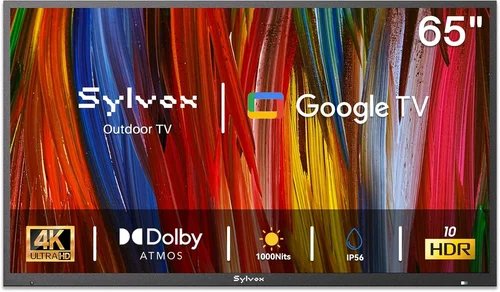
Expert Tips for Getting the Best Deal
- Shop During Off-Seasons: Outdoor TV sales peak in spring and summer. Buy in late fall or winter (November–February) when retailers clear inventory. You can save 15–30% on last year’s models.
- Compare Retailers Strategically: Big-box stores (Best Buy, Costco) often have competitive pricing and generous return policies, while specialty outdoor retailers (Outdoor TV Direct, CEDIA partners) offer expert advice and bundled installations. Online marketplaces like Amazon provide user reviews but watch for third-party sellers with questionable warranties.
- Look for Bundled Deals: Some retailers offer TV + mount + cable packages at a discount. These can save you $100+ compared to buying separately. Check for seasonal promotions around Memorial Day, Black Friday, or Prime Day.
- Negotiate Extended Warranties: Many stores markup extended coverage by 50–100%. If you’re buying in person, ask if they’ll match the manufacturer’s warranty or offer a free extension with purchase.
- Test Before Finalizing: If possible, view the TV in similar lighting conditions to your gazebo. Some stores have outdoor demo areas. Pay attention to color accuracy, motion handling, and app responsiveness—not just brightness.
- Check Return Policies: Ensure the retailer allows returns within 30–45 days, especially for large items. Outdoor TVs are difficult to resell, so lenient return windows protect you if the unit doesn’t perform as expected.
- Consider Refurbished or Open-Box: Certified refurbished models from the manufacturer often come with full warranties and can cost 20–40% less. Open-box deals at electronics stores are another way to score savings without sacrificing quality.
- Join Outdoor Living Forums: Communities like Reddit’s r/OutdoorLiving or Houzz discussion boards often share exclusive promo codes, flash sales, or group-buy opportunities you won’t find elsewhere.

Frequently Asked Questions
Q: Can I use a regular indoor TV in my gazebo if it’s covered?
A: Technically yes, but it’s not recommended for long-term use. Even under cover, indoor TVs aren’t built to handle humidity, temperature fluctuations, or dust. Over time, these factors can damage internal components. For reliable performance, invest in a semi-outdoor model or use an indoor TV with a certified outdoor enclosure.
Q: Do outdoor TVs need special installation?
A: Not necessarily, but proper installation is crucial. You’ll need a sturdy, weather-resistant mount and safe electrical wiring. If your gazebo doesn’t have power, hire an electrician to install a GFCI outlet. For best results, consult a professional familiar with outdoor AV setups.
Q: How do I clean my outdoor TV screen?
A: Use a microfiber cloth and distilled water only. Avoid ammonia-based cleaners (like Windex) or abrasive materials, as they can damage anti-glare coatings. For stubborn spots, lightly dampen the cloth—never spray liquid directly on the screen.
Q: Will my outdoor TV work in winter?
A: It depends on the model. Most semi-outdoor TVs operate down to -22°F (-30°C), but performance may degrade in extreme cold. Premium models often include internal heaters to maintain optimal operating temperatures. Always check the manufacturer’s specified temperature range.
Q: Can I leave my outdoor TV on all the time?
A: Continuous operation is fine for commercial-grade displays, but most residential outdoor TVs aren’t designed for 24/7 use. Extended runtime can shorten component lifespan. Use sleep timers or smart plugs to automate shut-off during inactive hours.
Q: Do outdoor TVs come with remotes that work in sunlight?
A: Most use standard IR remotes, which can struggle in bright light due to interference. Some models include RF remotes or smartphone apps for better reliability. Consider a remote with backlit buttons for evening use.
Q: What’s the difference between “weather-resistant” and “waterproof”?
A: “Weather-resistant” means the TV can handle rain, dust, and humidity but isn’t fully submersible. “Waterproof” implies complete protection against water ingress (IP67 or higher). For gazebos, weather-resistant (IP55+) is usually sufficient unless you expect direct exposure.
Q: Can I stream 4K content outdoors?
A: Absolutely—if your TV supports 4K and you have a strong Wi-Fi signal. However, outdoor environments can weaken wireless signals. Use a 5GHz band, Wi-Fi extender, or wired Ethernet connection for smooth 4K streaming.
Q: How long do outdoor TVs typically last?
A: With proper care, a quality outdoor TV should last 5–8 years. Cheaper models may fail sooner due to component degradation. Regular maintenance (cleaning vents, checking seals) can extend lifespan significantly.
Q: Are there solar-powered outdoor TV options?
A: Yes, but they’re rare and usually portable. Some RVers use 12V TVs with solar/battery systems. For permanent gazebo installations, grid power is more practical and reliable.
Our Final Recommendations
Best for Budget-Conscious Buyers: TCL 55S555 55″ QLED Outdoor TV – At under $600, this model punches above its weight with 1000-nit brightness, IP55 rating, and Roku TV built-in. Perfect for covered gazebos in temperate zones. Lacks premium audio, but easy to pair with external speakers.
Best Overall Value: Element 55″ 4K UHD Outdoor Smart TV (ELEFW551) – Priced around $900, it offers excellent brightness (1200 nits), robust build quality, and Android TV for app flexibility. Includes a 2-year outdoor warranty and works well in partially exposed areas.
Best Premium Option: SunBriteTV Veranda Series 55″ – Though pricier ($1,800+), it’s the gold standard for durability and performance. Features 1500-nit brightness, full weatherproofing, and a 3-year warranty. Ideal if you live in a harsh climate or want a permanent, worry-free setup.
Best for Beginners: Hisense 43″ Outdoor TV (43A7G) – Simple setup, intuitive interface, and solid 800-nit brightness make this a great entry point. Comes with a basic wall mount and clear installation guide. Great for small gazebos or first-time outdoor TV owners.
Best for Advanced Users: Seura Shadow 65″ Ultra-Bright Outdoor TV – For tech-savvy buyers who want cutting-edge features, this model delivers 2000+ nits, anti-reflective glass, and seamless integration with smart home systems. Requires professional installation but offers unparalleled performance.
Conclusion: Making the Right Choice
Choosing the right budget outdoor TV for your gazebo doesn’t have to be overwhelming—or expensive. By focusing on core essentials like weather resistance, screen brightness, and real-world durability, you can find a model that delivers exceptional value without compromising on performance. Remember, the cheapest option isn’t always the most cost-effective in the long run; investing in a TV built for outdoor conditions saves you from costly replacements and frustrating failures down the line.
Prioritize your specific needs: How much sunlight does your gazebo get? Will it be used year-round or just seasonally? Do you need advanced smart features or simple plug-and-play functionality? Answering these questions will guide you toward the perfect balance of price, performance, and peace of mind.
Ultimately, the best outdoor TV is one that lets you enjoy your favorite shows, movies, and live events in the comfort of your outdoor sanctuary—rain or shine. With the insights from this guide, you’re now equipped to make a confident, informed decision that enhances your gazebo experience for years to come. So go ahead, upgrade your outdoor living space, and turn every evening into prime time under the stars.

