
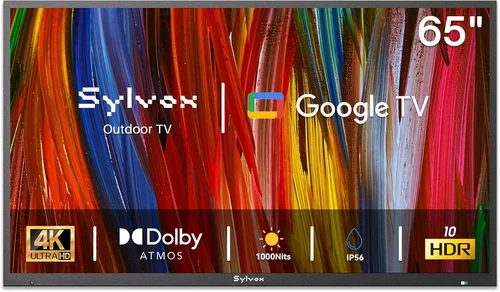
Outdoor living spaces have become extensions of our homes—especially in coastal regions where the ocean breeze, open skies, and year-round mild weather invite us to spend more time outside. Whether you’re hosting sunset barbecues, watching the game with friends, or enjoying a quiet evening under the stars, an outdoor TV can transform your patio, deck, or poolside area into a true entertainment hub. But not all TVs are built to withstand the unique challenges of coastal environments. Salt air, humidity, intense UV exposure, and temperature swings can quickly degrade standard indoor electronics. That’s why choosing the right outdoor TV—particularly one that fits your budget without sacrificing durability—is essential for long-term enjoyment.
This comprehensive buying guide is designed to help homeowners in coastal areas make smart, informed decisions when purchasing an outdoor TV. We’ll walk you through everything from performance specs and build quality to budget considerations and common pitfalls. By the end, you’ll know exactly what to look for, how to avoid costly mistakes, and which models offer the best value for your specific needs. The market for outdoor TVs has evolved significantly in recent years, with more affordable options now offering impressive durability and picture quality. However, not all “outdoor-ready” TVs are created equal—some are merely weather-resistant enclosures around standard TVs, while others are purpose-built for harsh conditions. Our goal is to cut through the marketing noise and give you expert-level insights grounded in real-world use.
Whether you’re upgrading from a basic weatherproof cover or investing in your first dedicated outdoor display, this guide will equip you with the knowledge to choose wisely. We’ll cover key factors like brightness, corrosion resistance, smart features, and warranty coverage, plus provide actionable tips on timing your purchase and maximizing value. Coastal living shouldn’t mean compromising on entertainment—and with the right TV, it doesn’t have to.

What to Look for When Buying Buying Guide
1. Budget & Price Range
Setting a realistic budget is the first step in your outdoor TV journey. Unlike indoor TVs, outdoor models come at a premium due to specialized engineering and materials. For coastal homes, expect to pay anywhere from $800 for entry-level options to over $3,000 for premium, fully sealed units. The key is balancing cost with longevity—cheaper models may save money upfront but could fail prematurely in salty, humid conditions, leading to higher long-term costs.
When establishing your budget, consider not just the TV itself but also installation, mounting hardware, and potential accessories like wireless audio transmitters or protective covers. Many buyers overlook these extras, only to find their total spend exceeds expectations. A good rule of thumb: allocate 10–15% of your TV’s price for mounting and setup. Also, remember that “budget” doesn’t always mean “lowest price.” Sometimes spending $200 more gets you a unit with double the lifespan in coastal climates.
2. Performance Specifications
Outdoor viewing demands different performance metrics than indoor use. Brightness is paramount—look for a minimum of 700 nits, but ideally 1,000 nits or higher for direct sunlight visibility. Standard indoor TVs typically range from 300–500 nits, which is insufficient for daytime viewing outdoors. Additionally, contrast ratio matters less in bright environments; instead, focus on anti-glare coatings and high peak brightness.
Resolution should be at least Full HD (1080p), though 4K is increasingly common even in budget outdoor models. Refresh rate (60Hz vs. 120Hz) affects motion smoothness, important for sports or fast-paced content. HDR support (HDR10, HLG, or Dolby Vision) enhances color and detail but only if the screen is bright enough to take advantage of it. Finally, check input lag if you plan to game outdoors—anything under 20ms is ideal.
3. Build Quality & Duridity
This is non-negotiable for coastal homes. Salt air is highly corrosive and can eat through standard electronics within months. Look for TVs with marine-grade aluminum chassis, stainless steel hardware, and conformal coating on internal components—a protective layer that shields circuitry from moisture and salt. Fully sealed designs (IP55 or higher rating) prevent water and dust ingress, crucial for decks near the ocean.
Avoid TVs that rely solely on external weatherproof enclosures unless they’re from reputable brands specifically designed for coastal use. Even then, ensure the enclosure is vented properly to avoid condensation buildup. Check for UV-resistant screens—prolonged sun exposure can cause discoloration or degradation in cheaper panels. Reinforced glass or optically bonded screens reduce glare and improve durability.
4. Features & Functionality
Smart capabilities are increasingly standard, even in budget outdoor TVs. Look for built-in Wi-Fi, streaming apps (Netflix, YouTube, Disney+), and voice control via Alexa or Google Assistant. However, don’t assume all smart features work seamlessly outdoors—some apps may lag due to weaker signal strength or processor limitations. Test app responsiveness if possible.
Connectivity is another consideration. Ensure the TV has enough HDMI ports (at least two), USB for media playback, and possibly optical audio out if you’re linking to an outdoor sound system. Some models include built-in speakers, but sound quality is often mediocre—plan to pair with external weatherproof speakers for best results. Bluetooth support allows wireless audio streaming, useful for parties or casual listening.
5. Brand Reputation
Not all brands are equal when it comes to outdoor durability. Established names like SunBriteTV, Samsung (The Terrace), and LG (OLED Flex for outdoor use) have proven track records in harsh environments. Lesser-known brands may offer tempting prices but often cut corners on materials or testing. Research whether the manufacturer conducts real-world coastal testing—some publish salt spray test results or third-party certifications.
Customer service matters too. Coastal installations can be tricky, and you’ll want a brand that offers responsive support, clear installation guides, and accessible replacement parts. Read user forums and reviews focusing on long-term reliability in humid or salty climates. A brand with a strong warranty and local service network is worth the extra cost.
6. Warranty & Support
A robust warranty is your safety net against premature failure. Most reputable outdoor TVs come with 2–3 years of coverage, but some premium models offer up to 5 years. Pay attention to what’s covered: does it include corrosion damage? What about power surges from lightning storms common in coastal areas? Some warranties exclude “acts of nature,” so read the fine print.
Extended warranties or service plans may be worth considering, especially if you live in a high-risk zone. Also, check if the manufacturer offers on-site repair or requires you to ship the unit back—shipping a large outdoor TV can be costly and risky. Local dealer support is a plus, as they can often diagnose issues faster and provide hands-on assistance.
7. Size & Viewing Distance
Choosing the right screen size depends on your seating arrangement and ambient light. For patios 8–10 feet from the TV, a 55-inch screen is ideal. Go larger (65–75 inches) for distances over 12 feet. However, bigger isn’t always better—oversized screens can cause eye strain in bright conditions unless brightness is sufficient.
Consider the TV’s bezel width and overall footprint. Slim bezels look modern but may offer less structural protection. Also, ensure your mounting surface can support the weight—outdoor TVs are heavier than indoor equivalents due to reinforced frames. If space is tight, look for ultra-thin models or those with VESA-compatible mounts for flexible placement.
8. User Reviews & Real-World Feedback
Spec sheets tell part of the story; real user experiences reveal the rest. Focus on reviews from buyers in similar climates—look for keywords like “beach house,” “humidity,” or “salt air.” Pay attention to comments about longevity: how long has the TV lasted? Did it survive a storm? Are there reports of screen burn-in or connectivity issues?
Be wary of overly positive reviews that lack detail—they may be incentivized. Instead, seek balanced feedback that discusses both pros and cons. Video reviews are especially helpful, as they show the TV in actual outdoor settings. Join coastal homeowner forums or Facebook groups to ask direct questions about specific models.
Different Types of Buying Guide

Common Buying Mistakes to Avoid
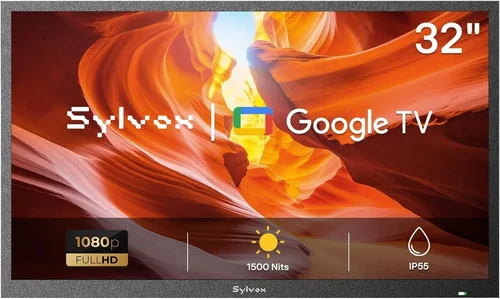
❌ Mistake: Buying a Standard Indoor TV with a Generic Weather Cover
Why it’s bad: Most indoor TVs aren’t designed for constant humidity or temperature fluctuations. Even with a cover, condensation can form inside, leading to corrosion, short circuits, or screen fogging. Salt air accelerates this damage.
What to do instead: Invest in a purpose-built outdoor TV or a certified weatherproof enclosure from a reputable brand. If using an enclosure, ensure it’s ventilated, UV-stabilized, and rated for your climate zone.
❌ Mistake: Ignoring Brightness Requirements
Why it’s bad: A dim screen turns your outdoor movie night into a squinting contest. Standard TVs simply can’t compete with daylight, making content unwatchable during peak hours.
What to do instead: Prioritize models with at least 1,000 nits of brightness. Look for anti-reflective coatings and consider installing the TV under an awning or pergola to reduce direct glare.
❌ Mistake: Overlooking Corrosion Resistance
Why it’s bad: Salt-laden air silently destroys electronics. Screws rust, circuits corrode, and connectors fail—often within 1–2 years in coastal areas.
What to do instead: Choose TVs with marine-grade materials, stainless steel fasteners, and conformal coating. Avoid plastic-heavy designs that degrade under UV exposure.
❌ Mistake: Skimping on Mounting Hardware
Why it’s bad: Weak mounts can’t handle wind loads or the weight of reinforced outdoor TVs. Improper installation risks damage or injury.
What to do instead: Use heavy-duty, corrosion-resistant mounts rated for outdoor use. Consult a professional installer if your wall isn’t structurally sound or if you’re mounting on a freestanding pole.
❌ Mistake: Assuming All “Outdoor” TVs Are Equal
Why it’s bad: Marketing terms like “weather-resistant” or “outdoor-ready” vary widely. Some only protect against light rain, not salt spray or extreme heat.
What to do instead: Verify IP ratings, read technical specs, and check for third-party certifications. When in doubt, contact the manufacturer directly about coastal suitability.
❌ Mistake: Neglecting Audio Solutions
Why it’s bad: Built-in speakers on outdoor TVs are often weak and muffled by wind or ambient noise. You’ll miss dialogue and sound effects.
What to do instead: Pair your TV with weatherproof outdoor speakers or a soundbar. Wireless options simplify setup and reduce cable clutter.
❌ Mistake: Forgetting About Power Protection
Why it’s bad: Coastal storms bring lightning and power surges that can fry unprotected electronics.
What to do instead: Install a whole-home surge protector and use a high-quality outdoor-rated power conditioner for your TV.
Budget Guidelines: How Much Should You Spend?
Entry-Level ($600–$1,200): These are typically indoor TVs in basic weatherproof enclosures or budget outdoor models with limited brightness (500–700 nits). Best for covered patios with minimal sun exposure. Expect shorter lifespans in salty air—ideal for renters or temporary setups.
Mid-Range ($1,200–$2,200): This is the sweet spot for most coastal homeowners. You’ll find fully sealed units with 800–1,200 nits brightness, smart features, and decent corrosion protection. Brands like Seura and SkyVue offer reliable options here. Expect 3–5 years of solid performance with proper care.
Premium ($2,200–$3,500): Designed for full exposure, these TVs feature 1,500+ nits brightness, marine-grade construction, and advanced thermal management. Models from SunBriteTV and Samsung The Terrace excel here. Built to last 5–7 years or more in harsh coastal conditions.
Luxury ($3,500+): Top-tier commercial-grade displays with modular designs, 24/7 operation capability, and extreme durability. Ideal for large estates, hotels, or luxury beachfront properties. Often include professional installation and extended service plans.
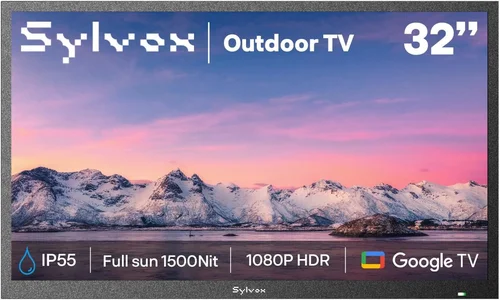
Expert Tips for Getting the Best Deal
- Buy Off-Season: Demand peaks in spring and summer. Shop between October and February for discounts of 15–30%.
- Compare Retailers: Big-box stores may have competitive pricing, but specialty outdoor electronics retailers often bundle installation, mounts, and warranties.
- Check Refurbished Options: Certified refurbished outdoor TVs from manufacturers can save 20–40% and come with full warranties.
- Negotiate Bundles: Ask for free mounting hardware, extended warranties, or discounted sound systems when purchasing.
- Verify Return Policies: Ensure you can return the TV if it doesn’t perform as expected in your specific environment—some retailers offer 30–60 day trials.
- Test Before Committing: If possible, visit a showroom or ask neighbors who own similar models about their experience.
- Consider Total Cost of Ownership: A cheaper TV that fails in two years costs more than a durable one that lasts six.
- Use Price Tracking Tools: Set alerts on sites like CamelCamelCamel (for Amazon) or Honey to monitor price drops.

Frequently Asked Questions
Q: Can I use a regular TV outside if it’s under a covered patio?
A: Technically yes, but it’s risky. Even under cover, humidity, temperature swings, and indirect salt exposure can damage internal components over time. A dedicated outdoor TV or certified enclosure is strongly recommended for longevity.
Q: How do I protect my outdoor TV from salt corrosion?
A: Choose a model with marine-grade materials, stainless steel hardware, and conformal coating. Regularly wipe down the exterior with fresh water to remove salt residue, especially after storms.
Q: Do outdoor TVs need special mounting?
A: Yes. Use heavy-duty, corrosion-resistant mounts rated for outdoor use. Ensure the mounting surface can support the TV’s weight and withstand wind loads. Professional installation is advised for exposed locations.
Q: Will an outdoor TV work in direct sunlight?
A: Only if it has sufficient brightness (1,000+ nits) and anti-glare coating. Even then, consider partial shading for optimal viewing comfort.
Q: Are outdoor TVs energy efficient?
A: Modern outdoor TVs use similar power as indoor equivalents of the same size. Look for ENERGY STAR ratings to minimize electricity use, especially if running for long hours.
Q: Can I connect streaming devices like Roku or Apple TV?
A: Most outdoor TVs have HDMI ports, so yes—but ensure the device is also protected from the elements or placed indoors with a long HDMI cable.
Q: What happens if my outdoor TV gets rained on?
A: Fully sealed outdoor TVs (IP55 or higher) are designed to handle rain. However, avoid spraying directly with high-pressure water, which can force moisture into seams.
Q: How long do outdoor TVs typically last in coastal areas?
A: With proper care, mid-range to premium models last 5–7 years. Entry-level units may fail in 2–3 years due to corrosion or component stress.
Q: Do I need a permit to install an outdoor TV?
A: Usually not, but check local building codes—especially if mounting on a freestanding pole or modifying your home’s structure.
Q: Can I leave my outdoor TV on all the time?
A: Commercial-grade models are built for 24/7 operation. Consumer outdoor TVs should be turned off when not in use to extend lifespan and save energy.
Our Final Recommendations
Best for Budget-Conscious Buyers: Seura Shadow 55″ – At around $1,400, it offers 1,000 nits brightness, full sealing, and solid smart features. Great for covered decks with occasional sun exposure.
Best Overall Value: SunBriteTV Veranda Series 65″ – Priced near $2,000, it delivers exceptional brightness (1,500 nits), marine-grade construction, and reliable performance in full coastal conditions.
Best Premium Option: Samsung The Terrace 75″ – With 2,000 nits, anti-reflective coating, and sleek design, it’s perfect for luxury outdoor spaces. Includes smart platform and robust warranty.
Best for Beginners: SkyVue Outdoor TV 50″ – User-friendly setup, good app support, and decent durability at $1,600. Ideal for first-time buyers testing outdoor entertainment.
Best for Advanced Users: Peerless-AV Xtreme High-Bright 65″ – Commercial-grade build, modular design, and extreme environmental tolerance. Suited for tech-savvy homeowners wanting maximum control and longevity.
Conclusion: Making the Right Choice
Choosing an outdoor TV for your coastal home isn’t just about picture quality—it’s about investing in a product that can endure the unique challenges of seaside living. From salt corrosion to blinding sunlight, every detail matters. By prioritizing brightness, build quality, and brand reputation, you’ll avoid costly replacements and enjoy years of reliable outdoor entertainment.
Remember, the cheapest option today may become the most expensive tomorrow if it fails prematurely. Focus on total value, not just upfront cost. Use the guidelines in this guide to assess your needs, compare models, and time your purchase for maximum savings. And don’t hesitate to consult professionals for installation—especially in exposed or high-wind areas.
Your outdoor space deserves the same attention to detail as your indoor living areas. With the right TV, you’ll create a welcoming, functional retreat that enhances every gathering, from quiet mornings with coffee to lively weekend parties. So take the leap—your perfect outdoor viewing experience is within reach.

