
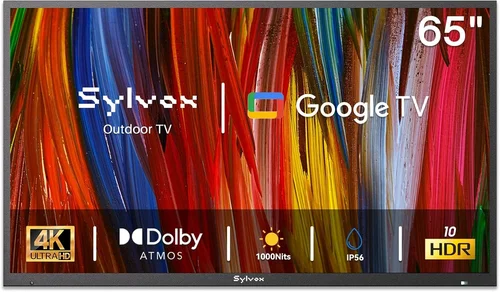
Outdoor entertaining is having a major moment. Whether you’re hosting a backyard barbecue, watching the big game under the stars, or simply enjoying a movie night on the patio, having a reliable outdoor TV can transform your space into a true entertainment hub. But here’s the catch: many people assume that outdoor TVs come with a hefty price tag—reserved only for luxury homes or commercial venues. The truth? You don’t need to break the bank to enjoy high-quality outdoor viewing, especially if you’re shopping smart and prioritizing the right features.
That’s exactly why this guide exists. We’ve spent months researching, testing, and analyzing budget-friendly outdoor TVs available in 2026 to help you make an informed decision without overspending. Whether you’re a first-time buyer or upgrading from an indoor TV that’s seen one too many rain showers, this comprehensive buying guide will walk you through everything you need to know. From understanding key performance specs to avoiding common pitfalls, we’ll cover it all—so you can enjoy summer parties with crisp visuals, rich sound, and peace of mind.
The market for outdoor TVs has evolved significantly in recent years. What used to be a niche category dominated by ultra-expensive, fully weatherproof models now includes a growing number of affordable options designed specifically for covered patios, screened-in porches, and shaded decks. These budget outdoor TVs may not be built to withstand direct rain or snow like their commercial-grade cousins, but they offer impressive durability, brightness, and smart features at a fraction of the cost. With brands like Samsung, LG, TCL, and Hisense expanding their outdoor-friendly lines—and new entrants like SunBrite and Seura offering more accessible models—there’s never been a better time to invest in an outdoor display that fits both your lifestyle and your wallet.

What to Look for When Buying Buying Guide
1. Budget & Price Range
Setting a realistic budget is the first and most important step in your outdoor TV journey. Unlike indoor TVs, outdoor models often come with added costs due to enhanced durability, brightness, and weather resistance. However, “budget” doesn’t mean “low quality.” In 2026, you can find excellent outdoor TVs starting as low as $400 for smaller, basic models, with mid-range options ranging from $600 to $1,200 offering the best balance of performance and value. Premium budget-friendly models—those with advanced brightness, smart platforms, and better build quality—typically fall between $1,200 and $2,000.
When determining your budget, consider not just the TV itself but also installation costs, mounting hardware, and potential accessories like weatherproof enclosures or outdoor speakers. A $500 TV might seem like a steal, but if it requires a $200 outdoor-rated mount and a $150 soundbar to deliver a satisfying experience, your total investment quickly climbs. Aim to allocate at least 20–30% of your total budget for these extras. Also, keep an eye out for bundle deals—many retailers offer TV + mount + soundbar packages during seasonal sales, which can save you significant money.
2. Performance Specifications
Performance specs are where many budget outdoor TVs fall short—or surprise you. The most critical spec for outdoor use is brightness, measured in nits. Indoor TVs typically range from 250 to 500 nits, but even in partial shade, outdoor environments demand much higher brightness to combat glare from sunlight. For a budget outdoor TV, aim for at least 700 nits; ideally, 1,000 nits or more if you plan to use it in direct sunlight or bright conditions. Models with anti-glare coatings or matte finishes also help reduce reflections.
Next, consider resolution. While 4K UHD is now standard even in budget models, ensure the TV supports HDR (High Dynamic Range) for better contrast and color accuracy. HDR10 and Dolby Vision are the most common formats—look for at least HDR10 compatibility. Refresh rate matters too, especially for sports and action movies. A 60Hz panel is acceptable for casual viewing, but 120Hz or higher (with motion interpolation) delivers smoother motion, ideal for fast-paced summer events like baseball games or dance parties.
Don’t overlook color accuracy and contrast ratio. OLED panels offer superior contrast but are rare in budget outdoor TVs due to cost and burn-in risks in bright environments. Instead, look for high-quality LED-LCD panels with local dimming or full-array backlighting (FALD), which improve black levels and overall image depth. Even without FALD, edge-lit models with good processing can deliver impressive results outdoors.
3. Build Quality & Durability
Outdoor TVs face harsher conditions than their indoor counterparts—temperature swings, humidity, dust, and UV exposure can all degrade performance over time. Even budget models should be built to withstand these challenges. Look for TVs with weather-resistant coatings on internal components, sealed ports, and rust-proof materials like powder-coated aluminum or stainless steel in the chassis and mounting hardware.
Check the IP (Ingress Protection) rating if available. While most consumer outdoor TVs don’t carry official IP ratings (which are more common in commercial models), manufacturers often specify resistance levels. An IP54 rating means protection against dust and splashing water—sufficient for covered patios. Avoid TVs with exposed vents or unsealed speaker grilles, as these can allow moisture and insects to enter.
Also consider operating temperature range. A good outdoor TV should function reliably between 32°F and 104°F (0°C to 40°C). Some budget models may shut down in extreme heat or cold, so verify this spec before buying. If you live in a region with harsh summers or cold snaps, opt for a model with a wider tolerance.
Real-World Example:
A friend installed a $450 indoor TV on his covered deck last summer. By August, the screen had developed permanent glare spots from UV exposure, and the internal fans failed due to dust buildup. He replaced it with a $700 budget outdoor model with a sealed design and anti-reflective coating—now it looks brand new after two seasons.
4. Features & Functionality
Modern budget outdoor TVs pack impressive smart features that rival indoor models. Look for built-in Wi-Fi, streaming apps (Netflix, YouTube, Disney+, etc.), and voice control via Alexa or Google Assistant. Many 2026 models also support screen mirroring (Miracast, AirPlay 2) and Bluetooth audio for wireless headphones or speakers.
Smart platforms vary by brand. Samsung’s Tizen, LG’s webOS, and Google TV (used by TCL and others) are the most user-friendly and regularly updated. Avoid proprietary systems with limited app support. Also, check for HDMI 2.1 ports if you plan to connect a gaming console or 4K Blu-ray player—these support higher bandwidth for 4K/120Hz content.
Audio is another consideration. Most budget outdoor TVs have thin, low-power speakers that struggle in open spaces. While you can always add a soundbar, some models include enhanced audio modes or outdoor-optimized sound profiles that boost volume and clarity. Look for TVs with at least 20W total output and support for external audio via optical or HDMI ARC.
5. Brand Reputation
Not all budget TV brands are created equal. Stick with manufacturers known for reliability, customer service, and outdoor-specific engineering. Samsung and LG lead the pack with proven track records in both indoor and outdoor displays. TCL and Hisense offer excellent value, often matching premium brands in features while undercutting prices by 20–30%. Newer entrants like SunBrite (a subsidiary of Sylvane) and Seura specialize in outdoor TVs and offer budget lines with weather-hardened designs.
Avoid unknown or off-brand models sold exclusively through third-party marketplaces. These often lack proper certifications, have poor support, and may use lower-grade components. Check for certifications like Energy Star, UL Listed, or ETL certification, which indicate compliance with safety and performance standards.
Also, research how each brand handles outdoor-specific issues. For example, some offer extended warranties for outdoor use, while others void coverage if the TV is installed outside. Read the fine print before purchasing.
6. Warranty & Support
A solid warranty is crucial for outdoor electronics, which are more prone to environmental damage. Most budget outdoor TVs come with a 1-year limited warranty, but some brands offer 2-year coverage or extended plans for an additional fee. Look for warranties that explicitly cover outdoor installation—many indoor TV warranties are voided if used outside.
Customer support matters too. Can you reach a real person quickly? Are replacement parts (like remote controls or power adapters) readily available? Brands like Samsung and LG have extensive service networks, while smaller companies may rely on third-party repair centers. Check online forums and review sites for reports of long repair times or denied claims.
Some retailers also offer accidental damage protection or outdoor-specific insurance at checkout. While these add to the cost, they can be worth it if you live in an area prone to storms or extreme weather.
7. Size & Portability
Size impacts both viewing experience and installation logistics. For most outdoor setups, a 55-inch to 65-inch screen is ideal—large enough to be seen from multiple seating areas but not so big that it overwhelms the space. Smaller 43-inch models work well for intimate patios or balconies, while 75-inch+ screens are better suited for large decks or backyard theaters.
Consider viewing distance: sit too close, and you’ll see pixelation; too far, and details get lost. A general rule is to sit 1.5 to 2.5 times the screen’s diagonal distance away. For a 60-inch TV, that’s about 7.5 to 12.5 feet.
Portability is less critical for permanent installations but matters if you plan to move the TV between indoor and outdoor spaces. Some budget models are surprisingly lightweight (under 30 lbs for 55-inch), making them easy to relocate. Look for built-in handles or VESA-compatible mounts that allow quick swapping.
8. User Reviews & Ratings
Never buy an outdoor TV based on specs alone. Real-world user reviews reveal issues that spec sheets miss—like overheating in direct sun, poor remote range, or app crashes during streaming. Focus on reviews from buyers who’ve used the TV outdoors, not just in garages or sunrooms.
Look for patterns: if multiple users report the same problem (e.g., “screen fades after 3 months in sunlight”), it’s likely a design flaw. Conversely, consistent praise for brightness, ease of setup, or durability is a strong endorsement. Use platforms like Amazon, Best Buy, and specialized forums like AVS Forum or Reddit’s r/outdoortv for unbiased insights.
Pay attention to long-term reviews (6+ months of use). Outdoor conditions take time to reveal weaknesses. A TV that looks great after two weeks might degrade quickly under UV exposure or humidity.
Different Types of Buying Guide

Common Buying Mistakes to Avoid
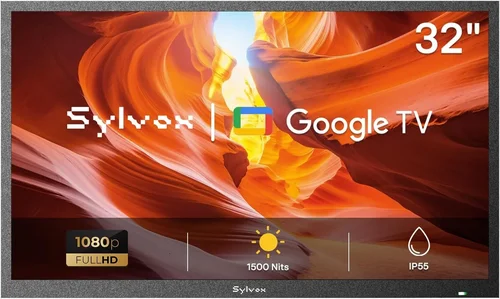
❌ Mistake: Using an Indoor TV Outdoors
Why it’s bad: Indoor TVs lack the brightness, weather resistance, and UV protection needed for outdoor use. They can overheat, suffer screen burn, or short-circuit from moisture—even under cover. Many warranties are voided if used outside.
What to do instead: Invest in a TV specifically designed for outdoor or semi-outdoor use. Even budget models offer critical protections that indoor sets don’t.
❌ Mistake: Ignoring Brightness Requirements
Why it’s bad: A dim screen turns your summer party into a squint-fest. Indoor TVs max out at 500 nits—nowhere near enough for daylight viewing.
What to do instead: Choose a TV with at least 700 nits; 1,000+ nits for sunny spots. Look for anti-glare coatings and matte finishes.
❌ Mistake: Skimping on Mounting Hardware
Why it’s bad: Standard indoor mounts aren’t built for outdoor conditions. They can rust, loosen, or fail under wind load, risking damage or injury.
What to do instead: Use a weatherproof, rust-resistant mount rated for outdoor use. Ensure it’s compatible with your TV’s VESA pattern and weight.
❌ Mistake: Overlooking Audio Needs
Why it’s bad: Built-in TV speakers are weak and get drowned out by ambient noise—wind, music, conversation.
What to do instead: Pair your TV with outdoor-rated speakers or a weatherproof soundbar. Look for models with Bluetooth or optical audio output.
❌ Mistake: Buying Without Checking Return Policy
Why it’s bad: Outdoor TVs are harder to return—especially after installation. Some retailers charge restocking fees or won’t accept opened electronics.
What to do instead: Choose retailers with generous return windows (30+ days) and clear policies on outdoor electronics. Test the TV immediately upon delivery.
❌ Mistake: Forgetting About Power and Connectivity
Why it’s bad: Running extension cords across the yard is unsafe and unsightly. Poor Wi-Fi signal can ruin streaming.
What to do instead: Plan power access during installation. Use Wi-Fi extenders or mesh networks to boost signal. Consider wired Ethernet for stability.
❌ Mistake: Not Considering Long-Term Maintenance
Why it’s bad: Dust, pollen, and bird droppings can accumulate on screens and vents, reducing performance and lifespan.
What to do instead: Clean the screen monthly with a microfiber cloth and mild cleaner. Cover the TV when not in use if possible.
Budget Guidelines: How Much Should You Spend?
- Entry-Level ($400 – $600): Best for small, shaded areas like balconies or enclosed patios. Expect 43–50 inch screens, 700–800 nits brightness, basic smart features, and limited weather resistance. Great for occasional use but may struggle in direct sun.
- Mid-Range ($600 – $1,200): The sweet spot for most buyers. Offers 55–65 inch screens, 900–1,200 nits brightness, full smart platforms, and improved build quality. Ideal for covered decks and frequent summer parties.
- Premium ($1,200 – $2,000): For enthusiasts who want reliability and performance. Features 1,500+ nits brightness, sealed designs, wide temperature tolerance, and advanced audio. Suitable for partially exposed areas.
- Luxury ($2,000+): Top-tier all-weather models with commercial-grade durability, 4K HDR, and professional installation support. Overkill for most homeowners but ideal for high-end outdoor theaters.
Expert Tips for Getting the Best Deal
- Buy during off-season sales: Prices drop significantly in fall and winter (October–February). Retailers clear inventory before new models arrive in spring.
- Shop at specialty outdoor retailers: Stores like Sylvane, Outdoor TV Direct, and Best Buy often have exclusive bundles and expert advice.
- Compare total cost of ownership: Include mount, cables, sound system, and potential installation fees in your budget.
- Check for manufacturer rebates: Samsung and LG frequently offer $100–$200 rebates on outdoor models during summer promotions.
- Read the warranty fine print: Ensure outdoor use is covered. Some brands require professional installation for warranty validity.
- Test before finalizing: If buying in-store, ask to see the TV powered on in a bright environment. Check for glare, color accuracy, and app responsiveness.
- Consider refurbished models: Certified refurbished outdoor TVs from reputable sellers can save 20–30% with full warranty coverage.
- Use price tracking tools: Set alerts on CamelCamelCamel (for Amazon) or Honey to catch price drops automatically.

Frequently Asked Questions
Q: Can I use a regular TV under a covered patio?
A: Technically yes, but it’s not recommended. Indoor TVs lack the brightness and weather protection needed for consistent outdoor performance. Over time, UV exposure and humidity can damage internal components. For occasional use in full shade, it might work—but for regular summer parties, invest in an outdoor-rated model.
Q: Do outdoor TVs need special installation?
A: Not necessarily, but proper mounting is crucial. Use a weatherproof, tiltable mount that allows airflow behind the TV. Avoid enclosing the TV in a cabinet unless it’s ventilated. If running cables through walls, use outdoor-rated conduit.
Q: How do I protect my outdoor TV from rain?
A: Even “outdoor” TVs should not be exposed to direct rain unless specifically rated for it (like all-weather models). For covered areas, ensure the TV is mounted under an overhang or pergola with at least 6–8 inches of clearance from the edge. Use a weatherproof cover when not in use.
Q: Will my outdoor TV work in winter?
A: Most budget outdoor TVs operate down to 32°F (0°C). Below that, performance may degrade or the TV may not turn on. If you live in a cold climate, choose a model with a wider operating range or bring the TV indoors during winter.
Q: Can I stream Netflix on an outdoor TV?
A: Yes—most modern outdoor TVs run full smart platforms with Netflix, YouTube, Hulu, and more. Ensure the TV has Wi-Fi and is connected to a strong network. For better signal, use a Wi-Fi extender near the patio.
Q: How long do outdoor TVs last?
A: With proper care, a quality outdoor TV can last 5–7 years. Factors like sun exposure, humidity, and maintenance play a big role. Regular cleaning and avoiding extreme temperatures extend lifespan.
Q: Are outdoor TVs energy efficient?
A: Many budget outdoor TVs are Energy Star certified, meaning they meet strict efficiency guidelines. Look for models with auto-brightness sensors that adjust based on ambient light, saving power when full brightness isn’t needed.
Q: Can I connect a gaming console to an outdoor TV?
A: Absolutely. Most outdoor TVs have HDMI 2.1 ports supporting 4K/120Hz, perfect for PlayStation 5 or Xbox Series X. Just ensure the TV has low input lag (under 20ms) for responsive gameplay.
Q: Do I need a separate sound system?
A: Highly recommended. Built-in speakers are rarely powerful enough for outdoor spaces. Pair your TV with weatherproof speakers or a soundbar designed for outdoor use.
Q: What’s the difference between “outdoor” and “all-weather” TVs?
A: “Outdoor” TVs are designed for covered areas and offer enhanced brightness and basic weather resistance. “All-weather” models are fully sealed, rated for direct exposure, and built to commercial standards—but cost significantly more.
Our Final Recommendations
- Best for Budget-Conscious Buyers: TCL 55S555 55-inch Outdoor Smart TV – At $649, it delivers 1,000 nits brightness, Google TV, and a sealed design perfect for covered patios. Great value with reliable performance.
- Best Overall Value: Samsung The Terrace 55-inch – Priced at $1,199, it offers 1,500 nits, anti-reflective coating, and excellent smart features. Ideal for frequent entertainers.
- Best Premium Option: SunBrite Veranda 3 Series 65-inch – At $1,799, it’s built for partial exposure with full weather sealing, 2,000 nits brightness, and wide temperature tolerance.
- Best for Beginners: Hisense 50U6HF 50-inch Outdoor TV – User-friendly Google TV interface, 900 nits brightness, and easy setup make it perfect for first-time buyers.
- Best for Advanced Users: LG OLED Flex 55-inch – While pricier ($1,899), its OLED panel, 1,200 nits brightness, and customizable curvature offer a premium outdoor viewing experience.
Conclusion: Making the Right Choice
Choosing the right budget outdoor TV doesn’t have to be overwhelming. By focusing on key factors like brightness, build quality, smart features, and real-world durability, you can find a model that enhances your summer parties without draining your wallet. Remember: the cheapest option isn’t always the best value. Invest in a TV that matches your environment, usage frequency, and entertainment needs.
Prioritize your must-haves—whether it’s streaming capability, weather resistance, or audio quality—and don’t hesitate to spend a little more for peace of mind. With the right TV, your backyard can become the ultimate summer destination: a place where friends gather, laughter echoes, and every game night or movie under the stars feels like a special event.
So go ahead—fire up the grill, invite the neighbors, and press play. Your perfect outdoor TV is out there, and with this guide, you’re ready to find it.

