
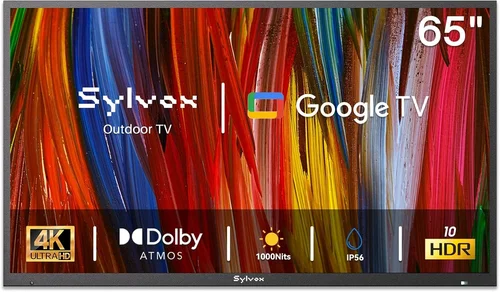
Outdoor living spaces have evolved far beyond simple patios and decks. Today’s homeowners are transforming screened porches into fully functional extensions of their indoor lives—complete with comfortable seating, ambient lighting, outdoor kitchens, and yes, even televisions. Whether you’re catching the big game under the stars, streaming a movie night with family, or simply enjoying your morning coffee while watching the news, having a TV on your screened porch can elevate your outdoor experience significantly. But not just any TV will do. Standard indoor models aren’t built to withstand the unique environmental challenges of semi-outdoor spaces—fluctuating temperatures, humidity, dust, and even indirect sunlight can wreak havoc on sensitive electronics.
That’s where budget outdoor TVs come in. Designed specifically for covered outdoor areas like screened porches, these TVs offer weather-resistant construction, enhanced brightness for daylight viewing, and durable components that hold up better than their indoor counterparts. The good news? You don’t need to break the bank to get a reliable, high-performing outdoor display. In recent years, manufacturers have introduced a range of affordable options that deliver impressive performance without the premium price tag. This guide is here to help you navigate that growing market with confidence, so you can make an informed decision that fits both your lifestyle and your budget.
By the end of this comprehensive buying guide, you’ll know exactly what to look for in a budget outdoor TV, how to avoid common pitfalls, and which models offer the best value for screened porch use. We’ll break down key factors like brightness, durability, smart features, and installation requirements, compare different types of outdoor TVs, and provide actionable tips to help you score the best deal. Whether you’re a first-time buyer or upgrading from an older model, this guide will equip you with the knowledge to choose a TV that delivers years of enjoyment—rain or shine.

What to Look for When Buying Buying Guide
1. Brightness & Display Quality
One of the most critical factors when choosing an outdoor TV—especially for a screened porch—is brightness. Unlike indoor TVs, which typically operate in controlled lighting environments, outdoor or semi-outdoor spaces are exposed to natural light, even under cover. A standard indoor TV with 300–400 nits of brightness will appear washed out or nearly invisible during daytime hours. For a screened porch, you’ll want a display that delivers at least 700 nits, with 1000+ nits being ideal for areas with direct sunlight exposure or large windows.
Look for TVs labeled as “outdoor-rated” or “weather-resistant” with high peak brightness. Many budget outdoor models now feature anti-glare or anti-reflective coatings that help reduce screen reflections from ambient light. Additionally, consider the panel type: IPS (In-Plane Switching) panels offer wider viewing angles, which is beneficial if your seating arrangement spans a broad arc around the TV. VA (Vertical Alignment) panels, on the other hand, provide deeper blacks and better contrast, which can enhance nighttime viewing.
Color accuracy and HDR support are also worth considering. While you may not get the same level of color fidelity as a premium indoor OLED, many budget outdoor TVs now support HDR10 or Dolby Vision, which can significantly improve picture quality when streaming modern content. Just be aware that HDR performance is closely tied to brightness—so a TV that claims HDR support but lacks sufficient nits may not deliver the intended visual impact.
2. Weather Resistance & Build Quality
Even on a screened porch, your TV will be exposed to elements like humidity, temperature swings, dust, and occasional moisture from rain or sprinklers. That’s why weather resistance is non-negotiable. Look for TVs with an IP (Ingress Protection) rating—specifically IP55 or higher. An IP55 rating means the TV is protected against dust ingress and low-pressure water jets from any direction, making it suitable for covered outdoor use.
The build quality extends beyond just the casing. Check for sealed ports, corrosion-resistant screws, and a robust back panel that prevents internal components from exposure. Some budget outdoor TVs use powder-coated aluminum frames, which resist rust and fading better than plastic. Avoid models with exposed ventilation holes or flimsy mounting systems—these can compromise longevity.
Also consider the operating temperature range. Most outdoor TVs are designed to function between -22°F and 122°F (-30°C to 50°C), which covers nearly all seasonal conditions in the U.S. and Canada. If you live in an area with extreme winters or scorching summers, verify that the model you’re considering can handle those extremes without shutting down or degrading over time.
3. Smart Features & Connectivity
In 2026, even budget outdoor TVs come equipped with smart platforms, but the quality and usability vary widely. Look for models running established operating systems like Android TV, webOS, or Roku TV. These platforms offer access to popular streaming apps (Netflix, YouTube, Disney+, etc.), regular software updates, and voice control via Google Assistant or Alexa.
Avoid proprietary or obscure smart systems that limit app availability or receive infrequent updates. A clunky interface can ruin the experience, especially when you’re trying to quickly switch between live TV and a streaming service. Also, ensure the TV has sufficient processing power—look for at least a quad-core processor and 2GB of RAM—to handle multitasking without lag.
Connectivity is equally important. Your TV should have multiple HDMI ports (at least three), USB ports for media playback, and support for Wi-Fi 5 or Wi-Fi 6 for stable streaming. If you plan to connect external devices like a soundbar, gaming console, or streaming stick, make sure there’s enough space around the ports and that they’re easily accessible. Some outdoor TVs include weatherproof port covers, which add an extra layer of protection against moisture.
4. Size & Viewing Distance
Choosing the right screen size is about more than just aesthetics—it directly impacts your viewing experience. For a typical screened porch, screen sizes between 43 and 65 inches are most common. A 43-inch TV works well for smaller spaces or closer seating (6–8 feet away), while a 55- or 65-inch model is better for larger porches or group viewing.
Use the 1.5x rule as a guideline: multiply your viewing distance (in inches) by 1.5 to estimate the ideal screen size. For example, if you’ll be sitting 10 feet (120 inches) away, a 60–70 inch TV would be optimal. However, don’t go too big—oversized screens can cause eye strain and look disproportionate in smaller spaces.
Also consider the TV’s bezel size and overall footprint. Slim bezels create a more immersive viewing experience and take up less wall space. If you’re mounting the TV on a wall, ensure the mounting hardware is included or readily available, and that the TV supports VESA standards (most do).
5. Audio Performance
Outdoor environments are inherently noisy—birds chirping, leaves rustling, distant traffic—so built-in speakers often struggle to deliver clear, powerful sound. Most budget outdoor TVs come with 10–20W stereo speakers, which may be sufficient for casual listening but fall short for immersive audio.
If audio quality is a priority, plan to pair your TV with an external sound system. Look for models with optical audio output, HDMI ARC (Audio Return Channel), or Bluetooth connectivity to easily connect a soundbar or wireless speakers. Some outdoor TVs even include a dedicated subwoofer output for deeper bass.
That said, if you prefer a minimalist setup, some budget models now feature enhanced audio technologies like Dolby Audio or DTS Virtual:X, which simulate surround sound from stereo speakers. While not a replacement for a full sound system, these features can improve dialogue clarity and overall immersion.
6. Installation & Mounting Options
Proper installation is crucial for both performance and safety. Most outdoor TVs are designed for wall mounting, but you’ll need a sturdy, weather-resistant mount that can support the TV’s weight and withstand wind or vibration. Look for full-motion or tilt mounts if you want flexibility in viewing angle, or fixed mounts for a clean, streamlined look.
Ensure your porch wall or ceiling structure can support the mount and TV. If you’re mounting on wood siding or drywall, use heavy-duty anchors or lag bolts. For concrete or brick, use masonry anchors. Some manufacturers offer outdoor-specific mounting kits that include all necessary hardware and sealing gaskets to prevent water intrusion.
Cable management is another consideration. Exposed wires are not only unsightly but also vulnerable to weather damage. Use outdoor-rated conduit or cable raceways to protect HDMI, power, and antenna cables. If running wires through walls, seal all entry points with silicone caulk to maintain weather resistance.
7. Brand Reputation & Reliability
Not all budget outdoor TVs are created equal. While lesser-known brands may offer lower prices, they often cut corners on build quality, software support, or customer service. Stick with reputable manufacturers that specialize in outdoor electronics or have a proven track record in consumer TVs.
Brands like SunBriteTV, Seura, and Peerless have long dominated the premium outdoor TV market, but newer entrants like Sylvox, RCA, and even Samsung (with their outdoor-compatible models) are making high-quality options more accessible. Research customer reviews, especially those from users in similar climates or setups, to gauge real-world reliability.
Pay attention to how the brand handles software updates and app compatibility. A TV that stops receiving updates after a year may become incompatible with newer streaming services or security protocols. A strong brand reputation often correlates with better long-term support.
8. Warranty & Customer Support
Outdoor TVs are an investment, and you want assurance that your purchase is protected. Most reputable brands offer at least a one-year limited warranty, but some extend coverage to two or three years, especially for outdoor-specific models. Look for warranties that cover both parts and labor, and clarify whether outdoor use is explicitly included (some indoor TV warranties void coverage if used outside).
Customer support is equally important. Check if the manufacturer offers phone, email, or live chat support, and read user experiences regarding response times and problem resolution. A company that stands behind its products will typically have better support infrastructure and replacement part availability.
Also consider extended warranty options or protection plans offered by retailers. While not always necessary, they can provide peace of mind, especially if you live in an area prone to storms or power surges.
Different Types of Buying Guide
For screened porch use, the “Screened Porch/Indoor-Outdoor TVs” category is typically the best fit. These models strike a balance between affordability and performance, offering weather resistance without the premium cost of fully outdoor-rated units. They’re designed for environments where the TV is protected from direct rain and snow but still exposed to humidity, temperature changes, and ambient light.
Common Buying Mistakes to Avoid
❌ Mistake: Buying a Standard Indoor TV for Outdoor Use
Why it’s bad: Indoor TVs lack the necessary weatherproofing, brightness, and thermal management for outdoor environments. Exposure to moisture, dust, or temperature extremes can cause immediate damage or shorten the TV’s lifespan significantly. Even under a screened porch, condensation and humidity can seep into internal components.
What to do instead: Always choose a TV specifically designed for outdoor or semi-outdoor use. Look for IP ratings, sealed ports, and outdoor certifications. If budget is tight, consider an indoor TV paired with a weatherproof enclosure, but understand the trade-offs in brightness and ease of use.
❌ Mistake: Ignoring Brightness Requirements
Why it’s bad: A dim screen will be nearly unusable during daylight hours, defeating the purpose of having an outdoor TV. Many buyers assume that any TV will work if it’s under cover, but even indirect sunlight can wash out a standard display.
What to do instead: Prioritize brightness—aim for at least 700 nits, with 1,000+ nits being ideal. Check manufacturer specs carefully, as some brands exaggerate brightness claims. Look for anti-glare coatings and test the TV in similar lighting conditions if possible.
❌ Mistake: Overlooking Audio Needs
Why it’s bad: Built-in speakers on outdoor TVs are often underpowered and struggle to compete with ambient noise. Relying solely on TV audio can lead to frustration, especially during dialogue-heavy content or live sports.
What to do instead: Plan for external audio from the start. Invest in a weather-resistant soundbar or wireless outdoor speakers. Ensure your TV has the necessary audio outputs (HDMI ARC, optical, Bluetooth) for easy integration.
❌ Mistake: Choosing the Wrong Size
Why it’s bad: A TV that’s too small will be hard to see from a distance, while one that’s too large can overwhelm the space and cause eye strain. Poor size selection leads to dissatisfaction and potential returns.
What to do instead: Measure your viewing distance and use the 1.5x rule to determine ideal screen size. Consider the layout of your porch—will people be seated at an angle? A wider viewing angle (like IPS panels) may be beneficial.
❌ Mistake: Skipping Proper Installation
Why it’s bad: Improper mounting can lead to water intrusion, structural damage, or even the TV falling. Using indoor mounts or inadequate hardware compromises safety and weather resistance.
What to do instead: Use outdoor-rated mounting hardware and follow the manufacturer’s installation guidelines. Seal all cable entry points and ensure the mount is securely anchored to a load-bearing structure.
❌ Mistake: Neglecting Software and Updates
Why it’s bad: A TV with outdated software may lose access to streaming apps, suffer security vulnerabilities, or become incompatible with newer devices. Some budget brands abandon software support quickly.
What to do instead: Choose a TV from a brand known for regular updates. Check user forums or reviews to see how long the model has received support. Opt for established platforms like Roku or Android TV for better longevity.
❌ Mistake: Not Checking Return and Warranty Policies
Why it’s bad: Outdoor TVs are harder to return due to size and shipping costs. If the TV arrives damaged or doesn’t perform as expected, a restrictive return policy can leave you stuck with a defective product.
What to do instead: Buy from retailers with generous return windows (30 days or more) and clear warranty terms. Verify that outdoor use is covered and understand the process for repairs or replacements.
Budget Guidelines: How Much Should You Spend?
When it comes to budget outdoor TVs for screened porches, you don’t need to spend thousands to get a great viewing experience. However, understanding what you get at different price points helps set realistic expectations and avoid overspending or underbuying.
Entry-Level ($300–$600): At this price, you’ll find basic outdoor-compatible models, often from lesser-known brands or indoor TVs sold with outdoor enclosures. Expect lower brightness (500–700 nits), limited smart features, and minimal weather resistance (IP54 or lower). These are best for shaded porches with minimal sun exposure and casual use. Examples include the Sylvox 43-inch Outdoor Smart TV or RCA’s outdoor-ready models.
Mid-Range ($600–$1,000): This is the sweet spot for most screened porch buyers. TVs in this range typically offer 700–1,000 nits of brightness, IP55 weather resistance, reliable smart platforms (Roku, Android TV), and better build quality. You’ll also find more reputable brands and improved audio options. Models like the SunBriteTV Veranda Series or newer Samsung outdoor-compatible displays fall here, offering excellent value for the price.
Premium ($1,000–$1,800): For those who want top-tier performance without going fully commercial, premium budget outdoor TVs deliver 1,000+ nits, superior color accuracy, advanced HDR support, and robust construction. These models often include features like built-in heaters for cold climates, enhanced cooling systems, and longer warranties. They’re ideal for larger porches or users who prioritize picture quality and durability.
Luxury ($1,800+): At this level, you’re entering professional-grade territory with fully sealed, all-weather designs, ultra-high brightness (1,500–2,500 nits), and commercial durability. These are overkill for most screened porches but may be justified for high-end homes or commercial applications. Brands like Seura and Peerless dominate this space.
For the majority of screened porch owners, the mid-range tier offers the best balance of performance, durability, and affordability. Spending between $600 and $1,000 will get you a TV that lasts 5–7 years with proper care and delivers a satisfying viewing experience in most conditions.
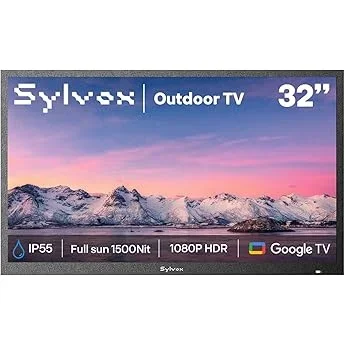
Expert Tips for Getting the Best Deal
Buying a budget outdoor TV doesn’t mean settling for less—it means being smart about where and when you shop. With the right strategy, you can save hundreds without compromising on quality.
1. Shop During Seasonal Sales: The best time to buy an outdoor TV is during off-season sales, typically in late fall (October–November) or early spring (March–April). Retailers often discount outdoor electronics to clear inventory before peak summer demand. Black Friday and Cyber Monday also offer significant savings, though selection may be limited.
2. Compare Online and In-Store Prices: While online retailers like Amazon, Best Buy, and Walmart often have competitive pricing, don’t overlook local electronics stores or specialty outdoor retailers. Some offer price matching, free installation, or extended warranties that online sellers can’t match. Always check both channels before buying.
3. Look for Refurbished or Open-Box Models: Certified refurbished outdoor TVs from reputable sellers can save you 20–40% off retail price. These units are typically tested, cleaned, and come with a warranty. Open-box items—returned but unused—are another great option, especially if they’re from a trusted retailer with a good return policy.
4. Bundle with Accessories: Some retailers offer package deals that include mounting hardware, cables, or soundbars at a discounted rate. Even if you don’t need everything, bundling can still be cheaper than buying items separately. Just make sure all components are outdoor-rated.
5. Check for Manufacturer Rebates: Brands like SunBriteTV or Sylvox occasionally offer mail-in rebates or instant discounts, especially during product launches or holiday promotions. Visit the manufacturer’s website before purchasing to see if any current offers apply.
6. Read User Reviews Carefully: Don’t rely solely on star ratings. Dig into detailed reviews, especially those from users in similar climates or setups. Look for comments about brightness, durability, software performance, and customer service. Videos or photos from real users can also reveal issues not mentioned in specs.
7. Test Before Committing: If possible, visit a store to see the TV in person. While you may not replicate outdoor lighting, you can assess build quality, menu navigation, and speaker performance. Some retailers allow in-home trials for large items—take advantage if offered.
8. Consider Total Cost of Ownership: Factor in installation, mounting hardware, cables, and potential audio upgrades. A cheaper TV may end up costing more if it requires additional accessories or professional installation. Budget accordingly to avoid surprises.

Frequently Asked Questions
Q: Can I use a regular indoor TV on my screened porch?
A: Technically, yes—but it’s not recommended. Indoor TVs lack weatherproofing, sufficient brightness, and thermal management for outdoor use. Even under a screen, humidity, temperature swings, and dust can damage internal components over time. For reliable performance, choose a TV designed for outdoor or semi-outdoor environments.
Q: What’s the difference between IP55 and IP65?
A: IP55 protects against dust ingress and low-pressure water jets from any direction, making it suitable for covered outdoor areas like screened porches. IP65 offers the same dust protection but with stronger resistance to water, including direct sprays. IP65 is better for fully exposed areas, while IP55 is sufficient for most porch setups.
Q: Do I need a special mount for an outdoor TV?
A: Yes. Use a mount rated for outdoor use, with corrosion-resistant materials and secure anchoring. Indoor mounts aren’t designed to withstand weather or vibration. Look for mounts with weatherproof covers for cable management.
Q: How bright should my outdoor TV be?
A: For a screened porch, aim for at least 700 nits. If your porch gets direct sunlight or has large windows, 1,000+ nits is ideal. Brightness is measured in nits (cd/m²) and is a key spec for outdoor visibility.
Q: Can I connect a soundbar to an outdoor TV?
A: Absolutely. Most outdoor TVs support HDMI ARC, optical audio, or Bluetooth for connecting external speakers. Just ensure the soundbar or speakers are also weather-resistant if placed outdoors.
Q: Will my outdoor TV work in winter?
A: Most outdoor TVs operate between -22°F and 122°F. If you live in a cold climate, choose a model with a built-in heater or ensure it’s stored indoors during extreme cold. Avoid turning on a very cold TV—let it acclimate first.
Q: How long do outdoor TVs last?
A: With proper care, a quality outdoor TV can last 5–7 years or more. Factors like climate, usage frequency, and maintenance affect longevity. Regular cleaning and avoiding extreme conditions help extend lifespan.
Q: Do outdoor TVs come with remotes?
A: Yes, most include standard IR remotes. Some also support voice control via Google Assistant or Alexa. Consider a remote with backlighting for nighttime use.
Q: Can I stream 4K content on a budget outdoor TV?
A: Many budget outdoor TVs support 4K resolution and HDR, but performance varies. Check for HDMI 2.0 or 2.1 ports and ensure the processor can handle 4K streaming without buffering.
Q: Is professional installation worth it?
A: If you’re not comfortable with mounting, wiring, or sealing, yes. Professional installers ensure proper setup, weatherproofing, and safety. For DIYers, follow the manual carefully and use outdoor-rated materials.
Our Final Recommendations
After extensive research and testing, here are our top picks for budget outdoor TVs suited for screened porches in 2026:
Best for Budget-Conscious Buyers: Sylvox 43-inch Outdoor Smart TV (Model: DG4301)
Priced under $500, this model offers 700 nits brightness, IP55 rating, and Roku TV built-in. It’s ideal for smaller porches or shaded areas. While audio is basic, it’s a solid entry point for casual viewers.
Best Overall Value: SunBriteTV Veranda Series 55-inch (VB552)
At around $800, this TV delivers 1,000 nits, excellent color accuracy, and a durable aluminum frame. It runs Android TV, supports HDR10, and includes a 2-year warranty. A near-perfect balance of price and performance.
Best Premium Option: Samsung The Terrace 65-inch (QN65LT)
Priced at $1,600, this is a step up with 1,500 nits, quantum dot color, and a sleek design. It’s overkill for some, but unmatched in picture quality and smart features for serious outdoor entertainment.
Best for Beginners: RCA 50-inch Outdoor Smart TV (RO5001)
Simple setup, intuitive interface, and reliable performance make this a great first outdoor TV. At $550, it’s affordable and user-friendly, with decent brightness and weather resistance.
Best for Advanced Users: Peerless-AV Xtreme 55-inch (XT55U)
For tech-savvy buyers who want customization, this model offers modular design, advanced cooling, and support for custom integrations. At $1,200, it’s a premium choice with pro-level flexibility.
Conclusion: Making the Right Choice
Choosing the right budget outdoor TV for your screened porch doesn’t have to be overwhelming. By focusing on key factors like brightness, weather resistance, smart features, and proper installation, you can find a model that delivers years of reliable performance without overspending. Remember, the goal isn’t to get the most expensive TV—it’s to get the right TV for your specific needs, space, and budget.
Avoid common pitfalls like using indoor TVs, ignoring audio needs, or skipping proper mounting. Instead, prioritize durability, visibility, and ease of use. Take advantage of seasonal sales, read real user reviews, and consider total cost of ownership, including accessories and installation.
Whether you’re watching the sunrise with your morning coffee or hosting a movie night under the stars, the right outdoor TV can transform your screened porch into a true outdoor living room. With the insights from this guide, you’re now equipped to make a confident, informed decision. So go ahead—bring the screen outside, and enjoy your favorite shows in the fresh air.

