
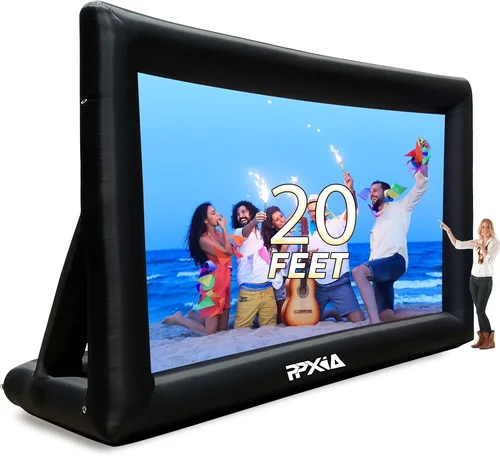
Backyard family gatherings have evolved far beyond simple barbecues and lawn games. With the rise of outdoor entertainment, more families are transforming their patios, decks, and backyards into cozy, high-tech gathering spaces—complete with outdoor TVs. Whether you’re hosting a movie night under the stars, watching the big game with friends, or keeping the kids entertained during a summer party, a backyard TV can elevate your outdoor experience in ways you never imagined.
But choosing the right outdoor TV isn’t as simple as grabbing the biggest screen you can find. Unlike indoor televisions, outdoor models must withstand sun, rain, dust, temperature swings, and even curious wildlife. They need to deliver bright, clear images in direct sunlight, resist glare, and maintain performance in extreme weather. And while the market is growing, not all outdoor TVs are created equal. Some are built for mild climates, others for year-round use in harsh conditions. Some are portable, others permanently mounted. With so many variables, it’s easy to make a costly mistake if you don’t know what to look for.
That’s where this guide comes in. Whether you’re a first-time buyer or upgrading from an older model, this comprehensive buying guide will walk you through everything you need to know to choose the best backyard TV for your family’s needs. You’ll learn about key performance specs, durability standards, smart features, budget considerations, and real-world usability. We’ll compare different types of outdoor TVs, highlight common pitfalls, and share expert tips to help you get the most value for your investment. By the end, you’ll have the confidence to pick a TV that delivers stunning visuals, lasts for years, and turns your backyard into the ultimate family hangout.
The outdoor TV market has expanded significantly in recent years, driven by demand for outdoor living spaces and advancements in display technology. Major brands like Samsung, LG, Sony, and specialized companies like SunBriteTV and Seura now offer models designed specifically for outdoor use. These aren’t just regular TVs shoved into weatherproof boxes—they’re engineered from the ground up for outdoor performance. Features like anti-glare screens, high brightness levels (measured in nits), weather-resistant casings, and built-in heaters or coolers are now standard in many models. At the same time, prices range from under $1,000 for basic models to over $5,000 for premium, all-weather units. With options at every price point and for every climate, there’s never been a better time to invest in an outdoor TV. But with so many choices, knowing what truly matters—and what’s just marketing fluff—is essential.

What to Look for When Buying a Backyard TV
1. Brightness & Display Performance
One of the most critical factors when choosing a backyard TV is brightness—measured in nits. Unlike indoor TVs, which typically range from 300 to 600 nits, outdoor models need significantly higher brightness to combat ambient light, especially sunlight. For shaded areas or evening use, a TV with 700–1,000 nits may suffice. But if you plan to watch during the day or in direct sunlight, look for a model with at least 1,500 nits, with premium models reaching 2,500 nits or more. This ensures the image remains visible and vibrant, even on the brightest afternoons.
Beyond brightness, consider the display technology. Most outdoor TVs use either LED/LCD or OLED panels. LED/LCD is more common due to its durability and cost-effectiveness, while OLED offers superior contrast and color accuracy but is more expensive and less common in outdoor models. Look for features like anti-reflective coatings, which reduce glare from the sun or nearby lights, and local dimming, which improves black levels and contrast in mixed lighting. Also, check the viewing angle—wide-angle viewing ensures everyone in your seating area gets a clear picture, not just those sitting directly in front of the screen.
Color accuracy and refresh rate also matter. A high refresh rate (120Hz or higher) reduces motion blur during fast-paced sports or action movies, which is especially important for family gatherings where everyone wants a front-row experience. HDR (High Dynamic Range) support enhances color depth and contrast, making images pop. While not all outdoor TVs support HDR, those that do deliver a noticeably better viewing experience. Finally, consider resolution: 4K UHD is now the standard for outdoor TVs, offering four times the detail of 1080p. Even from a distance, 4K makes a difference, especially on larger screens.
2. Weather Resistance & Durability
Outdoor TVs must endure conditions that would destroy a standard indoor model. Rain, snow, humidity, dust, and extreme temperatures are all daily challenges. That’s why weather resistance is non-negotiable. Look for TVs with an IP (Ingress Protection) rating, which indicates how well the unit resists water and dust. For outdoor use, an IP55 rating is the minimum—this means the TV is protected against low-pressure water jets and limited dust ingress. For harsher environments, especially coastal areas or regions with heavy rain, aim for IP65 or higher, which offers full protection against dust and powerful water jets.
Beyond the IP rating, consider the TV’s operating temperature range. Most outdoor TVs are designed to function between -22°F and 122°F (-30°C to 50°C), but this varies by model. If you live in a region with freezing winters or scorching summers, check the manufacturer’s specs carefully. Some premium models include built-in heaters or cooling fans to maintain optimal internal temperatures, preventing damage from condensation or overheating.
The build quality of the casing and internal components also matters. Look for powder-coated aluminum or stainless steel enclosures, which resist rust and corrosion. Avoid plastic housings, which can crack or degrade over time. Internal components should be sealed and protected from moisture. Additionally, check if the TV is designed for permanent outdoor installation or if it’s meant to be brought indoors during off-seasons. Permanent models often have better sealing and longer lifespans.
3. Size & Viewing Distance
Choosing the right screen size is crucial for both comfort and immersion. A TV that’s too small will be hard to see from a distance, while one that’s too large can overwhelm your space and strain your eyes. A good rule of thumb is to multiply your viewing distance (in inches) by 0.84 to determine the ideal screen size in inches. For example, if your seating area is 10 feet (120 inches) away, a 100-inch screen (120 × 0.84) would be ideal.
However, outdoor spaces often have variable seating arrangements. Consider the farthest and closest viewers. For a family gathering with kids on blankets and adults in chairs, aim for a size that balances both. Most outdoor TVs range from 43 inches to 85 inches, with 55-inch and 65-inch models being the most popular for backyard use. Larger screens (75 inches and up) are great for open patios or large decks but may require a more robust mounting system and higher brightness.
Also, think about how the TV will be mounted. Will it be wall-mounted, on a stand, or on a portable cart? Wall mounting saves space and provides a clean look, but requires proper structural support. Portable stands offer flexibility but may be less stable in windy conditions. Some models come with built-in stands or optional mounting kits, so check compatibility before buying.
4. Smart Features & Connectivity
Modern outdoor TVs aren’t just screens—they’re smart entertainment hubs. Most models now come with built-in Wi-Fi, streaming apps (like Netflix, YouTube, and Disney+), and voice control via Alexa or Google Assistant. This eliminates the need for external streaming devices and makes it easy to access your favorite content directly from the TV.
When evaluating smart features, check the operating system. Android TV, webOS (LG), and Tizen (Samsung) are the most common platforms, each with its own app ecosystem and user interface. Android TV offers the widest app selection, while webOS and Tizen are known for their smooth performance and integration with other smart home devices. Ensure the TV supports the latest Wi-Fi standards (Wi-Fi 5 or Wi-Fi 6) for reliable streaming, especially if multiple devices will be connected.
Connectivity is also key. Look for multiple HDMI ports (at least 3–4), USB ports for media playback, and audio outputs for external speakers or soundbars. Some models include Ethernet ports for wired internet, which can improve streaming stability. Bluetooth support allows you to connect wireless headphones or speakers, perfect for late-night viewing without disturbing others.
Don’t overlook audio quality. While most outdoor TVs have built-in speakers, they’re often underpowered for open spaces. Consider pairing your TV with outdoor-rated speakers or a soundbar for richer, fuller sound. Some models even support Dolby Atmos for immersive audio experiences.
5. Power Consumption & Energy Efficiency
Outdoor TVs can be power-hungry, especially high-brightness models. While they’re designed to run efficiently, prolonged use—particularly during summer movie nights or all-day sports events—can add up on your electricity bill. Check the TV’s power consumption rating, usually listed in watts (W) or kilowatt-hours (kWh) per year. Most outdoor TVs consume between 100W and 300W when in use, depending on size and brightness.
Look for Energy Star certification, which indicates the TV meets strict energy efficiency guidelines set by the U.S. Environmental Protection Agency. Energy-efficient models use advanced backlighting and power management systems to reduce consumption without sacrificing performance. Some TVs also include eco modes that dim the screen or reduce brightness when ambient light is low, saving energy during evening use.
If you’re concerned about power usage, consider using a smart plug or timer to automatically turn the TV off when not in use. This prevents phantom drain and extends the TV’s lifespan. Also, avoid leaving the TV on standby for long periods—fully powering it down when not in use can save significant energy over time.
6. Mounting & Installation Requirements
Proper mounting is essential for safety, performance, and aesthetics. Outdoor TVs are heavier than indoor models due to their reinforced casings, so they require sturdy mounting hardware. Most come with VESA-compatible mounting patterns, allowing you to use standard wall mounts or articulating arms.
Before purchasing, assess your mounting location. Is it a wall, pergola, or freestanding structure? Ensure the surface can support the TV’s weight—typically 50–100 pounds for larger models. Use a stud finder to locate solid framing, and avoid mounting on drywall or thin siding without reinforcement. For concrete or brick walls, use appropriate anchors and consult a professional if needed.
Consider the viewing angle and height. The center of the screen should be at or slightly below eye level when seated—typically 42–48 inches from the ground. Tilting mounts allow you to adjust the angle for optimal viewing, especially if the TV is mounted high on a wall. Some models include built-in leveling systems or come with installation guides to simplify the process.
If you’re not comfortable with DIY installation, hire a certified technician. Many retailers offer professional installation services, which can include cable management, weatherproofing, and system testing. This ensures your TV is securely mounted and protected from the elements.
7. Brand Reputation & Customer Support
Not all outdoor TV brands are created equal. Some specialize exclusively in outdoor displays, while others adapt indoor models for outdoor use. Brands like SunBriteTV, Seura, and Peerless-AV have built reputations for durability and performance in harsh conditions. They often offer longer warranties, better customer support, and more detailed installation guides.
Research customer reviews on trusted platforms like Amazon, Best Buy, or specialty outdoor electronics sites. Look for feedback on real-world performance, ease of setup, and long-term reliability. Pay attention to comments about customer service—how quickly issues are resolved, whether replacement parts are available, and if the company honors warranties.
Also, check if the brand offers local dealers or certified installers in your area. This can be helpful for troubleshooting, repairs, or upgrades. Some brands even provide online tools to help you choose the right model based on your climate, viewing distance, and usage patterns.
8. Warranty & Return Policy
Outdoor TVs are a significant investment, so a strong warranty is essential. Most reputable brands offer 1–3 years of coverage, with some premium models including extended warranties or service plans. Check what’s covered: typically, defects in materials and workmanship, but not damage from improper installation or extreme weather beyond the rated limits.
Read the fine print. Some warranties require professional installation to remain valid. Others may exclude certain components, like the display panel or power supply. Look for brands that offer in-home service or free shipping for repairs, which can save time and hassle.
Also, review the return policy. Most retailers allow 14–30 days for returns, but outdoor TVs may have stricter terms due to their specialized nature. Ensure you can return the TV if it doesn’t meet your expectations or if there’s a defect upon delivery. Some companies offer trial periods or satisfaction guarantees, which can give you peace of mind.
Different Types of Backyard TVs

Common Buying Mistakes to Avoid
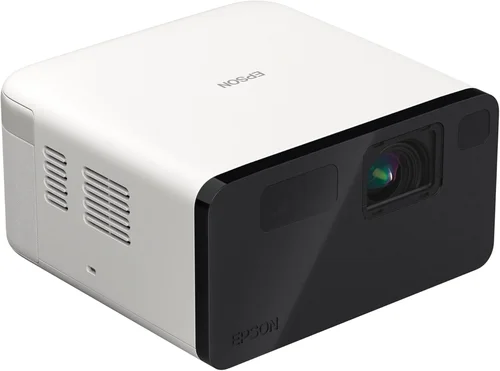
❌ Mistake: Buying an Indoor TV for Outdoor Use
Why it’s bad: Indoor TVs are not designed to handle moisture, temperature extremes, or UV exposure. Even in a covered area, condensation, humidity, and dust can damage internal components, leading to premature failure. Most indoor TVs also lack the brightness needed for outdoor viewing, resulting in a dim, washed-out image.
What to do instead: Invest in a TV specifically designed for outdoor use. These models have sealed casings, anti-glare screens, and higher brightness levels. If budget is a concern, consider a partial-shade model or an indoor TV in a certified weatherproof enclosure—but never use a standard indoor TV directly outdoors.
❌ Mistake: Ignoring Viewing Distance and Screen Size
Why it’s bad: A TV that’s too small will be hard to see from a distance, especially during daytime. Conversely, a TV that’s too large can cause eye strain and overwhelm your space. Choosing the wrong size leads to a poor viewing experience and wasted money.
What to do instead: Use the 0.84 rule: multiply your viewing distance (in inches) by 0.84 to find the ideal screen size. Test the size with a cardboard cutout before buying. Consider the seating layout and ensure everyone has a clear view.
❌ Mistake: Overlooking Brightness Requirements
Why it’s bad: A TV with insufficient brightness will look dull and hard to see in sunlight, even if it’s labeled “outdoor.” This is especially true for shaded areas that still receive indirect light.
What to do instead: Match brightness to your environment. For direct sunlight, choose 2,000+ nits. For shade, 1,000–1,500 nits may suffice. Check reviews and specs carefully—some brands exaggerate brightness claims.
❌ Mistake: Skimping on Mounting and Installation
Why it’s bad: Improper mounting can lead to the TV falling, damaging property or causing injury. Weak mounts also vibrate in wind, affecting image stability.
What to do instead: Use a sturdy, VESA-compatible mount rated for the TV’s weight. Reinforce the mounting surface and consider professional installation. Use conduit for cables to prevent tripping and weather damage.
❌ Mistake: Neglecting Audio Quality
Why it’s bad: Built-in speakers on outdoor TVs are often weak and muffled, especially in open spaces. Relying on them results in poor sound that ruins the experience.
What to do instead: Pair your TV with outdoor-rated speakers or a soundbar. Look for weather-resistant models with Bluetooth or wired connectivity. Consider a subwoofer for deeper bass during movie nights.
❌ Mistake: Not Checking Warranty and Support
Why it’s bad: Outdoor TVs are expensive, and repairs can be costly. A weak warranty or poor customer service leaves you vulnerable if something goes wrong.
What to do instead: Choose a brand with a solid reputation and at least a 2-year warranty. Read the terms carefully and register your TV upon purchase. Avoid brands with no service network in your area.
❌ Mistake: Buying Based on Price Alone
Why it’s bad: The cheapest option often lacks essential features like proper weather sealing, brightness, or smart capabilities. It may fail within a year, costing more in replacements.
What to do instead: Focus on value, not just price. Consider long-term durability, performance, and features. A mid-range TV with strong reviews often outperforms a budget model with flashy specs.
Budget Guidelines: How Much Should You Spend?
Entry-Level ($800–$1,500): These are typically partial-shade models or indoor TVs in weatherproof enclosures. They’re suitable for covered patios or garages with minimal exposure to the elements. Brightness ranges from 700–1,000 nits, and features may be limited. Ideal for occasional use or small gatherings.
Mid-Range ($1,500–$3,000): This is the sweet spot for most families. These TVs offer full weather resistance (IP55 or higher), brightness of 1,500–2,000 nits, and smart features like Wi-Fi and streaming apps. They’re built for year-round use in most climates and come in sizes from 55 to 75 inches. Brands like SunBriteTV and Seura offer excellent options in this range.
Premium ($3,000–$5,000): Designed for enthusiasts and harsh environments, these models feature ultra-bright displays (2,000+ nits), advanced cooling/heating systems, and commercial-grade durability. They often include extended warranties, professional installation support, and premium smart platforms. Perfect for large backyards or frequent use.
Luxury ($5,000+): Top-tier models from brands like Peerless-AV or custom integrators. These are often used in commercial settings or luxury homes. Features include 4K HDR, Dolby Vision, built-in sound systems, and 24/7 operation capability. They’re overkill for most families but ideal for those who want the absolute best.
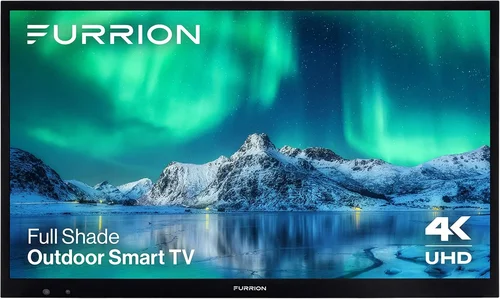
Expert Tips for Getting the Best Deal
– Buy during seasonal sales: Look for discounts in spring (March–May) when outdoor living products are promoted, or in fall (September–November) during back-to-school and holiday sales.
– Shop at specialty retailers: Stores like Crutchfield, Abt, or Outdoor TV Direct often have better expertise, warranties, and return policies than big-box stores.
– Compare online and in-store prices: Use price-matching policies to get the best deal. Some retailers offer free shipping or installation with purchase.
– Check for bundle deals: Some sellers include mounts, cables, or speakers at a discount when purchased together.
– Read real user reviews: Focus on long-term feedback (6+ months) to assess durability and performance.
– Test before you buy: If possible, visit a showroom to see the TV in person, especially brightness and color quality.
– Consider refurbished models: Certified refurbished units from reputable brands can save 20–30% and often come with full warranties.
– Negotiate installation: Some retailers offer free or discounted installation if you buy the TV and mount together.
Frequently Asked Questions
Q: Can I use a regular TV outdoors if it’s under a covered patio?
A: It’s not recommended. Even under cover, moisture, humidity, and temperature swings can damage an indoor TV. For covered areas, choose a partial-shade outdoor model or use an indoor TV in a certified weatherproof enclosure.
Q: How do I protect my outdoor TV from theft?
A: Use a lockable mount, install motion-sensor lights, and consider a security camera. Some mounts include anti-theft screws or cables. For portable models, bring them indoors when not in use.
Q: Do outdoor TVs need special cables?
A: Yes. Use outdoor-rated HDMI and power cables with UV-resistant jackets. Run them through conduit to protect from weather and pests.
Q: Can I leave my outdoor TV on all the time?
A: Most outdoor TVs are designed for continuous use, but it’s best to turn them off when not in use to save energy and extend lifespan. Use a timer or smart plug for automation.
Q: What’s the difference between IP55 and IP65?
A: IP55 protects against low-pressure water jets and limited dust. IP65 offers full dust protection and resistance to powerful water jets, making it better for harsher conditions.
Q: Do outdoor TVs come with remotes?
A: Yes, most include weather-resistant remotes. Some also support smartphone apps or voice control for added convenience.
Q: How long do outdoor TVs last?
A: With proper care, most last 5–10 years. Premium models with better sealing and components can last even longer.
Q: Can I use my outdoor TV in the rain?
A: Only if it’s rated for full weather exposure (IP65 or higher). Never use a partial-shade model in direct rain.
Q: Do I need a separate sound system?
A: Highly recommended. Built-in speakers are usually inadequate for outdoor spaces. Pair with weather-resistant speakers for the best experience.
Q: Are outdoor TVs energy efficient?
A: Many are Energy Star certified and include eco modes. However, high brightness increases power use, so consider usage patterns and energy costs.
Our Final Recommendations
Best for Budget-Conscious Buyers: SunBriteTV Veranda Series (55-inch) – Offers excellent value with 1,000-nit brightness, IP55 rating, and smart features for under $1,500.
Best Overall Value: Seura Shade Series (65-inch) – Combines 1,500-nit brightness, full weather resistance, and a sleek design at a mid-range price.
Best Premium Option: Peerless-AV Xtreme Outdoor TV (75-inch) – Built for extreme conditions with 2,500-nit brightness, built-in cooling, and commercial-grade durability.
Best for Beginners: LG Outdoor TV (55-inch) – User-friendly webOS interface, good brightness, and reliable performance for first-time buyers.
Best for Advanced Users: Samsung The Terrace (75-inch) – Features 2,000-nit brightness, anti-reflective coating, and seamless smart home integration for tech-savvy families.
Conclusion: Making the Right Choice
Choosing the best backyard TV for family gatherings is about more than just picking the biggest screen or the lowest price. It’s about finding a balance between performance, durability, and usability that fits your lifestyle, climate, and budget. From brightness and weather resistance to smart features and mounting options, every detail matters when you’re investing in outdoor entertainment.
Remember to prioritize your specific needs: How often will you use it? Where will it be installed? Who will be watching? By answering these questions and using the guidance in this article, you’ll avoid common pitfalls and make a confident, informed decision.
Don’t rush the process. Take time to research, compare models, and read real user experiences. And when you’re ready, invest in a TV that not only survives the elements but enhances your family’s outdoor time for years to come. Your backyard deserves the best—make it a place where memories are made, one movie night at a time.

