Installing a patio TV in a rainy climate requires careful planning to protect your investment from moisture, humidity, and temperature swings. This guide walks you through choosing the right TV, weatherproofing, secure mounting, and cable management to ensure long-term performance and safety outdoors.
Key Takeaways
- Choose an outdoor-rated TV: Standard indoor TVs aren’t built for rain, sun, or humidity—invest in a TV specifically designed for outdoor use.
- Use a weatherproof enclosure if needed: If you’re using an indoor TV, a high-quality outdoor enclosure with IP65 or higher rating is essential.
- Mount securely under cover: Install your TV under a roof, awning, or pergola to minimize direct exposure to rain and UV rays.
- Seal all connections: Use waterproof cable glands, silicone sealant, and outdoor-rated extension cords to prevent water intrusion.
- Plan for ventilation and drainage: Prevent condensation buildup by ensuring airflow and avoiding enclosed, stagnant spaces.
- Schedule regular maintenance: Inspect seals, clean screens, and check mounts seasonally to maintain performance and safety.
- Consider smart controls: Use timers, remote apps, or voice assistants to reduce physical handling in wet conditions.
How to Install Patio TV for Rainy Climates
Imagine sipping your morning coffee on the patio, watching the sunrise on your favorite news channel—rain or shine. With the right setup, you can enjoy your favorite shows, sports, and movies outdoors, even in damp, drizzly climates. But installing a patio TV in a rainy environment isn’t as simple as mounting a regular TV outside. Moisture, humidity, temperature changes, and UV exposure can quickly damage electronics not built for the elements.
This comprehensive guide will walk you through every step of safely and effectively installing a patio TV in a rainy climate. Whether you’re in the Pacific Northwest, the UK, or any region with frequent rain, you’ll learn how to choose the right equipment, protect it from water damage, mount it securely, and maintain it for years of reliable outdoor entertainment. By the end, you’ll have a weather-resistant setup that keeps your TV safe and your viewing experience enjoyable—no matter the forecast.
Step 1: Choose the Right TV for Rainy Climates
The foundation of a successful outdoor TV installation starts with selecting the correct television. Not all TVs are created equal when it comes to outdoor use. Indoor TVs may look tempting due to their lower cost, but they’re not designed to withstand moisture, temperature swings, or direct sunlight. In rainy climates, this can lead to short circuits, screen fogging, or complete failure within weeks.
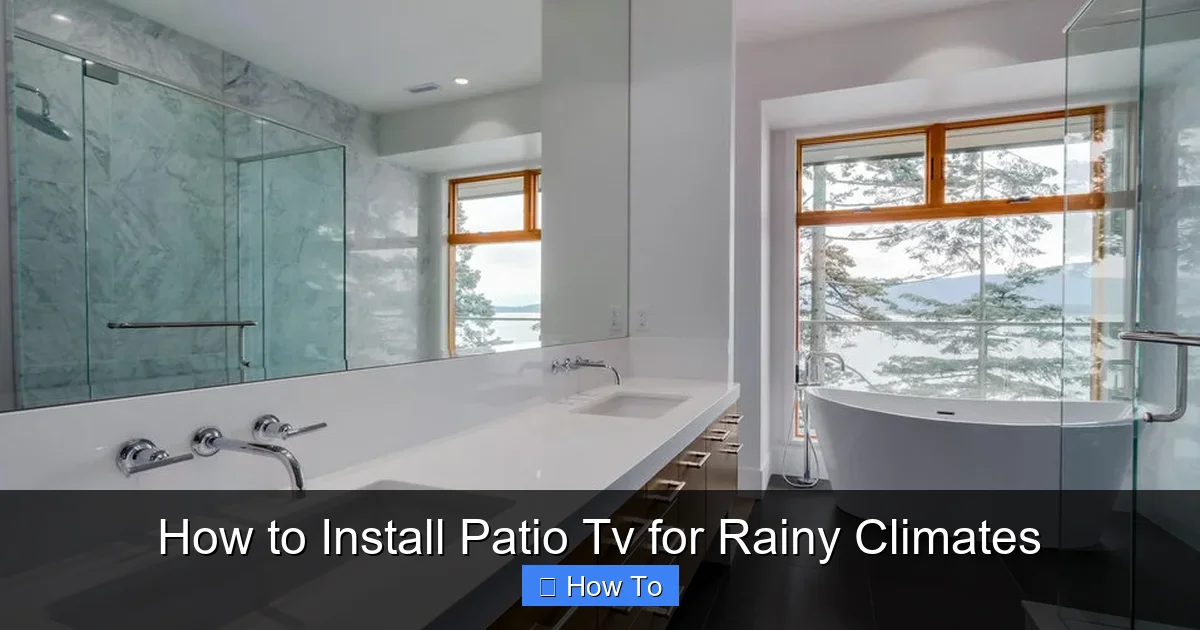
Visual guide about How to Install Patio Tv for Rainy Climates
Image source: static.wixstatic.com
Outdoor-Rated TVs vs. Indoor TVs in Enclosures
There are two main options: outdoor-rated TVs and indoor TVs housed in weatherproof enclosures. Let’s break down the pros and cons of each.
Outdoor-rated TVs are specifically engineered for outdoor use. They feature sealed casings, corrosion-resistant materials, and internal heating/cooling systems to manage temperature and humidity. Brands like Samsung, SunBrite, and Seura offer models with IP55 or higher ratings, meaning they’re protected against dust and low-pressure water jets. These TVs are built to last in rain, snow, and direct sun.
On the other hand, indoor TVs in outdoor enclosures can be a budget-friendly alternative. These enclosures—like those from Peerless or Outdoor Theater Supply—are made of durable aluminum or polycarbonate and include ventilation, anti-reflective glass, and waterproof seals. However, they require proper installation and regular maintenance to remain effective.
What to Look for in an Outdoor TV
When shopping for a patio TV in a rainy climate, prioritize these features:
- IP Rating: Look for at least IP55 (protected against dust and water jets). IP65 or higher is ideal for heavy rain.
- Operating Temperature Range: Choose a TV that functions in temperatures from 32°F to 104°F (0°C to 40°C) or wider, depending on your local climate.
- Anti-Glare and Brightness: Outdoor TVs should have high brightness (at least 700 nits) and anti-reflective coatings to combat glare from overcast skies or indirect sunlight.
- Corrosion-Resistant Materials: Aluminum or stainless steel housings resist rust and degradation from constant moisture.
- Sealed Ports and Vents: All input/output ports should be covered or sealed to prevent water ingress.
For example, the SunBrite Veranda Series is a popular choice for rainy regions. It’s fully weatherproof, includes a built-in heater for cold mornings, and delivers excellent picture quality even on cloudy days.
Step 2: Select the Ideal Location
Even the best outdoor TV won’t survive long if it’s exposed to constant rain. Location is critical. You want a spot that’s protected from direct rainfall but still offers a great viewing angle and easy access to power and signal sources.
Under a Roof, Awning, or Pergola
The best place for your patio TV is under a covered area. A roof overhang, covered patio, pergola with a waterproof canopy, or screened-in porch provides essential protection. These structures shield the TV from direct rain, snow, and UV rays, significantly extending its lifespan.
Avoid mounting the TV on an open wall or freestanding pole where it’s exposed to the elements. Even a light drizzle can seep into unsealed ports or vents over time.
Consider Viewing Angle and Distance
Once you’ve identified a covered spot, think about how you’ll be watching. The TV should be at eye level when seated, typically 42 to 60 inches from the ground. The optimal viewing distance is about 1.5 to 2.5 times the screen’s diagonal size. For a 55-inch TV, that’s roughly 7 to 11 feet away.
Also, avoid placing the TV where it will face direct sunlight or bright reflections. Even under cover, glare can wash out the image. A north-facing wall (in the Northern Hemisphere) often provides the most consistent, indirect light.
Check for Power and Signal Access
Your TV needs power, and if you’re using cable, satellite, or streaming devices, you’ll need a reliable internet connection. Make sure your chosen location is within reach of an outdoor-rated electrical outlet. If not, hire a licensed electrician to install one—never use indoor extension cords outdoors.
For Wi-Fi, ensure your signal reaches the patio. If not, consider a weatherproof Wi-Fi extender or a wired Ethernet connection buried in conduit for reliability.
Step 3: Choose the Right Mounting System
A sturdy, weather-resistant mount is just as important as the TV itself. A weak or improperly installed mount can fail in wind, rain, or temperature changes, risking damage to your TV and safety hazards.
Outdoor-Rated TV Mounts
Use a mount specifically designed for outdoor use. These mounts are made from powder-coated aluminum or stainless steel to resist rust and corrosion. They also include reinforced brackets and secure locking mechanisms to prevent movement.
Popular options include full-motion (articulating) mounts for flexible viewing angles or fixed mounts for a sleek, low-profile look. For rainy climates, a fixed mount is often safer—it reduces wind resistance and has fewer moving parts that could fail.
Wall-Mounted vs. Ceiling-Mounted
Most patio TVs are wall-mounted, but ceiling mounts work well under pergolas or covered patios with high ceilings. Wall mounts are easier to install and offer better viewing angles, while ceiling mounts free up wall space and can be ideal for corner installations.
Whichever you choose, ensure the mounting surface is solid—brick, concrete, or wood studs. Avoid mounting on vinyl siding, drywall, or weak materials that can’t support the weight.
Installation Tips
- Use a level to ensure the mount is perfectly straight.
- Drill pilot holes to prevent cracking in brick or concrete.
- Use stainless steel lag bolts or concrete anchors for maximum hold.
- Tighten all bolts securely, but don’t over-tighten and strip the threads.
- Consider a tilt feature to adjust the angle for optimal viewing and to allow water runoff.
For example, the Sanus Outdoor Full-Motion Mount supports TVs up to 100 inches and includes a weather-resistant cover to protect the mounting hardware from rain.
Step 4: Weatherproof All Connections and Cables
Water doesn’t need to fall directly on your TV to cause damage. Condensation, splashes, and humidity can seep into cables, ports, and power connections. Proper weatherproofing is essential to prevent short circuits and corrosion.
Use Outdoor-Rated Cables
Never use standard indoor HDMI or power cables outside. They’re not UV-resistant and can degrade quickly. Instead, use outdoor-rated cables with UV-protective jackets and waterproof connectors.
For HDMI, look for cables labeled “outdoor” or “direct burial.” These are thicker, more durable, and often come with gold-plated connectors to resist corrosion.
Seal Cable Entry Points
When running cables from indoors to your patio TV, use waterproof cable glands or conduit with sealant. These devices create a tight seal around the cable, preventing water from entering the wall or enclosure.
For example, run HDMI and power cables through a PVC conduit buried underground or hidden in a wall. At the entry point, use a silicone-based sealant around the conduit to block moisture.
Protect Power Connections
Use a GFCI (Ground Fault Circuit Interrupter) outlet for all outdoor electrical connections. This safety feature shuts off power if it detects a ground fault, reducing the risk of electric shock in wet conditions.
Plug your TV and accessories into a weatherproof surge protector with a built-in cover. This protects against power surges from lightning or grid fluctuations and keeps plugs dry when not in use.
Use Silicone Sealant on Ports
Even with an outdoor TV, it’s wise to apply a thin bead of clear silicone sealant around the edges of HDMI, USB, and power ports. This creates a water-resistant barrier without blocking access. Just be careful not to clog the ports—apply it sparingly and let it cure fully before use.
Step 5: Install the TV and Test the System
Now that your location, mount, and cables are ready, it’s time to install the TV and ensure everything works safely.
Mount the TV to the Bracket
With the help of a friend, carefully lift the TV and attach it to the wall mount. Most outdoor mounts use a locking mechanism—secure it according to the manufacturer’s instructions. Double-check that all screws are tight and the TV is stable.
Connect All Cables
Plug in the power cable, HDMI, and any other connections. If using a streaming device like a Roku or Apple TV, mount it inside the TV’s enclosure or in a separate weatherproof box nearby.
Test the System
Turn on the TV and test all inputs. Check the picture quality, sound, and internet connection. Make sure the remote works and that any smart features respond properly.
Let the system run for at least an hour to check for overheating or condensation inside the enclosure (if using one). If you notice fogging or unusual heat, improve ventilation or adjust the setup.
Step 6: Maintain Your Patio TV
Even the best installations need regular care. Rainy climates accelerate wear and tear, so seasonal maintenance is key to longevity.
Monthly Checks
- Wipe the screen with a microfiber cloth to remove dust and water spots.
- Inspect seals and gaskets for cracks or wear.
- Check that all cables are secure and undamaged.
- Ensure the mount is tight and hasn’t shifted.
Seasonal Maintenance
- Before winter, clean the entire unit and apply a fresh layer of silicone sealant if needed.
- In spring, check for mold or mildew inside enclosures and clean with a mild disinfectant.
- After heavy storms, inspect for water intrusion or loose components.
Smart Maintenance Tips
Use a smart plug or timer to automatically turn off the TV when not in use. This reduces exposure to humidity and saves energy. You can also use a weather app to receive alerts before rain—some smart TVs can even be programmed to shut down during storms.
Troubleshooting Common Issues
Even with careful planning, problems can arise. Here’s how to handle common issues in rainy climates:
TV Won’t Turn On After Rain
This could be due to water in the power connection or a tripped GFCI outlet. Check the outlet first—press the “reset” button. If that doesn’t work, inspect cables for damage and ensure all connections are dry.
Screen Fogs Up
Condensation inside the TV or enclosure indicates poor ventilation or a compromised seal. Improve airflow by adding vent holes (with mesh covers) or using a dehumidifier pack inside the enclosure. Never operate the TV until it’s fully dry.
Remote Not Working
Moisture can interfere with infrared signals. Use a Bluetooth or Wi-Fi-based remote instead, or keep the original remote in a waterproof case when not in use.
Picture Quality Degrades Over Time
This may be due to UV damage on the screen or internal components. Ensure your TV has UV protection and consider using a retractable awning for extra shade during peak sun hours.
Conclusion
Installing a patio TV in a rainy climate is absolutely possible—and incredibly rewarding—when done right. By choosing an outdoor-rated TV or a high-quality enclosure, mounting it under cover, weatherproofing all connections, and maintaining it regularly, you can enjoy your favorite shows outdoors year-round, rain or shine.
Remember, the key to success is preparation. Don’t cut corners on weatherproofing or safety. Invest in the right equipment, follow best practices, and consult professionals when needed. With this guide, you’re well-equipped to create a durable, enjoyable outdoor entertainment space that stands up to the elements. So grab a blanket, fire up the grill, and press play—your perfect patio movie night awaits.