Transform your balcony or patio into an outdoor entertainment hub with a professionally installed TV. This guide walks you through choosing the right outdoor TV, mounting it securely, managing cables, and protecting it from the elements—all while ensuring safety and optimal viewing.
Key Takeaways
- Choose a true outdoor TV: Not all weather-resistant TVs are built for full exposure; select a model rated for your climate (partial or full sun/rain protection).
- Use a proper outdoor-rated mount: Standard indoor mounts can corrode or fail outdoors; invest in a rust-proof, tilt/swivel-compatible mount designed for exterior use.
- Plan your cable management: Run power and HDMI cables through waterproof conduits or raceways to prevent water damage and tripping hazards.
- Ensure safe power access: Use GFCI outlets and consider a weatherproof enclosure for your power strip to protect against moisture and electrical hazards.
- Optimize viewing angle and height: Mount the TV at eye level when seated, angled slightly downward, and away from direct glare for the best experience.
- Protect from extreme weather: Use a weatherproof cover when not in use and avoid installation in areas prone to heavy rain, snow, or direct midday sun unless the TV is rated for it.
- Test before finalizing: Power on the TV and check signal quality, audio, and remote functionality before securing all components permanently.
How to Install Outdoor TV for Balcony Patio
Imagine sipping your morning coffee or hosting a summer barbecue while enjoying your favorite show under the open sky. Installing an outdoor TV on your balcony or patio can turn your outdoor space into a true entertainment zone. But unlike setting up a TV indoors, outdoor installations come with unique challenges—weather, power safety, mounting stability, and glare. The good news? With the right tools, planning, and know-how, you can do it safely and effectively.
This comprehensive guide will walk you through every step of installing an outdoor TV for your balcony or patio—from choosing the right TV and mount to running cables and protecting your investment from the elements. Whether you’re a DIY enthusiast or a first-time installer, you’ll finish this project feeling confident and ready to enjoy outdoor movie nights, sports games, and more.
Let’s get started.
Step 1: Choose the Right Outdoor TV
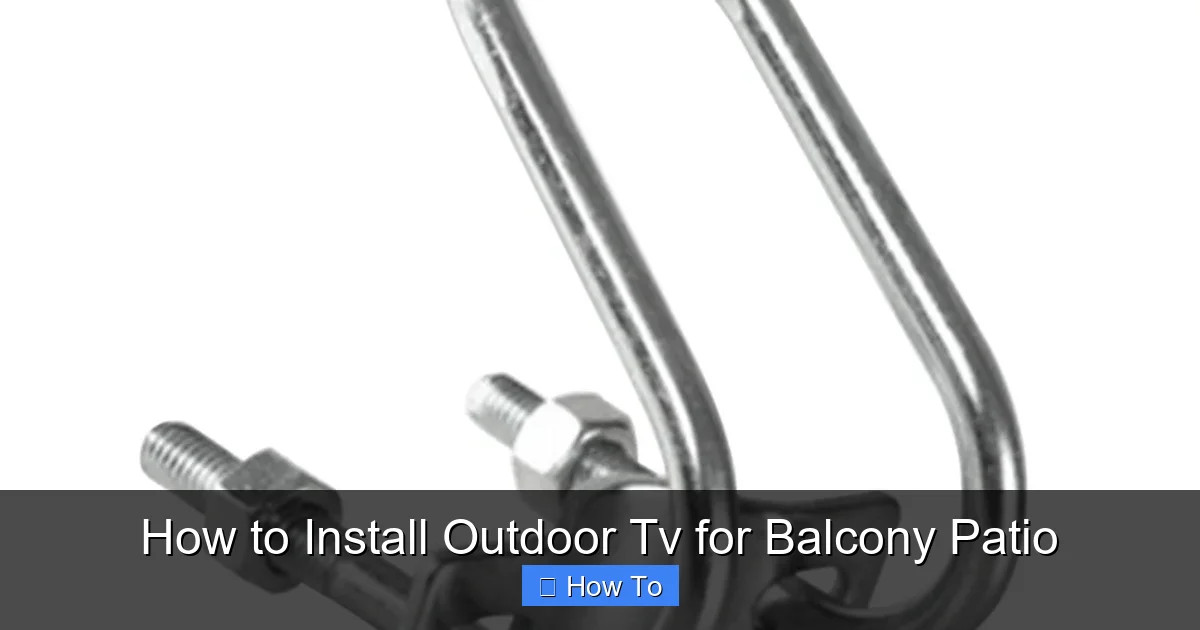
Visual guide about How to Install Outdoor Tv for Balcony Patio
Image source: images.nexusapp.co
Not all TVs are created equal—especially when it comes to outdoor use. While you might be tempted to use an indoor TV with a weatherproof cover, this is not recommended for long-term or full-exposure setups. Instead, invest in a TV specifically designed for outdoor environments.
Understand Outdoor TV Ratings
Outdoor TVs are typically categorized into three types based on their weather resistance:
– Partial Sun/Shade Models: These are ideal for covered patios or balconies that are protected from direct rain and intense sunlight. They’re more affordable and still offer excellent brightness and durability.
– Full Sun/Rain Models: Built for total exposure, these TVs can handle direct sunlight, rain, snow, and extreme temperatures. They feature enhanced brightness (often 700+ nits), anti-glare screens, and sealed components.
– Indoor TVs with Outdoor Enclosures: Some people use indoor TVs inside weatherproof outdoor enclosures. While cost-effective, this option can trap heat and may void warranties. Only consider this if your space is fully covered and shaded.
Key Features to Look For
When shopping for an outdoor TV, prioritize these features:
– Brightness: Look for at least 500 nits for shaded areas; 700+ nits for sunny spots.
– Anti-Reflective Coating: Reduces glare from sunlight.
– Weatherproof Construction: Sealed ports, rust-resistant materials, and IP-rated protection (e.g., IP55 or higher).
– Wide Viewing Angles: Ensures clear picture from different seating positions.
– Built-in Heaters/Cooling: Some models include thermal management to prevent overheating or freezing.
Popular brands include SunBriteTV, Samsung Terrace, and LG Outdoor. Expect to spend between $1,500 and $4,000 depending on size and features.
Step 2: Select the Right Mounting Location
Choosing where to mount your TV is just as important as the TV itself. A poor location can lead to glare, poor viewing angles, or even safety hazards.
Assess Your Balcony or Patio Layout
Walk around your space and consider:
– Viewing Distance: Sit where you’ll typically watch TV. The ideal distance is 1.5 to 2.5 times the screen’s diagonal size. For a 55-inch TV, that’s about 7 to 12 feet.
– Sun Exposure: Note where the sun hits during different times of day. Avoid mounting directly in afternoon sun unless your TV is full-sun rated.
– Wind and Rain Exposure: If your balcony is open on multiple sides, consider a covered corner or use a TV with full weather protection.
– Structural Support: Ensure the wall or railing can support the TV’s weight (typically 30–60 lbs plus the mount).
Check for Obstructions
Avoid placing the TV behind glass doors or windows, as this can cause glare and signal interference. Also, keep it away from sprinklers, gutters, or areas where water might splash.
Determine Mounting Height
Mount the TV so the center of the screen is at or slightly below eye level when seated. For most people, this is about 42 to 54 inches from the floor to the center of the screen. Use a tape measure and painter’s tape to mark the spot before drilling.
Step 3: Choose the Right Outdoor TV Mount
Using an indoor mount outdoors is a common mistake—and a dangerous one. Standard mounts aren’t built to resist rust, UV damage, or heavy winds.
Types of Outdoor Mounts
– Fixed Mount: Keeps the TV flush against the wall. Best for permanent, straight-on viewing.
– Tilt Mount: Allows you to angle the TV up or down to reduce glare.
– Full-Motion (Articulating) Mount: Lets you swivel and extend the TV for flexible viewing from different areas.
For balconies, a tilt or full-motion mount is often ideal, especially if you have limited space or want to adjust the angle based on seating.
What to Look For in an Outdoor Mount
– Weatherproof Coating: Powder-coated steel or aluminum resists rust and corrosion.
– Weight Capacity: Must support your TV’s weight with a safety margin (e.g., 1.5x the TV’s weight).
– VESA Compatibility: Matches your TV’s mounting pattern (e.g., 200×200, 400×400).
– UL Listed: Ensures safety and compliance with electrical standards.
Brands like Peerless, Sanus, and MantelMount offer reliable outdoor mounts. Expect to pay $100–$300.
Step 4: Gather Tools and Materials
Before you start drilling, make sure you have everything you need. Here’s a checklist:
Essential Tools
- Stud finder
- Drill and drill bits (masonry bits if mounting into concrete or brick)
- Level
- Tape measure
- Screwdrivers (Phillips and flathead)
- Socket wrench or adjustable wrench
- Pencil or marker
Materials
- Outdoor TV mount
- Lag bolts or concrete anchors (depending on wall type)
- Weatherproof conduit or cable raceway
- Waterproof cable connectors
- GFCI outlet or outdoor-rated power strip
- HDMI cable (outdoor-rated, if running through walls)
- Zip ties or cable clips
- Silicone sealant (for sealing holes)
Safety Gear
- Safety glasses
- Gloves
- Sturdy ladder (if mounting high)
Step 5: Prepare the Mounting Surface
A secure mount starts with a solid foundation. Never mount directly into drywall or siding without proper support.
Locate Studs or Use Anchors
Use a stud finder to locate wooden studs behind the wall. If you’re mounting into concrete, brick, or metal, you’ll need concrete anchors or toggle bolts.
– For wood studs: Drill into the center of the stud for maximum strength.
– For concrete/brick: Use a hammer drill and masonry bits to create pilot holes, then insert anchors.
Mark the Mounting Points
Hold the mount against the wall at the desired height. Use a level to ensure it’s straight. Mark the screw holes with a pencil.
Drill Pilot Holes
Drill pilot holes slightly smaller than your lag bolts or anchors. This prevents splitting and makes insertion easier.
Seal the Holes
After drilling, apply a small amount of silicone sealant around the holes to prevent water from seeping in.
Step 6: Install the TV Mount
Now it’s time to secure the mount.
Attach the Mount to the Wall
Line up the mount with the pilot holes and insert the lag bolts or anchors. Tighten them securely with a wrench, but don’t over-tighten—this can strip the threads or damage the mount.
Double-Check Level and Stability
Use a level to confirm the mount is straight. Give it a gentle shake to ensure it’s firmly attached. If it wobbles, re-tighten or reinforce the anchors.
Attach Mounting Brackets to the TV
Most mounts come with brackets that attach to the back of the TV using VESA screws. Follow the manufacturer’s instructions to secure them tightly.
Step 7: Run and Manage Cables
Exposed cables are not only unsightly—they’re a tripping hazard and vulnerable to weather damage.
Plan Your Cable Route
Decide how you’ll run power and HDMI cables from the TV to the outlet and source (e.g., cable box, streaming device). Options include:
– Through the Wall: Most professional look, but requires drilling and sealing.
– Along the Wall with Conduit: Use a weatherproof cable raceway to hide and protect cables.
– Under Deck or Behind Furniture: For ground-level patios, you can route cables under outdoor rugs or furniture.
Use Outdoor-Rated Cables
Standard indoor cables can degrade outdoors. Use:
– Outdoor HDMI Cable: UV-resistant and waterproof.
– Outdoor Power Cord: Rated for exterior use (look for “SJTW” or “SJTOW” labels).
Protect Connections
Use waterproof cable connectors or electrical tape to seal any connections. For extra protection, place the power strip and streaming device in a weatherproof enclosure.
Secure Cables
Use zip ties or adhesive cable clips to keep cables tidy and prevent sagging. Avoid sharp bends that could damage wires.
Step 8: Connect and Power On
With everything in place, it’s time to connect your devices.
Plug in the TV and Accessories
Connect the power cable to a GFCI (Ground Fault Circuit Interrupter) outlet. These outlets are required for outdoor use and shut off power if they detect a fault, preventing shocks.
Connect HDMI and Other Cables
Plug in your streaming device, cable box, or gaming console. Use HDMI cables to connect them to the TV.
Test the System
Turn on the TV and check:
– Picture quality and brightness
– Audio output (consider outdoor speakers if needed)
– Remote control functionality
– Signal strength (for antennas or streaming)
Adjust settings like brightness and contrast for outdoor viewing.
Step 9: Secure the TV to the Mount
Once everything is working, attach the TV to the mount.
Hang the TV
Carefully lift the TV and hook the mounting brackets onto the wall plate. Most mounts have safety screws or latches to prevent accidental detachment.
Lock It In Place
Secure any locking mechanisms according to the mount’s instructions. Double-check that the TV is stable and won’t tilt or fall.
Step 10: Final Touches and Protection
Your installation is almost complete. Now, add finishing touches to protect your investment.
Apply Silicone Sealant
Seal around the mount and any drilled holes with silicone to prevent water intrusion.
Install a Weatherproof Cover (Optional)
When not in use, especially during storms or winter, use a fitted outdoor TV cover to protect the screen and components.
Label Cables
Use labels or colored tape to identify power, HDMI, and audio cables for easy troubleshooting later.
Create a Viewing Zone
Arrange outdoor furniture to create a comfortable seating area. Add outdoor lighting, blankets, and a small table for snacks to complete the experience.
Troubleshooting Common Issues
Even with careful planning, you might run into problems. Here’s how to fix them:
TV Won’t Turn On
– Check the GFCI outlet—press the “Reset” button.
– Ensure all cables are securely connected.
– Test the power cord with another device.
Poor Picture Quality or Glare
– Adjust the TV’s brightness and contrast settings.
– Reposition the TV to avoid direct sunlight.
– Use a glare-reducing screen protector.
Remote Not Working
– Replace the batteries.
– Ensure there’s no obstruction between the remote and TV.
– Consider using a Bluetooth remote or smartphone app.
Water Damage or Corrosion
– Inspect seals and covers regularly.
– Reapply silicone if cracks appear.
– Replace any rusted components immediately.
Wi-Fi Signal Weak
– Move your router closer or use a Wi-Fi extender.
– Consider a wired Ethernet connection if possible.
Conclusion
Installing an outdoor TV on your balcony or patio is a rewarding project that enhances your outdoor living space. By choosing the right TV, using a weatherproof mount, managing cables safely, and protecting against the elements, you can enjoy high-quality entertainment under the stars for years to come.
Remember: safety and preparation are key. Don’t rush the process—take time to plan, measure, and test. And if you’re unsure about electrical work or structural mounting, consult a professional.
With your new outdoor TV setup, you’re ready for movie nights, game days, and relaxing evenings with a view. So grab some popcorn, invite friends over, and enjoy your upgraded outdoor oasis.