Installing an outdoor TV in an apartment is possible with the right planning and tools. This guide walks you through choosing the perfect spot, mounting safely, managing cables, and protecting your TV from weather—all while respecting building rules and maximizing limited space.
Key Takeaways
- Check apartment rules first: Always get permission from your landlord or HOA before drilling or mounting anything outdoors.
- Choose a weatherproof TV: Standard TVs aren’t built for outdoor conditions—opt for a model designed for outdoor use or use a weatherproof enclosure.
- Pick the right mounting location: Look for shaded, covered areas like balconies or patios to protect your TV from direct sun and rain.
- Use proper cable management: Hide and secure cables with conduits or raceways to prevent tripping hazards and weather damage.
- Ensure power and signal access: Plan for nearby outlets and Wi-Fi range to avoid signal drops or extension cord clutter.
- Test before finalizing: Do a trial run with temporary mounting to check viewing angles, glare, and signal strength.
- Maintain regularly: Clean the screen and check seals or enclosures seasonally to keep your outdoor TV in top shape.
How to Install Outdoor TV for Apartments
So, you’ve got a cozy apartment with a balcony or small patio—and you’re dreaming of movie nights under the stars or catching the game while sipping your morning coffee outdoors. Installing an outdoor TV might sound tricky, especially in a rental space with limited room and strict rules. But don’t worry! With the right approach, you can enjoy big-screen entertainment outside—safely, legally, and without damaging your walls or breaking the lease.
In this guide, we’ll walk you through every step of installing an outdoor TV in an apartment setting. From checking your lease agreement to choosing the perfect weatherproof TV and mounting it securely, we’ve got you covered. Whether you’re working with a tiny balcony or a spacious rooftop terrace, these tips will help you create an outdoor entertainment zone that’s both functional and stylish.
By the end of this guide, you’ll know exactly how to install an outdoor TV for apartments—without stress, damage, or surprise fees from your landlord. Let’s get started!
Step 1: Check Your Lease and Get Permission
Before you buy a single screw or cable, the most important step is to review your lease agreement and talk to your landlord or property manager. Many apartments have strict rules about drilling into walls, modifying outdoor spaces, or installing permanent fixtures. Even if you plan to use removable mounts, it’s smart to get written approval.
Why Permission Matters
Drilling into balcony railings, exterior walls, or concrete can violate your lease and lead to fines or security deposit deductions. Some buildings also have aesthetic guidelines—like no visible wires or bulky mounts—that you’ll need to follow.
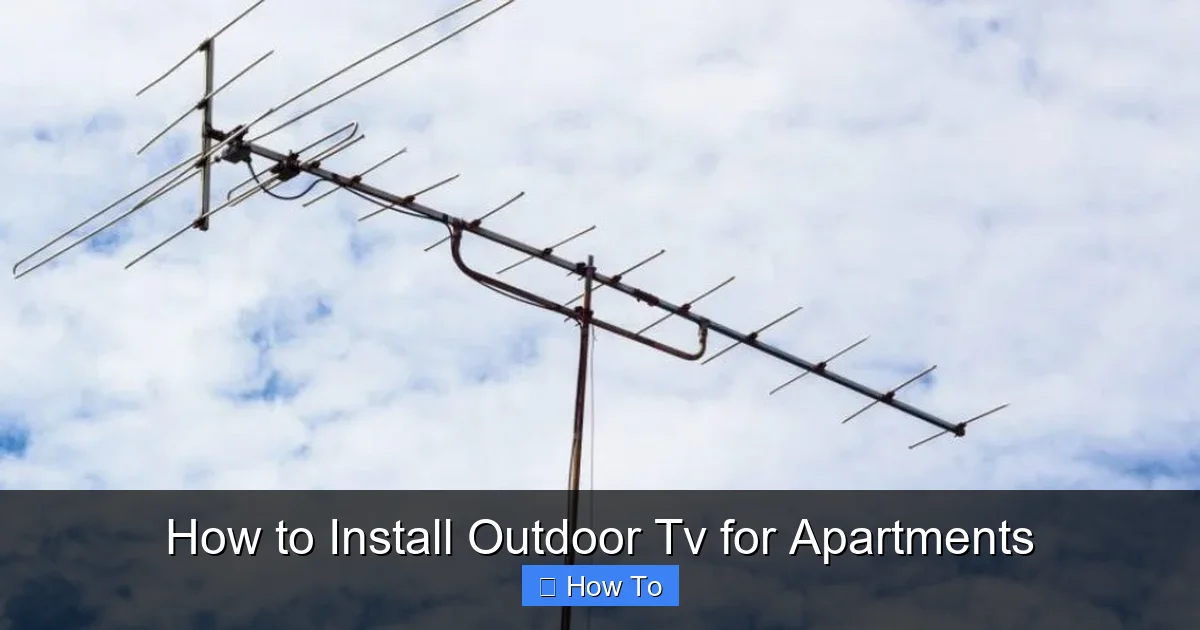
Visual guide about How to Install Outdoor Tv for Apartments
Image source: patiofixes.com
How to Ask Your Landlord
Write a polite email or speak in person. Explain that you want to install a temporary, removable outdoor TV setup for personal use. Emphasize that you’ll use non-damaging mounts (like suction or clamp-based systems) and won’t alter the structure. Offer to remove everything when you move out.
What to Include in Your Request
- The type of TV and mount you plan to use
- Where you’ll install it (e.g., balcony wall, railing, or table)
- Whether you’ll drill or use adhesive/clamp mounts
- How you’ll manage power and cables
- A promise to restore the area to its original condition
Getting approval upfront saves headaches later. Plus, landlords often appreciate tenants who communicate and take care of the property.
Step 2: Choose the Right Outdoor TV
Not all TVs are created equal—especially when it comes to outdoor use. A regular indoor TV might work on a covered balcony, but it won’t last long in humidity, temperature swings, or direct sunlight. Here’s what to look for.
Outdoor-Specific TVs
These are built to handle the elements. They come with weatherproof casings, anti-glare screens, and internal cooling systems. Brands like SunBrite, Samsung Terrace, and LG Outdoor are popular choices. They’re more expensive (starting around $1,500), but they’re designed to last years outside.
Indoor TVs with Weatherproof Enclosures
If you’re on a budget, you can use a standard TV inside a weatherproof outdoor TV enclosure. These protective cases seal the TV from rain, dust, and UV rays. Look for enclosures with ventilation fans and anti-reflective glass. They cost $200–$600, depending on size.
Consider Screen Size and Viewing Distance
For small balconies, a 32- to 43-inch TV is usually enough. Measure your space and think about how far you’ll be sitting. A good rule: for every inch of screen size, sit about 1.5 feet away. So a 40-inch TV is best viewed from 5–6 feet.
Look for Brightness and Anti-Glare
Outdoor screens need high brightness (measured in nits) to combat sunlight. Aim for at least 700 nits—most indoor TVs are around 300–400. Anti-glare coatings also help reduce reflections on sunny days.
Smart Features and Connectivity
Choose a TV with built-in Wi-Fi, streaming apps (like Netflix, YouTube), and multiple HDMI ports. This reduces the need for extra devices and keeps your setup clean.
Step 3: Pick the Perfect Location
Where you place your TV makes a big difference in viewing comfort and longevity. The ideal spot balances visibility, protection from weather, and ease of access.
Look for Covered Areas
Balconies with roofs, awnings, or pergolas are perfect. They shield the TV from rain and direct sun. If your balcony is fully exposed, consider adding a retractable awning or shade sail for extra protection.
Avoid Direct Sunlight
Even with a bright screen, direct sun can cause glare and overheating. North- or east-facing walls are often better than south- or west-facing ones in the Northern Hemisphere.
Check for Obstructions
Make sure trees, railings, or furniture won’t block the view. Sit in your usual spot and imagine the screen at different heights. You want a comfortable viewing angle—not too high or too low.
Ensure Ventilation
TVs generate heat, especially outdoors. Don’t mount it in a tight enclosure without airflow. Leave at least 2–3 inches of space around the TV for air circulation.
Test the Spot First
Use a piece of cardboard or a tablet to simulate the screen size and position. Watch a show at different times of day to check for glare, shadows, and Wi-Fi strength.
Step 4: Choose the Right Mounting Option
Mounting an outdoor TV in an apartment requires flexibility and care. You need a secure setup that won’t damage walls or violate lease terms.
Permanent Wall Mounts (If Allowed)
If your landlord approves drilling, a fixed wall mount is the most stable option. Use a heavy-duty outdoor-rated mount that can handle wind and weight. Look for models with rust-resistant coatings and tilt or swivel features.
Temporary or Non-Drilling Mounts
For renters, these are the best choice:
- Balcony Railing Mounts: Clamp onto railings without drilling. Great for glass or metal railings.
- Suction Cup Mounts: Stick to smooth surfaces like glass or tile. Use multiple cups for stability.
- Freestanding TV Stands: Heavy bases that don’t require mounting. Ideal for patios or large balconies.
- Adhesive Mounts: Use heavy-duty outdoor tape (like 3M VHB) on non-porous surfaces. Remove cleanly later.
Weight and Wind Considerations
Outdoor mounts must handle not just the TV’s weight but also wind force. A 40-inch TV might weigh 20–30 pounds, but wind can add significant pressure. Choose a mount rated for at least 1.5 times your TV’s weight.
Height and Angle
Mount the TV so the center of the screen is at or slightly below eye level when seated. A slight downward tilt (5–10 degrees) helps reduce glare and improves viewing.
Step 5: Manage Power and Cables
Nothing ruins the look of an outdoor TV faster than dangling cords. Plus, exposed cables are a tripping hazard and can get damaged by weather.
Use Outdoor-Rated Extension Cords
Never use indoor extension cords outside. Look for cords labeled “outdoor,” “weather-resistant,” or “SJTW.” They’re thicker, waterproof, and safer for long-term use.
Hide Cables with Conduits or Raceways
Run power and HDMI cables through plastic or metal conduits attached to the wall or railing. Paint them to match your wall for a clean look. For balconies, you can use adhesive cable raceways that stick to surfaces.
Use a Power Strip with Surge Protection
Outdoor power sources are more prone to surges. Plug your TV and devices into a weatherproof surge protector. Mount it in a dry, covered spot.
Wireless Options
Reduce cable clutter with wireless HDMI transmitters or streaming devices like Apple TV or Roku. Just make sure your Wi-Fi reaches the outdoor area. If not, consider a Wi-Fi extender or mesh network.
Label and Organize
Use zip ties or Velcro straps to bundle cables. Label each one (e.g., “Power,” “HDMI 1”) so you can easily disconnect or troubleshoot later.
Step 6: Install the TV Safely
Now it’s time to put it all together. Take your time and follow the manufacturer’s instructions carefully.
Assemble the Mount
Lay out all parts and tools. Use a level to ensure the mount is straight. If drilling, mark the spots with a pencil and use a stud finder if mounting to a wall.
Attach the Mount to the Surface
For drilling: Use appropriate anchors for your wall type (concrete, brick, wood). Tighten bolts securely but don’t over-tighten. For clamps or suction: Clean the surface first and follow the mount’s instructions for maximum grip.
Connect Cables Before Mounting
Plug in power, HDMI, and any other cables before attaching the TV. This prevents strain on ports and makes adjustments easier.
Mount the TV
Lift the TV carefully—get help if it’s heavy. Slide it onto the mount and lock it in place. Double-check that all screws and latches are secure.
Test Everything
Turn on the TV and check the picture, sound, and connectivity. Adjust the angle if needed. Make sure cables aren’t pinched or stretched.
Step 7: Protect Your TV from the Elements
Even with a weatherproof TV or enclosure, regular care extends its life.
Use a Weatherproof Cover
When not in use, especially during storms or winter, cover the TV with a breathable, waterproof cover. Avoid plastic bags—they trap moisture.
Clean Regularly
Wipe the screen with a microfiber cloth and mild cleaner. Avoid ammonia-based products. Check seals on enclosures for cracks or wear.
Monitor Temperature
Most outdoor TVs work between -22°F and 122°F. If temperatures drop below freezing, consider bringing the TV inside or using a heated enclosure.
Check for Pests
Insects and birds love cozy spaces. Inspect the area around your TV for nests or debris. Use mesh screens if needed.
Troubleshooting Common Issues
Even the best setups can run into problems. Here’s how to fix the most common ones.
Wi-Fi Signal is Weak
Move your router closer or use a Wi-Fi extender. Outdoor-rated extenders work best. Alternatively, use a powerline adapter to send internet through electrical wires.
Screen Glare or Washout
Adjust the TV’s brightness and contrast settings. Add a shade or awning. Consider a TV with a higher nit rating if glare is constant.
TV Overheats
Ensure proper ventilation. Don’t block vents. If using an enclosure, make sure the fan is working. Move the TV to a shadier spot if needed.
Mount Feels Loose
Tighten all bolts and clamps. Check for rust or wear. Replace the mount if it’s damaged. For suction mounts, reapply if the seal breaks.
Power Keeps Cutting Out
Check the outlet and surge protector. Use a dedicated circuit if possible. Avoid daisy-chaining too many devices.
Conclusion
Installing an outdoor TV in an apartment might seem challenging, but with careful planning, the right gear, and landlord approval, it’s totally doable. You don’t need a backyard or a huge budget—just a little creativity and attention to detail.
Start by getting permission, then choose a weatherproof TV or enclosure that fits your space and needs. Pick a shaded, covered spot with good airflow and clear sightlines. Use a secure, non-damaging mount and hide your cables for a clean look. Finally, protect your investment with regular maintenance and smart usage.
Whether you’re watching sunset movies, hosting friends for the big game, or just enjoying your favorite show with fresh air, an outdoor TV can transform your apartment lifestyle. So go ahead—bring the entertainment outside and make your small space feel bigger, brighter, and more inviting.
With this guide, you’re ready to install an outdoor TV for apartments the right way. Happy viewing!