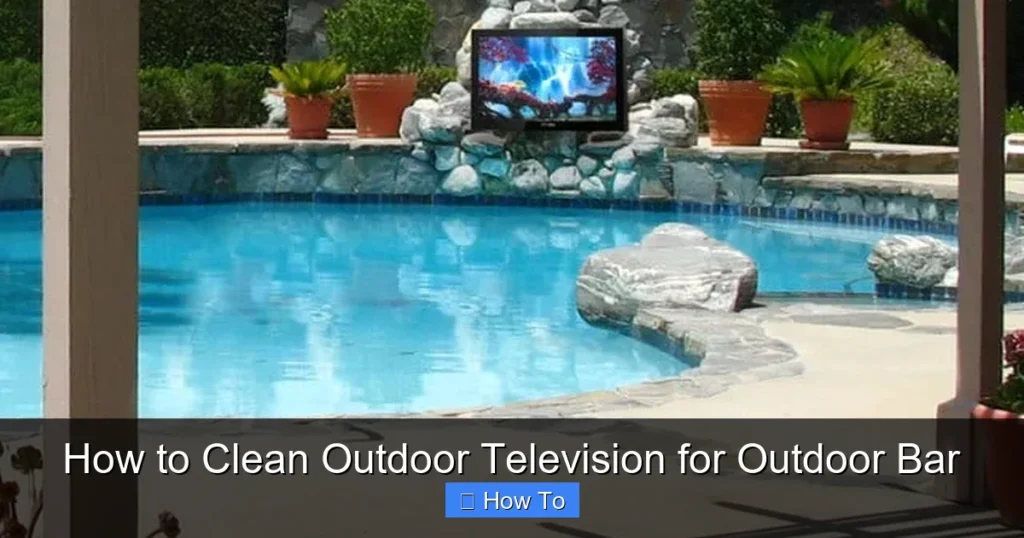
This guide walks you through how to install a backyard TV safely and effectively, so you can enjoy movie nights, sports games, and family time under the stars. From choosing the right equipment to mounting and weatherproofing, we’ve got you covered.
Key Takeaways
- Choose a weatherproof outdoor TV: Standard indoor TVs aren’t built for the elements—opt for a model specifically designed for outdoor use.
- Pick the perfect location: Consider sun exposure, viewing angles, and proximity to power and Wi-Fi for the best experience.
- Use a sturdy, weather-resistant mount: A secure mount rated for outdoor conditions ensures safety and stability.
- Protect all cables and connections: Use conduit, cable covers, and weatherproof boxes to prevent water damage and tripping hazards.
- Set up reliable power and internet: Ensure access to GFCI outlets and strong Wi-Fi or use a wired Ethernet connection.
- Enhance the experience with outdoor speakers: Built-in TV speakers often lack volume—add weatherproof speakers for better sound.
- Test everything before your gathering: Do a full system check a few days in advance to avoid last-minute surprises.
How to Install Backyard TV for Family Gatherings
Imagine this: It’s a warm summer evening. The grill is sizzling, kids are playing, and your family is gathered around a big screen in the backyard, watching a favorite movie under the stars. No need to crowd into the living room—your outdoor space has become the ultimate entertainment hub. That dream is totally achievable, and it starts with installing a backyard TV.
Whether you’re hosting game night, a birthday party, or just a relaxed weekend hangout, having a TV outdoors transforms your space. But setting it up isn’t as simple as dragging your living room TV outside. You need the right equipment, smart planning, and a few pro tips to make it safe, functional, and fun.
In this guide, we’ll walk you through every step of how to install a backyard TV for family gatherings. From choosing the perfect outdoor TV to mounting it securely and protecting it from the weather, you’ll learn how to create a reliable outdoor entertainment system that lasts for years. We’ll also cover sound, lighting, seating, and troubleshooting so your setup is ready for any event.
By the end, you’ll have a backyard TV setup that’s not only impressive but also safe and easy to use—perfect for bringing your family together, rain or shine.
Step 1: Choose the Right Outdoor TV
Visual guide about How to Install Backyard Tv for Family Gatherings
Image source: imgcdn.stablediffusionweb.com
The first and most important step in installing a backyard TV is selecting the right television. Not all TVs are created equal—especially when it comes to outdoor use.
Why You Can’t Use a Regular Indoor TV
You might be tempted to save money by using your old indoor TV, but that’s a risky move. Indoor TVs aren’t built to handle temperature swings, humidity, rain, or dust. Even if you cover it, moisture can seep in and cause permanent damage. Plus, indoor screens are usually too dim for daylight viewing.
Outdoor TVs, on the other hand, are engineered for the elements. They feature:
– Weatherproof casings that protect internal components
– Bright, anti-glare screens for visibility in sunlight
– Temperature-controlled cooling and heating systems to prevent overheating or freezing
– Rust-resistant materials for long-term durability
Types of Outdoor TVs
There are two main types of outdoor TVs:
1. Fully Outdoor (All-Weather) TVs
These are built to withstand rain, snow, and extreme temperatures. They’re ideal for uncovered patios, open decks, or areas with no roof protection. Brands like SunBriteTV, Samsung Terrace, and LG Outdoor are top choices.
2. Partial-Weather (Covered Outdoor) TVs
These are designed for covered areas like screened-in porches, pergolas, or under eaves. They’re less expensive than all-weather models but still offer better brightness and durability than indoor TVs.
Screen Size and Resolution
Choose a screen size based on your viewing distance. A general rule: for every 1.5 feet of viewing distance, use 1 inch of screen size. So if your seating is 12 feet away, a 65-inch TV is ideal.
For resolution, go with at least 4K Ultra HD for crisp, clear picture quality. Many outdoor TVs now support HDR (High Dynamic Range), which enhances color and contrast—perfect for sunny days.
Smart Features and Connectivity
Look for a smart TV with built-in Wi-Fi and apps like Netflix, YouTube, and Disney+. This lets you stream content without extra devices. Also, check for multiple HDMI ports, USB inputs, and Bluetooth support for connecting soundbars, gaming consoles, or streaming sticks.
Step 2: Pick the Perfect Location
Where you place your backyard TV makes a huge difference in comfort and performance.
Consider Sun and Glare
Avoid placing the TV where direct sunlight hits the screen. Glare can make it hard to see, even on the brightest outdoor TVs. North-facing walls (in the Northern Hemisphere) are often best because they get less direct sun.
If you can’t avoid sunlight, consider installing a retractable awning or pergola with shade cloth to reduce glare during peak hours.
Viewing Angle and Distance
Mount the TV at eye level when seated—typically 42 to 60 inches from the ground. Make sure everyone in your seating area has a clear, unobstructed view. Avoid placing it too high or too low, which can cause neck strain.
Proximity to Power and Wi-Fi
Your TV needs power and internet. Choose a location near an outdoor GFCI (Ground Fault Circuit Interrupter) outlet. These outlets are designed for outdoor use and shut off automatically if they detect a fault, reducing shock risk.
Also, test your Wi-Fi signal strength in the area. Weak Wi-Fi can cause buffering during streaming. If the signal is poor, consider using a Wi-Fi extender or running an Ethernet cable from your router.
Protection from the Elements
Even with an outdoor TV, it’s smart to install it under a covered area like a gazebo, pergola, or roof overhang. This adds an extra layer of protection from rain, snow, and UV rays, extending the TV’s lifespan.
Step 3: Select a Sturdy Outdoor Mount
A good mount is just as important as the TV itself. It keeps your screen secure, stable, and safe.
Types of Outdoor Mounts
– Fixed Mounts: Hold the TV flat against the wall. Great for permanent setups where you don’t need to adjust the angle.
– Tilt Mounts: Allow you to tilt the TV up or down for better viewing from different seating levels.
– Full-Motion (Articulating) Mounts: Let you pull the TV away from the wall and swivel it side to side. Ideal for flexible viewing angles.
For most backyard setups, a tilt or full-motion mount offers the best flexibility.
Weather Resistance and Weight Capacity
Make sure the mount is rated for outdoor use and can support your TV’s weight. Look for rust-proof materials like powder-coated steel or aluminum. Check the manufacturer’s specifications to ensure compatibility.
Installation Tips
– Use a stud finder to locate wall studs. Mount directly into studs for maximum strength.
– If mounting on brick or concrete, use masonry anchors and a drill designed for hard surfaces.
– Leave enough space behind the TV for ventilation—don’t press it flat against the wall.
Step 4: Run and Protect Cables Safely
Exposed wires are a tripping hazard and can get damaged by weather. Proper cable management is essential.
Use Outdoor-Rated Cables
Standard indoor cables aren’t built for moisture or UV exposure. Use outdoor-rated HDMI, power, and Ethernet cables that are labeled for exterior use.
Install Conduit or Cable Covers
Run cables through PVC conduit or use adhesive cable raceways to protect them from rain, pests, and foot traffic. Bury underground cables at least 18 inches deep if running across the yard.
Weatherproof Connection Boxes
Use outdoor electrical boxes with gaskets to seal connections. These keep water out of outlets, switches, and cable junctions. Always turn off power at the breaker before working on electrical connections.
Label Your Cables
Use colored tape or labels to identify each cable (e.g., “HDMI 1,” “Power,” “Ethernet”). This makes troubleshooting and future upgrades much easier.
Step 5: Set Up Power and Internet
Reliable power and internet are key to a smooth backyard TV experience.
Power Requirements
Most outdoor TVs use standard 120V outlets, but check your model’s power needs. Avoid overloading circuits—especially if you’re also running lights, speakers, or a mini-fridge.
Use a heavy-duty outdoor extension cord only as a temporary solution. For permanent setups, have an electrician install a dedicated outdoor outlet.
Internet Options
– Wi-Fi: Convenient but can be unreliable outdoors. Use a mesh Wi-Fi system or outdoor extender to boost signal.
– Ethernet Cable: More stable and faster. Run a Cat 6 or Cat 6a cable from your router to the TV location. Use weatherproof connectors and conduit.
– Powerline Adapters: Send internet through your home’s electrical wiring. Less reliable outdoors but useful if running Ethernet isn’t possible.
Step 6: Enhance Sound with Outdoor Speakers
Built-in TV speakers often lack volume and clarity, especially outdoors where sound dissipates quickly.
Wireless vs. Wired Speakers
– Wireless (Bluetooth or Wi-Fi): Easy to set up and move around. Great for casual use but may have latency or connection issues.
– Wired Speakers: More reliable and higher quality. Require running speaker wire, but deliver consistent sound.
Speaker Placement
Place speakers on either side of the TV or around the seating area. Aim them toward the audience. For larger spaces, consider a 5.1 surround sound system with a weatherproof subwoofer.
Weatherproof Models
Choose speakers rated for outdoor use. Look for IP ratings (like IPX5 or higher) that indicate resistance to water and dust. Brands like Polk, JBL, and Bose offer excellent outdoor options.
Step 7: Add Lighting and Seating for Comfort
A backyard TV isn’t just about the screen—it’s about the whole experience.
Outdoor Lighting
Avoid harsh, direct lights that create glare on the screen. Use soft, ambient lighting like string lights, lanterns, or LED path lights. Install dimmers so you can adjust brightness based on the time of day.
Comfortable Seating
Arrange weather-resistant furniture like outdoor sofas, Adirondack chairs, or benches around the TV. Add cushions and throws for extra comfort. Consider a fire pit or outdoor heater for cooler evenings.
Shade and Shelter
Install a pergola, umbrella, or retractable awning to provide shade during the day and shelter during light rain. This makes your space usable in more weather conditions.
Step 8: Test and Troubleshoot Before Your Gathering
Don’t wait until the day of your event to test your setup. Do a full system check a few days in advance.
Check Picture and Sound
Play a variety of content—movies, sports, music videos—to test brightness, color, and audio quality. Adjust settings as needed.
Test Internet Speed
Use a speed test app to ensure your connection is fast enough for streaming. Aim for at least 25 Mbps for 4K content.
Inspect All Connections
Make sure cables are secure, mounts are tight, and weatherproofing is intact. Look for signs of wear or damage.
Have a Backup Plan
Keep a portable speaker or tablet ready in case of technical issues. You can also download movies or shows in advance to avoid streaming problems.
Troubleshooting Common Issues
Even with careful planning, problems can arise. Here’s how to handle the most common ones:
TV Won’t Turn On
– Check the power outlet with another device.
– Ensure the remote has fresh batteries.
– Verify the TV isn’t in sleep or demo mode.
Poor Picture Quality
– Clean the screen with a microfiber cloth.
– Adjust brightness and contrast settings.
– Check for loose HDMI connections.
Weak or No Sound
– Make sure volume isn’t muted.
– Test with different audio sources.
– Check speaker connections and power.
Wi-Fi Keeps Dropping
– Move the router closer or add an extender.
– Switch to a wired Ethernet connection.
– Reduce interference from other devices.
Screen Glare in Sunlight
– Reposition the TV or add shade.
– Use an anti-glare screen protector.
– Watch during early morning or evening hours.
Conclusion
Installing a backyard TV for family gatherings is a fantastic way to bring people together and make the most of your outdoor space. It’s not just about the TV—it’s about creating a comfortable, safe, and entertaining environment where memories are made.
By choosing the right outdoor TV, mounting it securely, protecting your cables, and enhancing the experience with sound and lighting, you’ll build a setup that lasts for years. And with a little planning and testing, you can avoid common pitfalls and enjoy seamless movie nights, game days, and celebrations under the open sky.
So gather your family, fire up the grill, and press play. Your backyard is ready for its starring role.