Protect your outdoor TV setup from harsh winter conditions by properly hiding and securing cables. This guide walks you through weatherproofing, routing, and concealing wires to ensure safety, longevity, and a clean look—even in freezing temperatures.
Key Takeaways
- Use weatherproof conduit and cable raceways: These protect cables from moisture, ice, and UV damage while keeping them hidden from view.
- Choose the right cables for cold weather: Opt for outdoor-rated, cold-resistant cables that won’t crack or degrade in freezing temperatures.
- Route cables through walls or under decking: In-wall or under-deck routing offers the best protection and cleanest appearance.
- Seal all entry points with silicone or rubber grommets: Prevent water and cold air from entering your home or TV enclosure.
- Secure cables with UV-resistant zip ties or clips: Avoid metal fasteners that can corrode or conduct cold.
- Test connections before final installation: Ensure everything works before sealing cables permanently.
- Regular maintenance prevents winter damage: Inspect cables seasonally for wear, ice buildup, or animal interference.
How to Hide Cables for a Weatherproof TV in Cold Weather
Installing a weatherproof TV outdoors is a fantastic way to enjoy your favorite shows, sports, or movies while relaxing on the patio, deck, or porch—even in colder months. But one of the biggest challenges? Managing and hiding the cables. Exposed wires not only look messy, but they’re also vulnerable to snow, ice, wind, and temperature swings. In freezing conditions, cables can become brittle, connectors can fail, and moisture can seep into your home through unsealed entry points.
The good news? With the right tools, materials, and techniques, you can hide your TV cables safely and effectively—keeping them protected from the elements and out of sight. This comprehensive guide will walk you through every step, from choosing the right cables to routing them discreetly and securing them for long-term durability. Whether you’re mounting your TV under a covered patio or on an exposed wall, these tips will help you create a clean, professional, and weather-resistant setup that lasts through winter and beyond.
By the end of this guide, you’ll know exactly how to hide cables for your weatherproof TV in cold weather—without compromising safety, performance, or aesthetics.
Why Cable Management Matters in Cold Weather
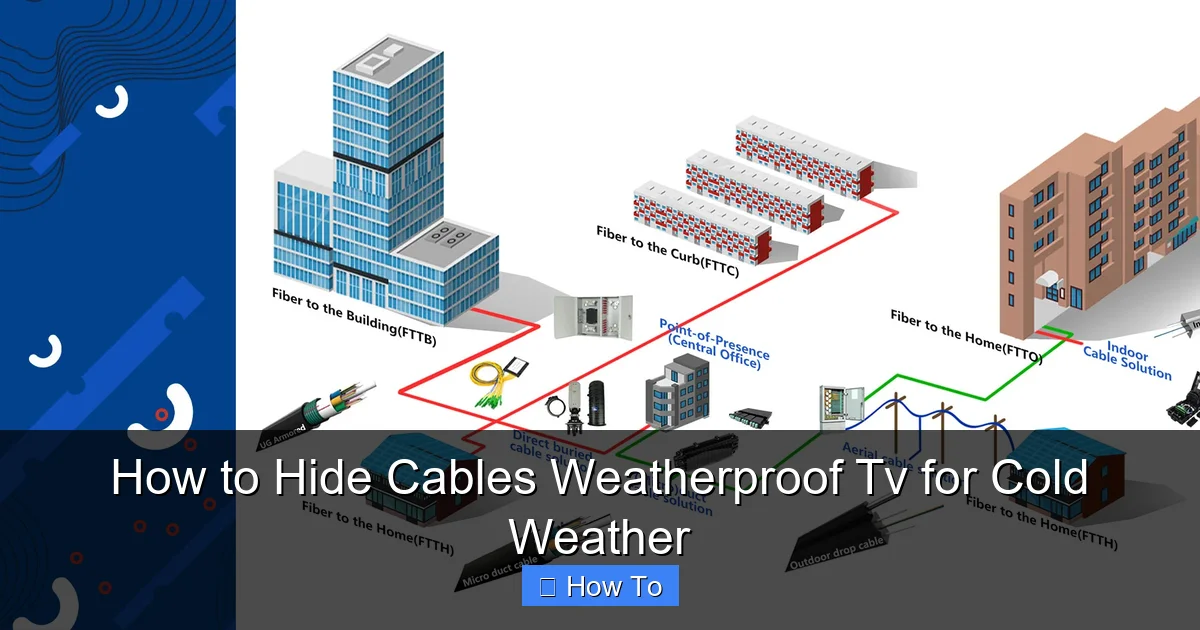
Visual guide about How to Hide Cables Weatherproof Tv for Cold Weather
Image source: jiahomeopticable.com
Outdoor TVs are built to withstand rain, snow, and temperature extremes, but the cables connected to them? Not so much. Standard indoor cables can crack, degrade, or lose conductivity when exposed to freezing temperatures. Worse, poorly managed cables can become tripping hazards, attract pests, or allow water to enter your home through wall penetrations.
Cold weather brings unique challenges:
– Ice and snow buildup can weigh down exposed cables or freeze connectors.
– Thermal contraction causes materials to shrink, potentially loosening connections.
– UV exposure from winter sun can degrade plastic coatings over time.
– Moisture intrusion from melting snow can corrode metal parts and short-circuit electronics.
Hiding and protecting your cables isn’t just about looks—it’s about safety, performance, and longevity. Proper cable management ensures your TV stays powered, your signal stays strong, and your outdoor space remains safe and tidy all winter long.
Step 1: Choose the Right Cables for Cold Weather
Before you even think about hiding cables, you need to make sure you’re using the right ones. Not all cables are created equal—especially when it comes to outdoor and cold-weather use.
Look for Outdoor-Rated Cables
Always choose cables labeled as “outdoor-rated” or “direct burial” if they’ll be exposed to the elements. These cables are designed with thicker, more durable insulation that resists moisture, UV rays, and temperature changes.
For example:
– HDMI cables: Use outdoor-rated HDMI cables with weatherproof connectors. Look for models with gold-plated connectors and braided shielding to prevent signal loss.
– Power cables: Choose heavy-duty, weather-resistant power cords with a minimum 16-gauge wire. Avoid thin, indoor extension cords.
– Coaxial and Ethernet cables: Use outdoor-rated coaxial (for antennas or satellite) and Cat 6 or Cat 6a Ethernet cables with UV-resistant jackets.
Check the Temperature Rating
Most outdoor cables are rated for temperatures as low as -40°F (-40°C). Check the packaging or product specs to ensure they can handle your local winter conditions. Cables that aren’t cold-rated may become stiff, crack, or lose flexibility in freezing temps.
Avoid Indoor Cables
Never use standard indoor cables outdoors—even if they’re temporarily hidden. Indoor cables lack the protective jacketing and are prone to moisture absorption, which can lead to corrosion and electrical failure.
Example: Recommended Cable Types
– HDMI: Cable Matters Outdoor HDMI Cable (rated for -40°F)
– Power: Southwire Outdoor Extension Cord (16/3 SJTW)
– Ethernet: Jadaol Outdoor Ethernet Cable (Cat 6, UV-resistant)
Investing in quality cables upfront saves you from costly repairs or replacements down the road.
Step 2: Plan Your Cable Route
Once you’ve got the right cables, it’s time to plan how they’ll get from your TV to the power source, receiver, or network connection. A well-thought-out route minimizes exposure, reduces clutter, and makes future maintenance easier.
Assess Your Setup
Ask yourself:
– Where is the TV mounted?
– Where are the power outlet, cable box, router, or antenna located?
– Are there walls, soffits, or decking you can route through?
– Will cables be exposed to foot traffic or snowplows?
Choose the Best Hiding Method
There are several ways to hide cables, each with pros and cons:
- In-wall routing: The cleanest and most protected option. Run cables through interior walls or exterior wall cavities. Best for permanent installations.
- Under decking or soffit: Route cables beneath a deck, porch, or soffit board. Great for elevated setups.
- Cable raceways or conduits: Surface-mounted channels that hide and protect cables along walls or trim. Ideal for renters or temporary setups.
- Buried conduit: For runs from the house to a detached structure (like a garage or shed). Requires digging but offers maximum protection.
Measure and Map the Path
Use a tape measure to determine the total length of cable needed. Add 10–15% extra for slack and routing around corners. Sketch a simple diagram showing the TV, power source, and all connection points.
Check for Obstructions
Look for electrical wires, plumbing, or structural beams that might block your path. Use a stud finder to locate wall studs before drilling.
Tip: Use Flexible Conduit for Tight Spaces
If you’re routing through tight corners or around obstacles, consider using flexible PVC conduit. It bends easily and protects cables from sharp edges.
Step 3: Use Weatherproof Conduit or Cable Raceways
To truly hide and protect your cables, you’ll need a durable enclosure. Weatherproof conduit or cable raceways are your best bet—they shield cables from snow, ice, wind, and UV damage while keeping them out of sight.
Choose the Right Type
– Rigid PVC conduit: Best for straight runs along walls or under decks. Resistant to impact and weather.
– Flexible conduit: Great for curved paths or areas with movement (like near doors).
– Cable raceways: Surface-mounted plastic or metal channels that snap open for easy access. Come in paintable finishes to match your wall.
Install the Conduit
Follow these steps:
- Mark the route on the wall or soffit.
- Drill pilot holes for mounting brackets.
- Secure the conduit or raceway with stainless steel screws or outdoor-rated adhesive.
- Leave a slight downward slope to prevent water pooling.
- Use elbow fittings for corners to maintain smooth cable bends.
Seal All Connections
Use silicone sealant or rubber grommets where cables enter or exit the conduit. This prevents moisture from seeping in—especially important in freezing conditions where ice can form and expand.
Tip: Paint to Match
If using a raceway, paint it to match your wall or trim. Use exterior-grade paint for durability.
Step 4: Route Cables Through Walls or Under Decking
For the most professional and protected setup, run your cables inside walls or beneath decking. This method keeps cables completely hidden and safe from the elements.
In-Wall Routing (For Permanent Installations)
- Turn off power to the area.
- Use a stud finder to locate studs and avoid electrical wires.
- Drill a hole through the wall at the TV mounting point and another near the power source.
- Feed a fish tape or flexible rod through the wall cavity.
- Attach cables to the fish tape and pull them through.
- Seal the entry and exit points with silicone or a wall plate with a grommet.
Under-Deck Routing
- Remove a few deck boards near the TV and power source.
- Run cables beneath the deck, securing them to joists with UV-resistant zip ties.
- Use conduit if the cables will be exposed to moisture or foot traffic.
- Replace deck boards, ensuring no cables are pinched.
Soffit or Fascia Routing
If your TV is mounted under an eave, route cables through the soffit or along the fascia board. Use a soffit vent or existing opening to feed cables into the attic or wall cavity.
Safety Note
Always check local building codes before drilling into walls. In some areas, in-wall wiring requires permits or professional installation.
Step 5: Secure and Protect Cables Outdoors
Even when hidden, cables need to be secured to prevent sagging, snagging, or damage from wind and animals.
Use UV-Resistant Fasteners
Avoid metal zip ties or staples—they can corrode or conduct cold. Instead, use:
– Plastic zip ties rated for outdoor use
– Cable clips with adhesive or screw mounts
– Velcro straps for temporary or adjustable setups
Keep Cables Off the Ground
Never let cables rest on snow, ice, or wet surfaces. Elevate them using clips, hooks, or conduit supports. This prevents water absorption and reduces the risk of tripping.
Protect Connectors
Use weatherproof cable covers or silicone tape to seal HDMI, power, and Ethernet connections. Consider a weatherproof junction box if multiple cables meet outdoors.
Example: Securing Cables Under a Deck
– Attach cables to the underside of joists every 12–18 inches.
– Use plastic clips with screws for a secure hold.
– Leave a little slack to allow for thermal expansion.
Step 6: Seal All Entry Points
One of the most critical steps in cold-weather cable management is sealing where cables enter your home or TV enclosure. Even a small gap can let in moisture, cold air, or pests.
Use Silicone Sealant
Apply a bead of exterior-grade silicone around the cable where it passes through a wall or soffit. Smooth it with your finger or a tool for a clean finish.
Install Rubber Grommets
For a more professional look, use rubber grommets in drilled holes. They cushion the cable and create a watertight seal.
Consider a Wall Plate
Install an outdoor-rated wall plate with built-in cable passthroughs. These are designed for TV installations and include sealing gaskets.
Double-Check for Gaps
After installation, inspect all entry points. Look for cracks, loose fittings, or areas where light shines through. Re-seal as needed.
Step 7: Test Before Finalizing
Before you seal everything up permanently, test your entire setup to make sure everything works.
Power On and Check
– Turn on the TV and all connected devices.
– Verify picture and sound quality.
– Test internet connectivity if using streaming devices.
Look for Issues
– Flickering screen? Could be a loose HDMI connection.
– No power? Check the outlet and cable integrity.
– Weak signal? Ensure coaxial or Ethernet cables are properly connected.
Make Adjustments
If something isn’t working, now’s the time to fix it. Once cables are sealed behind walls or under decks, repairs become much harder.
Troubleshooting Common Cold-Weather Cable Problems
Even with the best planning, issues can arise. Here’s how to handle common problems:
Cables Are Stiff or Brittle
This is a sign of cold damage or using the wrong cables. Replace with cold-rated outdoor cables and avoid bending them sharply in freezing temps.
Moisture Inside Conduit
Condensation can form inside sealed conduits. Use breathable conduit or add small drainage holes at the lowest point. Never seal both ends completely.
Ice Buildup on Cables
If snow melts and refreezes on cables, it can add weight and stress. Use elevated routing and consider heated cable wraps in extreme climates.
Animals Chewing Cables
Squirrels and rodents love to chew on cables. Use metal conduit or run cables through PVC pipe for protection.
Signal Loss in Cold Weather
Cold can affect signal integrity. Use high-quality, shielded cables and avoid long, unamplified runs.
Maintenance Tips for Winter
To keep your setup running smoothly all season, perform regular maintenance:
- Inspect cables monthly: Look for cracks, fraying, or loose connections.
- Clear snow and ice: Gently brush off snow from conduits and raceways.
- Check seals: Reapply silicone if you notice gaps or wear.
- Test connections: Power cycle your TV and devices to ensure reliability.
- Trim overhanging branches: Prevent ice dams and falling debris from damaging cables.
Conclusion
Hiding cables for your weatherproof TV in cold weather doesn’t have to be complicated—but it does require careful planning and the right materials. By choosing cold-rated cables, routing them through protected pathways, and sealing all entry points, you can enjoy a clean, safe, and reliable outdoor entertainment setup all winter long.
Remember: the goal isn’t just to hide cables, but to protect them. A well-managed cable system prevents electrical hazards, extends the life of your equipment, and keeps your outdoor space looking sharp—even in the snow.
With the steps in this guide, you’re equipped to tackle any cold-weather challenge. So go ahead, mount that TV, hide those cables, and enjoy your favorite shows under the winter stars—worry-free.