Hiding TV cables on your patio or pergola doesn’t have to be complicated. With the right tools and techniques, you can create a clean, safe, and visually appealing outdoor entertainment area. This guide walks you through every step—from planning to finishing touches—so your setup looks neat and lasts for years.
Key Takeaways
- Plan your cable route first: Measure distances and identify the best path before running any wires to avoid mistakes and rework.
- Use weatherproof materials: Choose outdoor-rated cables, conduits, and clips designed to withstand sun, rain, and temperature changes.
- Conduit is your best friend: Running cables through PVC or flexible conduit protects them from damage and makes future upgrades easier.
- Hide cables along beams and posts: Use cable clips, raceways, or paintable covers to blend wires into your pergola’s structure.
- Keep safety in mind: Always turn off power before working near electrical outlets and avoid overloading circuits.
- Test everything before finalizing: Make sure your TV, speakers, and streaming devices work properly before securing all cables in place.
- Maintain access for repairs: Use removable covers or access panels so you can easily troubleshoot or upgrade later.
How to Hide Cables TV for Patio for Pergola
Setting up a TV on your patio or under a pergola is a fantastic way to enjoy movies, sports, and shows outdoors. But nothing ruins the vibe faster than a tangle of exposed cables snaking across your deck or dangling from the beams. Not only do they look messy, but they can also be a tripping hazard or get damaged by weather and foot traffic.
The good news? You can easily hide your TV cables and create a clean, professional-looking setup with a few smart strategies. Whether you’re mounting a TV on a pergola post, running wires from your house to an outdoor entertainment area, or connecting speakers and streaming devices, this guide will show you exactly how to do it safely and effectively.
In this step-by-step guide, you’ll learn how to plan your cable route, choose the right materials, run wires neatly, and finish the job so your outdoor space stays stylish and safe. We’ll cover everything from basic tools to advanced tips for a truly seamless look. Let’s get started!
Step 1: Plan Your Cable Route
Before you run a single wire, take time to plan. A little foresight now saves hours of frustration later. Start by deciding where your TV will go and where the power source and signal source (like a cable box or streaming device) are located.
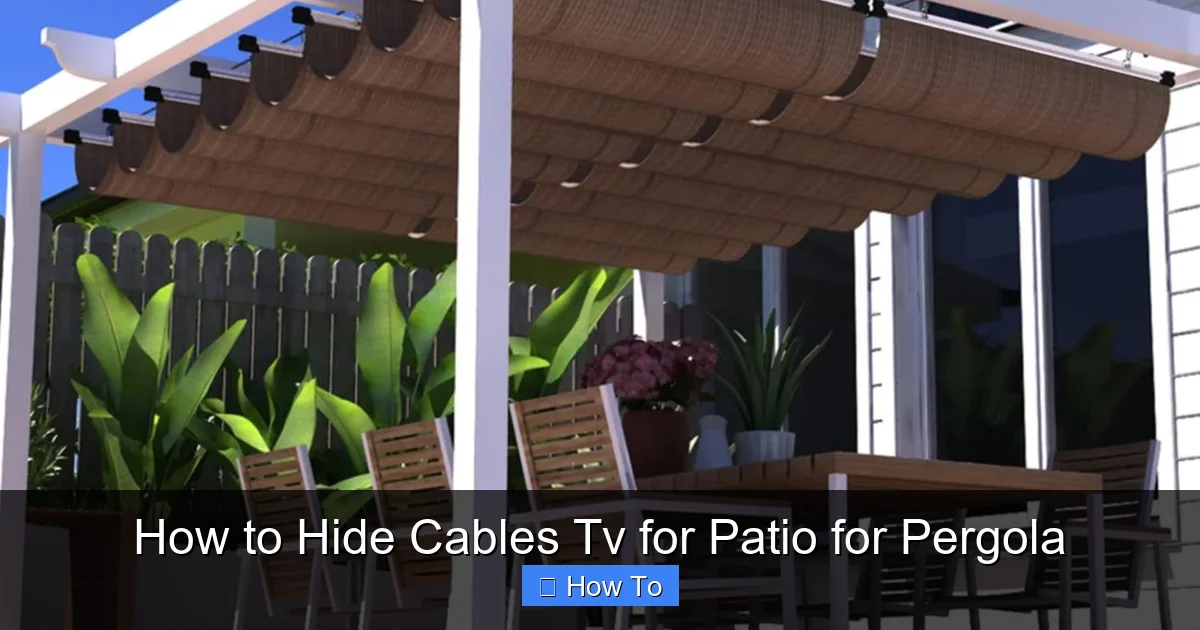
Visual guide about How to Hide Cables Tv for Patio for Pergola
Image source: m.media-amazon.com
Measure the Distance
Use a measuring tape to determine how far the cables need to travel. Include extra length—about 10–15% more than the straight-line distance—to allow for bends, connections, and future adjustments. For example, if your TV is 20 feet from the outlet, plan for at least 22–23 feet of cable.
Identify Obstacles
Look for potential obstacles like doors, windows, railings, or garden beds. You’ll want to avoid running cables across walkways or underfoot. Instead, aim to route them along walls, under decking, or up and over pergola beams.
Choose the Best Path
The ideal route is short, hidden, and protected. If your pergola is attached to your house, running cables along the wall and up into the structure is often the cleanest option. If it’s freestanding, you may need to bury conduit underground or use surface-mounted raceways.
Check Local Codes
If you’re running power cables or drilling into walls, check local building codes. Some areas require permits for outdoor electrical work or have rules about how cables can be routed. When in doubt, consult a licensed electrician.
Step 2: Gather the Right Tools and Materials
Having the right supplies makes the job faster and safer. Here’s what you’ll need for most outdoor cable-hiding projects.
Essential Tools
- Tape measure
- Drill with drill bits (for wood, concrete, or masonry)
- Screwdriver or power driver
- Cable staples or clips
- Fish tape (for pulling wires through walls or conduit)
- Utility knife or wire strippers
- Level (to keep things straight)
Recommended Materials
- Outdoor-rated HDMI, power, and speaker cables
- PVC conduit or flexible outdoor conduit
- Cable raceways or wire covers (paintable)
- Weatherproof junction boxes (if needed)
- Waterproof cable glands or grommets
- Outdoor cable clips or zip ties
- Silicone sealant (for sealing holes)
Pro Tip: Always buy cables rated for outdoor use. Indoor cables can degrade quickly when exposed to moisture, UV rays, and temperature swings. Look for labels like “outdoor,” “burial-rated,” or “UV-resistant.”
Step 3: Choose the Right Cable Management Method
There’s no one-size-fits-all solution. The best method depends on your pergola design, cable types, and how permanent you want the setup to be. Here are the most effective options.
Option 1: Run Cables Through Conduit
Conduit is the gold standard for outdoor cable protection. It shields wires from weather, pests, and physical damage. You can use rigid PVC conduit for straight runs or flexible conduit for curves.
How to Install Conduit
- Measure and cut the conduit to length using a hacksaw or PVC cutter.
- Attach it to the pergola beams or posts using conduit straps every 3–4 feet.
- Use 90-degree elbows or sweeps for corners to avoid sharp bends that can damage cables.
- Feed the cables through using a fish tape or by attaching them to a pull string.
- Seal the ends with waterproof caps or silicone to keep moisture out.
Example: If your TV is mounted on a pergola post 15 feet from the house, run a 1-inch PVC conduit from the wall outlet up the post and along the beam to the TV. This keeps everything hidden and protected.
Option 2: Use Cable Raceways or Wire Covers
Raceways are plastic or metal channels that snap over cables and mount to surfaces. They’re great for surface-mounted runs and come in paintable finishes to match your pergola.
How to Install Raceways
- Clean the surface where you’ll mount the raceway.
- Mark the route with a pencil and level.
- Apply adhesive strips or screw the raceway into place.
- Open the cover, lay in the cables, and snap it shut.
- Paint the raceway to blend with your pergola (use outdoor paint).
Pro Tip: Choose raceways with removable covers so you can easily add or replace cables later.
Option 3: Hide Cables Behind Panels or Decorative Elements
If your pergola has latticework, slats, or decorative panels, you can route cables behind them. This works well for low-voltage cables like HDMI or speaker wire.
How to Do It
- Remove a few slats or panels carefully.
- Run the cables behind the structure.
- Reattach the panels, ensuring they’re secure and level.
- Use cable clips to keep wires tidy behind the panels.
Note: Avoid blocking airflow or creating moisture traps. Leave small gaps for ventilation.
Option 4: Bury Cables Underground (For Freestanding Pergolas)
If your pergola is not attached to the house, you may need to run cables underground. This requires burial-rated cables and conduit.
Steps for Underground Routing
- Dig a trench 18–24 inches deep (check local codes for exact depth).
- Lay PVC conduit in the trench.
- Feed the cables through the conduit.
- Cover the conduit with soil and tamp it down.
- Mark the location with a stake or underground marker.
Safety First: Call 811 (in the U.S.) before digging to locate underground utilities.
Step 4: Run the Cables Safely
Now it’s time to connect everything. Follow these steps to ensure a clean, safe installation.
Turn Off Power
If you’re working near electrical outlets or running power cables, turn off the circuit at the breaker box. Use a voltage tester to confirm the power is off.
Start from the Source
Begin at the power outlet or signal source (like your cable box). Plug in the cables and test them indoors first to make sure they work.
Feed Cables Through Conduit or Raceways
Use a fish tape or attach the cables to a pull string to guide them through conduit. Go slowly to avoid kinks or breaks. For long runs, have a helper feed the cable from the other end.
Secure Cables Along the Route
Use outdoor-rated cable clips or zip ties to hold wires in place. Space them every 12–18 inches. Avoid over-tightening, which can damage cables.
Seal Entry Points
Where cables enter the pergola or pass through walls, seal the holes with silicone caulk or rubber grommets. This prevents water, insects, and rodents from getting in.
Label Your Cables
Use colored tape or labels to mark each cable (e.g., “HDMI,” “Power,” “Speaker”). This makes troubleshooting and upgrades much easier later.
Step 5: Mount the TV and Connect Devices
With cables in place, it’s time to set up your TV and accessories.
Choose a Weatherproof TV
Standard indoor TVs aren’t built for outdoor use. Invest in an outdoor-rated TV or use a weatherproof enclosure. These are designed to handle humidity, temperature changes, and direct sunlight.
Mount the TV Securely
Use a heavy-duty outdoor TV mount rated for your TV’s size and weight. Attach it to a sturdy pergola post or beam. Make sure it’s level and can tilt or swivel if needed.
Connect All Devices
Plug in your TV, streaming box, soundbar, or speakers. Route the cables neatly to the hidden conduit or raceway. Use cable ties to bundle them together.
Test the System
Turn everything on and test the picture, sound, and internet connection. Adjust settings as needed. Make sure all remotes work from your seating area.
Step 6: Finish and Maintain
A few final touches will keep your setup looking great for years.
Paint or Stain Matching Covers
If you used raceways or conduit, paint them to match your pergola. Use exterior-grade paint or stain for durability.
Add Decorative Touches
Use outdoor string lights, plants, or lattice panels to further conceal cables and enhance the ambiance.
Schedule Regular Checks
Every few months, inspect your cables and covers for signs of wear, moisture, or pests. Replace damaged parts promptly.
Keep Access Points Clear
Don’t block conduit ends or raceway covers with furniture or decor. You’ll need easy access for future repairs or upgrades.
Troubleshooting Common Issues
Even with careful planning, problems can arise. Here’s how to fix the most common ones.
Cables Are Too Short
If your cables don’t reach, use outdoor-rated extension cords or couplers. Never splice cables with electrical tape—use proper connectors and seal them with heat shrink tubing.
Signal Loss or Interference
Long HDMI runs can cause signal drop. Use an HDMI extender with Ethernet or a wireless HDMI kit. Keep power cables away from signal cables to reduce interference.
Water in the Conduit
If moisture builds up, check for leaks at entry points. Add a small drain hole at the lowest point of the conduit or use a desiccant pack to absorb moisture.
Cables Are Visible
If wires are still showing, add more clips, reposition raceways, or use decorative covers. Sometimes a little repositioning makes a big difference.
Tripping Hazard
If cables cross a walkway, reroute them under decking or use a cable ramp. These flexible covers protect wires and prevent accidents.
Conclusion
Hiding TV cables for your patio or pergola might seem like a small detail, but it makes a huge difference in both safety and style. With the right planning, tools, and techniques, you can create a clean, professional-looking outdoor entertainment space that’s ready for movie nights, game days, and relaxing evenings under the stars.
Remember to use outdoor-rated materials, protect cables with conduit or raceways, and always prioritize safety. A little effort upfront pays off with a setup that’s not only beautiful but built to last. Now go enjoy your favorite shows—without the cable clutter!