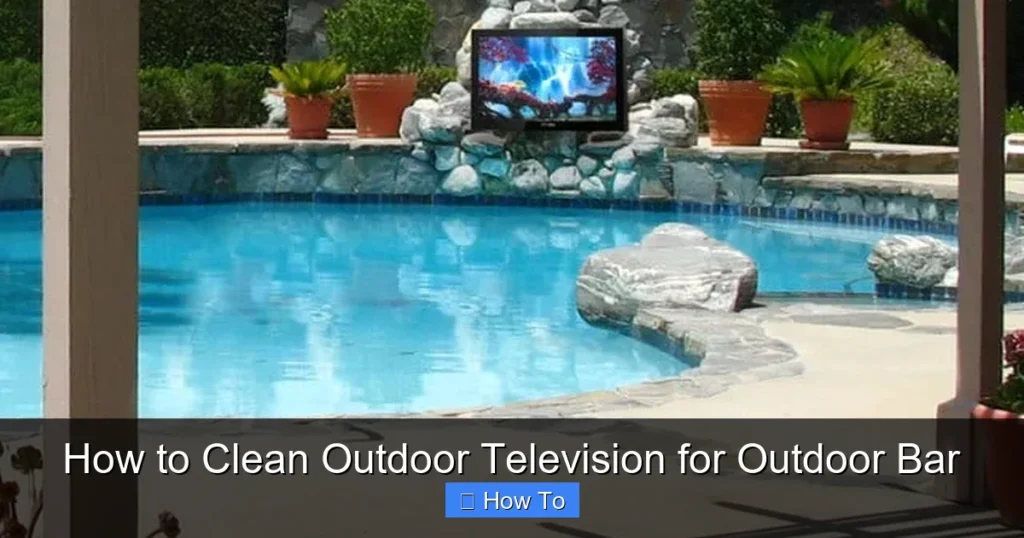
Hiding TV cables on your patio doesn’t have to be complicated. This guide walks you through simple, effective methods to keep cords out of sight while ensuring safety and style during family gatherings. Enjoy a clean, organized outdoor entertainment space without sacrificing function or aesthetics.
Key Takeaways
- Plan your cable route first: Map out where your TV, power source, and devices will go before running any wires to avoid last-minute changes.
- Use outdoor-rated cable management products: Choose weather-resistant raceways, conduits, and clips designed for exterior use to protect cables from rain and sun.
- Anchor cables securely to prevent tripping: Use adhesive clips, zip ties, or mounting brackets to keep cords flat and out of walkways.
- Blend cables with your patio design: Paint raceways to match your wall or deck, or hide them behind furniture and planters for a seamless look.
- Test all connections before guests arrive: Ensure your TV, sound system, and streaming devices work properly after installation to avoid mid-gathering tech issues.
- Prioritize safety with proper grounding: Use GFCI outlets and avoid overloading circuits to reduce electrical risks outdoors.
- Consider wireless alternatives when possible: Use Bluetooth speakers or wireless HDMI kits to reduce the number of visible cables.
How to Hide Cables TV for Patio for Family Gatherings
Nothing brings families together like a cozy evening on the patio—string lights glowing, snacks on the table, and everyone gathered around the outdoor TV. But one thing can quickly ruin the vibe: a tangled mess of cables snaking across the floor. Whether you’re streaming a movie, showing vacation photos, or watching the big game, exposed cords are not only unsightly—they’re a tripping hazard.
The good news? You can enjoy a clean, safe, and stylish outdoor entertainment space without spending a fortune or hiring a professional. This step-by-step guide will show you exactly how to hide TV cables on your patio for family gatherings, using simple tools, smart planning, and a few clever tricks. By the end, you’ll have a setup that’s both functional and beautiful—perfect for hosting unforgettable nights under the stars.
Why Hiding Patio TV Cables Matters
Before diving into the how-to, let’s talk about why this matters. Outdoor cable management isn’t just about looks—it’s about safety, durability, and convenience.
First, safety. Loose cables are a tripping hazard, especially when kids, grandparents, or guests are moving around. A single misstep could lead to injury—or worse, damage to your TV or sound system. Second, weather resistance. Indoor cables aren’t built to handle rain, humidity, or UV rays. Exposed wires can degrade over time, leading to shorts or electrical issues. Finally, aesthetics. A clean patio looks inviting and organized. When cables are hidden, your space feels more like a relaxing retreat and less like a tech workshop.
Whether you’re hosting a birthday party, a holiday dinner, or just a casual weekend hangout, hiding your TV cables ensures your focus stays on fun—not on avoiding a cord underfoot.
Step 1: Plan Your TV and Cable Layout
The first step to hiding cables effectively is planning. Rushing into installation without a clear layout often leads to messy results or the need to redo work.
Choose the Right TV Location
Start by deciding where your TV will go. Common patio TV spots include:
- Mounted on an exterior wall
- On a weatherproof TV stand or cabinet
- Under a covered pergola or awning
Make sure the location is:
- Protected from direct rain and sunlight
- At a comfortable viewing height and angle
- Close enough to a power source and your streaming devices
Map Out Your Devices
List all the devices that will connect to your TV:
- Streaming box (Roku, Apple TV, Fire Stick)
- Soundbar or outdoor speakers
- Game console (if applicable)
- HDMI switcher or receiver
Each device needs power and possibly an HDMI or audio cable. Knowing what you’re working with helps you estimate cable lengths and plan routing paths.
Identify Power Sources
Locate the nearest outdoor GFCI (Ground Fault Circuit Interrupter) outlet. These are essential for safety outdoors. If you don’t have one nearby, consider hiring an electrician to install one—don’t rely on extension cords as a permanent solution.
Sketch a Simple Diagram
Grab a piece of paper or use a free app to sketch your patio layout. Mark:
- TV location
- Power outlet
- Device placement (e.g., media console under the TV)
- Intended cable paths (along walls, under furniture, etc.)
This visual guide will keep you on track during installation.
Step 2: Choose the Right Cable Management Tools
Not all cable organizers are created equal—especially for outdoor use. You need products that can withstand the elements while keeping cords secure and hidden.
Outdoor Cable Raceways
Cable raceways are plastic or metal channels that snap over wires, hiding them from view. Look for UV-resistant, weatherproof raceways made from PVC or aluminum. These can be mounted along walls, under railings, or along the edge of your deck.
Tip: Choose raceways that come with adhesive backing or mounting screws. Adhesive is quicker, but screws offer a more permanent hold.
Conduit or Flexible Tubing
For running cables through walls or under decks, use flexible conduit. This protects wires from moisture, pests, and physical damage. It’s especially useful if you’re drilling through siding or concrete.
Example: Use ½-inch electrical conduit to run HDMI and power cables from your media cabinet to the TV mount.
Cable Clips and Zip Ties
For shorter runs or temporary setups, use outdoor-rated adhesive clips or UV-resistant zip ties. These are great for securing cables along railings, under tables, or behind furniture.
Pro tip: Use zip ties sparingly—over-tightening can damage cables. Leave a little slack for movement and heat expansion.
Cord Covers and Floor Channels
If cables must cross walkways, use flexible cord covers that lie flat on the ground. These are made of rubber or plastic and come in colors that blend with concrete or wood. Some even have reflective strips for nighttime safety.
Example: A black rubber cord cover works well on a dark stone patio, while a gray one blends into concrete.
Weatherproof Enclosures
If you’re storing devices like a streaming box or receiver outdoors, protect them in a weatherproof media enclosure. These are sealed boxes with ventilation and cable ports, designed to keep electronics safe from rain and dust.
Look for enclosures with mounting brackets so you can attach them to a wall or under a shelf.
Step 3: Run and Secure Your Cables
Now it’s time to put your plan into action. Follow these steps to run and secure your cables safely and neatly.
Turn Off Power
Before handling any electrical cables, turn off the power at the outlet. Use a voltage tester to confirm it’s safe. Safety first!
Start from the TV and Work Backward
Begin at the TV and run cables toward the power source and devices. This helps you avoid tangling and ensures you have enough length.
Use a cable puller or fish tape if you’re running wires through walls or conduit.
Use Raceways Along Walls
Attach cable raceways to the wall using the included adhesive or screws. Run HDMI, power, and audio cables inside. Snap the cover shut to hide everything.
Tip: Paint the raceway to match your wall color for a nearly invisible look.
Route Cables Under Furniture
If your TV is on a stand or cabinet, run cables behind or underneath it. Use adhesive clips to guide wires along the back legs or base.
Example: Route the power cord from the TV down the back leg of the stand and along the floor to the outlet.
Hide Cables in Planters or Decor
Get creative! Use large outdoor planters, decorative rocks, or outdoor storage boxes to conceal cables. Just make sure airflow isn’t blocked and cables aren’t pinched.
Example: Place a tall planter with ornamental grass near the TV stand to hide a power strip and extra cables.
Secure Floor Crossings
If a cable must cross a walkway, use a cord cover. Peel off the adhesive backing and press it firmly into place. For extra security, use outdoor tape or small screws.
Warning: Never tape cables directly to the ground with duct tape—it leaves residue and can damage surfaces.
Bundle Excess Cable
If you have extra length, coil it neatly and secure it with a Velcro strap or zip tie. Store the coil inside a media enclosure or under furniture.
Don’t wrap cables tightly around devices—this can cause overheating or damage.
Step 4: Protect Cables from Weather and Wear
Outdoor cables face harsh conditions. Sun, rain, wind, and temperature changes can degrade wires over time. Protect them to ensure long-term performance.
Use Outdoor-Rated Cables
Always use cables labeled for outdoor use. These have thicker insulation and UV protection. Look for “direct burial” or “outdoor-rated” on the packaging.
Example: Use an outdoor HDMI cable with a weather-resistant jacket for your TV connection.
Seal Cable Entry Points
Where cables enter walls, conduit, or enclosures, seal the openings with weatherproof silicone caulk or cable gland fittings. This prevents water from seeping in.
Tip: Apply caulk in a smooth bead and wipe excess with a damp cloth for a clean finish.
Elevate Cables Off the Ground
Never let cables sit directly on wet concrete or soil. Moisture can seep into the insulation. Use clips, raceways, or small brackets to keep wires elevated.
Example: Mount a raceway 2–3 inches above the ground along a wall.
Inspect Regularly
Check your cables every few months for signs of wear: fraying, cracking, or discoloration. Replace damaged cables immediately.
Set a calendar reminder to inspect your setup before each gathering season.
Step 5: Test and Troubleshoot Your Setup
Before your next family gathering, test everything to make sure it works flawlessly.
Power On and Check Connections
Turn on the TV and all connected devices. Verify that:
- The picture is clear and stable
- Sound is working through speakers or soundbar
- Streaming apps load quickly
- Remote controls function properly
Look for Signal Issues
If you notice flickering, lag, or no signal, check:
- HDMI cables are fully seated
- Cables aren’t bent or kinked
- Conduit isn’t pinching wires
- Power supply is stable
Try swapping cables or using a signal booster if needed.
Test for Safety
Use a circuit tester to ensure your GFCI outlet is working. Press the “Test” button—it should cut power immediately. Then press “Reset” to restore it.
Never ignore a tripped GFCI—it could indicate a ground fault or water intrusion.
Adjust for Comfort
Make sure the TV is at a comfortable height and angle. Use a tilting or swivel mount if needed. Also, check that cables aren’t pulling on ports or creating tension.
Bonus Tips for a Polished Look
Want to take your patio setup to the next level? Try these finishing touches:
Use Wireless Options
Reduce cable clutter with wireless technology:
- Bluetooth speakers for sound
- Wireless HDMI kits for streaming
- Smart TVs with built-in Wi-Fi
Note: Wireless isn’t always as reliable as wired, so test before relying on it for a big event.
Coordinate with Decor
Match cable raceways or cord covers to your patio’s color scheme. Paint them to blend in, or choose neutral tones like gray, black, or white.
Add Lighting
Use string lights or LED strips to illuminate the area. This not only enhances ambiance but also helps guests see where they’re walking—reducing tripping risks.
Label Cables
Use colored tape or labels to mark each cable (e.g., “HDMI 1,” “Power,” “Sound”). This makes troubleshooting and future changes much easier.
Troubleshooting Common Issues
Even with the best planning, problems can arise. Here’s how to fix common cable issues:
Cable Not Fitting in Raceways
If your cables are too thick, use a larger raceway or split them into multiple channels. Don’t force wires—this can damage insulation.
Adhesive Clips Falling Off
Outdoor adhesives can fail in heat or humidity. Use screw-mounted clips instead, or clean the surface with rubbing alcohol before applying adhesive.
Signal Loss Over Long Distances
HDMI signals weaken over long runs. Use an HDMI extender or fiber optic cable for distances over 25 feet.
Water in Conduit
If you find moisture inside conduit, disconnect power immediately. Dry the cables thoroughly and reseal all entry points with silicone.
Overloaded Power Strip
Don’t plug too many devices into one outlet. Use a power strip with surge protection and check the wattage rating. If it feels hot, unplug it and redistribute the load.
Conclusion
Hiding TV cables on your patio doesn’t have to be a daunting task. With a little planning, the right tools, and some creativity, you can create a safe, stylish, and functional outdoor entertainment space that’s perfect for family gatherings. From choosing weatherproof raceways to testing your setup before guests arrive, every step ensures a smoother, more enjoyable experience.
Remember: the goal isn’t just to hide cables—it’s to enhance your patio’s comfort and safety. When cords are out of sight, your focus stays on what really matters: quality time with loved ones. So grab your tools, follow this guide, and get ready to host unforgettable nights under the stars—cable-free and stress-free.