
Outdoor TVs have revolutionized the way families gather, celebrate, and unwind in their backyards. Whether you’re hosting a summer barbecue, watching the big game under the stars, or enjoying a movie night with loved ones, your outdoor television is often the centerpiece of these cherished moments. But unlike indoor TVs, outdoor models face constant exposure to the elements—dust, pollen, rain, bird droppings, humidity, and even salt air if you live near the coast. Over time, this buildup can degrade picture quality, damage sensitive components, and shorten the lifespan of your investment. That’s why knowing how to properly clean and maintain your backyard TV isn’t just a nice-to-have—it’s essential for preserving performance, safety, and longevity.
This comprehensive guide is designed for homeowners, outdoor entertainment enthusiasts, and anyone who wants to get the most out of their outdoor TV setup. Whether you’ve just installed a sleek weatherproof display or are preparing for your next family gathering, this article will walk you through everything you need to know about cleaning, maintaining, and protecting your outdoor television. You’ll learn the right tools and techniques, understand the risks of improper cleaning, discover seasonal maintenance routines, and gain expert insights that go beyond the basics. We’ll also cover key factors to consider when buying an outdoor TV, compare different types on the market, highlight common mistakes to avoid, and provide actionable tips to help you make smart decisions—both before and after purchase.
The outdoor TV market has evolved significantly in recent years. What was once a niche category dominated by bulky, expensive commercial-grade displays has now expanded to include a wide range of consumer-friendly options. From fully sealed, all-weather models built to withstand extreme temperatures and heavy rain, to more affordable “outdoor-compatible” indoor TVs used with protective enclosures, there’s something for nearly every budget and backyard setup. Brands like Samsung, LG, Sony, SunBriteTV, and Seura have stepped up their game, offering features like anti-glare screens, enhanced brightness for daylight viewing, and ruggedized casings. With more families investing in outdoor living spaces—patios, decks, pergolas, and even outdoor kitchens—the demand for reliable, high-performing outdoor TVs continues to grow. But with that growth comes complexity: not all outdoor TVs are created equal, and not all cleaning methods are safe. This guide cuts through the noise to deliver expert-level advice grounded in real-world experience, manufacturer recommendations, and best practices from professional installers.

What to Look for When Buying Buying Guide
1. Budget & Price Range
Outdoor TVs come in a wide price spectrum, and your budget will significantly influence the features, durability, and performance you can expect. Entry-level outdoor TVs or indoor TVs used with outdoor enclosures typically start around $500–$800, while fully weatherproof, purpose-built outdoor models range from $1,500 to $5,000 or more. High-end commercial-grade displays can exceed $10,000, especially for large sizes or specialized installations like poolside or coastal environments. When setting your budget, consider not just the upfront cost but also long-term value. A cheaper TV might save you money now, but if it requires frequent repairs or replacement due to weather damage, it could end up costing more over time. Also factor in installation costs, mounting hardware, and any necessary accessories like weatherproof covers or surge protectors. For most families, a mid-range outdoor TV ($1,500–$3,000) offers the best balance of durability, picture quality, and features. If you’re on a tight budget, consider using a high-quality indoor TV with a certified outdoor enclosure—this can be a cost-effective alternative, though it may not offer the same level of protection or longevity as a true outdoor model.
2. Performance Specifications
Outdoor viewing conditions are vastly different from indoor environments, so performance specs matter more than ever. Brightness is critical—look for a TV with a minimum of 700 nits, but ideally 1,000 nits or higher, to combat glare from sunlight. Many premium outdoor TVs feature anti-reflective coatings and direct-lit LED backlighting to enhance visibility during the day. Resolution should be at least Full HD (1080p), but 4K UHD is increasingly standard and recommended for screens 55 inches and larger. HDR support (HDR10, Dolby Vision) improves contrast and color accuracy, making movies and sports look more vibrant. Refresh rate is another key factor: a 120Hz panel reduces motion blur during fast-paced action, which is especially important for sports fans. Audio performance is often overlooked, but outdoor spaces lack the acoustics of a living room, so built-in speakers should be robust or compatible with external sound systems. Connectivity options like HDMI 2.1, USB ports, and smart TV platforms (Android TV, webOS, Tizen) ensure compatibility with streaming devices, gaming consoles, and home automation systems. Finally, consider viewing angle—wide-angle panels (178 degrees) allow more people to enjoy a clear picture from different positions around the patio.
3. Build Quality & Durability
Durability is non-negotiable for outdoor TVs. These devices are engineered to withstand rain, snow, dust, extreme temperatures, and UV exposure. Look for TVs with an IP (Ingress Protection) rating of at least IP55, which means they’re protected against dust and water jets. Higher-end models may offer IP65 or IP66 ratings for even greater resilience. The casing should be made of corrosion-resistant materials like powder-coated aluminum or stainless steel, especially if you live in a humid or coastal area. Internal components are often sealed in weatherproof compartments to prevent moisture ingress. Thermal management is also crucial—outdoor TVs generate heat and must dissipate it safely without relying on fans (which can suck in dust and moisture). Instead, they use passive cooling systems like heat sinks. Check for certifications like UL Listed for outdoor use or compliance with standards like NEMA 4X, which indicates resistance to corrosion, ice, and hose-directed water. Avoid TVs with exposed vents, rubber gaskets that degrade over time, or plastic casings that can warp in heat. A well-built outdoor TV should feel solid, have no gaps or seams where water could enter, and come with a robust mounting system designed for outdoor use.
4. Features & Functionality
Modern outdoor TVs offer a surprising array of smart features that enhance usability and convenience. Most come with built-in Wi-Fi and support for popular streaming apps like Netflix, YouTube, and Disney+. Voice control via Alexa or Google Assistant is common, allowing hands-free operation—perfect when you’re grilling or entertaining. Some models include ambient light sensors that automatically adjust brightness based on outdoor lighting conditions, improving visibility and energy efficiency. Others feature motion sensors that turn the TV on when someone approaches, saving power when no one is watching. Remote controls are often backlit or weather-resistant, and some TVs offer smartphone apps for remote management. For families, parental controls and guest modes can be useful. If you plan to use the TV for gaming, look for low input lag and support for variable refresh rate (VRR) technologies like FreeSync or G-Sync. Connectivity is key: ensure there are enough HDMI ports for your devices, and consider models with built-in cable management to keep wires tidy and protected. Some premium TVs even include built-in heaters or coolers to maintain optimal operating temperatures in extreme climates, though these are typically found in commercial-grade units.
5. Brand Reputation
Not all brands are created equal when it comes to outdoor TVs. While major consumer electronics companies like Samsung and LG offer outdoor-compatible models, specialized brands like SunBriteTV, Seura, and Avid Power have built their reputations specifically on outdoor durability and performance. These companies conduct rigorous testing in real-world conditions—exposing TVs to salt spray, UV radiation, temperature cycling, and heavy rain—to ensure reliability. Reading customer reviews and professional installer feedback can provide valuable insights into long-term performance. Look for brands with a proven track record of customer support, readily available replacement parts, and clear documentation on maintenance and cleaning. Avoid unknown or generic brands that lack transparency about their weatherproofing methods or use vague terms like “weather-resistant” without certification. A reputable brand will stand behind its product with strong warranties and responsive service. Additionally, consider brands that offer modular designs, allowing you to replace individual components (like the display panel or power supply) rather than the entire unit if something fails.
6. Warranty & Support
A solid warranty is a strong indicator of a manufacturer’s confidence in their product. Most outdoor TVs come with a 1- to 3-year limited warranty, but some premium brands offer up to 5 years of coverage. Pay attention to what’s included: does the warranty cover weather-related damage, or only manufacturing defects? Are labor and shipping costs included for repairs? Is on-site service available? SunBriteTV, for example, offers a 3-year warranty with optional extended coverage and nationwide service. Check if the warranty is transferable—this can add value if you sell your home. Customer support should be accessible via phone, email, or live chat, with knowledgeable technicians who understand outdoor installations. Some brands provide detailed maintenance guides, cleaning instructions, and troubleshooting resources on their websites. Avoid brands with vague warranty terms or those that require you to ship the TV back at your own expense for repairs. A good warranty not only protects your investment but also gives you peace of mind knowing that help is available if something goes wrong.
7. Size & Portability
Choosing the right screen size depends on your viewing distance, seating arrangement, and available space. For most backyard setups, a 55- to 65-inch TV is ideal, offering a cinematic experience without overwhelming the space. If you’re placing the TV on a large patio or near a pool, consider a 75-inch model for better visibility from farther distances. However, larger screens require more robust mounting solutions and may need additional structural support. Portability is another consideration: some outdoor TVs are designed to be wall-mounted permanently, while others come with freestanding stands or can be moved between locations. If you plan to relocate the TV seasonally (e.g., from the patio to the garage in winter), look for lightweight models with secure transport handles. Wall mounts should be tiltable or full-motion to allow for optimal viewing angles, especially if the TV is mounted high or under a pergola. Ensure the mounting hardware is rated for outdoor use and can support the TV’s weight and size. For renters or those with temporary setups, portable outdoor TVs with built-in batteries or solar charging options are emerging, though they’re still niche and often more expensive.
8. User Reviews & Ratings
Before making a purchase, spend time reading user reviews on trusted platforms like Amazon, Best Buy, Crutchfield, or specialty outdoor electronics sites. Look for patterns in feedback: are multiple users reporting the same issues with picture quality, remote control responsiveness, or weatherproofing? Pay attention to long-term reviews (6 months or more) to assess durability. Professional reviews from tech sites like CNET, Wirecutter, or Outdoor Living Today can provide in-depth analysis of performance, features, and real-world testing. Forums and Facebook groups dedicated to outdoor living or home theater setups are also valuable resources—members often share installation tips, cleaning hacks, and brand recommendations based on personal experience. Be wary of overly positive or generic reviews that lack detail; genuine feedback usually includes both pros and cons. Also check the brand’s rating on the Better Business Bureau (BBB) or Trustpilot to gauge customer service quality. A product with high ratings across multiple platforms and consistent positive feedback from real users is more likely to meet your expectations.
Different Types of Buying Guide
Common Buying Mistakes to Avoid
❌ Mistake: Using Indoor Cleaning Products
Why it’s bad: Household cleaners like Windex, vinegar solutions, or ammonia-based sprays can damage anti-reflective coatings, scratch the screen, or degrade weatherproof seals. Many contain chemicals that react poorly with outdoor TV materials, leading to clouding, discoloration, or electrical issues.
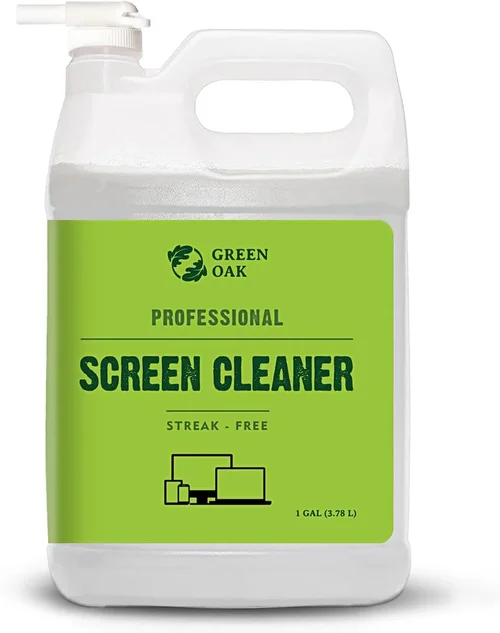
What to do instead: Use only manufacturer-recommended cleaning solutions or distilled water with a microfiber cloth. Avoid paper towels, sponges, or abrasive cloths. For stubborn grime, lightly dampen the cloth—never spray liquid directly on the screen.
❌ Mistake: Neglecting Regular Maintenance
Why it’s bad: Dirt, pollen, and bird droppings can accumulate quickly outdoors. If left unchecked, they can etch the screen, clog ventilation (if any), or attract pests. Over time, this buildup reduces picture clarity and can lead to overheating or corrosion.
What to do instead: Clean your outdoor TV every 2–4 weeks, or more often during pollen season or after storms. Establish a routine—pair it with other outdoor maintenance tasks like gutter cleaning or deck sweeping.
❌ Mistake: Mounting in Direct Sunlight Without Shade
Why it’s bad: Even weatherproof TVs can overheat if mounted in full sun all day. Prolonged exposure to UV rays can fade colors and degrade internal components. Glare also makes viewing difficult, defeating the purpose of a bright display.
What to do instead: Install the TV under a covered area like a pergola, awning, or roof overhang. Use a mounting arm with tilt adjustment to angle the screen away from direct sun. Consider adding a retractable shade or outdoor curtains for extra protection.
❌ Mistake: Ignoring Cable Management
Why it’s bad: Exposed cables are vulnerable to weather, rodents, and tripping hazards. Water can seep into ports, causing short circuits or corrosion. Messy wiring also detracts from the clean look of your outdoor space.
What to do instead: Use weatherproof cable raceways, conduits, or in-wall wiring (if permitted). Seal all connections with silicone or rubber grommets. Label cables for easy identification during maintenance or upgrades.
❌ Mistake: Overlooking Surge Protection
Why it’s bad: Outdoor electronics are at higher risk of power surges from lightning, grid fluctuations, or nearby appliances. A single surge can fry the TV’s internal circuitry, leading to costly repairs or replacement.
What to do instead: Install a high-quality outdoor-rated surge protector or whole-home surge suppression system. Unplug the TV during thunderstorms if possible. Consider a UPS (uninterruptible power supply) for added protection.
❌ Mistake: Choosing the Wrong Size for the Space
Why it’s bad: A TV that’s too small forces viewers to squint, while one that’s too large overwhelms the area and may require excessive brightness, increasing energy use and heat output.
What to do instead: Use the 1.5x rule: multiply your viewing distance (in inches) by 1.5 to determine ideal screen size. For example, if viewers sit 10 feet (120 inches) away, a 60- to 70-inch TV is optimal. Test with a cardboard mockup before mounting.
❌ Mistake: Skipping Professional Installation
Why it’s bad: Improper mounting can lead to instability, water intrusion, or electrical hazards. DIY mistakes may void the warranty or create safety risks, especially on uneven surfaces or high walls.
What to do instead: Hire a certified outdoor AV installer. They’ll ensure proper anchoring, weatherproofing, and compliance with local codes. Many brands offer installation services or can recommend trusted partners.
Budget Guidelines: How Much Should You Spend?
Entry-Level ($500 – $1,200): This tier includes indoor TVs used with outdoor enclosures or basic weatherproof models. Expect smaller screen sizes (43–50 inches), lower brightness (500–700 nits), and limited smart features. Ideal for covered patios or seasonal use. Brands like TCL or Hisense offer good value here, but durability may be a concern in harsh climates.
Mid-Range ($1,200 – $3,000): The sweet spot for most families. These TVs offer 55–65-inch screens, 1,000+ nits brightness, 4K resolution, and solid weatherproofing (IP55+). Models from SunBriteTV, Seura, or outdoor-compatible Samsung/LG units fall here. They balance performance, durability, and price, making them perfect for regular family gatherings.
Premium ($3,000 – $6,000): For enthusiasts and those in extreme environments. Expect larger screens (70–85 inches), commercial-grade durability, advanced thermal management, and features like built-in heaters or anti-glare coatings. Ideal for poolside, coastal, or year-round use. Brands like Avid Power and high-end SunBriteTV models dominate this space.
Luxury ($6,000+): Top-tier options with cutting-edge technology—transparent displays, mirror TVs, or custom-built units. These are for luxury homes, resorts, or tech-forward homeowners who prioritize aesthetics and performance. Often include professional installation and extended warranties.
Expert Tips for Getting the Best Deal
- Buy During Off-Season: Prices drop in late fall and winter when outdoor entertainment demand is low. Look for holiday sales (Black Friday, Presidents’ Day) for discounts up to 30%.
- Shop at Specialty Retailers: Stores like Crutchfield, Abt, or Outdoor Living Today often have better expertise, warranties, and return policies than big-box retailers.
- Bundle with Accessories: Some sellers offer discounts when you buy a TV with a mount, surge protector, or cleaning kit. This can save $100–$300.
- Check for Rebates: Utility companies or manufacturers sometimes offer rebates for energy-efficient outdoor electronics. SunBriteTV has run promotions in the past.
- Read the Fine Print on Returns: Ensure the retailer allows returns if the TV doesn’t perform as expected outdoors. Some exclude “weather-related issues” from return policies.
- Test Before Finalizing: If possible, visit a showroom to see the TV in bright conditions. Check for glare, color accuracy, and remote responsiveness.
- Consider Refurbished Models: Certified refurbished outdoor TVs from reputable brands can save 20–40% and often come with the same warranty as new units.
- Negotiate Installation: Some retailers offer free or discounted installation with purchase. Don’t hesitate to ask—especially for high-ticket items.
Frequently Asked Questions
Q: Can I use a regular indoor TV outside if I cover it?
A: Technically yes, but it’s not recommended for long-term or uncovered use. Indoor TVs lack weatherproofing, proper thermal management, and UV-resistant materials. Even with a cover, moisture can seep in, and temperature swings can damage components. For best results, use a certified outdoor TV or an indoor model in a fully sealed outdoor enclosure.
Q: How often should I clean my outdoor TV?
A: Clean the screen every 2–4 weeks, or more frequently during pollen season, after storms, or if you notice visible dirt. The casing and vents (if any) should be wiped down monthly. Always turn off and unplug the TV before cleaning.
Q: What’s the best way to clean the screen without scratching it?
A: Use a dry, lint-free microfiber cloth to remove loose dust. For smudges, lightly dampen the cloth with distilled water—never spray liquid directly on the screen. Avoid alcohol, ammonia, or abrasive cleaners. Gently wipe in circular motions.
Q: Will rain damage my outdoor TV?
A: Not if it’s a true outdoor model with an IP55 or higher rating. These TVs are designed to withstand rain, snow, and hose-directed water. However, avoid submerging the TV or exposing it to pressurized water jets.
Q: Can I leave my outdoor TV on all the time?
A: Most outdoor TVs are built for continuous use, but it’s not necessary or energy-efficient. Use a timer, motion sensor, or smart plug to turn it on only when needed. This extends lifespan and reduces wear.
Q: Do outdoor TVs need special mounts?
A: Yes. Use mounts rated for outdoor use, made of corrosion-resistant materials, and capable of supporting the TV’s weight. Full-motion mounts allow better viewing angles and easier cleaning.
Q: How do I protect my TV from lightning?
A: Install a whole-home surge protector and unplug the TV during thunderstorms. Avoid mounting near tall trees or metal structures that attract lightning.
Q: Can I use my outdoor TV in winter?
A: Yes, if it’s rated for cold climates. Most outdoor TVs operate from -30°F to 120°F. Some include built-in heaters to prevent condensation. Avoid turning it on immediately after a freeze—let it acclimate first.
Q: What should I do if my outdoor TV gets wet inside?
A: Turn it off immediately and unplug it. Do not attempt to dry it with heat. Contact the manufacturer or a certified technician. Water damage may be covered under warranty if the TV is properly installed.
Q: Are outdoor TVs energy efficient?
A: Modern outdoor TVs are surprisingly efficient, especially LED models. Look for ENERGY STAR certification. Brightness settings and ambient light sensors help reduce power use.
Our Final Recommendations
- Best for Budget-Conscious Buyers: TCL 55″ 4K UHD Indoor TV + Peerless Outdoor Enclosure – A cost-effective combo that delivers solid performance for covered patios under $1,000.
- Best Overall Value: SunBriteTV Veranda 3 Series 65″ – Excellent brightness, durability, and smart features for around $2,500. Perfect for most family gatherings.
- Best Premium Option: Seura 75″ Outdoor 4K Smart TV – Sleek design, anti-glare screen, and superior weatherproofing. Ideal for luxury outdoor spaces.
- Best for Beginners: LG 55″ OLED with Outdoor Enclosure Kit – Easy setup, stunning picture quality, and reliable performance for first-time buyers.
- Best for Advanced Users: Avid Power 85″ Commercial Outdoor Display – Built for 24/7 use, extreme climates, and large venues. Includes remote monitoring and modular repair options.
Conclusion: Making the Right Choice
Choosing and maintaining an outdoor TV for family gatherings is about more than just picture quality—it’s about creating lasting memories in a space that’s both functional and inviting. From selecting the right model based on your budget, climate, and usage to implementing a consistent cleaning and maintenance routine, every decision impacts your long-term enjoyment. Remember, outdoor TVs are investments, and like any investment, they require care and attention to deliver maximum value. By following the expert guidance in this guide—avoiding common pitfalls, understanding performance specs, and prioritizing durability—you’ll ensure your backyard TV remains a reliable centerpiece for years of barbecues, movie nights, and celebrations under the stars.
Don’t rush the process. Take time to assess your needs, read real user reviews, and consult with professionals if needed. Whether you’re upgrading an existing setup or starting from scratch, the right outdoor TV can transform your backyard into a true extension of your home. And when it comes to cleaning, consistency and the right techniques are key. A little effort every few weeks goes a long way in preserving clarity, safety, and performance. So gather your family, fire up the grill, and enjoy the show—your outdoor TV is ready to shine.

