
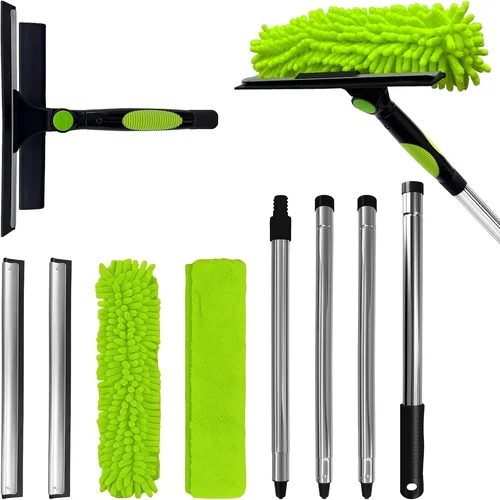
Outdoor TVs have revolutionized the way apartment dwellers enjoy entertainment al fresco. Whether you’re relaxing on a balcony, hosting friends on a rooftop terrace, or unwinding in a shared courtyard, having a weather-resistant television transforms limited outdoor space into a functional living area. However, unlike indoor TVs that sit safely behind closed doors, outdoor models are constantly exposed to the elements—rain, dust, pollen, bird droppings, and temperature swings. This constant exposure means regular cleaning isn’t just about aesthetics; it’s essential for maintaining performance, extending lifespan, and ensuring your investment continues to deliver crisp visuals and reliable operation.
Many apartment residents assume that because their outdoor TV is “weatherproof,” it requires little to no maintenance. That’s a dangerous misconception. While these TVs are built to withstand harsh conditions, they still accumulate grime, moisture residue, and environmental contaminants that can degrade screens, clog ventilation ports, and even corrode internal components over time. Without proper care, you might notice dimming picture quality, unresponsive touch controls (on smart models), or worse—premature failure. This guide exists to demystify outdoor TV cleaning, offering apartment-specific strategies that account for space constraints, shared building rules, and limited access to utilities like water or power outlets.
By the end of this comprehensive guide, you’ll understand exactly how to safely and effectively clean your backyard or balcony TV—no matter the model, brand, or mounting setup. We’ll walk you through essential tools, step-by-step cleaning procedures, seasonal maintenance schedules, and smart prevention tactics. You’ll also learn how to choose the right cleaning products, avoid common mistakes that damage screens, and adapt your routine based on your local climate. Whether you own a full outdoor-rated TV enclosure, a weatherized display, or even an indoor TV in a DIY protective case, this guide will equip you with expert-level knowledge to keep your screen spotless and functional year-round.
The market for outdoor televisions has exploded in recent years, driven by demand from urban renters and homeowners alike. Major brands like Samsung, LG, Sony, and specialized manufacturers such as Seura, SunBriteTV, and Peerless-AV now offer a range of options—from fully sealed outdoor displays to modular enclosures that house standard indoor TVs. These products vary widely in price, durability, and ease of maintenance. Some come with built-in heaters and fans for extreme temperatures, while others rely on passive cooling and hydrophobic coatings. Understanding these differences is crucial when developing a cleaning regimen, as not all screens or housings respond well to the same methods. This guide cuts through the marketing noise to focus on practical, science-backed cleaning techniques that work across all types of outdoor TVs—especially those used in apartment settings where space, noise, and neighbor considerations matter.

What to Look for When Buying Buying Guide
1. Weather Resistance Rating (IP Rating)
The Ingress Protection (IP) rating is the most critical factor when evaluating an outdoor TV’s ability to withstand environmental exposure. This two-digit code indicates how well the device resists dust (first digit) and water (second digit). For apartment balconies or patios, look for a minimum rating of IP55—this means the TV is protected against limited dust ingress and low-pressure water jets from any direction. Higher-end models may offer IP65 or IP66, providing near-total dust protection and resistance to heavy rain or hose-directed water. Avoid TVs with ratings below IP54, as they’re more susceptible to moisture damage and may void warranties if used outdoors without additional enclosures. Always verify the IP rating applies to the entire unit, including ports, vents, and mounting hardware, not just the screen itself.
2. Screen Type and Coating
Outdoor TVs typically use one of three screen technologies: standard LCD, anti-glare LCD, or OLED with specialized outdoor enhancements. Anti-reflective and optically bonded screens are essential for bright environments, as they reduce glare from sunlight and artificial lighting—common issues on reflective balcony surfaces. Additionally, many outdoor models feature hydrophobic or oleophobic coatings that repel water, oil, and fingerprints. These coatings make cleaning easier and reduce streaking, but they can degrade over time with improper cleaning agents. When selecting a TV, prioritize models with durable, factory-applied coatings rather than aftermarket films, which may peel or trap moisture underneath. If you already own a TV without these features, consider using a high-quality screen protector designed for outdoor use.
3. Enclosure Design and Ventilation
Even fully outdoor-rated TVs benefit from thoughtful enclosure design. Look for units with sealed bezels, gasketed seams, and passive or active ventilation systems that prevent condensation buildup. Active systems include internal fans or heaters that regulate temperature and humidity—critical in climates with frequent rain or snow. Passive designs rely on airflow channels and breathable membranes to equalize pressure without letting moisture in. For apartment users, quieter fan systems are preferable to avoid disturbing neighbors. Also, ensure the enclosure allows easy access to ports for cleaning and cable management. Poorly designed enclosures can trap dirt and moisture, leading to mold growth or component corrosion—even if the TV itself is weatherproof.
4. Ease of Access and Mounting Flexibility
In apartment settings, space is often limited, and mounting options may be restricted by building regulations. Choose a TV that can be easily removed or tilted for cleaning without requiring specialized tools or assistance. Wall mounts with quick-release mechanisms or articulating arms allow you to swing the TV away from the wall for thorough backside and vent cleaning. Ceiling mounts should include safety cables and allow rotation. Avoid fixed mounts that leave no clearance behind the TV—this makes dust removal nearly impossible and increases fire risk from blocked ventilation. If your balcony has railings, consider a clamp-style mount that doesn’t require drilling into walls, which may violate lease agreements.
5. Cleaning-Friendly Materials
Not all outdoor TVs are created equal when it comes to surface materials. The frame, bezel, and stand should be made from corrosion-resistant metals like aluminum or stainless steel, or high-grade plastics that won’t crack or yellow under UV exposure. Avoid painted finishes that chip easily—they create rough edges where dirt accumulates and can flake onto the screen. Similarly, rubber gaskets and seals should remain pliable over time; brittle or cracked seals compromise weather resistance and require frequent replacement. When possible, choose models with smooth, non-porous surfaces that wipe clean with minimal effort. Textured or matte finishes may look stylish but tend to trap dust and require more aggressive cleaning.
6. Warranty Coverage for Outdoor Use
Many manufacturers void warranties if indoor TVs are used outdoors, even with third-party enclosures. Always confirm that the warranty explicitly covers outdoor installation and includes protection against moisture, temperature extremes, and corrosion. Some brands, like SunBriteTV, offer comprehensive warranties that include on-site service—a major advantage for apartment dwellers who can’t easily transport heavy units. Check whether the warranty covers cleaning-related damage; using abrasive cloths or chemical cleaners can sometimes invalidate coverage. Keep records of all maintenance activities, as manufacturers may request proof of proper care during claims. A strong warranty not only protects your investment but also signals the manufacturer’s confidence in the product’s durability.
7. Local Climate Considerations
Your geographic location dramatically impacts cleaning frequency and method. Coastal apartments face salt spray, which accelerates corrosion and leaves white residue on screens. Urban environments bring smog, soot, and brake dust that cling to surfaces. In pollen-heavy regions, screens can become coated in yellow film within days. Cold climates risk ice buildup on screens and enclosures, while hot desert areas expose TVs to intense UV radiation that degrades coatings. Choose a TV rated for your specific climate zone—many manufacturers provide regional compatibility charts. If you live in a high-humidity area, prioritize models with internal dehumidifiers or silica gel packs in the enclosure. Understanding your local conditions helps you tailor your cleaning routine for maximum effectiveness.
8. Compatibility with Cleaning Tools
Finally, consider how easily your TV integrates with standard cleaning accessories. Does it have recessed areas that require angled brushes? Are the vents narrow enough to need compressed air? Can the screen be safely cleaned with microfiber cloths, or does it require specialty wipes? Some outdoor TVs come with manufacturer-recommended cleaning kits, which are worth the investment for consistency and safety. Others are designed to work with generic tools found in most households. Avoid models with intricate bezel designs or protruding logos that snag cloths or trap debris. The easier it is to clean, the more likely you’ll do it regularly—and consistency is key to long-term performance.
Different Types of Buying Guide

Common Buying Mistakes to Avoid

❌ Mistake: Using Household Glass Cleaners
Why it’s bad: Products like Windex or generic ammonia-based cleaners can strip anti-reflective and hydrophobic coatings, leaving screens hazy or prone to streaking. Ammonia also degrades plastic components and rubber seals over time, compromising weather resistance.
What to do instead: Use only manufacturer-approved cleaners or distilled water with a drop of mild dish soap. Always test on a small corner first. For tough spots, opt for isopropyl alcohol (70% or less) diluted with water—never apply directly to the screen.
❌ Mistake: Cleaning in Direct Sunlight
Why it’s bad: Sunlight heats the screen, causing cleaning solutions to evaporate too quickly. This leaves behind mineral deposits and streaks, especially if tap water is used. Hot surfaces also increase the risk of thermal shock if cold liquid is applied.
What to do instead: Clean your TV early in the morning, late in the evening, or on cloudy days. If possible, retract awnings or use a shade cloth to create a cooler microclimate during cleaning.
❌ Mistake: Ignoring the Back and Vents
Why it’s bad: Dust and debris accumulate behind the TV and in ventilation grilles, blocking airflow and causing overheating. Over time, this reduces lifespan and can trigger automatic shutdowns during use.
What to do instead: Every 2–3 months, carefully remove the TV from its mount (if feasible) or use a can of compressed air to blow out vents from a safe distance. For enclosures, open access panels and wipe interior surfaces with a dry microfiber cloth.
❌ Mistake: Using Paper Towels or Rough Cloths
Why it’s bad: Paper towels contain wood fibers that scratch delicate screen coatings. Towels with loops or embroidery can snag and leave lint behind. Both reduce clarity and require re-cleaning.
What to do instead: Invest in high-quality microfiber cloths—preferably ones labeled “lens-safe” or “screen-safe.” Use separate cloths for the screen and frame to avoid cross-contamination.
❌ Mistake: Over-Wetting the Screen
Why it’s bad: Excess liquid can seep into seams, ports, or speaker grilles, leading to internal corrosion or short circuits. Even waterproof TVs aren’t designed to be soaked.
What to do instead: Dampen the cloth, not the screen. Wipe gently in straight lines—never in circles—and immediately dry with a second dry microfiber cloth. Avoid spraying liquids directly onto the TV.
❌ Mistake: Skipping Seasonal Deep Cleans
Why it’s bad: Pollen in spring, soot in winter, and salt in coastal areas build up gradually. Without periodic deep cleaning, these residues harden and become difficult to remove, potentially etching the screen.
What to do instead: Schedule quarterly deep cleans using a two-step process: first, dry dust with an electrostatic duster; second, spot-clean with a mild solution. Keep a log to track frequency and results.
❌ Mistake: Assuming All Outdoor TVs Are Equal
Why it’s bad: A TV rated for full backyard exposure may not suit a windy balcony 20 stories up, where debris travels faster and moisture lingers longer. Misjudging environmental stress leads to premature failure.
What to do instead: Consult local weather data and building guidelines. If in doubt, choose a higher IP rating than you think you need—better safe than sorry.
Budget Guidelines: How Much Should You Spend?
Entry-Level ($600–$1,200): This tier includes portable outdoor displays and basic indoor TVs in simple weatherproof enclosures. Expect smaller screens (under 50 inches), limited brightness (under 700 nits), and passive cooling. Ideal for covered balconies with minimal exposure. Cleaning is straightforward, but durability may be lower—replace every 3–5 years.
Mid-Range ($1,200–$2,500): The sweet spot for most apartment dwellers. These models offer 55–65 inch screens, anti-glare coatings, IP55+ ratings, and active temperature control. Brands like Seura and Peerless-AV dominate here. Cleaning requires more care due to advanced coatings, but longevity improves significantly—expect 5–7 years of service with proper maintenance.
Premium ($2,500–$4,000): Designed for serious outdoor entertainment. Features include 4K HDR, 1,000+ nits brightness, full weather sealing, and smart integration. Models from SunBriteTV and Samsung’s Terrace line fall here. Cleaning is more involved but supported by robust materials and accessible designs. Built to last 7–10 years.
Luxury ($4,000+): Top-tier units with commercial-grade components, custom finishes, and integrated audio systems. Often used in luxury condos or rooftop bars. These TVs come with professional installation and maintenance plans. Cleaning should follow strict protocols—consider hiring a technician annually for deep servicing.
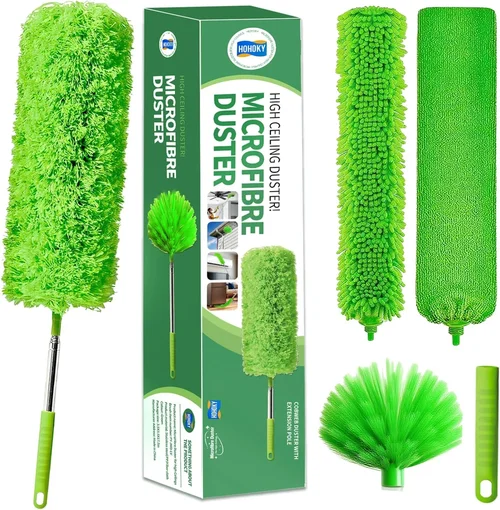
Expert Tips for Getting the Best Deal
- Buy during off-seasons: Retailers discount outdoor electronics in late fall and winter when demand drops. Look for Black Friday, Cyber Monday, and post-holiday sales for up to 30% off.
- Check refurbished programs: Manufacturers like LG and Sony offer certified refurbished outdoor TVs with full warranties at 20–40% below retail. These are often returned units with minor cosmetic flaws but full functionality.
- Bundle with accessories: Some retailers include free cleaning kits, mounts, or extended warranties when you buy a TV and enclosure together. Compare total package value, not just TV price.
- Read real user reviews: Focus on comments about long-term durability and ease of cleaning—not just picture quality. Look for photos of actual installations in similar settings (e.g., high-rise balconies).
- Verify return policies: Outdoor TVs are heavy and expensive to ship. Ensure the seller offers free returns within 30 days in case the unit doesn’t fit or perform as expected.
- Test before finalizing: If buying in-store, ask to see a demo unit powered on outdoors. Check for glare, color accuracy, and fan noise. For online purchases, request a video walkthrough from the seller.
- Negotiate installation: Many dealers include free or discounted installation with purchase—especially valuable in apartments where drilling may require landlord approval.
- Join loyalty programs: Stores like Best Buy and Crutchfield offer points, exclusive discounts, and early access to sales for members. Combine with credit card rewards for maximum savings.
Frequently Asked Questions
Q: Can I use my regular indoor TV outside if I cover it?
A: Technically yes, but it’s risky and usually voids the warranty. Indoor TVs lack proper ventilation, UV-resistant materials, and moisture seals. Even with a cover, condensation can form inside, leading to mold or electrical failure. For occasional use, a high-quality outdoor enclosure is safer—but for daily exposure, invest in a true outdoor model.
Q: How often should I clean my outdoor TV?
A: Light dusting weekly with a dry microfiber cloth. Full cleaning every 2–4 weeks, depending on your environment. In high-pollen or coastal areas, increase frequency to weekly deep cleans during peak seasons.
Q: Is it safe to clean an outdoor TV while it’s plugged in?
A: No. Always unplug the TV and wait 10–15 minutes for capacitors to discharge. Even waterproof units can suffer electrical damage if liquid enters ports during cleaning.
Q: What do I do if my screen has hard water stains?
A: Mix equal parts distilled water and white vinegar. Dampen a cloth (never spray), gently rub the stain, then immediately wipe dry with a clean microfiber cloth. Avoid vinegar on OLED screens—use only distilled water.
Q: Can I pressure wash my outdoor TV?
A: Absolutely not. High-pressure water can force moisture into seams and damage internal components. Even IP66-rated TVs aren’t designed for pressure washing. Use only gentle wiping methods.
Q: My TV has a fan—how do I clean it?
A: Turn off and unplug the TV. Use compressed air to blow dust from the fan vents from at least 6 inches away. Never insert objects into the fan housing. If the fan is noisy or sluggish, contact the manufacturer—it may need professional servicing.
Q: Are there automated cleaning solutions for outdoor TVs?
A: Not currently. While some concept designs include self-cleaning coatings or robotic wipers, no consumer models offer this feature yet. Regular manual cleaning remains the gold standard.
Q: What if my landlord doesn’t allow permanent mounts?
A: Use freestanding stands, railing clamps, or portable enclosures that don’t require drilling. Many are stylish and stable enough for calm conditions. Always get written permission before installation.
Q: Can bird droppings damage my TV?
A: Yes—they’re acidic and can etch screens if left too long. Clean immediately with a damp microfiber cloth. For dried droppings, soften with a warm, wet cloth before gently wiping.
Q: Should I cover my TV when not in use?
A: Only if using a breathable, UV-resistant cover designed for electronics. Plastic tarps trap moisture and promote mold. Most outdoor TVs are built to be left uncovered, but a cover can reduce dust buildup in very dirty areas.
Our Final Recommendations
Best for Budget-Conscious Buyers: TCL 55″ Class 4-Series Outdoor Smart TV in Peerless-AV Enclosure – Combines affordability with solid weather protection. Easy to clean thanks to smooth surfaces and accessible vents. Great for covered patios.
Best Overall Value: SunBriteTV Veranda Series 55″ – Excellent brightness, true outdoor rating, and user-friendly design. Includes a 3-year warranty and resists glare even on sunny balconies.
Best Premium Option: Samsung The Terrace 65″ Full Sun Outdoor TV – Top-tier picture quality, robust build, and smart features. Built-in anti-reflection tech makes cleaning easier and more effective.
Best for Beginners: Seura 50″ Shadow Series – Simple setup, quiet operation, and intuitive maintenance. Ideal for first-time outdoor TV owners who want reliability without complexity.
Best for Advanced Users: Custom-Built Enclosure with LG OLED CX + Climate Control – For tech enthusiasts who want maximum customization. Requires more cleaning effort but delivers unparalleled image quality in controlled outdoor spaces.
Conclusion: Making the Right Choice
Keeping your apartment’s outdoor TV clean isn’t just about maintaining a pretty view—it’s a vital part of preserving functionality, safety, and value. From understanding IP ratings to mastering the art of gentle wiping, this guide has equipped you with the knowledge to treat your outdoor display with the care it deserves. Remember, consistency beats intensity: a few minutes of weekly maintenance prevents hours of frustration down the line. Prioritize your specific needs—whether that’s battling coastal salt, urban grime, or seasonal pollen—and choose tools and routines that fit your lifestyle and space constraints.
Don’t let misinformation or laziness shorten your TV’s lifespan. Invest in the right products, follow proven techniques, and schedule regular check-ups like you would for any other valuable appliance. Your outdoor oasis deserves a crystal-clear centerpiece, and with the right approach, your TV will deliver stunning performance for years to come. Now go enjoy that sunset—on a spotless screen.

