
Outdoor living spaces have evolved far beyond simple patios and decks. Screened porches, in particular, have become year-round extensions of our homes—perfect for relaxing with a morning coffee, hosting friends for a game night, or catching up on your favorite show while enjoying the breeze. But bringing entertainment outdoors comes with unique challenges. Standard indoor TVs simply aren’t built to handle temperature swings, humidity, dust, or even indirect sunlight. That’s where weatherproof TVs come in.
This guide is designed for homeowners, outdoor enthusiasts, and smart buyers who want to invest in a television that can thrive in a screened porch environment. Whether you’re upgrading from an old indoor model or installing your first outdoor display, you’ll learn exactly what to look for—from IP ratings and screen brightness to mounting options and smart features. We’ll walk you through the key factors that separate a durable outdoor TV from a fragile indoor one, compare different types available in 2026, highlight common pitfalls, and offer expert-backed advice to help you make a confident, informed decision.
The market for weatherproof TVs has matured significantly in recent years. What once was a niche category dominated by a handful of premium brands now includes more accessible options across multiple price points. However, not all “outdoor” TVs are created equal. Some are merely indoor models sold with a weatherproof cover, while others are engineered from the ground up for outdoor use. With so many choices—and so much at stake if you get it wrong—this guide will cut through the noise and deliver actionable insights tailored specifically to screened porch installations.

What to Look for When Buying a Weatherproof TV for Your Screened Porch
1. IP Rating and Weather Resistance
The Ingress Protection (IP) rating is the single most important specification when choosing a weatherproof TV. It tells you how well the television resists dust and moisture. For screened porches—which offer protection from rain and snow but still expose your TV to humidity, condensation, and airborne particles—you need at least an IP54 rating. However, for maximum longevity and peace of mind, aim for IP55 or higher.
An IP55 rating means the TV is protected against dust (limited ingress, no harmful deposits) and low-pressure water jets from any direction. This is ideal for a screened porch where you might occasionally hose down the area or experience high humidity during summer months. Avoid TVs labeled only as “weather-resistant” without a clear IP rating—these are often indoor models with minimal shielding and won’t withstand prolonged outdoor exposure.
2. Screen Brightness and Anti-Glare Technology
One of the biggest challenges with outdoor viewing is ambient light. Even in a screened porch, sunlight reflecting off windows or nearby surfaces can wash out your picture. Standard indoor TVs typically range from 300 to 500 nits of brightness—far too dim for comfortable outdoor viewing. For a screened porch, you’ll want a minimum of 700 nits, but ideally 1,000 nits or more.
Look for TVs with high-brightness LED or OLED panels specifically engineered for outdoor use. Many premium models feature anti-reflective coatings and optically bonded glass that reduce glare without sacrificing color accuracy. Some also include automatic brightness sensors that adjust based on ambient light conditions—keeping the image vivid during the day and reducing eye strain at night.
Don’t confuse brightness with backlight intensity alone. True outdoor performance requires a combination of high luminance, wide color gamut, and advanced local dimming. For example, Samsung’s The Terrace series uses Quantum Dot technology with up to 2,000 nits peak brightness, making it readable even under direct sun exposure—though for a screened porch, 1,000–1,500 nits is usually sufficient.
3. Thermal Management and Operating Temperature Range
Outdoor TVs must operate reliably across a wide temperature spectrum. A screened porch may feel cozy to you, but electronics don’t share your comfort zone. Most indoor TVs are rated for 32°F to 95°F (0°C to 35°C). In contrast, quality weatherproof models are built to function from -22°F to 122°F (-30°C to 50°C).
This expanded range is achieved through robust thermal management systems. These include passive heat sinks, active cooling fans (quietly integrated), and sometimes internal heaters for cold climates. Without proper thermal regulation, components can overheat in summer or fail to start in winter—even in a covered space.
When evaluating a model, check the manufacturer’s stated operating temperature range. Also look for certifications like UL Listed for outdoor use or compliance with IEC 60065 (audio/video equipment safety standards). Avoid brands that only mention “suitable for covered patios” without specifying thermal tolerances—they may cut corners on internal protection.
4. Build Quality and Materials
A weatherproof TV isn’t just about electronics—it’s about construction. The chassis should be made from corrosion-resistant materials like powder-coated aluminum or marine-grade stainless steel. Plastic housings, even if labeled “weatherproof,” tend to degrade under UV exposure and can become brittle over time.
Pay attention to port covers and cable entry points. High-end models feature rubber-gasketed input panels that seal tightly when cables are connected. This prevents moisture and insects from entering through HDMI, USB, or power ports. Some brands even include pre-routed cable channels to keep wires organized and protected.
Also consider the screen itself. Tempered glass is standard, but look for laminated or optically bonded displays. These reduce internal reflections and improve durability against impacts (like a stray frisbee or falling branch). Avoid TVs with exposed screws or seams—these are weak points where water can seep in.
5. Smart Features and Connectivity
Just because it’s an outdoor TV doesn’t mean it should lack modern conveniences. Most buyers today expect smart functionality—streaming apps, voice control, and seamless integration with home ecosystems. Fortunately, leading weatherproof TVs now include full smart platforms like Google TV, webOS, or Roku.
Ensure the TV supports Wi-Fi 6 or at least dual-band Wi-Fi for stable streaming in outdoor environments where signal strength may be weaker. Bluetooth connectivity is also useful for pairing wireless speakers or headphones without running extra cables.
HDMI ports are essential—aim for at least two, preferably HDMI 2.1 for future-proofing (supporting 4K/120Hz and VRR). If you plan to connect a soundbar or AV receiver, verify that ARC/eARC is supported. Some models even include built-in speakers optimized for outdoor acoustics, though external audio is usually recommended for better sound quality.
6. Mounting Options and Flexibility
How you mount your TV affects both viewing comfort and longevity. Screened porches often have sloped ceilings, pillars, or limited wall space, so flexibility is key. Look for VESA-compatible mounting (standard sizes like 200×200, 400×400, or 600×400) and ensure the TV comes with or supports full-motion, tilt, or swivel brackets.
Some manufacturers offer proprietary outdoor mounts designed specifically for their models—these often include integrated cable management and enhanced weather sealing. Third-party mounts can work too, but verify they’re rated for outdoor use and can support the TV’s weight (which is typically heavier than indoor equivalents due to reinforced construction).
Consider ceiling mounts if wall space is limited. Many screened porches have exposed beams or rafters that make overhead installation ideal. Just ensure the mount allows for downward tilt to avoid neck strain during viewing.
7. Brand Reputation and Ecosystem Integration
Not all brands treat outdoor TVs as a core product line. Stick with manufacturers known for reliability and long-term support. In 2026, top contenders include Samsung (The Terrace), SunBriteTV (Veranda and Pro series), LG (OLED Flex Outdoor), and Seura (Frame and Mirror TVs). These companies invest in R&D for outdoor-specific challenges and offer consistent firmware updates.
Ecosystem integration matters too. If you already use Samsung SmartThings, Apple HomeKit, or Google Assistant, choosing a compatible TV simplifies setup and control. Some models even support Matter, the new universal smart home standard, ensuring future compatibility.
Avoid unknown brands sold exclusively through third-party marketplaces. They often lack proper certifications, spare parts, or customer service. A weatherproof TV is a long-term investment—don’t gamble on unproven vendors.
8. Warranty and Customer Support
Outdoor electronics come with higher risk, so warranty coverage is critical. Most reputable brands offer 2–3 years of comprehensive warranty that includes both parts and labor, sometimes with on-site service. Look for warranties that explicitly cover outdoor use—some indoor TV warranties become void if installed outside.
Check what support channels are available: phone, email, live chat, or local service centers. Brands like SunBriteTV provide dedicated outdoor support teams familiar with installation quirks and environmental factors. Also verify whether the warranty covers accidental damage or power surges (common in outdoor setups).
Finally, read the fine print. Some warranties require professional installation or annual maintenance checks. While this adds cost, it ensures your TV remains protected and performs optimally year after year.
Different Types of Weatherproof TVs

For a screened porch, the All-Weather Partial Sun category is typically the sweet spot. These models are engineered for shaded or partially shaded outdoor areas and offer the right balance of brightness, durability, and price. They’re overbuilt compared to indoor TVs but more affordable than full-sun models meant for direct exposure.
Common Buying Mistakes to Avoid
❌ Mistake: Buying an Indoor TV and Assuming It’s Fine Behind Screens
Why it’s bad: Screens don’t eliminate humidity, temperature swings, or dust. Indoor TVs lack sealed components, thermal regulation, and corrosion-resistant materials. Even brief exposure to moisture can cause circuit board corrosion or capacitor failure.
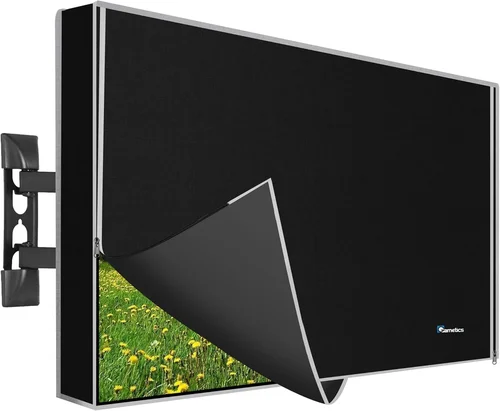
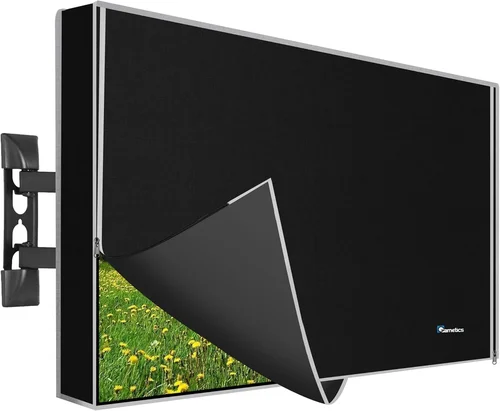
What to do instead: Invest in a purpose-built outdoor TV or use a certified weatherproof enclosure. If budget is tight, choose a mid-tier all-weather model—it will last years longer than a compromised indoor unit.
❌ Mistake: Ignoring the IP Rating
Why it’s bad: Without a proper IP rating, you have no objective measure of protection. Marketing terms like “weather-resistant” or “outdoor-ready” are meaningless without certification.
What to do instead: Always verify the IP code (e.g., IP55). Cross-check with independent reviews or ask the seller for test documentation.
❌ Mistake: Overlooking Brightness Requirements
Why it’s bad: A dim screen turns your porch into a frustrating viewing experience. You’ll constantly adjust seating or angle the TV to avoid glare.
What to do instead: Measure ambient light in your porch at peak sun times. Aim for at least 1,000 nits if you watch during daylight hours.
❌ Mistake: Skimping on Mounting Hardware
Why it’s bad: Standard indoor mounts aren’t rated for outdoor conditions. Rust, loosening screws, or inadequate weight capacity can lead to catastrophic failure.
What to do instead: Use marine-grade stainless steel hardware and mounts specifically labeled for outdoor use. Consider professional installation for peace of mind.
❌ Mistake: Forgetting About Audio
Why it’s bad: Most outdoor TVs have underwhelming built-in speakers. Wind, distance, and ambient noise make dialogue hard to hear.
What to do instead: Pair your TV with weatherproof outdoor speakers or a soundbar. Look for models with optical or Bluetooth output for easy connectivity.
❌ Mistake: Neglecting Power Protection
Why it’s bad: Outdoor electrical systems are prone to surges from lightning or grid fluctuations. Unprotected TVs can be fried in seconds.
What to do instead: Install a whole-house surge protector and use a high-quality outdoor power strip with MOV (metal oxide varistor) protection.
❌ Mistake: Not Planning for Cable Management
Why it’s bad: Exposed cables invite moisture, pests, and tripping hazards. They also degrade faster when exposed to UV light.
What to do instead: Use conduit, cable raceways, or in-wall wiring (if permitted). Choose outdoor-rated HDMI and power cables with UV-resistant jackets.
Budget Guidelines: How Much Should You Spend?
Entry-Level ($800–$1,500): This range typically includes indoor TVs paired with third-party weatherproof enclosures or basic all-weather models with lower brightness (500–700 nits). Suitable for fully shaded porches used primarily at night. Expect shorter lifespans and limited smart features.
Mid-Range ($1,500–$3,500): The sweet spot for most screened porch owners. These TVs offer true outdoor engineering—IP55 rating, 1,000+ nits brightness, robust thermal management, and full smart platforms. Brands like SunBriteTV Veranda and Samsung The Terrace Lite fall here. Expect 5–7 years of reliable service with proper care.
Premium ($3,500–$6,000): Designed for enthusiasts who demand top-tier performance. Features include 1,500–2,000 nits brightness, OLED or QLED panels, advanced anti-glare, and premium materials. Ideal if your porch gets dappled sunlight or you want cinematic quality outdoors. Models like LG’s OLED Flex Outdoor and Seura Frame TVs dominate this tier.
Luxury ($6,000+): For those who want the absolute best—or unique designs like mirror TVs that disappear when off. These include commercial-grade durability, 24/7 operation capability, and bespoke finishes. Often used in high-end homes or hospitality settings.
Expert Tips for Getting the Best Deal
- Buy during off-seasons: Prices drop significantly in late fall and winter (November–February) when outdoor living demand declines. Many retailers clear inventory before spring launches.
- Check manufacturer refurbished programs: Samsung, SunBriteTV, and LG offer certified refurbished outdoor TVs with full warranties at 20–30% off retail.
- Bundle with installation: Some dealers include free or discounted professional mounting when you purchase the TV. This ensures proper sealing and alignment.
- Negotiate extended warranties: Outdoor TVs often qualify for discounted multi-year plans. Ask if they include accidental damage or power surge coverage.
- Compare total cost of ownership: A cheaper TV may need replacement in 3 years, while a premium model lasts 8+. Factor in longevity, not just upfront price.
- Read real user reviews: Look for feedback from buyers who installed in similar environments (e.g., “screened porch in Florida” vs. “open deck in Arizona”).
- Verify return policies: Ensure you can return the TV if it doesn’t perform as expected in your specific conditions. Some retailers offer 30–60 day trial periods.
- Consider energy efficiency: High-brightness TVs consume more power. Look for ENERGY STAR ratings or models with eco modes to reduce long-term costs.
Frequently Asked Questions
Q: Can I use a regular TV in a screened porch if I cover it?
A: Technically yes, but it’s not recommended for long-term use. Covers trap heat and moisture, creating a greenhouse effect that accelerates component failure. Plus, most covers block IR signals, making remote control unreliable. A purpose-built outdoor TV is a safer, more reliable investment.
Q: Do weatherproof TVs need special power outlets?
A: Not necessarily, but they should be connected to a GFCI (Ground Fault Circuit Interrupter) outlet for safety, especially in damp areas. Always follow local electrical codes and consider hiring a licensed electrician.
Q: How do I clean a weatherproof TV screen?
A: Use a microfiber cloth slightly dampened with distilled water. Avoid ammonia-based cleaners or abrasive materials. For the housing, wipe with a mild soap solution and dry thoroughly.
Q: Will a weatherproof TV work in freezing temperatures?
A: Yes, if it’s rated for low-temperature operation (typically -22°F or lower). Many include internal heaters that activate automatically in cold conditions to prevent startup issues.
Q: Can I mount a weatherproof TV on a ceiling?
A: Absolutely. Most models support VESA mounting, and ceiling brackets are widely available. Just ensure the mount allows for downward tilt and is rated for the TV’s weight.
Q: Do outdoor TVs come with built-in heaters or coolers?
A: Many do. Premium models include active thermal management—fans for cooling in summer and heaters for winter. This is a key differentiator from indoor TVs.
Q: Are weatherproof TVs louder than indoor ones?
A: Not inherently, but their speakers are often tuned for outdoor acoustics (wider dispersion, less bass). For best results, pair with external outdoor speakers.
Q: Can I use streaming devices like Apple TV or Roku with a weatherproof TV?
A: Yes, but protect the device in a weatherproof media box or choose a model with built-in streaming (most modern outdoor TVs include this).
Q: How long do weatherproof TVs typically last?
A: With proper installation and maintenance, 7–10 years is common. Harsh climates may shorten this, but quality models are built to outlast standard indoor TVs.
Q: Is professional installation worth it?
A: Highly recommended. Professionals ensure proper sealing, cable routing, and compliance with safety codes. Many offer warranties on their work, adding another layer of protection.
Our Final Recommendations
Best for Budget-Conscious Buyers: SunBriteTV Veranda Series (55-inch) – At around $2,200, it delivers true outdoor performance with IP55 rating, 1,000 nits brightness, and reliable thermal management. A no-compromise entry into outdoor viewing.
Best Overall Value: Samsung The Terrace Partial Sun (65-inch) – Priced near $3,000, it combines QLED color, 1,500 nits brightness, Google TV, and sleek design. Excellent for daytime and nighttime use in a screened porch.
Best Premium Option: LG OLED Flex Outdoor (55-inch) – With self-lit pixels, infinite contrast, and 2,000 nits peak brightness, this is the closest you’ll get to indoor OLED quality outdoors. Ideal for movie lovers who refuse to compromise.
Best for Beginners: Seura Frame TV (50-inch) – Doubles as wall art when off, making it perfect for design-conscious homeowners new to outdoor tech. Easy setup and reliable performance.
Best for Advanced Users: SunBriteTV Pro Series (75-inch) – Built for 24/7 operation with military-grade durability, this model suits tech-savvy users who want maximum control, customization, and longevity.
Conclusion: Making the Right Choice
Choosing a weatherproof TV for your screened porch isn’t just about buying a screen—it’s about investing in a durable, high-performance centerpiece for your outdoor living space. By prioritizing IP ratings, brightness, thermal resilience, and build quality, you’ll avoid costly mistakes and enjoy years of reliable entertainment. Remember, a screened porch is still an outdoor environment: humidity, temperature swings, and ambient light demand specialized engineering.
Don’t let marketing buzzwords or low prices lure you into a false sense of security. Stick with reputable brands, verify specifications, and plan for the full installation—including mounting, audio, and power protection. Whether you’re watching sunset movies with family or catching the big game with friends, the right weatherproof TV will transform your porch into a true extension of your home.
Take your time, compare options using the criteria in this guide, and prioritize your specific needs. With the right choice, you’ll wonder how you ever lived without outdoor TV. Happy viewing!

