
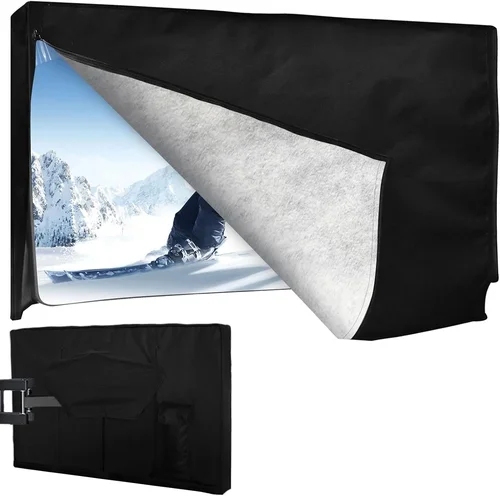
Outdoor living spaces have evolved dramatically over the past decade. What was once a simple patio or backyard has transformed into a fully functional extension of the home—complete with grills, fire pits, sound systems, and yes, outdoor TVs. But not all outdoor TVs are created equal, especially when it comes to enduring harsh winter conditions. If you live in a region where temperatures regularly dip below freezing—whether you’re in Minnesota, Colorado, Ontario, or the Swiss Alps—you need a television specifically engineered to withstand cold weather, snow, ice, and temperature fluctuations. Standard indoor TVs will fail quickly in such environments, often cracking, freezing, or suffering permanent damage within a single season.
That’s where weatherproof TVs designed for cold climates come in. These specialized displays are built with ruggedized components, thermal management systems, and protective enclosures that allow them to operate reliably in sub-zero temperatures. Whether you’re watching the Super Bowl from your heated gazebo, catching up on news while shoveling snow, or enjoying a movie night under the stars during a crisp winter evening, a cold-weather-rated outdoor TV ensures your entertainment doesn’t stop when the mercury drops. This guide is designed to help you navigate the complex world of weatherproof TVs with a focus on cold-weather performance, so you can make an informed decision that balances durability, picture quality, features, and value.
In this comprehensive buyer’s guide, you’ll learn everything you need to know about choosing the right weatherproof TV for cold climates. We’ll break down the critical factors to consider—from temperature ratings and build materials to display technology and smart features—and compare the different types of outdoor TVs available today. You’ll also discover common pitfalls to avoid, budget guidelines, expert shopping tips, and answers to frequently asked questions. Whether you’re a first-time buyer or upgrading from an older model, this guide will equip you with the knowledge to invest wisely in a TV that performs flawlessly year-round, no matter how cold it gets outside.

What to Look for When Buying Buying Guide
1. Temperature Operating Range
One of the most critical factors when selecting a weatherproof TV for cold weather is its certified operating temperature range. Unlike indoor TVs, which typically function between 32°F and 104°F (0°C to 40°C), outdoor models must be rated for much lower temperatures. Look for TVs explicitly labeled as “all-weather,” “cold-climate,” or “winter-rated,” with a minimum operating temperature of at least -22°F (-30°C). Some premium models can even operate down to -40°F (-40°C), making them ideal for extreme northern climates.
Why does this matter? LCD and LED screens rely on liquid crystals and backlighting systems that can freeze or become sluggish in extreme cold. If a TV isn’t designed for low temperatures, the screen may appear dim, unresponsive, or completely black until it warms up—defeating the purpose of having an outdoor display. Additionally, internal components like capacitors and circuit boards can fail prematurely if exposed to repeated freeze-thaw cycles without proper protection.
Always check the manufacturer’s specifications for both operating and storage temperature ranges. For example, a TV might operate down to -22°F but only be safe to store at -4°F. If you plan to leave the TV outside year-round, ensure both ranges meet your climate needs. Brands like SunBriteTV, Samsung Terrace, and Seura publish detailed environmental specs, so prioritize models with transparent, third-party tested data.
2. Display Technology & Brightness
Outdoor visibility is paramount, especially in winter when daylight hours are shorter and glare from snow can wash out screens. Most weatherproof TVs use either direct-lit LED or full-array LED backlighting with high brightness levels measured in nits. For cold-weather use, aim for a minimum of 700 nits, but ideally 1,000 nits or higher. This ensures the image remains vivid and legible even on sunny winter days or under overcast skies.
OLED technology, while offering superior contrast and color accuracy, is generally not recommended for outdoor use due to susceptibility to burn-in and lower peak brightness compared to high-end LED models. Instead, look for quantum dot-enhanced LEDs (QLED) or mini-LED backlighting, which deliver vibrant colors and excellent brightness without compromising longevity. Anti-reflective coatings are also essential—they reduce glare from snow, ice, and low-angle winter sun, improving viewing angles and clarity.
Another consideration is screen finish. Matte or anti-glare finishes are standard on outdoor TVs and help diffuse ambient light. Avoid glossy screens, which reflect too much light and become nearly unusable in bright conditions. Some models also feature automatic brightness adjustment based on ambient light sensors, which optimizes energy use and extends component life in fluctuating winter conditions.
3. Build Quality & Durability
Weatherproof TVs must endure not just cold, but also moisture, dust, UV exposure, and physical impacts. The enclosure should be constructed from marine-grade aluminum or powder-coated steel to resist rust and corrosion. Look for an IP (Ingress Protection) rating of at least IP55, which means the TV is protected against dust and low-pressure water jets from any direction. For harsher environments—especially coastal areas or regions with heavy snowfall—consider IP65 or higher.
The screen itself should be protected by tempered glass or polycarbonate with UV inhibitors to prevent yellowing or cracking over time. Internal components must be sealed against condensation, which can form when cold air meets warm electronics during startup. High-quality models often include hydrophobic coatings and desiccant packs to absorb moisture. Additionally, all ports and connectors should be covered by rubber gaskets or flip-up doors to prevent ice buildup and corrosion.
Durability also extends to mounting hardware. Ensure the TV comes with a compatible outdoor-rated wall mount or ceiling bracket that can support the weight and withstand wind loads. Some manufacturers offer integrated mounting systems designed specifically for their models, which simplify installation and enhance stability.
4. Thermal Management System
Cold-weather TVs require sophisticated thermal management to prevent overheating during operation and freezing during idle periods. Unlike indoor TVs, which rely on passive cooling, outdoor models often include active heating and cooling systems. A built-in heater warms the internal components when temperatures drop below a certain threshold—typically around 32°F—ensuring the screen and electronics remain functional.
These heaters are usually thermostatically controlled, meaning they only activate when needed, which helps conserve energy and prolong component life. Some advanced models feature dual-zone heating: one for the screen and another for the internal electronics. This prevents thermal stress and ensures consistent performance. Conversely, during summer months, ventilation fans or heat sinks dissipate excess heat to avoid overheating.
It’s important to verify whether the TV includes a heater as standard or if it’s an optional add-on. While most premium cold-weather TVs include integrated heating, some budget models may require a separate heater kit, which adds cost and complexity. Also, check power consumption—heating elements can increase energy use by 50–100 watts, so factor this into your electrical planning.
5. Smart Features & Connectivity
Modern outdoor TVs are no longer just dumb displays—they come equipped with smart platforms, streaming apps, and robust connectivity options. Look for models running Android TV, webOS, or Roku OS, which offer access to Netflix, Disney+, YouTube, and other popular services. Built-in Wi-Fi (preferably dual-band 2.4GHz/5GHz) ensures reliable streaming even in areas with weak signals.
Connectivity is crucial for versatility. Ensure the TV has multiple HDMI ports (at least two, preferably three), USB inputs for media playback, and audio outputs for external speakers or soundbars. Some models include weatherproof cable glands or pass-through ports that allow you to run cables through the back without compromising the seal. Ethernet ports are also valuable for stable wired connections, especially in remote locations.
Voice control via Google Assistant or Amazon Alexa is a nice-to-have feature, but consider whether microphones and speakers will function reliably in windy or snowy conditions. If you plan to use voice commands frequently, opt for a model with external microphone support or pair it with a weather-resistant smart speaker.
6. Size & Viewing Distance
Choosing the right screen size depends on your outdoor setup and typical viewing distance. For patios, decks, or small gazebos, a 43- to 55-inch TV is usually sufficient. For larger spaces like backyard theaters or covered porches, consider 65 inches or larger. Use the 1.5x rule as a guideline: multiply your seating distance (in inches) by 1.5 to determine the ideal screen size. For example, if you’re sitting 8 feet (96 inches) away, a 55-inch TV (96 ÷ 1.5 ≈ 64 inches) would be appropriate.
Keep in mind that larger screens require more power and generate more heat, which can affect thermal management. Also, ensure your mounting location can accommodate the TV’s dimensions and weight. Some manufacturers offer slim-profile designs that reduce wind resistance and visual bulk.
Portability is less of a concern for permanent installations, but if you plan to move the TV between locations (e.g., from a garage to a patio), consider models with built-in handles or lighter-weight frames. However, most cold-weather TVs are designed for fixed mounting due to their robust construction.
7. Brand Reputation & Reliability
Not all outdoor TV brands are equal. Established players like SunBriteTV, Samsung (with its Terrace line), Seura, and Peerless-AV have years of experience engineering displays for extreme environments. These companies invest heavily in R&D, testing their products in real-world conditions, and often provide detailed technical documentation and customer support.
Avoid generic or off-brand “outdoor TVs” sold on online marketplaces without verifiable certifications or reviews. These may use indoor TVs in plastic enclosures, which offer minimal protection and are prone to failure. Look for brands that publish independent test results, such as MIL-STD-810G compliance for shock and vibration resistance or UL certification for safety.
Customer service is another differentiator. Premium brands typically offer dedicated support lines, extended warranties, and replacement parts availability. Check online forums and review sites for user experiences—especially regarding cold-weather performance and long-term reliability.
8. Warranty & Support
A strong warranty is a hallmark of a quality weatherproof TV. Most reputable manufacturers offer at least a 2-year limited warranty, with some extending coverage to 3 or even 5 years. Pay attention to what’s covered: does it include labor, parts, and on-site service? Is the warranty valid only if installed by a certified technician?
Some brands offer enhanced warranties for cold-weather use, such as coverage for heater failures or screen damage due to freezing. Others provide optional service plans that include annual inspections and cleaning. Always register your product promptly and keep installation records, as warranties may be voided if the TV is improperly mounted or exposed to conditions beyond its rating.
Support resources matter too. Look for brands that offer detailed installation guides, video tutorials, and responsive customer service. Online communities and user forums can also be valuable for troubleshooting and maintenance tips.
Different Types of Buying Guide

Common Buying Mistakes to Avoid
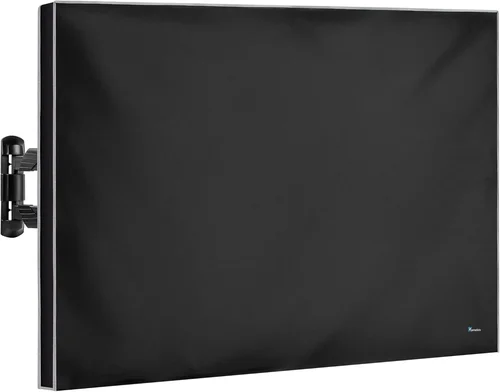
❌ Mistake: Assuming All “Outdoor” TVs Are Cold-Weather Rated
Why it’s bad: Many TVs marketed as “outdoor” are only designed for mild climates and lack the heating systems or low-temperature certifications needed for freezing conditions. Using one in sub-zero temps can lead to screen failure, frozen pixels, or complete shutdown.
What to do instead: Always verify the operating temperature range in the product specs. Look for explicit mentions of “cold climate,” “winter use,” or “-22°F rating.” When in doubt, contact the manufacturer directly.
❌ Mistake: Skimping on Mounting Hardware
Why it’s bad: Standard indoor mounts aren’t built to handle wind loads, snow weight, or thermal expansion. A poorly mounted TV can detach, crack, or become misaligned, posing a safety hazard.
What to do instead: Invest in a certified outdoor mount from the TV manufacturer or a trusted third party. Ensure it’s rated for your TV’s weight and includes tilt/swivel options for optimal viewing angles.
❌ Mistake: Ignoring Power Requirements
Why it’s bad: Cold-weather TVs with heaters draw significantly more power—sometimes doubling energy consumption. Overloading circuits or using undersized extension cords can cause tripped breakers or fire risks.
What to do instead: Consult an electrician to assess your outdoor power setup. Use dedicated circuits, weatherproof outlets (GFCI-protected), and heavy-duty cables rated for outdoor use.
❌ Mistake: Overlooking Condensation Management
Why it’s bad: Rapid temperature changes can cause condensation inside the TV, leading to corrosion, short circuits, or foggy screens. This is especially common when bringing a cold TV indoors or during sudden thaws.
What to do instead: Choose models with sealed compartments, desiccants, and slow-start circuits that gradually warm components. Avoid moving the TV between extreme temperatures frequently.
❌ Mistake: Buying Based Solely on Price
Why it’s bad: Cheap outdoor TVs often use indoor panels in flimsy enclosures. They may work for a season or two but fail prematurely in harsh winters, costing more in replacements and frustration.
What to do instead: Prioritize build quality, certifications, and warranty over initial cost. A $2,500 TV that lasts 10 years is better value than a $1,000 model that fails in 2.
❌ Mistake: Neglecting Regular Maintenance
Why it’s bad: Snow buildup, ice dams, and debris can block vents, damage seals, or scratch screens. Without cleaning, performance degrades and lifespan shortens.
What to do instead: Schedule bi-annual inspections—before winter and after spring. Gently remove snow with a soft brush, clean the screen with microfiber cloths, and check seals for cracks.
Budget Guidelines: How Much Should You Spend?
- Entry-Level ($800 – $1,500): These are typically indoor TVs in basic weatherproof enclosures. They may lack heating systems and have limited cold-weather ratings (down to 23°F). Best for covered patios in mild winter zones or seasonal use. Expect shorter lifespans and fewer smart features.
- Mid-Range ($1,500 – $3,000): The sweet spot for most homeowners. These TVs offer true all-weather construction, built-in heaters, 700–1,000 nits brightness, and reliable smart platforms. Brands like SunBriteTV Veranda and Samsung Terrace fall here. Ideal for permanent installations in cold climates.
- Premium ($3,000 – $5,000): Designed for enthusiasts and professionals. Features include mini-LED backlighting, IP65+ ratings, advanced thermal management, and extended warranties. Models like SunBriteTV Pro Series or Seura Outdoor deliver cinema-quality images and 10+ year lifespans.
- Luxury ($5,000+): Top-tier commercial-grade displays with 24/7 operation capability, ultra-high brightness (1,500+ nits), and custom integration options. Used in luxury resorts, stadiums, or high-end residential projects. Overkill for most home users but unmatched in durability and performance.
Expert Tips for Getting the Best Deal
- Buy in Late Summer or Early Fall: Retailers often discount outdoor TVs before winter inventory arrives. Look for Labor Day, Black Friday, or end-of-season sales.
- Bundle with Accessories: Some dealers offer free mounts, cables, or extended warranties with purchase. Compare total package value, not just TV price.
- Check Manufacturer Rebates: Brands like Samsung and SunBriteTV occasionally run rebate programs, especially for trade-ins or multi-unit purchases.
- Consider Certified Refurbished Models: Reputable sellers offer refurbished outdoor TVs with full warranties at 20–30% off retail. Ensure they include original heating systems and seals.
- Negotiate Installation Services: Many retailers provide free or discounted installation if you buy the TV and mount together. This ensures proper setup and warranty compliance.
- Read Real User Reviews: Focus on reviews from buyers in similar climates. Look for comments about cold-weather performance, heater reliability, and long-term durability.
- Verify Return Policies: Outdoor TVs are bulky and expensive to return. Choose retailers with at least 30-day return windows and free return shipping.

Frequently Asked Questions
Q: Can I use a regular TV outdoors in winter if it’s under a covered patio?
A: Not recommended. Even under cover, temperature swings, humidity, and condensation can damage indoor TVs. Only use TVs specifically rated for outdoor or cold-weather use.
Q: Do cold-weather TVs consume a lot of electricity?
A: Yes, especially when the heater is active. Expect an additional 50–100 watts during cold starts. However, modern models use thermostats to minimize runtime, keeping average usage reasonable.
Q: How do I clean my outdoor TV screen in winter?
A: Use a soft, dry microfiber cloth to remove snow and ice. For stubborn grime, lightly dampen the cloth with distilled water—never spray liquid directly on the screen. Avoid abrasive cleaners.
Q: Will my outdoor TV work during a snowstorm?
A: Yes, if it’s properly rated. The heater keeps internal components warm, and the screen remains functional. However, heavy snow may temporarily obscure the view—gentle brushing helps.
Q: Can I leave my outdoor TV outside all year?
A: Absolutely, if it’s designed for year-round use. Most cold-weather models are built to withstand summer heat, rain, and winter cold without degradation.
Q: What happens if my TV freezes?
A: If the screen goes black or unresponsive, don’t panic. Turn it off, let it warm up naturally (don’t use hair dryers), and restart once above 32°F. Permanent damage is rare with proper models.
Q: Are outdoor TVs compatible with soundbars?
A: Yes, most support audio output via HDMI ARC, optical, or Bluetooth. Choose weather-resistant soundbars or install indoor speakers in a sheltered location.
Q: Do I need a special internet connection for streaming?
A: A strong Wi-Fi signal is essential. Consider a weatherproof outdoor Wi-Fi extender or mesh network to ensure reliable streaming in remote areas.
Our Final Recommendations
- Best for Budget-Conscious Buyers: SunBriteTV Veranda Series – Offers solid cold-weather performance, 700 nits brightness, and built-in heating starting around $1,800. Great value for permanent installations.
- Best Overall Value: Samsung The Terrace – Combines QLED color, 1,500 nits brightness, IP55 rating, and smart features. Priced around $2,500–$3,500, it’s a top choice for most homeowners.
- Best Premium Option: SunBriteTV Pro Series – Mini-LED technology, IP65 rating, and operation down to -22°F. Ideal for luxury outdoor theaters and extreme climates.
- Best for Beginners: Seura Outdoor TV – User-friendly setup, excellent customer support, and reliable performance. Comes with comprehensive installation guides.
- Best for Advanced Users: Peerless-AV Xtreme – Commercial-grade build, customizable configurations, and 24/7 operation capability. Perfect for tech-savvy users wanting maximum control.
Conclusion: Making the Right Choice
Choosing a weatherproof TV for cold weather isn’t just about finding a screen that works outside—it’s about investing in a durable, high-performance system engineered to thrive in harsh conditions. From temperature ratings and thermal management to brightness and build quality, every detail matters when the thermometer drops. By prioritizing your specific needs—whether it’s budget, size, smart features, or extreme durability—you can find a TV that delivers stunning visuals and reliable performance season after season.
Remember, the cheapest option is rarely the best long-term solution. A well-chosen cold-weather TV enhances your outdoor living experience, adds value to your home, and provides years of entertainment without constant repairs or replacements. Use this guide to compare models, avoid common pitfalls, and make a confident purchase. And when in doubt, consult with a certified outdoor AV installer who understands local climate challenges.
Your perfect outdoor TV is out there—ready to turn your backyard into a winter wonderland of entertainment. Don’t let the cold stop you from enjoying your favorite shows, sports, and movies under the open sky.

