
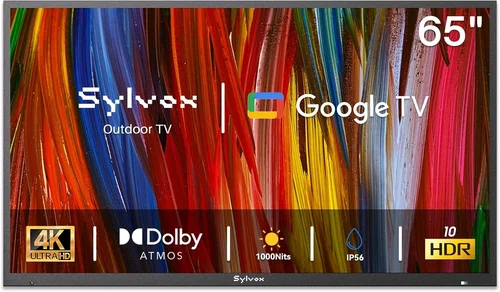
Outdoor living spaces have evolved far beyond simple patios and balconies. Today, they’re extensions of our homes—complete with comfortable seating, outdoor kitchens, fire pits, and even full entertainment systems. One of the most exciting additions to this trend is the weatherproof TV. Whether you’re hosting summer barbecues, enjoying a quiet morning coffee with the sunrise, or catching the big game under the stars, a weatherproof TV can transform your outdoor space into a true outdoor living room.
But choosing the right weatherproof TV isn’t as simple as picking up any old television and mounting it outside. These devices are engineered to withstand rain, snow, dust, extreme temperatures, and UV exposure—conditions that would destroy a standard indoor TV in days. That’s why this comprehensive buying guide exists: to help you navigate the complex world of outdoor televisions with confidence. You’ll learn what truly matters when selecting a weatherproof TV, how to avoid costly mistakes, and which models offer the best value for your specific needs. From budget-friendly options to premium all-weather displays, we’ve got you covered.
The market for weatherproof TVs has grown significantly in recent years, driven by advancements in display technology and increasing demand for outdoor entertainment. Major electronics brands like Samsung, LG, and Sony now offer outdoor-specific models, while specialized companies such as SunBriteTV, Seura, and Peerless have built their entire business around ruggedized outdoor displays. With prices ranging from under $500 to well over $5,000, there’s a wide spectrum of options—but not all are created equal. This guide will cut through the marketing noise and deliver expert-level insights so you can make an informed decision that balances performance, durability, and cost.

What to Look for When Buying Buying Guide
1. IP Rating & Weather Resistance
The Ingress Protection (IP) rating is the single most important factor when evaluating a weatherproof TV. This international standard tells you exactly how well a device resists dust and water. For outdoor use, you should look for a minimum IP55 rating—this means the TV is protected against dust ingress (limited) and water jets from any direction. However, for full four-season durability, especially in areas with heavy rain, snow, or coastal salt air, aim for IP65 or higher. An IP65-rated TV is dust-tight and can withstand low-pressure water jets, making it ideal for balconies, patios, and covered outdoor spaces.
Beyond the IP rating, consider the TV’s internal climate control. High-end models often include built-in heaters and cooling fans that automatically activate when temperatures drop below freezing or rise above 100°F (38°C). Without this feature, LCD panels can suffer permanent damage in extreme cold, while excessive heat can cause overheating and shutdowns. Always check the manufacturer’s specified operating temperature range—most quality outdoor TVs operate between -30°F and 120°F (-34°C to 49°C).
2. Display Brightness & Anti-Glare Technology
Indoor TVs typically peak at 300–500 nits of brightness, which is fine for dimly lit living rooms but completely inadequate outdoors. Sunlight reflects off screens, washing out colors and making content nearly impossible to see during daytime hours. For a weatherproof TV, you need a display capable of at least 700 nits—but ideally 1,000 nits or more. Premium models like the SunBriteTV Veranda series deliver up to 2,000 nits, ensuring vivid, clear images even in direct sunlight.
Equally important is anti-reflective coating. Standard glass reflects up to 8% of ambient light, which can turn your screen into a mirror on sunny days. Weatherproof TVs use optically bonded glass with anti-glare treatments that reduce reflections to less than 1%. This technology not only improves visibility but also enhances color accuracy and contrast. When comparing models, ask whether the screen uses “direct sunlight readable” or “high-brightness” panels—these terms indicate superior outdoor performance.
3. Build Quality & Durustruction Materials
A weatherproof TV isn’t just about the electronics—it’s about the entire enclosure. Look for TVs housed in powder-coated aluminum or stainless steel, which resist rust, corrosion, and UV degradation. Avoid plastic casings, even if they’re labeled “weather-resistant,” as they can become brittle and crack over time when exposed to temperature swings and sun exposure.
Pay attention to sealing methods. High-quality units use silicone gaskets around ports, vents, and seams to prevent moisture ingress. Some manufacturers go further by fully sealing the back panel and using waterproof cable glands for power and HDMI connections. Also, check if the TV includes a protective front glass layer—this adds durability against scratches, hail, or accidental impacts from outdoor furniture or pets.
4. Smart Features & Connectivity
Just because a TV lives outside doesn’t mean it should lack modern conveniences. Most weatherproof TVs now come with smart platforms like Android TV, webOS, or Roku built-in, allowing you to stream Netflix, YouTube, Disney+, and more without needing an external streaming box. This is especially useful if your outdoor space lacks easy access to Wi-Fi extenders or Ethernet cables.
Connectivity is another key consideration. Ensure the TV has multiple HDMI ports (preferably HDMI 2.0 or 2.1 for 4K/60Hz), USB inputs, and audio outputs. Some models include weatherproof external media bays or sealed input panels that protect cables from the elements. If you plan to connect a soundbar or outdoor speakers, verify compatibility and whether the TV supports Bluetooth audio streaming.
5. Size & Viewing Distance
Choosing the right screen size depends on your balcony or patio layout and typical viewing distance. For small balconies (6–8 feet from seating), a 43-inch to 50-inch TV is usually sufficient. Larger patios or outdoor living rooms may benefit from 55-inch to 75-inch models. Use the 1.5x rule as a guideline: multiply your viewing distance (in inches) by 1.5 to get the ideal screen diagonal. For example, if you sit 10 feet (120 inches) away, a 60–70 inch TV would be optimal.
Don’t forget about mounting space and weight. Weatherproof TVs are heavier than indoor equivalents due to their reinforced enclosures. Ensure your wall or ceiling mount is rated for the TV’s weight and can support outdoor conditions. Many manufacturers offer compatible outdoor mounts designed specifically for their models.
6. Audio Performance
Built-in speakers on weatherproof TVs are often underpowered due to space and sealing constraints. While adequate for casual listening, they rarely deliver the rich, immersive sound needed for movies or sports. Consider pairing your TV with weather-resistant outdoor speakers or a soundbar. Some models, like the Seura Outdoor Soundbar, are designed to integrate seamlessly with outdoor TVs and withstand the same environmental conditions.
If you prefer wireless audio, look for TVs with Bluetooth 5.0 or higher. This allows you to connect waterproof Bluetooth speakers or headphones without running cables across your patio. Just remember that Bluetooth range can be limited outdoors due to interference from walls, plants, or other obstacles.
7. Brand Reputation & Specialization
Not all TV brands are equal when it comes to outdoor performance. Companies like SunBriteTV, Seura, and Peerless have spent decades engineering TVs specifically for outdoor use. Their products undergo rigorous testing in simulated weather chambers and real-world installations. In contrast, some mainstream brands repurpose indoor models with minor weatherproofing—these may save money upfront but often fail prematurely.
Research customer reviews on trusted platforms like Amazon, Best Buy, or specialty outdoor electronics retailers. Look for feedback about long-term reliability, customer service responsiveness, and how the TV performs after 1–2 years of seasonal exposure. A brand with a strong track record in outdoor AV solutions is more likely to stand behind its product.
8. Warranty & Support
A robust warranty is a strong indicator of a manufacturer’s confidence in their product. Most reputable weatherproof TVs come with 2–3 year warranties that cover both parts and labor, including damage from environmental factors. Avoid brands offering only 1-year coverage or excluding “acts of nature” from protection.
Check whether the company provides local service centers or requires you to ship the unit back for repairs. Some premium brands offer on-site service for an additional fee, which can be invaluable if your TV is wall-mounted in a hard-to-reach location. Also, verify that firmware updates and technical support are available throughout the product’s lifespan.
Different Types of Buying Guide

Common Buying Mistakes to Avoid
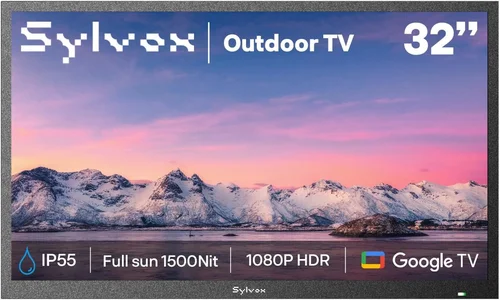
❌ Mistake: Buying a Standard Indoor TV and “Weatherproofing” It Yourself
Why it’s bad: Indoor TVs lack the necessary seals, cooling systems, and UV-resistant components to survive outdoors. Even with a DIY enclosure, moisture will eventually seep in, causing corrosion, screen fogging, or electrical failure. Most manufacturers void warranties if used outside.
What to do instead: Invest in a purpose-built weatherproof TV. The added cost is justified by years of reliable service and peace of mind.
❌ Mistake: Ignoring the IP Rating
Why it’s bad: A TV labeled “weather-resistant” without a clear IP rating may only protect against light splashes—not sustained rain or snow. This can lead to premature failure during storms or winter months.
What to do instead: Always verify the IP rating (e.g., IP55, IP65) and match it to your local climate. When in doubt, choose a higher rating.
❌ Mistake: Overlooking Brightness Requirements
Why it’s bad: A dim screen (under 700 nits) will be unwatchable on sunny days, turning your outdoor TV into a decorative mirror. You’ll end up watching everything at night only.
What to do instead: Prioritize brightness specs. Aim for at least 1,000 nits for partial shade and 1,500+ nits for full sun exposure.
❌ Mistake: Skimping on Mounting Hardware
Why it’s bad: Using indoor mounts or flimsy brackets outdoors can result in sagging, vibration damage, or even the TV falling—posing safety risks and voiding warranties.
What to do instead: Purchase a mount specifically rated for outdoor use and the TV’s weight. Consider tilt or full-motion mounts for optimal viewing angles.
❌ Mistake: Neglecting Audio Solutions
Why it’s bad: Relying solely on built-in speakers leads to tinny, quiet audio that ruins the viewing experience, especially with background noise from wind or traffic.
What to do instead: Plan for outdoor speakers or a weatherproof soundbar from day one. Many TVs support wireless audio for cleaner setups.
❌ Mistake: Not Planning for Power and Connectivity
Why it’s bad: Running extension cords across your patio creates tripping hazards and exposes cables to weather damage. Poor signal strength can cause buffering or dropouts.
What to do instead: Install a dedicated outdoor-rated electrical outlet near the TV location. Use weatherproof cable conduits and Wi-Fi extenders if needed.
❌ Mistake: Assuming All “Outdoor” TVs Are Equal
Why it’s bad: Some brands market indoor TVs as “suitable for outdoor use” with minimal modifications. These often fail within a season due to inadequate sealing or thermal management.
What to do instead: Stick with brands that specialize in outdoor displays and have proven track records. Read professional reviews and user testimonials.
Budget Guidelines: How Much Should You Spend?
Entry-Level ($500 – $1,200): These are typically portable or semi-outdoor models with basic weather resistance (IP54) and moderate brightness (500–700 nits). Best for covered balconies or seasonal use in mild climates. Examples include the Element Outdoor Smart TV series. Expect shorter lifespans (2–3 years) and limited smart features.
Mid-Range ($1,200 – $2,500): This is the sweet spot for most homeowners. These TVs offer IP55 or IP65 ratings, 700–1,200 nits brightness, and reliable smart platforms. Ideal for partially shaded patios and three-season use. Brands like SunBriteTV’s Veranda line and Seura’s Reflect series dominate this category with excellent build quality and 2-year warranties.
Premium ($2,500 – $4,500): Designed for full sun exposure and year-round durability. Features include 1,500+ nits brightness, active cooling/heating, anti-reflective glass, and premium materials like marine-grade aluminum. Models such as the SunBriteTV Pro Series and Peerless Paramount deliver cinema-quality visuals outdoors and come with 3-year comprehensive warranties.
Luxury ($4,500+): For enthusiasts and luxury homeowners seeking the ultimate outdoor experience. These TVs offer 2,000+ nits, OLED-like contrast with high-brightness LCDs, integrated sound systems, and custom finishes. They’re built to last 7–10 years in extreme conditions and often include professional installation and lifetime support. The Seura Luxury Outdoor TV and Samsung The Terrace are prime examples.
Expert Tips for Getting the Best Deal
- Buy During Off-Seasons: Prices drop significantly in late fall and winter (November–February) when demand is lowest. Retailers often clear inventory before spring launches.
- Shop Specialty Retailers: Stores like Crutchfield, Abt Electronics, and Outdoor TV Direct offer expert advice, bundled deals, and extended return windows compared to big-box stores.
- Look for Bundled Packages: Many brands offer TV + mount + cable kits at discounted rates. These can save $200–$500 versus buying separately.
- Check Manufacturer Rebates: SunBriteTV and Seura frequently run seasonal promotions with $100–$300 mail-in rebates. Sign up for their newsletters to stay informed.
- Consider Refurbished Units: Certified refurbished weatherproof TVs from authorized dealers often come with full warranties and cost 20–30% less than new.
- Read the Fine Print on Returns: Outdoor TVs are bulky and expensive to ship. Ensure the retailer offers free returns or in-home pickup in case of defects.
- Test Before Finalizing Installation: If possible, set up the TV temporarily to check brightness, sound, and Wi-Fi connectivity in your actual outdoor environment.
- Negotiate Installation Services: Some retailers include free or discounted professional installation with purchase—especially valuable for wall-mounted units on stucco or brick.

Frequently Asked Questions
Q: Can I use a regular TV under a covered patio?
A: Technically yes—but it’s not recommended. Even under cover, humidity, temperature swings, and occasional rain splashes can damage internal components over time. A purpose-built weatherproof TV will last significantly longer and perform better.
Q: Do weatherproof TVs consume more power?
A: Yes, due to higher brightness and climate control systems. Expect 20–40% higher energy use than comparable indoor models. Look for ENERGY STAR-certified outdoor TVs to minimize impact.
Q: How do I clean the screen?
A: Use a microfiber cloth and mild glass cleaner. Avoid ammonia-based products or abrasive pads, which can damage the anti-reflective coating. Never spray liquid directly on the screen.
Q: Will my Wi-Fi reach the outdoor TV?
A: It depends on distance and obstacles. For best results, install a weatherproof Wi-Fi extender or mesh node near the TV. Alternatively, run an Ethernet cable through a conduit for wired connectivity.
Q: Can I leave the TV outside in winter?
A: Only if it’s rated for your climate. Check the operating temperature range. Most quality models handle snow and ice, but prolonged sub-zero exposure without heating can damage panels.
Q: Are weatherproof TVs compatible with voice assistants?
A: Many smart outdoor TVs support Alexa, Google Assistant, or Siri via built-in microphones or companion apps. Confirm compatibility before purchasing.
Q: What happens if it rains while the TV is on?
A: A properly rated weatherproof TV (IP55 or higher) is designed to operate safely in rain. However, avoid touching ports or buttons during storms to prevent water ingress through openings.
Q: Do I need a surge protector?
A: Absolutely. Outdoor electronics are vulnerable to lightning-induced power surges. Use a heavy-duty outdoor surge protector with at least 2,000 joules of protection.
Q: Can I mount the TV on a ceiling?
A: Yes, but ensure the mount is rated for ceiling installation and the TV supports VESA ceiling patterns. Allow extra clearance for ventilation and cable routing.
Q: How long do weatherproof TVs last?
A: With proper care, most last 5–8 years. Premium models with robust build quality and climate control can exceed 10 years in moderate climates.
Our Final Recommendations
Best for Budget-Conscious Buyers: Element 50″ Outdoor Smart TV – At under $900, it offers solid IP55 protection, 700-nit brightness, and Roku built-in. Perfect for covered balconies in temperate zones.
Best Overall Value: SunBriteTV Veranda 55″ – Priced around $1,800, it delivers 1,000 nits, IP65 rating, Android TV, and a 2-year warranty. Ideal for most patios and three-season use.
Best Premium Option: Seura Luxury 65″ Outdoor TV – With 2,000 nits, heated enclosure, and premium audio, this $4,200 model is built for luxury outdoor living and full sun exposure.
Best for Beginners: Peerless Paramount 55″ – User-friendly setup, excellent customer support, and reliable performance make this a great first outdoor TV at $2,200.
Best for Advanced Users: Samsung The Terrace 75″ – Combines QLED color, 1,500 nits, and smart features in a sleek, durable design. Ideal for tech-savvy homeowners wanting top-tier performance.
Conclusion: Making the Right Choice
Choosing the right weatherproof TV for your balcony or patio is about more than just screen size or price—it’s about matching technology to your lifestyle, climate, and long-term expectations. By prioritizing key factors like IP rating, brightness, build quality, and smart functionality, you’ll avoid common pitfalls and invest in a device that enhances your outdoor living for years to come.
Remember, a weatherproof TV is a long-term investment. Skimping on quality may save money upfront but often leads to frustration, frequent replacements, and higher costs over time. Instead, focus on value: a TV that performs reliably season after season, delivers stunning visuals in any light, and integrates seamlessly into your outdoor oasis.
Take the time to assess your space, research reputable brands, and consider your usage patterns. Whether you’re watching morning news on a small balcony or hosting movie nights by the pool, the right weatherproof TV will elevate every moment. Use this guide as your roadmap—and enjoy the great outdoors, one screen at a time.

