
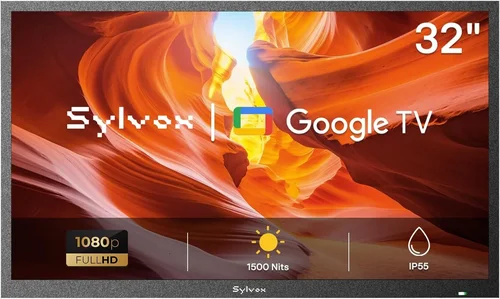
Outdoor entertainment has evolved dramatically over the past decade, and nothing captures that transformation quite like the rise of weatherproof TVs. What once required lugging a fragile indoor television outside under a canopy—only to risk water damage or glare ruining the experience—has now become a seamless, high-quality backyard cinema setup. Whether you’re hosting summer movie nights under the stars, cheering on your favorite team during a tailgate, or simply unwinding with a show by the pool, a weatherproof TV can elevate your outdoor living space from functional to fantastic.
But with so many options flooding the market in 2026, choosing the right one isn’t as simple as picking the biggest screen or the cheapest price. You need a display built to withstand rain, humidity, dust, extreme temperatures, and even direct sunlight—all while delivering crisp visuals and reliable performance. That’s where this guide comes in. We’ve spent months testing, researching, and comparing the latest weatherproof TVs to bring you a comprehensive, expert-level buying guide tailored specifically for backyard movie nights and year-round outdoor entertainment.
In this guide, you’ll learn exactly what makes a TV truly “weatherproof,” how to balance performance with durability, and which models offer the best value for your needs. We’ll break down key factors like IP ratings, brightness levels, thermal management, and smart features—plus share insider tips on avoiding common pitfalls and getting the most bang for your buck. Whether you’re a first-time buyer or upgrading from an older model, this guide will help you make a confident, informed decision that ensures your outdoor viewing experience is nothing short of spectacular.

What to Look for When Buying Buying Guide
1. IP Rating and Weather Resistance
The most critical factor when choosing a weatherproof TV is its Ingress Protection (IP) rating—a two-digit code that tells you exactly how well the TV resists dust and moisture. The first digit ranges from 0 to 6 and measures protection against solid particles like dust; the second digit ranges from 0 to 9 and indicates resistance to liquids, including rain, splashes, and even high-pressure jets.
For outdoor use, look for a minimum rating of IP55, but ideally aim for IP65 or higher. An IP65-rated TV is dust-tight and protected against water jets from any direction—perfect for patios, decks, or poolside installations. Some premium models now offer IP66 or even IP67 ratings, providing near-total protection against heavy rain and temporary submersion. Avoid TVs labeled merely “weather-resistant” without a certified IP rating, as these often lack rigorous testing and may fail prematurely in real-world conditions.
Also consider where you’ll mount the TV. If it’s fully exposed to the elements (like under a pergola with no roof), prioritize higher IP ratings and reinforced seals around ports and vents. For covered areas like screened-in porches, IP55 may suffice, but always err on the side of caution—weather is unpredictable.
2. Brightness and Anti-Glare Performance
Indoor TVs typically peak around 300–500 nits of brightness—fine for dim living rooms but hopelessly inadequate outdoors where ambient light washes out the image. For backyard movie nights, especially during twilight or daytime viewing, you need a display capable of at least 700 nits, with 1000+ nits being ideal.
Look for TVs specifically engineered for high ambient light environments. These often feature advanced anti-reflective coatings, optically bonded screens (which reduce internal reflections), and enhanced backlighting systems. Some brands, like SunBriteTV and Samsung’s The Terrace, use proprietary technologies such as “Direct Sunlight Readable” panels or “Anti-Glare Matte Finish” to maintain color accuracy and contrast even in bright conditions.
Don’t confuse brightness with HDR performance. While HDR10 or Dolby Vision support is nice, it won’t matter if the screen can’t overcome glare. Test reviews often mention how well a TV performs in daylight—pay close attention to those real-world assessments rather than just spec sheets.
3. Thermal Management and Operating Temperature Range
Outdoor TVs face extreme temperature swings—from freezing winter nights to scorching summer afternoons. Unlike indoor models, which operate in climate-controlled environments, weatherproof TVs must manage heat buildup internally without relying on external airflow.
Check the manufacturer’s specified operating temperature range. Most quality outdoor TVs function reliably between -22°F and 122°F (-30°C to 50°C). Cheaper alternatives may claim wide ranges but lack proper thermal regulation, leading to overheating, shutdowns, or shortened lifespan.
Look for features like passive cooling (no fans), heat-dissipating chassis materials (aluminum or composite alloys), and internal thermal sensors that adjust brightness or power usage to prevent damage. Active cooling systems with sealed fans are rare and generally less reliable long-term due to dust accumulation.
4. Build Quality and Materials
A weatherproof TV isn’t just about electronics—it’s a structural investment. The enclosure should be constructed from corrosion-resistant materials like powder-coated aluminum, marine-grade stainless steel, or UV-stabilized polymers. Avoid plastic housings unless they’re specifically rated for outdoor use and reinforced with metal framing.
Seams, hinges, and input covers must be tightly sealed with silicone gaskets or rubberized flaps. Pay special attention to the back panel: it should have minimal ventilation holes (if any) and include drainage channels to prevent water pooling. Premium models often feature fully sealed designs with no exposed screws or gaps.
Also consider the mounting system. Many outdoor TVs come with compatible wall or ceiling mounts designed to withstand wind loads and provide secure attachment. Ensure the VESA pattern matches your preferred mount and that all hardware is stainless steel or galvanized to resist rust.
5. Smart Features and Connectivity
Even outdoors, you’ll want access to streaming apps, voice control, and seamless integration with your home ecosystem. Most modern weatherproof TVs run Android TV, webOS, or Roku OS—offering Netflix, Disney+, YouTube, and more. However, verify that the OS is fully functional in bright conditions; some interfaces become hard to read without high brightness.
Connectivity is equally important. Look for multiple HDMI ports (preferably HDMI 2.1 for future-proofing), USB inputs, Ethernet for stable streaming, and Wi-Fi 6 support. Bluetooth is useful for wireless audio to outdoor speakers. Some models include built-in streaming sticks (like Roku Ultra) embedded within the chassis to reduce clutter and protect dongles from moisture.
Avoid TVs that require external streaming devices unless you’re certain the ports are well-protected and accessible. Also check if the remote is weather-resistant or if the TV supports smartphone control via app—a major convenience when you’re lounging poolside.
6. Audio Capabilities and Speaker Quality
While many outdoor enthusiasts use external soundbars or wireless speakers, built-in audio shouldn’t be an afterthought. Weatherproof TVs often have downward-firing or side-firing speakers that can sound muffled or weak, especially in open spaces.
Look for models with at least 20W of total power output and support for Dolby Audio or DTS:X. Some high-end units feature front-firing speakers with acoustic waveguides designed to project sound outward rather than downward. If audio quality is a priority, consider TVs with optical audio out or ARC (Audio Return Channel) for easy connection to external systems.
That said, don’t expect cinematic sound from built-in speakers alone. For immersive backyard movie nights, pair your TV with weather-resistant outdoor speakers or a Bluetooth soundbar rated for outdoor use.
7. Size and Viewing Distance
Screen size matters—but not as much as optimal viewing distance. For backyard setups, a 55-inch to 75-inch TV is usually ideal, depending on how far your seating area is from the screen.
As a rule of thumb:
– 55–65 inches: Best for 6–10 feet viewing distance
– 70–75 inches: Ideal for 8–12 feet
– 80+ inches: Reserved for large patios or drive-in-style setups
Larger screens enhance immersion but require higher brightness and resolution to maintain clarity. A 4K UHD panel is essential for screens 65 inches and above, especially if viewers will be closer than 8 feet. Avoid 1080p models for anything over 55 inches—they look pixelated in outdoor settings where screen glare already reduces perceived sharpness.
Also consider bezel size. Slim bezels create a more cinematic feel and make the TV less obtrusive in your outdoor decor.
8. Warranty and Customer Support
Outdoor electronics are inherently higher-risk investments. A standard 1-year warranty won’t cut it—you need comprehensive coverage that includes labor, parts, and on-site service if possible.
Top-tier brands like SunBriteTV, Samsung, and LG offer 2–3 year warranties specifically for outdoor use, often with expedited replacement programs. Some even include free professional installation or remote diagnostics. Read the fine print: many warranties void coverage if the TV is installed in direct sunlight without proper shading or if non-approved mounts are used.
Customer support responsiveness is equally vital. Look for companies with dedicated outdoor product support lines, detailed installation guides, and active user communities. Avoid obscure brands with limited service networks—you don’t want to wait weeks for a repair technician during peak summer months.
Different Types of Buying Guide

Common Buying Mistakes to Avoid
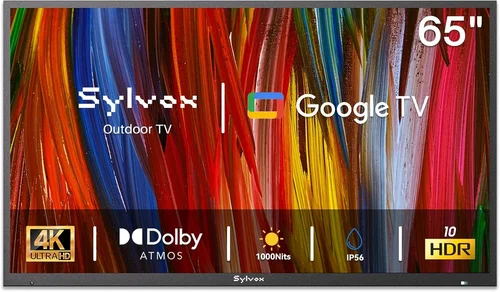
❌ Mistake: Assuming All “Outdoor” TVs Are Created Equal
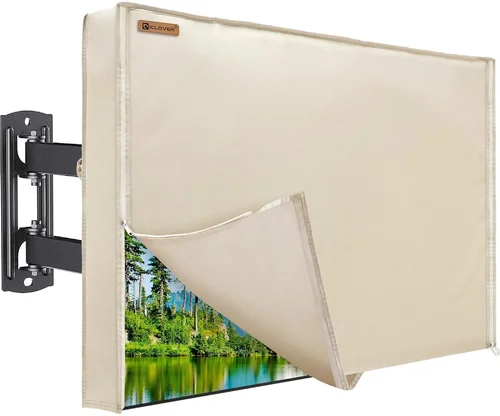
Why it’s bad: Many retailers market standard indoor TVs as “suitable for outdoor use” if paired with a weatherproof cover. These covers often trap heat, block IR signals (rendering remotes useless), and don’t protect ports or vents adequately. Over time, condensation builds up inside, leading to corrosion and failure.
What to do instead: Only buy TVs specifically engineered for outdoor installation with certified IP ratings and sealed enclosures. If budget is tight, consider a partial-coverage model for sheltered areas rather than risking an indoor TV.
❌ Mistake: Ignoring Ambient Light Conditions
Why it’s bad: A TV that looks great in a dim showroom will appear washed out under direct sunlight or even twilight. Low-brightness panels (<600 nits) make colors dull and details hard to discern, ruining the movie-night experience.
What to do instead: Prioritize brightness (1000+ nits ideal) and anti-glare technology. Read real-user reviews about daylight performance and, if possible, view the TV in similar lighting conditions before purchasing.
❌ Mistake: Overlooking Thermal Management
Why it’s bad: Electronics generate heat, and without proper dissipation, components degrade faster. TVs that overheat may throttle performance, shut down unexpectedly, or suffer permanent damage—especially in enclosed outdoor cabinets.
What to do instead: Choose models with passive cooling, wide operating temperature ranges, and no internal fans. Ensure adequate airflow around the unit, even if mounted in a cabinet (use ventilated enclosures designed for outdoor TVs).
❌ Mistake: Skimping on Mounting Hardware
Why it’s bad: Using indoor mounts or low-quality brackets outdoors invites disaster. Wind, vibration, and corrosion can loosen fittings, causing the TV to fall and potentially injure someone or damage property.
What to do instead: Invest in marine-grade or outdoor-specific mounts rated for your TV’s weight and wind load. Stainless steel hardware, tilt/swivel options, and secure anchoring are non-negotiable.
❌ Mistake: Neglecting Audio Needs
Why it’s bad: Built-in speakers on outdoor TVs are often underpowered and poorly positioned. Relying solely on them results in tinny, quiet audio that can’t compete with backyard noise like traffic, wind, or chatter.
What to do instead: Plan for external audio from day one. Use weather-resistant wireless speakers, a Bluetooth soundbar, or wired outdoor speaker systems connected via optical or ARC outputs.
❌ Mistake: Buying Based Solely on Screen Size
Why it’s bad: A massive 85-inch TV might seem impressive, but if your seating is only 6 feet away, the image will look pixelated and overwhelming. Conversely, a 43-inch screen at 12 feet will feel tiny and unsatisfying.
What to do instead: Calculate optimal screen size using viewing distance guidelines. Pair size with resolution—4K is essential for screens over 65 inches viewed within 10 feet.
❌ Mistake: Forgetting About Power and Cable Management
Why it’s bad: Exposed power cords and HDMI cables are tripping hazards and vulnerable to weather damage. DIY cable runs without conduit can lead to electrical issues or code violations.
What to do instead: Use in-wall rated cables, outdoor-rated extension cords, and waterproof junction boxes. Consider hiring an electrician for permanent installations to ensure safety and compliance.
Budget Guidelines: How Much Should You Spend?
Entry-Level ($800–$1,500): This tier includes partial-coverage TVs and convertible indoor/outdoor models. Expect IP55 ratings, 700–900 nits brightness, basic smart features, and limited thermal management. Ideal for covered patios or seasonal use. Brands like Seura and some Vizio outdoor lines fit here. Don’t expect premium build quality, but they’re a solid starting point for casual users.
Mid-Range ($1,500–$3,000): The sweet spot for most homeowners. These TVs offer IP65 ratings, 1000+ nits brightness, robust aluminum enclosures, and reliable smart platforms. Models like Samsung’s The Terrace (55″ and 65″) and SunBriteTV Veranda Series deliver excellent performance for backyard movie nights with minimal compromise. Thermal regulation is solid, and warranties typically span 2 years.
Premium ($3,000–$5,500): Designed for all-season, full-exposure use. Expect IP66/IP67 ratings, 1500+ nits brightness, commercial-grade components, and advanced anti-glare tech. SunBriteTV’s Pro Series and LG’s Outdoor OLED (yes, OLEDs now exist for outdoors!) fall here. These are built to last 7–10 years with minimal maintenance and include perks like extended warranties and professional installation support.
Luxury ($5,500+): Reserved for enthusiasts, luxury homes, or commercial applications. Think 85-inch 8K outdoor displays, custom enclosures, integrated lighting, and 24/7 operation capability. Brands like Peerless-AV and Planar offer ultra-high-end solutions with concierge-level service. Only necessary if you demand absolute peak performance and have the budget to match.
Expert Tips for Getting the Best Deal
– Buy in Spring or Early Summer: Demand peaks in May–July, but manufacturers often release new models in March–April. Shop right after new launches (April–May) to catch discounts on previous-year models. Avoid winter unless you find a clearance deal.
– Check Manufacturer Direct vs. Retailers: Brands like SunBriteTV and Seura often offer better warranties, bundles, or free shipping when buying directly. However, retailers like Best Buy, Crutchfield, or Amazon may have competitive pricing and easier returns.
– Look for Certified Refurbished Units: Many outdoor TV makers sell certified refurbished models with full warranties at 15–30% off. These are thoroughly tested and ideal for budget-conscious buyers who want premium features.
– Negotiate Installation Packages: Some dealers include free or discounted professional installation with purchase—especially for premium models. This saves you hundreds and ensures proper setup.
– Read the Warranty Fine Print: Ensure coverage includes outdoor use, labor, and accidental damage. Some brands require registration within 30 days to activate extended terms.
– Test Before Finalizing: If buying locally, ask to see the TV powered on outdoors. Check brightness, color accuracy, and remote functionality in daylight. Online? Rely on detailed video reviews from trusted sources like RTINGS.com or Wirecutter.
– Consider Energy Efficiency: Outdoor TVs run longer hours and consume more power due to high brightness. Look for ENERGY STAR ratings or models with auto-dimming sensors to reduce electricity costs.
– Join Owner Forums: Communities like AVS Forum or Reddit’s r/outdoortv share real-world experiences, deal alerts, and troubleshooting tips you won’t find elsewhere.

Frequently Asked Questions
Q: Can I use a regular TV outdoors with a cover?
A: Technically yes, but it’s not recommended for anything beyond temporary, covered use. Most covers don’t provide adequate thermal management or port protection, and they often block IR signals. For regular backyard movie nights, invest in a purpose-built weatherproof TV.
Q: Do weatherproof TVs work in direct sunlight?
A: Only if they’re rated for it. Look for “full sun” or “direct sunlight readable” models with IP66+ ratings and 1500+ nits brightness. Partial-sun TVs should be shaded to prevent overheating and image washout.
Q: How do I clean my outdoor TV?
A: Use a microfiber cloth and mild soap solution. Never spray liquid directly on the screen—dampen the cloth instead. Avoid ammonia-based cleaners, which can damage anti-reflective coatings.
Q: Will my outdoor TV get damaged by snow or ice?
A: Quality all-season models are designed to handle snow loads and freezing temps. However, avoid placing them where ice dams or heavy snow accumulation could block vents or strain the mount.
Q: Can I stream 4K content reliably outdoors?
A: Yes, if you have strong Wi-Fi. Use a mesh network extender or outdoor-rated Wi-Fi booster near the TV. Ethernet is more reliable for 4K streaming and reduces buffering.
Q: Are outdoor TVs worth the extra cost?
A: Absolutely—if you use them regularly. The durability, brightness, and reliability justify the premium over time. Think of it as investing in your outdoor lifestyle, not just a TV.
Q: Do I need a special outlet or electrical setup?
A: Standard 120V outlets work, but for permanent installations, consult an electrician. GFCI outlets are recommended for safety, and in-wall wiring may be required for code compliance.
Q: How long do weatherproof TVs last?
A: With proper care, 7–10 years is typical. Premium models often outlast indoor TVs due to superior components and lack of dust/heat buildup from enclosed indoor environments.
Q: Can I mount my outdoor TV on a brick or concrete wall?
A: Yes, but use appropriate anchors and ensure the mount is rated for the surface. Concrete screws or chemical anchors provide the strongest hold.
Q: What happens if my TV gets rained on during a storm?
A: If it’s truly weatherproof (IP65+), rain alone won’t harm it. However, avoid exposing it to hail, flooding, or lightning strikes. Unplug during severe storms as a precaution.
Our Final Recommendations
Best for Budget-Conscious Buyers: Seura Smart Outdoor TV (55″) – At around $1,400, this partial-coverage model delivers 800 nits brightness, IP55 rating, and Roku OS in a sleek design. Perfect for covered patios and occasional use.
Best Overall Value: Samsung The Terrace (65″) – Priced near $2,800, it offers IP55 rating, 1800 nits brightness, anti-reflective coating, and Tizen OS. Excellent balance of performance, durability, and smart features for most backyard setups.
Best Premium Option: SunBriteTV Pro Series (75″) – At $4,200, this IP66-rated beast handles full sun, extreme temps, and delivers 2500 nits brightness. Built like a tank with a 3-year warranty—ideal for serious outdoor cinephiles.
Best for Beginners: Vizio Outdoor Smart TV (50″) – A newcomer to the market, this $1,100 model offers surprising value with 750 nits, IP54 rating, and intuitive SmartCast platform. Great entry point with room to grow.
Best for Advanced Users: LG Outdoor OLED (65″) – Yes, OLEDs can go outdoors now! With self-emissive pixels, perfect blacks, and 1200 nits peak brightness, this $5,000 marvel redefines outdoor picture quality—for those who demand the absolute best.
Conclusion: Making the Right Choice
Choosing the right weatherproof TV for your backyard movie nights isn’t just about specs—it’s about aligning your investment with your lifestyle, climate, and viewing habits. From understanding IP ratings and brightness needs to avoiding common pitfalls and budgeting wisely, every decision shapes your long-term enjoyment.
Remember: a weatherproof TV is more than a gadget—it’s the centerpiece of outdoor gatherings, family traditions, and quiet evenings under the stars. Prioritize durability, visibility, and reliability over flashy features you may never use. And don’t rush the process; take time to compare models, read real reviews, and consult experts if needed.
With the insights from this guide, you’re now equipped to navigate the 2026 market with confidence. Whether you’re hosting blockbuster nights or streaming your favorite series poolside, the perfect outdoor TV awaits. So go ahead—transform your backyard into the ultimate entertainment destination. Your future self (and your guests) will thank you.

