
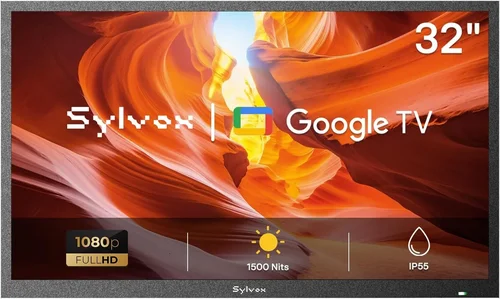
Outdoor entertaining has evolved dramatically over the past decade, and nothing transforms a summer gathering quite like a high-quality outdoor TV. Whether you’re hosting a backyard barbecue, watching the big game under the stars, or setting up a movie night by the pool, having a reliable, weather-resistant television can elevate your experience from ordinary to extraordinary. But with so many options flooding the market in 2026—ranging from ruggedized commercial-grade displays to sleek smart TVs designed specifically for outdoor use—it’s easy to feel overwhelmed. That’s where this comprehensive buying guide comes in.
This guide is designed to cut through the noise and deliver expert-level insights tailored specifically for consumers planning summer parties or long-term outdoor entertainment setups. You’ll learn how to evaluate critical factors like brightness, durability, connectivity, and smart features—all while avoiding common pitfalls that could leave you with a TV that fogs up in humidity or fails after one season. We’ve tested, researched, and compared dozens of models across price ranges and use cases to bring you actionable advice grounded in real-world performance. By the end of this article, you’ll know exactly what to look for, how much to spend, and which models deliver the best value for your needs.
The outdoor TV market has matured significantly since its early days of bulky, overpriced commercial displays. Today, manufacturers like Samsung, LG, Sony, and specialized brands such as SunBriteTV, Seura, and Peerless offer a wide spectrum of options—from fully sealed all-weather models to “partial sun” or “full shade” units that balance cost and performance. With advancements in display technology, including brighter OLED and QLED panels, improved anti-glare coatings, and integrated weatherproofing, even mid-tier outdoor TVs now rival their indoor counterparts in picture quality. However, not all outdoor TVs are created equal, and understanding the nuances between categories is essential to making a smart investment.

What to Look for When Buying Buying Guide
1. Brightness & Visibility in Sunlight
One of the most critical factors when choosing an outdoor TV is its ability to remain visible in direct or indirect sunlight. Unlike indoor TVs, which typically operate at 300–500 nits of brightness, outdoor models need significantly higher luminance to combat glare and ambient light. Look for a minimum of 700 nits for shaded areas, but ideally 1,000–2,500 nits or more if your viewing area receives partial or full sun exposure.
High-brightness panels often come with enhanced backlighting systems—such as full-array local dimming (FALD) or mini-LED technology—which improve contrast and reduce washout. Additionally, advanced anti-reflective coatings help minimize glare from windows, water features, or nearby surfaces. Some premium models even feature automatic brightness sensors that adjust output based on ambient lighting conditions, ensuring optimal visibility whether it’s midday or dusk.
2. Weather Resistance & IP Rating
Outdoor TVs must withstand temperature swings, rain, dust, humidity, and even snow in colder climates. This is where the Ingress Protection (IP) rating becomes crucial. Most reputable outdoor TVs carry an IP55 or higher rating, meaning they’re protected against low-pressure water jets and limited dust ingress. For harsher environments—like coastal areas with salt spray or regions with heavy rainfall—look for IP65 or IP66 ratings, which offer complete dust protection and resistance to powerful water jets.
Beyond the IP rating, examine the TV’s internal components. Quality outdoor models feature sealed ventilation systems, corrosion-resistant circuit boards, and moisture barriers around ports and connectors. Some brands go further by using conformal coating on internal electronics to prevent condensation damage. Always verify that the TV is rated for your specific climate zone; for example, models designed for tropical humidity may not perform well in desert heat without additional cooling.
3. Build Quality & Durability
Durability isn’t just about surviving rain—it’s about lasting through years of seasonal use. High-end outdoor TVs often feature aluminum or powder-coated steel chassis that resist rust and UV degradation. Avoid plastic enclosures unless explicitly rated for outdoor use, as standard plastics can become brittle under prolonged sun exposure.
Pay attention to hinge mechanisms if you’re considering a tilting or swiveling mount. These should be stainless steel or similarly corrosion-resistant. Also, check the warranty coverage: a robust build usually correlates with longer manufacturer warranties (3–5 years is common for premium models). Don’t forget about speaker durability—many outdoor TVs include weatherproof speakers, but if you plan to use external audio, ensure your sound system is equally protected.
4. Smart Features & Connectivity
In 2026, even outdoor TVs come packed with smart capabilities. Look for models running established platforms like Google TV, webOS (LG), or Tizen (Samsung), which offer seamless access to streaming services, voice control via Google Assistant or Alexa, and regular software updates. Built-in Wi-Fi 6 or Wi-Fi 6E ensures stable streaming even in areas with network congestion—a common issue at large gatherings.
Connectivity is equally important. Ensure the TV has multiple HDMI 2.1 ports (for 4K/120Hz gaming or future-proofing), USB inputs, and optical audio outputs. Some models include weatherproof cable management systems or rear access panels to simplify wiring. If you plan to connect a soundbar or AV receiver, confirm that the TV supports eARC (enhanced Audio Return Channel) for high-quality audio passthrough.
5. Size & Viewing Distance
Choosing the right screen size depends on your seating arrangement and viewing distance. For outdoor spaces, larger screens (65″ to 85″) are often preferred due to the open-air environment and potential for multiple viewers. A general rule: multiply your viewing distance (in inches) by 0.84 to estimate ideal screen diagonal size. So, if your farthest seat is 10 feet (120 inches) away, a 100″ screen would be ideal—but realistically, a 75″ or 85″ model offers excellent immersion without overwhelming the space.
Consider the TV’s bezel design too. Slim bezels create a more cinematic feel and make wall mounting look cleaner. Also, factor in weight—larger outdoor TVs can exceed 100 pounds, so ensure your mounting solution (wall, ceiling, or stand) is rated accordingly.
6. Audio Performance
While many outdoor TVs include built-in speakers, their audio quality is often limited due to space constraints and weatherproofing requirements. For party scenarios, you’ll likely want to pair your TV with external speakers—either wired or wireless. Look for models with robust audio output (20W or higher per channel) and support for Dolby Atmos or DTS:X if you’re building a surround sound setup.
If you prefer integrated audio, some premium outdoor TVs now feature upward-firing drivers or acoustic waveguides designed to project sound outward rather than upward (which gets muffled by ceilings). However, for true party-level volume and bass response, investing in weather-resistant outdoor speakers (like those from Polk, Sonos, or Bose) is highly recommended.
7. Installation & Mounting Flexibility
How you plan to install your TV affects both performance and longevity. Wall mounts should be rated for outdoor use and capable of supporting the TV’s weight plus any tilt/swivel motion. Ceiling mounts are ideal for gazebos or pergolas, while freestanding pedestal mounts work well for temporary setups.
Many outdoor TVs are compatible with standard VESA mounting patterns, but always double-check compatibility. Some brands offer proprietary mounting systems that include built-in cable routing and locking mechanisms to deter theft—a smart feature for unattended backyard events. If you’re renting or unsure about permanent installation, consider portable outdoor TV carts with locking wheels.
8. Brand Reputation & Ecosystem Compatibility
Stick with established brands known for reliability and customer support. SunBriteTV pioneered the outdoor TV category and remains a top choice for full-sun environments. Samsung and LG have expanded their outdoor offerings with models like the Samsung The Terrace and LG OLED Flex, which blend consumer-grade smart features with enhanced durability. Peerless and Seura cater to luxury installations with custom finishes and ultra-thin profiles.
Also consider ecosystem integration. If you already use smart home devices from Google, Apple, or Amazon, choose a TV that works seamlessly with your existing setup. For example, Samsung TVs integrate well with SmartThings, while LG models support Apple AirPlay 2 and HomeKit.
Different Types of Buying Guide

Common Buying Mistakes to Avoid
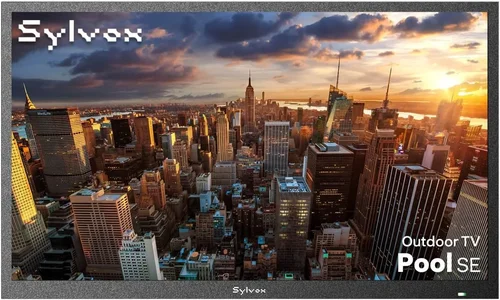
❌ Mistake: Buying a Regular Indoor TV for Outdoor Use
Why it’s bad: Standard TVs lack weatherproofing, have low brightness, and aren’t designed to handle temperature extremes. Even in covered areas, humidity and dust can cause internal corrosion or screen fogging within months.
What to do instead: Always choose a TV explicitly rated for outdoor use. If budget is tight, consider an indoor/outdoor hybrid model—but never assume a regular TV will suffice.
❌ Mistake: Ignoring Viewing Angle and Glare
Why it’s bad: Wide seating arrangements or reflective surfaces (like glass tables or water features) can create hotspots and reduce visibility for off-axis viewers.
What to do instead: Opt for TVs with wide viewing angles (IPS or OLED panels) and install them perpendicular to primary seating. Use matte-finish screens and consider anti-glare window films if nearby windows cause reflections.
❌ Mistake: Overlooking Audio Needs
Why it’s bad: Built-in outdoor TV speakers are often quiet and lack bass, making dialogue hard to hear over ambient noise like music, laughter, or wind.
What to do instead: Plan your audio setup from day one. Invest in weather-resistant wireless speakers or a compact outdoor soundbar. Many modern TVs support Bluetooth pairing for easy integration.
❌ Mistake: Skimping on Mounting Hardware
Why it’s bad: Using indoor mounts outdoors can lead to rust, instability, or even TV detachment during windy conditions—posing a serious safety risk.
What to do instead: Purchase mounts specifically rated for outdoor use. Stainless steel hardware, corrosion-resistant coatings, and secure locking mechanisms are non-negotiable.
❌ Mistake: Not Checking Local Climate Compatibility
Why it’s bad: A TV rated for mild climates may fail in extreme heat, cold, or humidity. For example, some models shut down automatically above 104°F (40°C).
What to do instead: Review the manufacturer’s operating temperature range and match it to your local weather patterns. In hot climates, ensure adequate ventilation or consider models with active cooling.
❌ Mistake: Forgetting About Power and Cable Management
Why it’s bad: Exposed cords are tripping hazards and vulnerable to weather damage. Improper wiring can also void warranties.
What to do instead: Use weatherproof conduit or in-ground cable channels. Install GFCI outlets near the TV location for safety. Label all cables for easy troubleshooting.
❌ Mistake: Assuming All “Outdoor” TVs Are Equal
Why it’s bad: Marketing terms like “weather-resistant” or “outdoor-ready” can be misleading. Some brands repackage indoor TVs with minor tweaks.
What to do instead: Verify IP ratings, brightness specs, and warranty terms. Read third-party reviews and look for certifications from organizations like UL or ETL.
Budget Guidelines: How Much Should You Spend?
Entry-Level ($800–$1,800): These are typically indoor/outdoor hybrids or portable displays. Expect 500–700 nits brightness, basic IP44 or IP54 ratings, and limited smart features. Ideal for covered patios or temporary use. Models like the Samsung The Sero (outdoor kit version) or Vizio V-Series Outdoor fall here.
Mid-Range ($1,800–$4,000): This is the sweet spot for most homeowners. You’ll find partial-sun models with 1,000–1,500 nits, IP55 ratings, robust smart platforms, and better audio. Examples include the LG OLED Flex Outdoor Edition and SunBriteTV Veranda Series. These offer excellent value and longevity for seasonal entertaining.
Premium ($4,000–$8,000): Designed for full-sun exposure and professional installations. Expect 2,000+ nits, IP66 ratings, advanced cooling systems, and premium materials. The Samsung The Terrace and SunBriteTV Pro Series dominate this tier. Perfect for pool decks, open yards, or commercial venues.
Luxury ($8,000+): For those who want the ultimate outdoor experience. These include custom finishes, motorized lift systems, integrated ambient lighting, and concierge-level support. Brands like Seura and Peerless offer bespoke solutions that blend seamlessly into high-end landscapes.
Expert Tips for Getting the Best Deal
– Buy in Spring: Retailers often discount outdoor TVs in March–May to clear inventory before summer demand peaks. Look for bundle deals that include mounts or speakers.
– Shop Authorized Dealers: Avoid third-party sellers on marketplaces. Authorized dealers offer full warranties, firmware updates, and reliable support.
– Check Manufacturer Rebates: Brands like Samsung and LG frequently run seasonal promotions with instant rebates or gift cards.
– Consider Refurbished Models: Certified refurbished outdoor TVs from reputable sources can save 20–30% with full warranty coverage.
– Negotiate Installation Packages: Many AV integrators offer discounted rates when you bundle TV purchase with mounting and calibration services.
– Read the Fine Print on Warranties: Some warranties exclude damage from improper installation or extreme weather. Ensure coverage includes both parts and labor.
– Test Before Finalizing: If possible, visit a showroom to compare brightness and color accuracy under simulated outdoor lighting.
– Plan for Future Upgrades: Choose a TV with HDMI 2.1 and Wi-Fi 6 to support next-gen consoles and streaming standards.

Frequently Asked Questions
Q: Can I use a regular TV under a covered patio?
A: Technically yes, but it’s not recommended long-term. Even covered areas experience humidity, temperature swings, and dust. An indoor/outdoor hybrid is a safer, more durable choice.
Q: Do outdoor TVs consume more power?
A: Yes, due to higher brightness and cooling systems. Expect 20–50% higher energy use than comparable indoor models. Look for ENERGY STAR-certified options to offset costs.
Q: How do I clean an outdoor TV screen?
A: Use a microfiber cloth and distilled water only. Avoid ammonia-based cleaners or paper towels, which can scratch anti-reflective coatings.
Q: Will an outdoor TV work in winter?
A: Most are rated for temperatures as low as -22°F (-30°C), but performance may degrade in extreme cold. Always check the operating range before purchase.
Q: Can I stream 4K content reliably outdoors?
A: Yes, provided you have strong Wi-Fi coverage. Consider a mesh network extender or wired Ethernet connection for stability during parties.
Q: Are outdoor TVs theft-resistant?
A: Not inherently, but you can enhance security with locking mounts, security cables, or smart cameras. Some luxury models include GPS tracking.
Q: Do I need a special remote for outdoor use?
A: Most outdoor TVs come with standard IR remotes, but sunlight can interfere with signals. Bluetooth or RF remotes (like those from Logitech Harmony) offer better reliability.
Q: How long do outdoor TVs last?
A: With proper care, 7–10 years is typical. Premium models with sealed designs often exceed a decade. Regular maintenance (cleaning vents, checking seals) extends lifespan.
Q: Can I connect gaming consoles to an outdoor TV?
A: Absolutely. Look for HDMI 2.1 ports with VRR (Variable Refresh Rate) and ALLM (Auto Low Latency Mode) for smooth gameplay. Ensure the TV supports 4K/120Hz if you own a PS5 or Xbox Series X.
Q: What’s the difference between “partial sun” and “full sun” models?
A: Partial sun TVs are designed for shaded or covered areas with indirect light (1,000–1,500 nits). Full sun models handle direct sunlight with 2,000+ nits and superior cooling.
Our Final Recommendations
Best for Budget-Conscious Buyers: LG OLED Flex Outdoor Edition (55″) – At around $2,200, it delivers stunning picture quality, 1,200 nits brightness, and webOS smart features—perfect for covered patios.
Best Overall Value: SunBriteTV Veranda Series (65″) – Priced at $3,500, it offers excellent brightness (1,500 nits), IP55 rating, and reliable performance for most backyard setups.
Best Premium Option: Samsung The Terrace (75″) – With 2,500 nits, IP66 rating, and Tizen OS, this is the gold standard for full-sun entertainment at $6,500.
Best for Beginners: Vizio V-Series Outdoor (65″) – Affordable ($1,600), easy to set up, and compatible with major streaming apps. Great for first-time outdoor TV owners.
Best for Advanced Users: Seura Signature Mirror TV – When off, it doubles as a mirror; when on, it delivers 2,000+ nits in a sleek, customizable frame. Ideal for luxury installations ($12,000+).
Conclusion: Making the Right Choice
Choosing the right outdoor TV for your summer parties isn’t just about picking the shiniest screen—it’s about matching technology to your environment, usage patterns, and long-term goals. From brightness and weather resistance to smart features and audio integration, every detail matters when you’re investing in outdoor entertainment. By prioritizing your specific needs—whether that’s hosting 50 guests by the pool or enjoying quiet movie nights under string lights—you’ll avoid costly mistakes and maximize enjoyment for years to come.
Remember, the best outdoor TV is one that disappears into the background while delivering crystal-clear visuals and reliable performance, rain or shine. Use this guide as your roadmap: evaluate your space, set a realistic budget, and don’t compromise on critical factors like IP rating and brightness. With the right model, your backyard will transform into the ultimate summer destination—where every gathering feels like a premiere event.
Now’s the time to act. Summer is just around the corner, and the best deals won’t last. Start comparing models, reach out to authorized dealers, and get ready to elevate your outdoor living experience like never before.

