
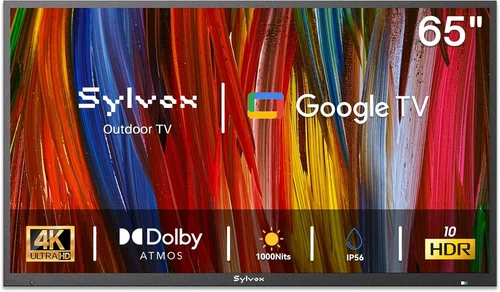
Outdoor living has evolved dramatically over the past decade, transforming backyards, patios, and balconies into fully functional entertainment zones. From outdoor kitchens to weather-resistant sound systems, homeowners are investing more than ever in creating comfortable, year-round spaces. Among the most sought-after additions is an outdoor TV—a device that brings the comfort of indoor viewing to open-air environments. However, not all outdoor TVs are created equal, especially when it comes to enduring the challenges of rainy climates. Whether you’re in the Pacific Northwest, the UK, Southeast Asia, or any region prone to frequent downpours, humidity, and temperature swings, choosing the right outdoor TV requires careful consideration.
This comprehensive buying guide is designed to help you navigate the complexities of selecting an outdoor TV that thrives in wet conditions. We’ll break down the essential features, materials, and technologies that make certain models stand out in rainy environments. You’ll learn how to evaluate build quality, understand IP ratings, compare display technologies, and avoid common pitfalls that could lead to premature failure. By the end of this guide, you’ll have the knowledge and confidence to make an informed decision—whether you’re upgrading your current setup or installing your first outdoor screen.
The market for outdoor TVs has grown significantly, with manufacturers now offering a range of options from budget-friendly models to high-end, weatherproof displays built for extreme conditions. However, many consumers mistakenly assume that any TV labeled “outdoor” is suitable for heavy rain or prolonged exposure. In reality, the difference between a TV that lasts five years and one that fails after one storm often comes down to subtle but critical design choices. This guide cuts through the marketing noise and delivers expert-level insights tailored specifically for rainy climates, ensuring your investment stands the test of time—and weather.

What to Look for When Buying Buying Guide
1. Weather Resistance & IP Rating
When shopping for an outdoor TV in a rainy climate, the most important factor is weather resistance—specifically, the Ingress Protection (IP) rating. This two-digit code tells you how well a device resists dust and moisture. The first digit indicates protection against solid particles (like dust), while the second digit measures resistance to liquids (like rain). For outdoor TVs in wet environments, you should look for a minimum IP54 rating, but ideally IP55 or higher.
An IP55 rating means the TV is protected against low-pressure water jets from any direction, making it suitable for most rainy conditions. However, if you live in an area with heavy rainfall, frequent storms, or high humidity, consider models with IP65 or IP66 ratings. These offer even greater protection, shielding internal components from powerful water jets and temporary immersion. Some premium models even feature sealed enclosures with gaskets, drainage systems, and hydrophobic coatings to prevent water from seeping into sensitive areas.
It’s also worth noting that not all “weatherproof” TVs are fully sealed. Some manufacturers use protective covers or enclosures that require additional installation steps. Always verify whether the TV itself is rated for outdoor use or if it relies on an external housing. For true peace of mind in rainy climates, opt for a fully integrated, factory-sealed outdoor TV with a verified IP rating.
2. Build Quality & Durability
Beyond the IP rating, the physical construction of the TV plays a crucial role in its longevity. Outdoor TVs must withstand not only rain but also temperature fluctuations, UV exposure, and physical wear. Look for models built with marine-grade aluminum or powder-coated steel frames, which resist rust and corrosion far better than standard plastics or untreated metals.
The screen itself should be made of tempered glass or optically bonded layers to prevent fogging, scratching, and damage from debris. Optically bonded displays eliminate the air gap between the LCD panel and the outer glass, reducing glare and improving visibility in bright conditions—while also preventing moisture from accumulating inside the screen. This is especially important in humid or rainy climates where condensation can degrade image quality over time.
Additionally, check the quality of internal components. Outdoor TVs often use industrial-grade circuit boards, sealed connectors, and conformal coatings to protect against moisture and corrosion. These features may not be visible, but they significantly extend the lifespan of the unit. Avoid models that feel flimsy or use thin plastic casings—these are more likely to crack, warp, or degrade under constant exposure to the elements.
3. Display Technology & Brightness
Not all outdoor TVs deliver the same viewing experience, especially in challenging lighting conditions. In rainy climates, overcast skies and reflections from wet surfaces can wash out images on standard screens. That’s why brightness—measured in nits—is a critical specification. For outdoor use, aim for a minimum of 700 nits, but ideally 1,000 nits or higher for optimal visibility in daylight.
LED-backlit LCDs are the most common choice for outdoor TVs due to their brightness, energy efficiency, and affordability. However, newer models are beginning to incorporate mini-LED or QLED technology, which offer better contrast, deeper blacks, and improved color accuracy. While OLED TVs provide superior picture quality indoors, they are generally not recommended for outdoor use due to lower peak brightness and susceptibility to image retention in static outdoor environments.
Another key consideration is anti-reflective coating. Rainy days often come with overcast skies, but when the sun does break through, glare can be a major issue. Look for TVs with matte or anti-glare screens that diffuse reflections without sacrificing image clarity. Some premium models also feature adaptive brightness sensors that automatically adjust screen luminance based on ambient light, ensuring a consistent viewing experience from dawn to dusk.
4. Temperature Tolerance & Operating Range
Rainy climates often come with wide temperature swings—from chilly, damp mornings to warm, humid afternoons. Your outdoor TV must be able to operate reliably across these variations. Most outdoor TVs are designed to function within a specific temperature range, typically between -22°F (-30°C) and 122°F (50°C). However, performance can degrade at the extremes, especially in freezing conditions.
Cold temperatures can cause LCD panels to respond more slowly, leading to motion blur or delayed input lag. Some manufacturers address this by incorporating heating elements or low-temperature LCD formulations that maintain responsiveness even in sub-zero conditions. Similarly, high heat can cause overheating, especially if the TV is mounted in direct sunlight. Look for models with passive cooling systems, heat-dissipating materials, or built-in thermal management to prevent shutdowns or long-term damage.
It’s also important to consider where the TV will be installed. If it’s exposed to direct sun during part of the day, even in a rainy climate, heat buildup can be an issue. Consider mounting the TV under an eave, pergola, or awning to provide shade and reduce thermal stress. Some outdoor TVs come with optional sunshades or ventilation kits to enhance performance in warmer conditions.
5. Connectivity & Smart Features
Modern outdoor TVs are more than just weatherproof screens—they’re full-fledged entertainment hubs. Connectivity options are essential, especially if you plan to stream content, connect gaming consoles, or use voice assistants. Look for models with multiple HDMI ports (preferably HDMI 2.0 or higher), USB inputs, Ethernet, and Wi-Fi compatibility.
Smart TV platforms like Android TV, webOS, or Roku are increasingly common in outdoor models, allowing you to access streaming services like Netflix, YouTube, and Disney+ without needing an external device. However, keep in mind that software updates and app compatibility may vary, and not all smart features are optimized for outdoor use. For example, voice control may be less reliable in windy or noisy environments.
Another consideration is wireless connectivity. Bluetooth support allows you to pair wireless speakers or headphones, which can be useful if you want to enjoy audio without disturbing neighbors. Some models also support screen mirroring via Miracast or AirPlay, enabling you to stream content directly from your smartphone or tablet.
For added convenience, look for TVs with built-in tuners for over-the-air (OTA) broadcasts, especially if you enjoy live sports or local news. This eliminates the need for a separate antenna receiver and simplifies setup. Just ensure the TV supports the broadcast standards used in your region (e.g., ATSC 3.0 in the U.S.).
6. Mounting & Installation Flexibility
How and where you mount your outdoor TV can significantly impact its performance and longevity. In rainy climates, proper installation is critical to prevent water ingress and ensure stability. Most outdoor TVs are compatible with standard VESA mounting patterns, but you’ll need a weatherproof mount designed for outdoor use.
Look for mounts made from corrosion-resistant materials like stainless steel or aluminum with powder-coated finishes. Tilt and swivel capabilities are helpful for adjusting the viewing angle, especially if the TV is installed under a roof or awning. Full-motion mounts allow you to pull the TV out for better access to ports or cleaning, but ensure they’re rated for outdoor conditions and can support the weight of your TV.
Cable management is another often-overlooked aspect. Exposed cables can degrade over time when exposed to rain and UV light. Choose a TV with rear cable channels or use conduit systems to protect wiring. Some models come with built-in cable management systems or optional enclosures to keep connections dry and organized.
If you’re installing the TV in a high-traffic area or near a pool, consider a recessed wall mount or a ceiling-mounted solution to reduce the risk of accidental damage. Always follow the manufacturer’s installation guidelines and, if possible, consult a professional installer familiar with outdoor electronics.
7. Brand Reputation & Reliability
Not all outdoor TV brands are created equal. While many mainstream manufacturers now offer outdoor models, only a few specialize in rugged, weather-resistant displays. Brands like SunBriteTV, Seura, and Peerless have built their reputations on durability and performance in extreme conditions. These companies often conduct rigorous testing in simulated outdoor environments, including salt spray, humidity chambers, and thermal cycling.
When evaluating a brand, look for customer reviews, third-party certifications (like UL Listed or CE marked), and industry awards. A strong reputation for reliability is often reflected in longer warranties and responsive customer support. Avoid lesser-known brands that offer low prices but lack transparency about build quality or testing standards.
It’s also worth checking whether the brand offers regional service centers or authorized repair partners. In the event of a malfunction, having local support can save time and money. Some premium brands even provide on-site service or loaner units while repairs are underway.
8. Warranty & Support
A robust warranty is a strong indicator of a manufacturer’s confidence in their product. For outdoor TVs in rainy climates, look for warranties that cover at least three years, with some premium models offering five years or more. Pay close attention to what’s included—some warranties only cover manufacturing defects, while others include accidental damage or environmental failures.
Read the fine print carefully. Many outdoor TV warranties become void if the TV is installed incorrectly, used in conditions beyond its rated specifications, or modified in any way. For example, using a non-approved mount or failing to seal cable entries could invalidate coverage.
Customer support is equally important. Choose a brand with accessible support channels—phone, email, live chat—and knowledgeable representatives who understand outdoor installations. Some companies offer installation guides, video tutorials, and even remote diagnostics to help troubleshoot issues.
Different Types of Buying Guide

Common Buying Mistakes to Avoid
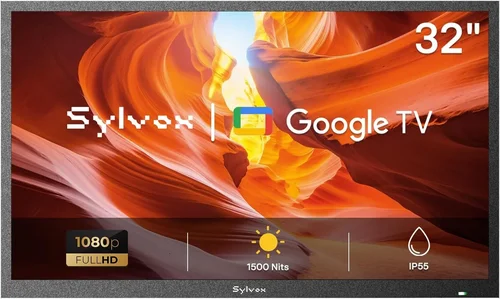
❌ Mistake: Assuming All “Outdoor” TVs Are Weatherproof
Why it’s bad: Many TVs are marketed as “outdoor-ready” but are actually indoor models sold with optional weatherproof enclosures. These setups can fail if the enclosure isn’t properly sealed or maintained, leading to water damage and costly repairs.
What to do instead: Verify whether the TV is factory-sealed and rated for outdoor use. Look for IP ratings and manufacturer certifications. If using an enclosure, ensure it’s specifically designed for your TV model and climate.
❌ Mistake: Ignoring the IP Rating
Why it’s bad: Without a proper IP rating, you have no way of knowing how well the TV resists water and dust. A TV with no rating or a low rating (like IP44) may survive light drizzle but fail in a storm.
What to do instead: Always check the IP rating and choose a model with at least IP55 for rainy climates. Higher ratings (IP65+) offer better protection for extreme conditions.
❌ Mistake: Overlooking Brightness Requirements
Why it’s bad: Standard indoor TVs typically peak at 300–400 nits, which is insufficient for outdoor viewing. In rainy or overcast conditions, low brightness leads to washed-out images and poor visibility.
What to do instead: Choose a TV with at least 700 nits, preferably 1,000+ nits. Look for anti-reflective coatings and adaptive brightness features to enhance clarity in varying light.
❌ Mistake: Skimping on Mounting Hardware
Why it’s bad: Using indoor mounts or low-quality hardware can lead to instability, corrosion, and eventual failure. In windy or wet conditions, a poorly mounted TV can become a safety hazard.
What to do instead: Invest in a weatherproof, corrosion-resistant mount rated for outdoor use. Ensure it supports the TV’s weight and allows for proper cable management.
❌ Mistake: Neglecting Cable Protection
Why it’s bad: Exposed cables degrade quickly when exposed to rain, UV light, and temperature changes. Water can seep into connections, causing short circuits or signal loss.
What to do instead: Use waterproof conduit, cable glands, or rear cable channels. Seal all entry points and avoid running cables along the ground where they can collect water.
❌ Mistake: Buying Based on Price Alone
Why it’s bad: The cheapest outdoor TV may save money upfront but cost more in the long run due to frequent repairs or early replacement. Low-cost models often cut corners on materials and testing.
What to do instead: Balance budget with quality. Look for mid-range models from reputable brands that offer good value, durability, and warranty support.
❌ Mistake: Not Considering Long-Term Maintenance
Why it’s bad: Outdoor TVs require periodic cleaning, inspection, and maintenance. Ignoring these tasks can lead to buildup of mold, corrosion, or blocked ventilation.
What to do instead: Choose a model that’s easy to clean and access. Schedule regular maintenance, especially after storms or seasonal changes.
Budget Guidelines: How Much Should You Spend?
Entry-Level ($500 – $1,200): These models are often weather-resistant indoor TVs or basic enclosures for standard TVs. They may lack high brightness, full sealing, or advanced features. Best for covered patios or occasional use in light rain.
Mid-Range ($1,200 – $2,500): This is the sweet spot for most buyers. These TVs offer solid weather resistance (IP55+), good brightness (700–1,000 nits), and reliable smart features. Ideal for rainy climates with moderate exposure.
Premium ($2,500 – $4,000): Designed for enthusiasts and professionals, these models feature IP65/IP66 ratings, high brightness (1,000+ nits), optical bonding, and premium materials. Perfect for uncovered decks, coastal homes, or frequent use.
Luxury ($4,000+): Top-tier outdoor TVs with commercial-grade durability, 24/7 operation capability, and advanced thermal management. Often used in hotels, resorts, or high-end residential projects. Built to last decades in harsh conditions.
Expert Tips for Getting the Best Deal
- Buy during off-season: Outdoor TVs are often discounted in late fall and winter when demand is lower. Look for holiday sales or clearance events.
- Compare retailers: Check prices at specialty outdoor electronics stores, big-box retailers, and online marketplaces. Some offer price matching or bundle deals.
- Check for rebates: Some manufacturers or utility companies offer rebates for energy-efficient outdoor electronics.
- Read return policies: Ensure the retailer allows returns or exchanges in case the TV doesn’t meet your expectations.
- Test before committing: If possible, visit a showroom to see the TV in person. Check brightness, color accuracy, and build quality.
- Consider refurbished models: Certified refurbished outdoor TVs from reputable brands can offer significant savings with full warranty coverage.
- Negotiate installation: Some retailers offer free or discounted installation with purchase—especially during promotions.

Frequently Asked Questions
Q: Can I use a regular TV outdoors in the rain?
A: Not recommended. Standard TVs lack weatherproofing and can suffer water damage, electrical failure, or voided warranties if exposed to rain. Use a fully sealed outdoor TV or a certified enclosure.
Q: What’s the difference between IP55 and IP65?
A: IP55 protects against low-pressure water jets, while IP65 offers protection against powerful water jets and dust ingress. IP65 is better for heavy rain and wind-driven moisture.
Q: Do outdoor TVs need special power outlets?
A: No, but they should be connected to a GFCI (ground fault circuit interrupter) outlet for safety, especially in wet areas.
Q: Can I leave my outdoor TV on during a storm?
A: It’s safer to turn it off during lightning storms to avoid power surges. Use a surge protector for added protection.
Q: How do I clean my outdoor TV?
A: Use a soft, lint-free cloth and mild glass cleaner. Avoid abrasive materials or harsh chemicals that can damage coatings.
Q: Will an outdoor TV work in freezing temperatures?
A: Most outdoor TVs operate down to -22°F, but performance may slow in extreme cold. Look for models with low-temperature LCDs or heating elements.
Q: Can I mount my outdoor TV on a pole?
A: Yes, but ensure the pole is sturdy, anchored properly, and the mount is rated for outdoor use and wind resistance.
Q: Do outdoor TVs come with remotes?
A: Yes, most include weather-resistant remotes. Some also support smartphone apps or voice control.
Q: How long do outdoor TVs last?
A: With proper care, high-quality outdoor TVs can last 7–10 years or more, even in rainy climates.
Q: Are outdoor TVs energy efficient?
A: Many modern models are ENERGY STAR certified and use LED backlighting for lower power consumption.
Our Final Recommendations
Best for Budget-Conscious Buyers: SunBriteTV Veranda Series – Offers solid weather resistance, 700-nit brightness, and reliable performance at a competitive price.
Best Overall Value: Seura Shade Series – Combines IP55 rating, 1,000-nit brightness, and sleek design with excellent smart features and customer support.
Best Premium Option: Peerless-AV Xtreme – IP66-rated, optically bonded display, and commercial-grade durability for extreme weather conditions.
Best for Beginners: LG Outdoor TV (with enclosure) – Easy setup, familiar interface, and good performance for covered outdoor spaces.
Best for Advanced Users: SunBriteTV Pro Series – Designed for 24/7 operation, high brightness, and advanced thermal management for professional installations.
Conclusion: Making the Right Choice
Choosing the right outdoor TV for a rainy climate is about more than just finding a screen that survives the rain—it’s about investing in a reliable, high-performance entertainment solution that enhances your outdoor lifestyle for years to come. From understanding IP ratings and build quality to evaluating brightness and connectivity, every decision you make contributes to the long-term success of your setup.
Remember, the cheapest option isn’t always the best, and the most expensive model may offer features you don’t need. Focus on your specific environment, usage patterns, and budget. Prioritize weather resistance, durability, and ease of maintenance. And don’t hesitate to consult experts or read real user reviews before making your final choice.
With the insights from this guide, you’re now equipped to make a confident, informed decision. Whether you’re enjoying a movie night under the stars or catching the big game in a spring shower, your outdoor TV should deliver crisp, vibrant images without worrying about the weather. So go ahead—upgrade your outdoor space, embrace the elements, and enjoy entertainment without boundaries.

