
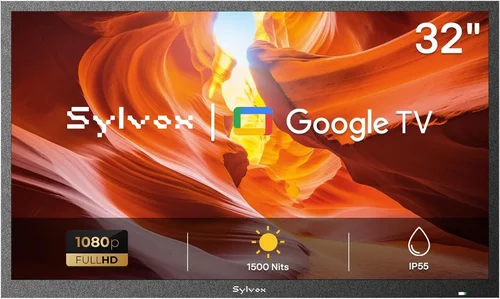
Outdoor TVs have evolved from a luxury novelty to a must-have feature for homeowners who love entertaining by the pool, hosting backyard movie nights, or simply enjoying their favorite shows while soaking up the sun. Whether you’re lounging poolside, grilling on the patio, or relaxing in a cabana, having a reliable outdoor TV transforms your outdoor living space into a true extension of your home theater. But unlike indoor TVs, outdoor models face unique challenges—extreme temperatures, humidity, direct sunlight, rain, dust, and even salt air near coastal areas. That’s why choosing the right outdoor TV isn’t just about picture quality or smart features; it’s about durability, performance in harsh conditions, and long-term reliability.
This comprehensive buying guide is designed to help you navigate the complex world of outdoor TVs in 2026. Whether you’re a first-time buyer or upgrading from an older model, we’ll walk you through every critical factor—from weather resistance and brightness to installation options and smart platform compatibility. You’ll learn how to avoid common pitfalls, understand what different price tiers offer, and make a confident decision based on your specific needs and environment. By the end of this guide, you’ll know exactly what to look for, which brands stand out, and how to get the best value for your investment.
The outdoor TV market has matured significantly over the past decade. What once consisted of bulky, expensive enclosures retrofitted around standard indoor TVs now includes purpose-built models engineered from the ground up for outdoor use. Leading manufacturers like SunBriteTV, Samsung (with its Terrace series), LG, and Seura have introduced sleek, weatherproof designs that rival indoor displays in both aesthetics and performance. At the same time, more affordable options have emerged, making outdoor viewing accessible to a broader audience. With advancements in anti-glare coatings, high-brightness panels, and integrated cooling systems, today’s outdoor TVs deliver stunning visuals even under direct sunlight—something unimaginable just a few years ago.

What to Look for When Buying Buying Guide
1. Weather Resistance & IP Rating
When it comes to outdoor electronics, weather resistance isn’t optional—it’s essential. Unlike indoor TVs, outdoor models must withstand rain, snow, dust, extreme heat, and freezing temperatures without compromising performance or safety. The most reliable way to assess a TV’s ability to handle these conditions is by checking its Ingress Protection (IP) rating. This two-digit code indicates how well the device resists solid particles (like dust) and liquids (like water).
Look for an IP55 rating or higher—this means the TV is protected against dust ingress (limited, but not harmful) and low-pressure water jets from any direction. For poolside installations, especially in humid or rainy climates, aim for IP65 or IP66, which offer full dust protection and resistance to powerful water jets. Some premium models even boast IP67, meaning they can survive temporary immersion in water—ideal if you’re near a splash zone or live in a flood-prone area.
Beyond the IP rating, consider the TV’s internal design. High-quality outdoor TVs feature sealed components, corrosion-resistant materials, and thermal management systems that prevent overheating in summer or freezing in winter. For example, SunBriteTV uses a proprietary cooling system that circulates air without exposing internal parts to moisture. Similarly, Samsung’s Terrace series includes a built-in heater for cold climates. Always verify that the manufacturer specifies the operating temperature range—most quality models function between -30°F and 120°F (-34°C to 49°C).
2. Brightness & Anti-Glare Technology
One of the biggest challenges with outdoor viewing is screen glare from sunlight. Even the best 4K image will look washed out if the TV isn’t bright enough to compete with ambient light. Indoor TVs typically range from 300 to 600 nits (a unit of brightness), but outdoor models need significantly more—ideally 700 nits or higher, with many premium units exceeding 1,500 nits.
Brightness alone isn’t enough, though. You also need advanced anti-reflective coatings and optically bonded glass to minimize glare. Optically bonded displays fuse the LCD panel directly to the outer glass layer, reducing internal reflections and improving contrast in bright conditions. This technology is standard on high-end outdoor TVs like those from Seura and SunBriteTV but often absent on cheaper alternatives.
Another factor is local dimming and HDR support. While HDR enhances color and contrast, it’s only effective if the TV can maintain high brightness levels across the screen. Look for models with full-array local dimming (FALD) or mini-LED backlighting for deeper blacks and better dynamic range outdoors. For example, the LG Outdoor OLED (a rare but impressive offering) uses self-emissive pixels to deliver perfect blacks even in daylight, though it comes at a premium price.
3. Build Quality & Durability
An outdoor TV isn’t just exposed to weather—it’s also vulnerable to physical damage, UV degradation, and long-term wear. That’s why build quality matters as much as specs. Start with the chassis: look for powder-coated aluminum or stainless steel frames that resist rust and fading. Avoid plastic housings, which can become brittle under UV exposure and crack over time.
Internal components should be equally robust. High-end models use industrial-grade capacitors, reinforced circuit boards, and sealed connectors to prevent moisture intrusion. Some brands, like Peerless-AV, offer modular designs where critical parts can be replaced without replacing the entire unit—a huge advantage for long-term maintenance.
Consider the mounting system too. A sturdy, corrosion-resistant wall mount or ceiling bracket is essential, especially in windy areas. Many outdoor TVs come with compatible mounts, but always confirm weight capacity and VESA compatibility. For poolside setups, tilt and swivel mounts allow you to adjust the angle for optimal viewing from different seating areas.
Finally, think about longevity. A quality outdoor TV should last 7–10 years with proper care. Cheaper models may fail within 2–3 years due to component degradation. Check user forums and professional reviews for real-world durability reports—brands like SunBriteTV consistently receive praise for their 10-year track record in harsh environments.
4. Display Technology & Picture Quality
Not all outdoor TVs use the same display technology, and your choice here affects everything from color accuracy to energy efficiency. The three main types are LED/LCD, QLED, and OLED—each with distinct pros and cons for outdoor use.
LED/LCD TVs are the most common and affordable. They offer good brightness, reliable performance, and wide availability. However, standard LCDs struggle with contrast and viewing angles in bright light. Look for models with high refresh rates (120Hz or higher) and local dimming for smoother motion and better shadow detail.
QLED (Quantum Dot LED) TVs, like Samsung’s Terrace series, use quantum dots to enhance color volume and brightness. They’re excellent for sunny environments because they maintain vivid colors even at peak luminance. QLEDs also consume less power than traditional LEDs, which helps with heat management.
OLED TVs deliver the best contrast and black levels thanks to self-lit pixels. However, they’re rare in outdoor applications due to concerns about burn-in and higher cost. LG’s limited outdoor OLED model is a niche option for buyers who prioritize cinematic quality and have controlled lighting (e.g., covered patios). Note that OLEDs are generally not recommended for full sun exposure unless specifically rated for it.
Resolution is another key consideration. While 4K UHD is now standard, ensure the TV supports HDR10, Dolby Vision, or HLG for enhanced dynamic range. For larger screens (65 inches and up), 4K is essential to maintain sharpness at close viewing distances.
5. Smart Features & Connectivity
Modern outdoor TVs aren’t just dumb screens—they’re full-fledged smart platforms. But not all smart systems are created equal, especially when it comes to outdoor usability. Look for intuitive interfaces that work well in bright conditions. Voice control via Alexa, Google Assistant, or built-in microphones can be a game-changer when your hands are wet or you’re lounging poolside.
Streaming apps are a must. Ensure the TV supports Netflix, YouTube, Disney+, Amazon Prime Video, and other major services. Some brands, like Samsung and LG, offer webOS or Tizen platforms with regular updates and broad app compatibility. Others, like SunBriteTV, partner with Roku or Android TV for a familiar experience.
Connectivity options matter too. Multiple HDMI 2.1 ports (for 4K/120Hz gaming or soundbars), USB inputs, Ethernet, and Wi-Fi 6 ensure you can connect all your devices. For pool areas, consider models with wireless audio output so you can stream sound to waterproof speakers without running cables through walls.
Don’t overlook firmware updates. A smart TV that doesn’t receive regular software patches will quickly become outdated or insecure. Check the manufacturer’s update policy—reputable brands provide 5+ years of support.
6. Installation & Placement Flexibility
Where and how you install your outdoor TV dramatically impacts performance and longevity. Full Sun installations (direct, unfiltered sunlight) require the highest brightness (1,500+ nits) and robust cooling. Partial Shade (under eaves, pergolas, or trees) allows for slightly lower brightness (1,000–1,500 nits) and reduces thermal stress. Full Shade (covered patios, gazebos) is the easiest environment—many indoor TVs with outdoor enclosures can work here, though purpose-built models still offer better durability.
Consider cable management. Outdoor-rated HDMI and power cables should be routed through conduit or weatherproof raceways to prevent water ingress. Some TVs include built-in cable channels or rear covers for a clean look.
Portability is another factor. If you plan to move the TV between locations (e.g., from pool to garage), look for lighter models with carrying handles or cart compatibility. However, most outdoor TVs are designed for permanent installation due to their weight and sealing requirements.
7. Brand Reputation & Ecosystem Compatibility
Not all outdoor TV brands are equal. Established players like SunBriteTV (a subsidiary of SnapAV) have spent over 15 years refining outdoor display technology. Their products are trusted by luxury homeowners and commercial installers alike. Samsung and LG bring their indoor TV expertise to outdoor markets with strong R&D backing.
Newer entrants may offer lower prices, but often cut corners on sealing, thermal management, or customer support. Research brand history, read professional installer reviews, and check if the company specializes in outdoor AV or just repackages indoor models.
Also consider ecosystem compatibility. If you already use Samsung SmartThings or Apple HomeKit, choosing a TV that integrates seamlessly simplifies control. Some brands offer companion apps for scheduling, diagnostics, or remote monitoring—useful for vacation homes or rental properties.
8. Warranty & Customer Support
Outdoor TVs are a significant investment, so protect it with a strong warranty. Most reputable brands offer 2–3 years of coverage, but some go further. SunBriteTV provides a 3-year limited warranty with optional extended plans, while Peerless-AV includes on-site service in certain regions.
Check what’s covered: Does the warranty include labor? What about accidental damage or corrosion? Avoid brands that only cover manufacturing defects but exclude environmental damage—that’s a red flag.
Customer support is equally important. Can you reach a human quickly? Is technical assistance available for installation? Look for companies with dedicated outdoor AV support teams, not just generic call centers.
Different Types of Buying Guide

Common Buying Mistakes to Avoid
❌ Mistake: Buying an Indoor TV for Outdoor Use
Why it’s bad: Indoor TVs lack weatherproofing, thermal regulation, and UV protection. Even under cover, humidity and temperature swings can cause condensation, corrosion, and premature failure. Many indoor models void warranties if used outdoors.
What to do instead: Use a purpose-built outdoor TV or a certified indoor TV in a sealed outdoor enclosure. Never assume “it’ll be fine under the awning.”
❌ Mistake: Ignoring the IP Rating
Why it’s bad: Without a proper IP rating, you risk water damage, electrical shorts, and safety hazards. A TV labeled “weather-resistant” without an IP code may only resist light splashes, not pool spray or heavy rain.
What to do instead: Always verify the IP rating (aim for IP55 or higher) and match it to your installation environment.
❌ Mistake: Overlooking Brightness Requirements
Why it’s bad: A dim screen turns your pool party into a squinting contest. Many buyers are disappointed when their new TV looks dull in daylight.
What to do instead: Choose a TV with at least 1,000 nits for partial shade and 1,500+ nits for full sun. Check real-world reviews for brightness performance.
❌ Mistake: Skimping on Mounting Hardware
Why it’s bad: Cheap mounts rust, bend, or fail in wind. A falling TV can cause injury or property damage.
What to do instead: Invest in a marine-grade or powder-coated outdoor mount rated for your TV’s weight and local wind loads.
❌ Mistake: Neglecting Audio Solutions
Why it’s bad: Most outdoor TVs have weak built-in speakers drowned out by pool noise and wind.
What to do instead: Pair your TV with waterproof outdoor speakers or a soundbar. Consider wireless options to avoid cable clutter.
❌ Mistake: Forgetting About Power and Connectivity
Why it’s bad: Running cables through walls without conduit invites water damage and code violations.
What to do instead: Plan cable routes early. Use outdoor-rated cables and consult an electrician for safe, code-compliant installation.
Budget Guidelines: How Much Should You Spend?
Entry-Level ($800–$1,800): These are typically portable outdoor TVs or indoor models in basic enclosures. Best for covered patios in mild climates. Expect lower brightness (500–700 nits), limited smart features, and shorter lifespans. Good for occasional use but not ideal for full sun or harsh weather.
Mid-Range ($1,800–$3,500): The sweet spot for most homeowners. Includes quality indoor TVs in premium enclosures (e.g., Peerless-AV’s Veranda series) or entry-level purpose-built models. Brightness ranges from 1,000–1,500 nits, with decent smart platforms and solid build quality. Suitable for partial shade and moderate climates.
Premium ($3,500–$6,000): Purpose-built outdoor TVs from brands like SunBriteTV, Samsung Terrace, or Seura. Feature IP65+ ratings, 1,500+ nits brightness, advanced cooling, and full smart functionality. Ideal for poolside, coastal, or full-sun installations. Built to last 7–10 years with minimal maintenance.
Luxury ($6,000+): Top-tier commercial or custom solutions. Includes ultra-bright mini-LED or OLED displays, integrated heating/cooling, professional installation services, and ecosystem integration (e.g., Control4, Crestron). Perfect for luxury homes, resorts, or high-end outdoor theaters.
Expert Tips for Getting the Best Deal
– Buy during off-season: Prices drop significantly in late fall and winter (October–February) when demand is low. Many retailers clear inventory before spring.
– Bundle with installation: Some dealers offer discounts when you purchase TV + mount + installation as a package.
– Check for trade-in programs: Brands like Samsung occasionally offer credits for old TVs.
– Compare total cost of ownership: A cheaper TV may cost more long-term due to shorter lifespan or higher repair needs.
– Read professional installer reviews: Sites like AVS Forum and r/HomeTheater have detailed discussions from experts who’ve tested these TVs in real conditions.
– Verify return policies: Ensure you can return the TV if it doesn’t perform as expected in your specific environment.
– Consider refurbished models: Certified pre-owned units from reputable sellers often come with warranties and significant savings.

Frequently Asked Questions
Q: Can I use a regular TV outdoors if it’s under cover?
A: Technically yes, but it’s not recommended for anything beyond very mild, fully enclosed spaces. Even under cover, humidity, temperature swings, and dust can damage internal components. For reliable performance, use a purpose-built outdoor TV or a certified indoor TV in a sealed outdoor enclosure.
Q: Do outdoor TVs need special power outlets?
A: Not necessarily, but they should be connected via a GFCI (Ground Fault Circuit Interrupter) outlet for safety, especially near water sources. Consult a licensed electrician to ensure compliance with local codes.
Q: How do I clean an outdoor TV screen?
A: Use a microfiber cloth and distilled water only. Avoid ammonia-based cleaners or paper towels, which can scratch anti-reflective coatings. Never spray liquid directly on the screen.
Q: Will an outdoor TV work in winter?
A: Yes, if it’s rated for low temperatures. Most quality models operate down to -30°F. Some include built-in heaters to prevent freezing. Avoid turning on a cold TV immediately—let it acclimate for 1–2 hours.
Q: Can I mount an outdoor TV on a ceiling?
A: Absolutely. Many models support ceiling mounts, which are great for gazebos or pergolas. Ensure the mount is rated for outdoor use and can handle wind loads.
Q: Do outdoor TVs consume more power?
A: Generally yes, due to higher brightness and cooling systems. However, newer models with LED backlighting and efficient processors have reduced energy use. Look for ENERGY STAR ratings where available.
Q: What’s the difference between SunBriteTV and Samsung Terrace?
A: SunBriteTV specializes exclusively in outdoor displays with ruggedized designs and proven field reliability. Samsung Terrace leverages its indoor TV expertise with high brightness and smart features. Both are excellent; choose based on your priority—durability (SunBrite) or smart integration (Samsung).
Q: Can I stream 4K content outdoors?
A: Yes, as long as your internet connection supports it. Ensure your Wi-Fi signal reaches the installation area. For best results, use a mesh network or outdoor-rated Wi-Fi extender.
Our Final Recommendations
Best for Budget-Conscious Buyers: Peerless-AV Veranda Series (55″ 4K) – A high-quality indoor TV in a sealed outdoor enclosure. Great for covered patios, offers 1,000 nits brightness, and includes a 3-year warranty. Priced around $2,200.
Best Overall Value: SunBriteTV Veranda 3 Series (65″ 4K) – Purpose-built with IP55 rating, 1,500 nits brightness, and robust cooling. Excellent picture quality and durability for poolside use. Around $3,800.
Best Premium Option: Samsung The Terrace Full Sun (75″ QLED) – IP55-rated, 2,000 nits brightness, anti-reflective coating, and seamless SmartThings integration. Ideal for full-sun installations. Priced at $5,500.
Best for Beginners: Seura Shade 55″ – Sleek design, easy setup, and strong customer support. Perfect for partial shade with 1,200 nits brightness. Around $3,200.
Best for Advanced Users: LG Outdoor OLED (55″) – Exceptional contrast and color accuracy for shaded areas. Rare OLED option with weatherproofing. Best for cinephiles with controlled lighting. $6,500+.
Conclusion: Making the Right Choice
Choosing the right outdoor TV for your pool area is about balancing performance, durability, and budget. Don’t let the allure of a big screen overshadow the importance of weather resistance, brightness, and build quality. A TV that fails after two summers isn’t a bargain—it’s a liability. Prioritize your environment: full sun demands top-tier specs, while covered spaces offer more flexibility.
Remember, this isn’t just a purchase—it’s an investment in your outdoor lifestyle. Take the time to research, compare real-world reviews, and consult professionals if needed. With the right TV, your pool area becomes a year-round entertainment hub where memories are made under the open sky.
Now that you’re equipped with expert knowledge, it’s time to make your choice. Whether you’re streaming the big game, hosting a movie night, or simply unwinding with a show, your perfect outdoor TV is out there—ready to shine, rain or shine.

