
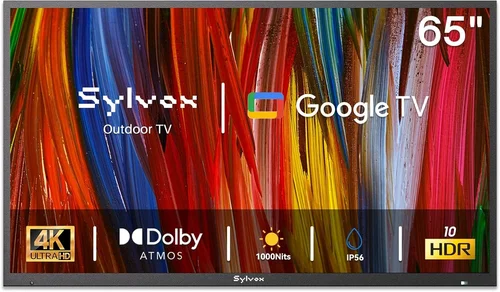
Outdoor living spaces have evolved far beyond simple patios and decks. Today’s gazebos, pergolas, and covered outdoor rooms are fully equipped entertainment zones—complete with grills, sound systems, lighting, and yes, outdoor TVs. Whether you’re hosting summer barbecues, watching the big game under the stars, or enjoying a quiet evening movie night in your backyard oasis, an outdoor TV can transform your gazebo into a true extension of your home theater experience. But not all TVs are built to withstand the elements. Standard indoor televisions simply aren’t designed for exposure to humidity, temperature swings, direct sunlight, or even light rain—even under a covered structure like a gazebo.
That’s why choosing the right outdoor TV is critical. This comprehensive buying guide is designed to help you navigate the unique challenges and considerations of purchasing a television specifically for outdoor use. Whether you’re a homeowner upgrading your backyard setup or a contractor outfitting a luxury outdoor living space, this guide will equip you with the knowledge to make a smart, informed decision. We’ll walk you through key performance specs, durability requirements, installation tips, and budget considerations—all tailored to the realities of outdoor viewing. By the end, you’ll know exactly what to look for, what to avoid, and how to get the best value for your investment.
The outdoor TV market has grown significantly in recent years, driven by increased demand for outdoor entertainment and smart home integration. Brands like SunBriteTV, Samsung, LG, and Seura now offer dedicated outdoor models, while traditional indoor TVs are sometimes marketed as “weather-resistant” or “outdoor-ready” with added enclosures. However, true outdoor TVs are engineered from the ground up for environmental resilience, superior brightness, and anti-glare performance. With options ranging from budget-friendly 43-inch models to ultra-premium 85-inch 4K HDR displays, there’s never been a better time to bring high-quality video to your gazebo. Let’s dive into what makes these TVs different—and how to pick the perfect one for your space.

What to Look for When Buying Buying Guide
1. Weather Resistance & IP Rating
One of the most critical factors when selecting an outdoor TV is its ability to withstand environmental conditions. Unlike indoor TVs, outdoor models must resist moisture, dust, extreme temperatures, and UV exposure. Look for televisions with a high Ingress Protection (IP) rating—specifically IP55 or higher. An IP55 rating means the TV is protected against low-pressure water jets from any direction and limited dust ingress, making it suitable for covered outdoor areas like gazebos. For more exposed locations, consider IP65 or IP66 ratings, which offer full dust protection and resistance to powerful water jets.
True outdoor TVs are built with sealed components, corrosion-resistant materials, and internal climate control systems (like fans or heaters) to prevent condensation and overheating. Avoid using indoor TVs with third-party weatherproof enclosures unless they’re specifically rated for outdoor use—many DIY setups fail due to inadequate ventilation or poor sealing. Always verify the manufacturer’s warranty covers outdoor installation; otherwise, you risk voiding coverage.
2. Screen Brightness & Anti-Glare Performance
Sunlight is the enemy of screen visibility outdoors. Even under a gazebo, ambient light can wash out images on a standard TV. That’s why outdoor TVs feature dramatically higher brightness levels—measured in nits—than their indoor counterparts. Look for a minimum of 700 nits, but ideally 1,000 nits or more for optimal clarity in daylight. Some premium models reach 2,500 nits, rivaling commercial digital signage.
Equally important is anti-reflective coating and optically bonded glass. These technologies reduce glare from the sun or surrounding lights, ensuring colors remain vibrant and details stay sharp. Without proper glare control, even the brightest screen can become unusable during midday viewing. Test the TV in similar lighting conditions if possible, or rely on professional reviews that simulate outdoor use.
3. Build Quality & Durability
Outdoor TVs endure more stress than indoor models—temperature fluctuations, humidity, wind, and even pests. High-quality construction is non-negotiable. Look for powder-coated aluminum chassis, stainless steel hardware, and reinforced mounting systems. The internal electronics should be potted or sealed to prevent moisture damage, and connectors (like HDMI and power ports) should have protective covers or be located in sealed compartments.
Durability also extends to the screen itself. Tempered glass is standard on most outdoor models, offering resistance to scratches and impacts. Some brands include additional protective layers or shatter-resistant films. Avoid plastic-bodied TVs—they degrade faster under UV exposure and lack the structural integrity needed for long-term outdoor use.
4. Size & Viewing Distance
Choosing the right screen size depends on your gazebo’s dimensions and typical seating arrangement. A general rule of thumb: for every inch of screen diagonal, allow 1.5 to 2.5 feet of viewing distance. So, a 55-inch TV is ideal for viewers sitting 6.5 to 11 feet away. In a standard 10×10 gazebo, a 50- to 65-inch screen usually works best.
However, don’t oversize just because you can. A TV that’s too large can overwhelm the space and cause eye strain. Conversely, a screen that’s too small will look underwhelming, especially in a well-lit outdoor setting. Consider the height of the TV mount—ideally, the center of the screen should be at or slightly below eye level when seated. Most outdoor TVs support VESA mounting patterns compatible with standard brackets, but verify compatibility before purchase.
5. Smart Features & Connectivity
Modern outdoor TVs come equipped with smart platforms like Android TV, webOS, or Roku, allowing access to streaming services such as Netflix, YouTube, and Disney+. This eliminates the need for external streaming devices and simplifies setup. Ensure the TV supports Wi-Fi 5 or Wi-Fi 6 for reliable connectivity, especially if your gazebo is far from the router.
Connectivity options are equally important. Look for multiple HDMI ports (preferably HDMI 2.0 or 2.1 for 4K/60Hz), USB ports for media playback, and audio outputs for external speakers or soundbars. Some models include built-in Bluetooth for wireless audio. If you plan to connect a cable box, gaming console, or satellite receiver, confirm all necessary inputs are available and accessible behind the sealed panel.
6. Audio Quality & External Sound Options
While many outdoor TVs include built-in speakers, they’re often underpowered due to space and weatherproofing constraints. Sound can get lost in open-air environments, especially with background noise from wind, birds, or nearby traffic. For the best audio experience, plan to pair your TV with outdoor-rated speakers or a weatherproof soundbar.
Check if the TV supports audio passthrough via optical or HDMI ARC (Audio Return Channel). This allows you to connect a separate amplifier or receiver. Some premium models feature enhanced internal speakers with bass radiators or dedicated tweeters, but even these rarely match the output of a dedicated outdoor audio system. Consider wireless options like Bluetooth speakers for flexibility, or hardwired in-ceiling or in-wall speakers for a cleaner look.
7. Brand Reputation & Ecosystem Compatibility
Not all outdoor TV brands are created equal. Established names like SunBriteTV (a leader in the category), Samsung (with its Terrace series), and Seura (known for mirror TVs and outdoor displays) have proven track records for reliability and customer support. These companies invest heavily in R&D to meet the unique demands of outdoor viewing.
Consider ecosystem compatibility if you already use smart home devices. For example, Samsung TVs integrate seamlessly with SmartThings, while LG models work well with Google Assistant and Alexa. If you’re building a full outdoor smart system—with lighting, climate control, and security—choosing a TV from the same ecosystem can simplify automation and voice control.
8. Warranty & Customer Support
Outdoor TVs are a significant investment, often costing two to three times more than comparable indoor models. A strong warranty is essential. Look for at least a 2-year manufacturer warranty, with some brands offering up to 3 years. Verify that the warranty explicitly covers outdoor use—many indoor TV warranties become void if installed outside.
Customer support matters too. Choose brands with responsive service teams, accessible technical documentation, and local repair options. Read user reviews about post-purchase experiences, especially regarding replacement parts or firmware updates. A TV that breaks down after two years outdoors is a costly disappointment, so prioritize companies with a reputation for long-term reliability.
Different Types of Buying Guide
Common Buying Mistakes to Avoid
❌ Mistake: Using an Indoor TV Without Proper Protection
Why it’s bad: Indoor TVs lack weatherproofing, corrosion-resistant materials, and thermal management. Even under a gazebo, moisture, dust, and temperature swings can damage internal components, leading to premature failure. Most manufacturers void warranties for outdoor use.
What to do instead: Invest in a purpose-built outdoor TV or use a certified outdoor enclosure with active cooling and heating. Never rely on plastic covers or tarps—they trap heat and moisture.
❌ Mistake: Ignoring Brightness Requirements
Why it’s bad: A dim screen will look washed out in daylight, making it difficult to see details or enjoy vibrant colors. This is especially true in gazebos with white or light-colored roofing that reflects sunlight.
What to do instead: Choose a TV with at least 1,000 nits of brightness and anti-glare coating. Test reviews under outdoor conditions if possible, or consult professional installers for recommendations.
❌ Mistake: Overlooking Audio Needs
Why it’s bad: Built-in speakers on outdoor TVs are often quiet and lack bass. In an open gazebo, sound dissipates quickly, leaving dialogue inaudible during windy or noisy conditions.
What to do instead: Plan for external audio from day one. Install weatherproof speakers or a soundbar, and ensure your TV supports audio output via HDMI ARC or optical.
❌ Mistake: Choosing the Wrong Size
Why it’s bad: A TV that’s too small feels underwhelming, while one that’s too large dominates the space and causes discomfort. Incorrect sizing affects both aesthetics and viewing experience.
What to do instead: Measure your gazebo and seating layout. Use the 1.5–2.5 feet per inch rule, and consider ceiling height for mounting. When in doubt, go slightly larger—but not excessively.
❌ Mistake: Skipping Professional Installation
Why it’s bad: Improper mounting can lead to water ingress, electrical hazards, or structural damage. DIY setups often lack proper cable management and grounding.
What to do instead: Hire a certified installer experienced in outdoor AV systems. They’ll ensure secure mounting, weatherproof wiring, and compliance with local codes.
❌ Mistake: Not Checking Warranty Terms
Why it’s bad: Many “outdoor-ready” TVs have limited or conditional warranties. If the TV fails due to weather exposure, you may be left with no recourse.
What to do instead: Read the fine print. Confirm the warranty covers outdoor use, includes parts and labor, and offers accessible service options.
❌ Mistake: Forgetting About Future Upgrades
Why it’s bad: Technology evolves quickly. A TV with outdated ports or software may become incompatible with new devices or streaming services.
What to do instead: Choose a model with HDMI 2.1, Wi-Fi 6, and regular firmware updates. Opt for brands with a history of long-term software support.
Budget Guidelines: How Much Should You Spend?
- Entry-Level ($800 – $1,500): These are typically indoor TVs paired with basic outdoor enclosures or smaller portable outdoor models. Expect lower brightness (500–700 nits), limited smart features, and shorter warranties. Best for shaded gazebos with minimal sun exposure and occasional use.
- Mid-Range ($1,500 – $3,000): The sweet spot for most homeowners. Includes fully weatherproof models from reputable brands with 1,000+ nits brightness, smart platforms, and solid build quality. Ideal for regular use in covered outdoor spaces.
- Premium ($3,000 – $5,000): High-end outdoor TVs with advanced features like 4K HDR, 1,500+ nits brightness, premium audio, and extended warranties. Suitable for large gazebos, luxury outdoor kitchens, or homes with high-end AV systems.
- Luxury ($5,000+): Top-tier models from SunBriteTV, Seura, or commercial-grade displays. These offer extreme durability, 2,500+ nits brightness, mirror finishes, and custom installation support. Designed for year-round use in any climate.
Expert Tips for Getting the Best Deal
- Buy During Off-Season: Prices drop significantly in late fall and winter when outdoor entertainment demand is low. Look for holiday sales (Black Friday, Cyber Monday) or end-of-season clearances.
- Compare Retailers: Check specialty AV stores, home improvement retailers, and online marketplaces. Some dealers offer bundle deals with installation or extended warranties.
- Negotiate Installation Packages: Many installers offer discounts when you purchase the TV through them. Ask about package pricing for TV + mount + audio setup.
- Check for Rebates: Some utility companies offer rebates for energy-efficient outdoor electronics. LG and Samsung occasionally run manufacturer rebates.
- Read Professional Reviews: Sites like RTINGs, CNET, and Sound & Vision test outdoor TVs under real-world conditions. Avoid relying solely on manufacturer specs.
- Test Before You Buy: If possible, visit a showroom or dealer that displays outdoor TVs in simulated environments. Pay attention to brightness, color accuracy, and menu responsiveness.
- Consider Refurbished Models: Certified refurbished outdoor TVs from authorized dealers can save 20–30% and often come with the same warranty as new units.
- Plan for Long-Term Use: A higher upfront cost may pay off in durability and performance. Cheaper models often fail within 2–3 years outdoors.
Frequently Asked Questions
Q: Can I use a regular TV in my gazebo if it’s covered?
A: Technically yes, but it’s not recommended. Even covered areas experience humidity, temperature swings, and dust. Without proper sealing and thermal management, indoor TVs are prone to failure. If you must use one, invest in a certified outdoor enclosure with active climate control.
Q: Do outdoor TVs need to be plugged into a weatherproof outlet?
A: Yes. All electrical connections outdoors must comply with local codes. Use GFCI-protected outlets in weatherproof enclosures, and ensure all cables are rated for outdoor use.
Q: How do I clean an outdoor TV screen?
A: Use a microfiber cloth and mild glass cleaner. Avoid ammonia-based products or abrasive materials. Turn off the TV and let it cool before cleaning. Never spray liquid directly on the screen.
Q: Can outdoor TVs be used in extreme cold or heat?
A: Most are rated for temperatures between -22°F and 122°F (-30°C to 50°C). Models with internal heaters or fans perform better in extreme climates. Check the manufacturer’s operating range.
Q: Do I need a special mount for an outdoor TV?
A: Standard VESA mounts work, but choose one rated for outdoor use with rust-resistant coating. Full-motion mounts allow better viewing angles but require stronger support.
Q: Will an outdoor TV work with my existing streaming devices?
A: Yes, as long as the TV has HDMI ports. However, built-in smart platforms often provide better integration and fewer cables.
Q: How long do outdoor TVs typically last?
A: With proper care, 7–10 years is common. Cheaper models or improperly installed units may fail in 3–5 years.
Q: Are outdoor TVs energy efficient?
A: Many modern models are ENERGY STAR certified. Look for low power consumption ratings, especially if running on solar or battery power.
Q: Can I install an outdoor TV myself?
A: If you’re experienced with electrical work and mounting, yes—but professional installation is strongly recommended for safety, warranty compliance, and optimal performance.
Q: Do outdoor TVs come with remotes that work in sunlight?
A: Most use standard IR remotes, which can struggle in bright light. Some models include RF remotes or smartphone apps for better reliability.
Our Final Recommendations
- Best for Budget-Conscious Buyers: SunBriteTV Veranda Series 55″ – A fully weatherproof 4K TV with 1,000 nits brightness, smart features, and a 2-year warranty. Priced around $1,800, it offers excellent value for covered gazebos.
- Best Overall Value: Samsung The Terrace 65″ – Combines Samsung’s QLED technology with outdoor durability, 2,000 nits brightness, and SmartThings integration. Ideal for tech-savvy homeowners.
- Best Premium Option: SunBriteTV Pro Series 75″ – Built for extreme conditions with 2,500 nits brightness, anti-glare glass, and military-grade durability. Perfect for luxury outdoor spaces.
- Best for Beginners: Seura Outdoor 50″ 4K TV – Easy setup, intuitive interface, and reliable performance. Great for first-time outdoor TV buyers.
- Best for Advanced Users: Peerless-AV Xtreme 85″ Commercial Display – Designed for 24/7 operation, this model offers unmatched brightness, modular design, and professional-grade support.
Conclusion: Making the Right Choice
Choosing the right outdoor TV for your gazebo is about more than just screen size or price—it’s about creating a reliable, enjoyable, and long-lasting entertainment experience. From weather resistance and brightness to smart features and audio quality, every detail matters when you’re bringing the theater outside. By prioritizing durability, visibility, and compatibility with your lifestyle, you’ll avoid common pitfalls and invest in a system that enhances your outdoor living for years to come.
Remember, the best TV is the one that fits your specific needs, environment, and budget. Don’t rush the decision. Take time to assess your gazebo’s conditions, measure your space, and consult with professionals if needed. Whether you’re watching a sunset movie or the championship game, your outdoor TV should deliver crisp visuals, rich sound, and seamless performance—rain or shine.
Ready to upgrade your gazebo? Start by defining your must-have features, set a realistic budget, and explore the top-rated models we’ve recommended. With the right TV, your outdoor space won’t just be a place to relax—it’ll be the heart of your home’s entertainment universe.

