
Outdoor TVs have evolved dramatically over the past decade, transforming from niche, weatherproof displays to sophisticated entertainment hubs capable of withstanding extreme temperatures, moisture, and UV exposure. As more homeowners invest in outdoor living spaces—from covered patios and sunrooms to fully insulated backyard theaters—the demand for reliable, high-performance outdoor televisions has surged. However, not all outdoor TVs are created equal, especially when it comes to cold weather performance. Whether you’re in Minnesota, Colorado, or even northern Europe, choosing the right outdoor TV for frigid climates is critical to ensuring longevity, picture quality, and uninterrupted viewing during winter months.
This comprehensive buyer’s guide is designed to help you navigate the complex landscape of outdoor televisions optimized for cold weather. You’ll learn how to evaluate key performance metrics, understand the differences between standard and cold-weather-rated models, and avoid common purchasing pitfalls. We’ll break down everything from thermal management systems and screen technologies to build materials and warranty coverage—all tailored specifically for environments where temperatures regularly dip below freezing. By the end of this guide, you’ll be equipped with the knowledge to make a confident, informed decision that matches your climate, budget, and entertainment needs.
The outdoor TV market today offers a wide range of options, from budget-friendly all-season models to premium, fully sealed units engineered for year-round use in sub-zero conditions. Brands like Samsung, LG, Sony, and specialized manufacturers such as SunBriteTV, Seura, and Peerless have developed advanced solutions that go beyond simple weatherproofing. These include heated screens, low-temperature-rated internal components, anti-condensation coatings, and reinforced enclosures. With innovations in LED backlighting, HDR compatibility, and smart TV platforms, modern outdoor TVs now deliver indoor-quality visuals even in harsh environments. This guide will help you cut through the marketing noise and focus on what truly matters when selecting an outdoor TV built to thrive in cold climates.

What to Look for When Buying Outdoor TVs for Cold Weather
1. Cold Weather Operating Range
One of the most critical factors when selecting an outdoor TV for cold climates is its official operating temperature range. Standard indoor TVs typically function between 32°F and 95°F (0°C to 35°C), but outdoor models designed for cold weather should operate reliably well below freezing—often as low as -22°F (-30°C) or lower. This specification isn’t just a number; it reflects the TV’s internal engineering, including the type of capacitors, power supplies, and display panels used. For example, some manufacturers use industrial-grade components rated for extended temperature ranges, while others rely on external heating systems to maintain safe internal temperatures.
When reviewing specs, look for models that explicitly state a “cold start” capability or include a built-in thermal management system. These features ensure the TV can power on and function properly even after sitting in sub-zero temperatures overnight. Avoid TVs that only list a “storage” temperature range, as this doesn’t guarantee operational performance. A TV might survive storage at -4°F (-20°C), but fail to turn on or display correctly until it warms up—defeating the purpose of an outdoor entertainment system.
2. Heated Screen Technology
In cold weather, condensation and frost can quickly obscure your screen, especially during sudden temperature shifts or snowfall. Heated screen technology is a game-changer for outdoor TVs in winter climates. These systems use thin, transparent heating elements embedded within the display glass to prevent ice buildup and maintain optimal surface temperature. This not only ensures clear visibility but also protects the panel from thermal stress caused by rapid temperature changes.
Look for models with automatic heating that activates based on ambient temperature and humidity sensors. Some advanced systems even include anti-reflective coatings that work in tandem with the heating elements to reduce glare from snow or low winter sun. For instance, SunBriteTV’s Veranda series features a heated screen option that activates when temperatures drop below 40°F (4°C), ensuring the display remains usable year-round. Without this feature, you may need to manually wipe down the screen or wait for it to warm up—interrupting your viewing experience.
3. Build Quality & Weatherproofing
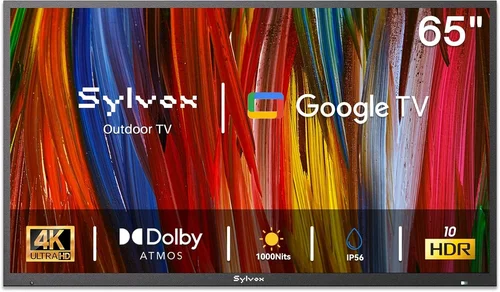
While all outdoor TVs are designed to resist moisture and dust, cold-weather models require additional structural integrity. The enclosure should be made from corrosion-resistant materials like powder-coated aluminum or marine-grade stainless steel, which won’t crack or degrade in freezing conditions. Pay close attention to the IP (Ingress Protection) rating—ideally IP55 or higher—which indicates resistance to water jets and dust ingress. However, IP ratings alone don’t account for thermal resilience, so combine this with material quality and seal integrity.
Sealed gaskets around ports, ventilation-free designs, and fully enclosed back panels are essential to prevent cold air infiltration and internal condensation. Some manufacturers go further by using conformal coating on internal circuit boards to protect against moisture and temperature fluctuations. For example, Peerless-AV’s Xtreme series uses a fully sealed chassis with no vents, eliminating the risk of ice formation inside the unit. This level of protection is crucial in regions where snow can accumulate on the TV or where freeze-thaw cycles are common.
4. Display Technology & Brightness
Outdoor visibility is a major challenge, especially in winter when overcast skies and snow glare can wash out images. For cold-weather outdoor TVs, brightness is paramount. Look for models with a minimum brightness of 700 nits, though 1000 nits or higher is ideal for snowy or bright winter days. High-brightness LED or QLED panels are preferred over standard LCDs, as they maintain color accuracy and contrast even in low-light or high-glare conditions.
Additionally, consider anti-reflective coatings and matte screen finishes, which reduce glare from snow or low-angle winter sun. Some premium models use quantum dot technology to enhance color vibrancy and brightness without increasing power consumption. For example, Samsung’s The Terrace features a 2,000-nit QLED display with anti-reflective coating, making it one of the brightest outdoor TVs on the market. This ensures that whether you’re watching a football game in January or a movie under string lights, the image remains crisp and vivid.
5. Smart Features & Connectivity
Modern outdoor TVs aren’t just about durability—they’re also expected to deliver the same smart functionality as indoor models. Ensure the TV runs a robust operating system like Android TV, webOS, or Tizen, with access to popular streaming apps such as Netflix, Disney+, and YouTube. Voice control via Google Assistant or Alexa is also valuable, especially when your hands are cold or gloved.
Connectivity options are equally important. Look for multiple HDMI ports (preferably HDMI 2.1 for 4K/120Hz content), USB inputs, and wireless capabilities like Wi-Fi 6 and Bluetooth 5.0. Some models include built-in speakers, but for immersive audio in open spaces, consider pairing the TV with weatherproof outdoor speakers. Also, check for compatibility with home automation systems like Control4 or Crestron, which allow centralized control of lighting, audio, and climate in your outdoor area.
6. Power Efficiency & Thermal Management
Cold weather can strain electronic components, leading to increased power consumption and potential overheating once the TV warms up. Efficient thermal management is essential to prevent shutdowns or damage. Look for TVs with passive cooling systems (no fans) that rely on heat-dissipating materials and strategic internal layouts. Active heating systems should be energy-efficient, using thermostats to activate only when necessary.
Power consumption is another consideration, especially if you’re running the TV for extended periods during winter gatherings. Models with Energy Star certification or low standby power draw (under 0.5W) are preferable. Some manufacturers include power-saving modes that dim the screen or reduce processing speed in cold conditions to maintain stability. For example, Seura’s Outdoor TVs feature adaptive power management that adjusts based on ambient temperature and usage patterns, helping to extend component life.
7. Warranty & Support
Given the investment and environmental challenges, a strong warranty is non-negotiable. Look for outdoor TVs with at least a 3-year comprehensive warranty that covers both parts and labor, including damage from cold weather or condensation. Some premium brands offer extended warranties or on-site service, which can be invaluable if the TV fails during a snowstorm.
Customer support responsiveness is equally important. Check reviews for how quickly manufacturers respond to service requests and whether they provide clear troubleshooting guides for cold-weather issues. Brands like SunBriteTV and Peerless-AV are known for their dedicated outdoor TV support teams, while larger consumer electronics companies may route inquiries through general service centers unfamiliar with outdoor-specific problems.
8. Size & Viewing Distance
Choosing the right screen size depends on your outdoor space and typical viewing distance. For patios or decks, a 55-inch to 65-inch TV is usually ideal, while larger backyards may benefit from 75-inch or 85-inch models. Use the 1.5x rule: multiply your viewing distance (in inches) by 1.5 to determine the optimal screen size. For example, if you’re sitting 10 feet (120 inches) away, a 65-inch TV (120 ÷ 1.5 ≈ 80 inches diagonal) would be suitable.
However, in cold weather, larger screens may take longer to warm up and consume more power. Balance size with efficiency—especially if you’re using a generator or solar power. Also, consider mounting options: full-motion articulating arms allow you to angle the TV away from snow or wind, while fixed mounts are more secure in high-winter-wind areas.
Different Types of Outdoor TVs for Cold Weather
Common Buying Mistakes to Avoid
❌ Mistake: Assuming All Outdoor TVs Are Cold-Weather Ready
Why it’s bad: Many consumers mistakenly believe that any TV labeled “outdoor” can handle freezing temperatures. In reality, most standard outdoor TVs are designed for mild climates and may fail or degrade in sub-zero conditions. Using an incompatible model can lead to screen cracking, power issues, or permanent damage.
What to do instead: Always verify the operating temperature range and look for explicit cold-weather certifications. Choose models specifically engineered for winter use, such as those with heated screens or thermal regulation systems.
❌ Mistake: Overlooking Power Requirements in Cold Climates
Why it’s bad: Cold weather increases power demands due to heating elements and reduced battery efficiency (if using portable power). Underestimating power needs can result in frequent shutdowns or the need for expensive generator upgrades.
What to do instead: Calculate total power consumption including heating, audio, and accessories. Opt for energy-efficient models and consider a dedicated outdoor circuit or solar setup with battery storage.
❌ Mistake: Ignoring Mounting and Ventilation Needs
Why it’s bad: Improper mounting can expose the TV to wind-driven snow or prevent proper heat dissipation. Some mounts block ventilation or don’t allow for tilt adjustments to avoid snow buildup.
What to do instead: Use a weatherproof, full-motion mount rated for outdoor use. Ensure there’s adequate clearance around the TV for airflow and easy access for maintenance.
❌ Mistake: Choosing Based on Indoor TV Specs Alone
Why it’s bad: Indoor TV specs like resolution and refresh rate don’t account for outdoor challenges like glare, condensation, or thermal stress. A 4K TV with poor brightness will look washed out in winter sunlight.
What to do instead: Prioritize outdoor-specific features like nits rating, anti-reflective coating, and thermal management over raw resolution or HDR support.
❌ Mistake: Skipping the Warranty Review
Why it’s bad: Cold-weather damage may not be covered under standard warranties. Some manufacturers exclude “environmental stress” or “condensation-related failures” from coverage.
What to do instead: Read the warranty terms carefully. Choose brands that explicitly cover cold-weather operation and offer extended service plans.
❌ Mistake: Buying Without Testing in Real Conditions
Why it’s bad: Lab-tested performance doesn’t always reflect real-world use. A TV might work in a showroom but fail during a winter storm due to wind chill or snow accumulation.
What to do instead: If possible, test the TV in your actual outdoor setup during colder months. Alternatively, rely on verified user reviews from similar climates.
❌ Mistake: Neglecting Audio Solutions
Why it’s bad: Built-in TV speakers are often inadequate for outdoor spaces, especially in windy or snowy conditions. Poor audio can ruin the viewing experience.
What to do instead: Invest in weatherproof outdoor speakers or a soundbar designed for exterior use. Consider wireless options to reduce cable clutter.
Budget Guidelines: How Much Should You Spend?
Outdoor TVs for cold weather represent a significant investment, but pricing varies widely based on features, size, and durability. Here’s a breakdown to help you align your budget with your needs:
- Entry-Level ($1,500 – $2,500): These are typically all-season models with basic weatherproofing and limited cold-weather capabilities. They may lack heated screens or thermal management but can work in mild winters with proper shelter. Ideal for covered patios in regions with infrequent freezing temperatures.
- Mid-Range ($2,500 – $4,000): This is the sweet spot for most buyers in cold climates. These TVs often include heated screens, improved brightness (700–1,000 nits), and robust enclosures. Brands like SunBriteTV and Seura offer reliable options in this range with 3-year warranties.
- Premium ($4,000 – $6,000): Designed for harsh winters, these models feature ultra-bright QLED or OLED displays, advanced thermal systems, and commercial-grade durability. They’re ideal for open decks, ski lodges, or mountain homes where performance and longevity are critical.
- Luxury ($6,000+): Top-tier units from brands like Peerless-AV or Samsung’s The Terrace series offer 8K resolution, AI-enhanced picture processing, and full smart home integration. These are best for high-end outdoor theaters or commercial installations requiring 24/7 reliability.
Expert Tips for Getting the Best Deal
- Buy During Off-Season: The best time to purchase an outdoor TV is in late winter or early spring (February–April). Retailers often discount remaining inventory to make room for new models, and you’ll have the unit ready for summer use.
- Compare Total Cost of Ownership: Factor in power consumption, warranty length, and potential repair costs. A cheaper TV with high energy use or poor durability may cost more long-term.
- Check Manufacturer Rebates: Some brands offer seasonal promotions or trade-in programs. SunBriteTV, for example, occasionally runs discounts for first-time buyers or bundled audio packages.
- Buy Direct or from Authorized Retailers: Purchasing from authorized dealers ensures warranty validity and access to genuine parts. Avoid third-party sellers on auction sites unless verified.
- Negotiate Installation Packages: Many retailers offer bundled pricing for TV + mount + installation. This can save 15–20% compared to buying separately.
- Read Climate-Specific Reviews: Look for user feedback from buyers in similar geographic regions. A TV that works well in Florida may not perform in Alaska.
- Consider Refurbished Models: Certified refurbished outdoor TVs from reputable brands can offer 20–30% savings with full warranty coverage.
- Test Before Committing: If possible, rent or borrow a similar model for a weekend during cold weather to evaluate performance in your specific environment.

Frequently Asked Questions
Q: Can I use a regular indoor TV outdoors in cold weather?
A: No. Indoor TVs are not designed to withstand moisture, temperature extremes, or UV exposure. Using one outdoors—even under cover—can void the warranty and lead to premature failure. Always use a TV specifically rated for outdoor use.
Q: How do heated screens work, and do they consume a lot of power?
A: Heated screens use thin, transparent resistive layers that warm the glass when temperatures drop. Most systems are thermostatically controlled and draw minimal power—typically 50–150 watts—only when needed. This is far less than a space heater and ensures reliable operation.
Q: Will snow damage my outdoor TV?
A: Not if it’s properly mounted and designed for cold weather. Heated screens prevent snow accumulation, and sealed enclosures protect internal components. However, avoid placing the TV where snow can pile up or slide off roofs.
Q: Do outdoor TVs work in direct sunlight during winter?
A: Yes, but brightness is key. Look for models with at least 1,000 nits and anti-reflective coatings. Even in winter, snow glare can be intense, so high brightness ensures visibility.
Q: Can I leave my outdoor TV on during a snowstorm?
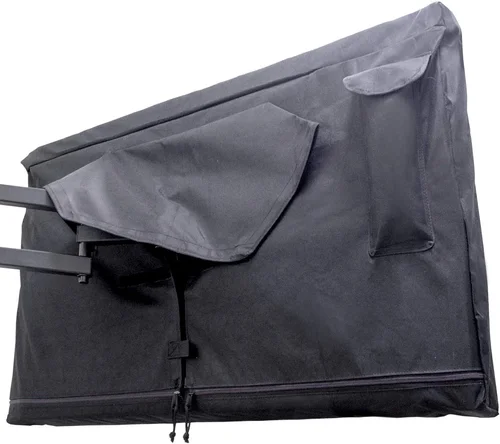
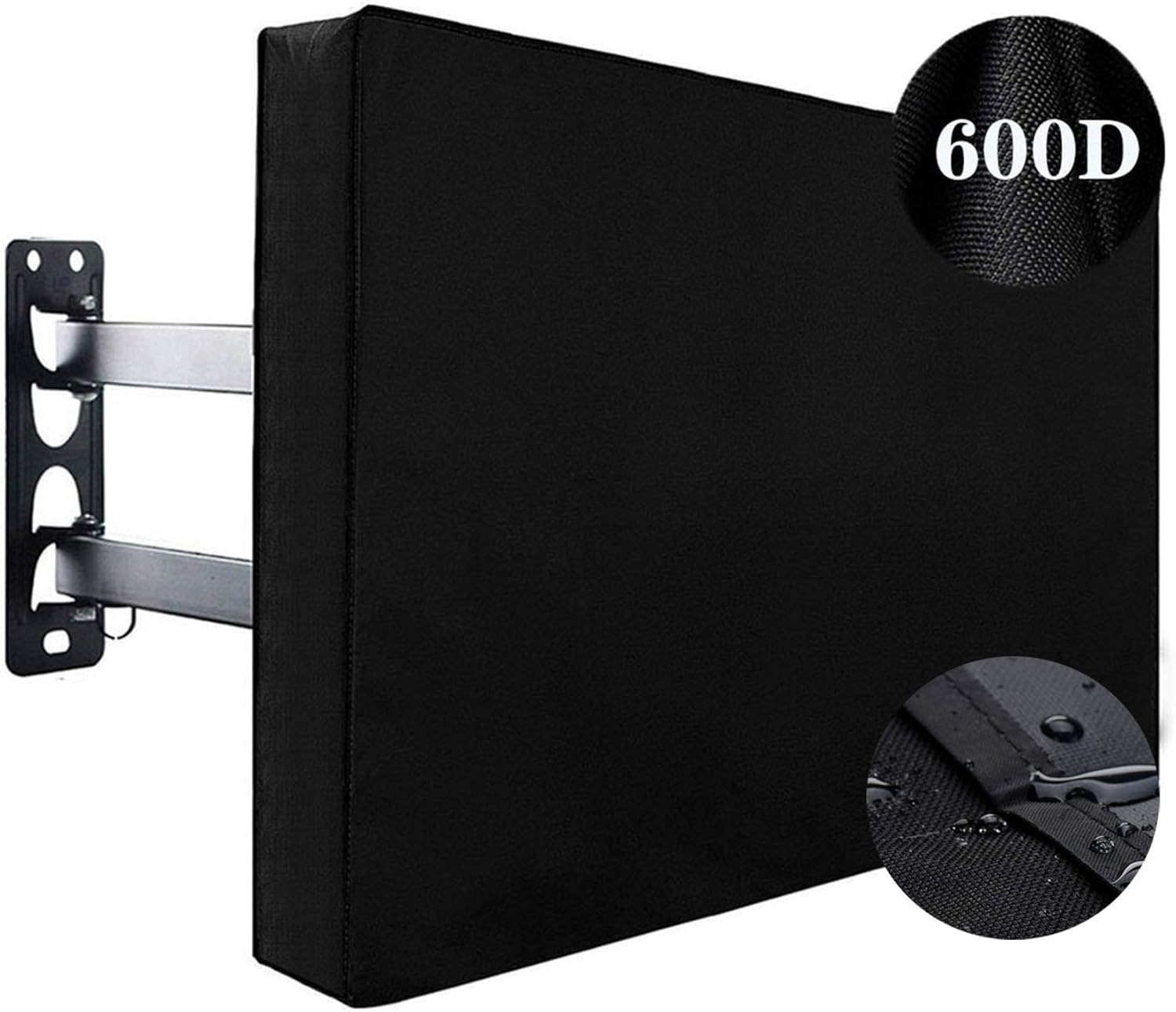
A: It’s not recommended. While the TV is weatherproof, prolonged exposure to heavy snow or ice can affect performance. Use a weatherproof cover when not in use, or install the TV under a sturdy overhang.
Q: Are outdoor TVs compatible with streaming devices like Roku or Apple TV?
A: Yes, most outdoor TVs have HDMI ports for external devices. However, ensure the streaming box is also protected from the elements or housed in a weatherproof enclosure.
Q: How long do outdoor TVs typically last in cold climates?
A: With proper care, a quality outdoor TV can last 7–10 years or more. Cold-weather models with robust thermal management tend to outlast standard outdoor units.
Q: Do I need a special mount for cold weather?
A: Yes. Use a mount rated for outdoor use with corrosion-resistant hardware. Full-motion mounts allow you to angle the TV away from snow or wind.
Q: Can I use my outdoor TV with a soundbar?
A: Absolutely. Many outdoor TVs support Bluetooth or optical audio output. Choose a weatherproof soundbar or connect to external outdoor speakers for better audio.
Q: What’s the difference between an all-season and a cold-weather outdoor TV?
A: All-season TVs are designed for mild climates and may not function below freezing. Cold-weather models include heated screens, thermal regulation, and components rated for sub-zero operation.
Our Final Recommendations
- Best for Budget-Conscious Buyers: SunBriteTV Veranda Series (55-inch) – Offers heated screen, 700-nit brightness, and solid build quality under $3,000. Ideal for covered patios in moderate cold climates.
- Best Overall Value: Seura Outdoor TV (65-inch) – Combines QLED display, 1,000-nit brightness, and adaptive thermal management at a competitive price. Excellent for most winter environments.
- Best Premium Option: Samsung The Terrace (75-inch) – Features 2,000-nit QLED, anti-reflective coating, and smart platform integration. Perfect for high-end outdoor theaters.
- Best for Beginners: Peerless-AV Xtreme (55-inch) – Fully sealed, fanless design with simple setup and reliable performance. Great for first-time outdoor TV buyers.
- Best for Advanced Users: SunBriteTV Pro Series (85-inch) – Commercial-grade durability, 4K HDR, and 24/7 operation capability. Ideal for tech-savvy users in extreme climates.
Conclusion: Making the Right Choice
Choosing the right outdoor TV for cold weather is about more than just picture quality—it’s about reliability, durability, and peace of mind during the harshest months of the year. By prioritizing cold-weather operating ranges, heated screen technology, and robust build quality, you ensure your investment delivers consistent performance season after season. Remember to consider your specific climate, viewing habits, and long-term needs when making your decision.
Don’t let marketing claims or indoor TV specs cloud your judgment. Focus on outdoor-specific features, read real user reviews, and invest in a model that’s truly built for the elements. Whether you’re hosting a Super Bowl party in the snow or enjoying a quiet movie night under the stars, the right outdoor TV will enhance your experience and withstand the test of time.
Take the time to compare models, ask questions, and plan your setup carefully. With the insights from this guide, you’re now equipped to make a smart, informed purchase that brings indoor entertainment excellence to your outdoor sanctuary—no matter how cold it gets.

