
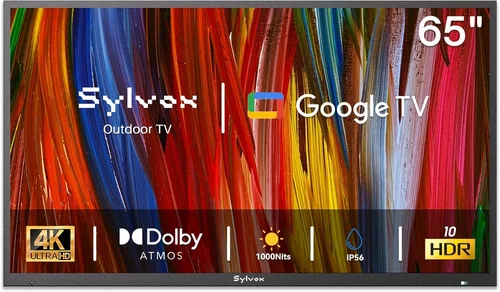
Outdoor entertainment has evolved dramatically over the past decade, and nowhere is this more evident than in the rise of the outdoor bar. Whether you’re hosting game nights under string lights, watching sunset cocktails with friends, or catching the big match while grilling, having a reliable outdoor television transforms your space from a simple patio into a true entertainment hub. But here’s the catch: not all TVs are built to handle the elements. Standard indoor televisions simply aren’t designed for direct sunlight, humidity, rain, or temperature swings—all common realities of outdoor living.
That’s where outdoor TVs come in. These purpose-built displays are engineered specifically for open-air environments, combining weatherproof construction with enhanced brightness and glare resistance to deliver a clear, vibrant picture no matter the conditions. With advancements in display technology, smart features, and ruggedized enclosures, today’s outdoor TVs offer performance that rivals—and often exceeds—their indoor counterparts. This guide exists because choosing the right outdoor TV isn’t as simple as picking the biggest screen or the lowest price. It requires understanding a unique set of technical, environmental, and lifestyle factors that directly impact your viewing experience.
In this comprehensive buying guide, you’ll learn everything you need to make an informed decision tailored to your outdoor bar setup. We’ll walk you through the critical specifications that matter most—like brightness levels, IP ratings, and thermal management—and explain why they’re non-negotiable for outdoor use. You’ll discover the different types of outdoor TVs available, from fully sealed all-weather models to partial outdoor solutions, and how to match them to your climate and usage patterns. We’ll also highlight common pitfalls shoppers fall into (like assuming any TV can go outside with a cover), provide realistic budget expectations across tiers, and share expert-backed tips for getting the best value. By the end, you’ll have the knowledge and confidence to select an outdoor TV that delivers stunning visuals, withstands the seasons, and enhances your outdoor bar for years to come.
The outdoor TV market has matured significantly, offering options across a wide spectrum of price points and capabilities. Major brands like Samsung, LG, Sony, and specialized manufacturers such as SunBriteTV, Seura, and Peerless have entered the space, each bringing their own approach to durability, image quality, and smart integration. At the same time, consumer demand has pushed innovation—brighter panels, slimmer profiles, better sound systems, and even solar-compatible models are now available. Yet despite this progress, confusion remains. Many buyers still conflate “outdoor-rated” with “weather-resistant,” or overlook essential features like anti-reflective coatings and passive cooling systems. Our goal is to cut through the marketing noise and give you a clear, actionable roadmap based on real-world performance and long-term reliability.

What to Look for When Buying Buying Guide
1. Brightness & Visibility in Sunlight
One of the most critical—and often misunderstood—factors when selecting an outdoor TV is brightness. Unlike indoor displays, which typically operate at 300–500 nits, outdoor TVs must combat direct sunlight, glare, and ambient light to remain visible. For shaded or covered outdoor bars, a minimum of 700 nits is recommended, but for areas exposed to partial or full sun, you’ll want at least 1,000–2,500 nits or higher. This high luminance ensures that colors stay vibrant and details remain sharp even during midday viewing.
Look for TVs with anti-reflective coatings and optically bonded screens. These technologies reduce glare by minimizing the air gap between the glass and the display panel, which otherwise causes light scattering. Some premium models also feature automatic brightness sensors that adjust output based on ambient lighting conditions—a smart feature for bars that transition from daytime brunches to evening gatherings. Avoid relying solely on manufacturer claims; check independent reviews that measure real-world brightness under outdoor conditions. A TV that looks great in a dim showroom may become unwatchable in your sun-dappled patio.
2. Weather Resistance & IP Rating
Outdoor TVs must withstand rain, snow, dust, humidity, and temperature extremes—sometimes all in the same week. This is where the Ingress Protection (IP) rating becomes essential. The IP code consists of two digits: the first indicates protection against solid particles (like dust), and the second against liquids (like rain). For outdoor use, look for a minimum rating of IP55, which means the TV is dust-protected and resistant to water jets from any direction. However, for uncovered or high-exposure locations, IP65 or higher is strongly advised.
Beyond the IP rating, examine the TV’s construction. Fully sealed outdoor TVs use gaskets, corrosion-resistant metals (like powder-coated aluminum), and internal climate control systems to prevent moisture ingress and component degradation. Some models even include hydrophobic coatings on circuit boards to repel condensation. Never assume that placing an indoor TV under a roof or awning makes it safe—wind-driven rain, humidity buildup, and temperature fluctuations can still damage internal electronics over time. True outdoor TVs are built from the ground up for these challenges.
3. Thermal Management & Cooling Systems
Heat is the silent killer of electronics, and outdoor environments can amplify this risk. Direct sunlight can raise a TV’s surface temperature well above ambient air temperature, while enclosed mounts or cabinets can trap heat and cause overheating. High-quality outdoor TVs incorporate advanced thermal management systems to regulate internal temperatures. Passive cooling—using heat sinks and vented enclosures—is common in many models, but some premium units include active cooling fans or even thermoelectric cooling modules.
Why does this matter? Overheating can lead to color shifts, reduced lifespan, and sudden shutdowns during critical moments (like the final inning of a playoff game). Look for TVs with thermal sensors that throttle brightness or activate cooling when needed. Also, consider your mounting location: avoid placing the TV in direct sunlight if possible, and ensure adequate airflow around the unit. If your outdoor bar has a built-in cabinet or niche, confirm that the TV’s cooling system is compatible with enclosed spaces—some models require open-air installation.
4. Display Technology & Picture Quality
While durability is paramount, you still want an outdoor TV that delivers excellent picture quality. Most outdoor TVs use either LED-LCD or OLED panels, each with distinct advantages. LED-LCD remains the dominant choice due to its higher peak brightness, lower cost, and better performance in bright conditions. Many outdoor models feature quantum dot technology (QLED) for richer colors and wider color gamuts. OLED, while offering superior contrast and deeper blacks, is less common outdoors because its organic compounds are more sensitive to UV exposure and humidity—though some manufacturers now offer UV-protected OLED variants.
Resolution is another key consideration. 4K UHD (3840 x 2160) is the standard for new outdoor TVs and provides sharp, detailed images even on large screens. If your outdoor bar is within 8–10 feet of seating, 4K is highly recommended. HDR (High Dynamic Range) support—especially HDR10 or Dolby Vision—enhances contrast and color depth, making skies bluer and shadows more nuanced. However, note that HDR performance depends heavily on brightness; a TV with weak HDR implementation may not deliver noticeable benefits in daylight.
5. Audio Performance & Sound Solutions
Outdoor acoustics are notoriously challenging. Wind, ambient noise from traffic or neighbors, and the open-air environment can quickly drown out built-in TV speakers. Most outdoor TVs include weather-resistant speakers, but their output is often limited—typically 10–20 watts—and may lack bass or clarity at higher volumes. For a true cinematic experience at your outdoor bar, consider pairing your TV with external weatherproof speakers or a soundbar designed for outdoor use.
Some premium outdoor TVs integrate high-wattage audio systems with dedicated subwoofers or Dolby Audio processing, but even these may struggle in noisy settings. Evaluate your audio needs based on usage: casual viewing might suffice with onboard sound, but parties or sports events will benefit from a robust external setup. Also, check connectivity options—Bluetooth, optical audio out, and HDMI ARC are essential for linking to wireless speakers or AV receivers.
6. Smart Features & Connectivity
Modern outdoor TVs aren’t just dumb screens—they’re full-fledged smart platforms. Look for models running established operating systems like Android TV, webOS (LG), or Tizen (Samsung), which offer access to streaming apps (Netflix, YouTube, Disney+), voice control via Google Assistant or Alexa, and regular software updates. This eliminates the need for external streaming devices and keeps your setup clean and integrated.
Connectivity is equally important. Ensure the TV has multiple HDMI ports (preferably HDMI 2.0 or higher for 4K/60Hz), USB inputs for media playback, and Wi-Fi/Bluetooth for wireless streaming. Some outdoor TVs also include weatherproof input covers to protect ports from moisture when not in use. If your outdoor bar includes gaming consoles, sound systems, or cable boxes, verify that the TV supports the necessary bandwidth and formats (e.g., ALLM for low-latency gaming).
7. Mounting Options & Installation Flexibility
How and where you mount your outdoor TV affects both aesthetics and functionality. Outdoor-specific mounts are designed to handle wind loads, corrosion, and weight distribution. Look for full-motion articulating mounts if you want to adjust the viewing angle, or fixed tilt mounts for permanent installations. Ensure the mount is compatible with your TV’s VESA pattern and rated for outdoor use—standard indoor mounts may rust or fail under exposure.
Consider the TV’s depth and profile. Some outdoor models are thicker than indoor equivalents due to protective housings, which can affect clearance in tight spaces. If your outdoor bar has a recessed wall or cabinet, measure carefully and confirm the TV’s dimensions. Professional installation is often recommended, especially for hardwired setups or complex mounting scenarios, to ensure safety and optimal performance.
8. Warranty & Manufacturer Support
Outdoor TVs represent a significant investment, so robust warranty coverage is non-negotiable. Most reputable brands offer 2–3 years of comprehensive warranty that includes parts, labor, and on-site service. Some even provide extended plans covering accidental damage or environmental wear. Avoid models with limited or pro-rated warranties that depreciate coverage over time.
Research the manufacturer’s support infrastructure. Do they have local service centers? Is customer service responsive? Brands like SunBriteTV and Seura specialize in outdoor displays and often provide better technical support than general electronics companies. Reading user forums and professional installer reviews can reveal insights into long-term reliability and post-purchase service quality.
Different Types of Buying Guide

Common Buying Mistakes to Avoid
❌ Mistake: Using an Indoor TV Outdoors with a Cover
Why it’s bad: Even with a weatherproof cover, indoor TVs lack the sealed construction, thermal regulation, and UV-resistant components needed for outdoor survival. Moisture can seep in through vents, and heat buildup can cause permanent damage within weeks.
What to do instead: Invest in a purpose-built outdoor TV or use a certified outdoor enclosure designed for your specific model. Never compromise on this—it’s a false economy that risks fire hazards and costly replacements.
❌ Mistake: Ignoring Brightness Requirements
Why it’s bad: A dim TV in sunlight becomes a reflective mirror, making content unwatchable. Many buyers assume “4K” or “smart” means visibility, but without sufficient nits, the experience is ruined.
What to do instead: Match brightness to your environment: 700+ nits for shade, 1,500+ for partial sun, and 2,500+ for full exposure. Test with a handheld lux meter if possible.
❌ Mistake: Overlooking Audio Needs
Why it’s bad: Relying solely on built-in speakers leads to muffled dialogue and weak sound during gatherings. Outdoor noise easily overwhelms low-wattage audio.
What to do instead: Plan for external weatherproof speakers or a soundbar from day one. Budget for audio as part of your total setup cost.
❌ Mistake: Choosing Based on Size Alone
Why it’s bad: A massive screen may look impressive, but if it’s too bright, poorly angled, or lacks resolution, it creates eye strain and poor viewing angles.
What to do instead: Use a screen size calculator based on seating distance (e.g., 65″ for 8–10 feet). Prioritize picture quality and viewing comfort over sheer dimensions.
❌ Mistake: Skipping Professional Installation
Why it’s bad: Improper mounting can lead to instability, water intrusion, or electrical issues. DIY attempts often void warranties.
What to do instead: Hire a certified installer familiar with outdoor AV setups. They’ll ensure proper grounding, cable management, and compliance with local codes.
❌ Mistake: Neglecting Future-Proofing
Why it’s bad: Buying a TV without HDMI 2.1, Wi-Fi 6, or smart OS updates limits compatibility with next-gen devices and streaming services.
What to do instead: Choose a model with upgradable software and modern connectivity. Think 5–7 years ahead, not just today’s needs.
Budget Guidelines: How Much Should You Spend?
Entry-Level ($800–$1,800): This tier typically includes partial outdoor TVs or indoor models in basic enclosures. Expect 700–1,000 nits brightness, limited smart features, and shorter warranties (1–2 years). Best for covered patios with minimal sun exposure and casual use. Brands like Vizio and TCL offer value-oriented options, but verify outdoor compatibility.
Mid-Range ($1,800–$3,500): The sweet spot for most outdoor bar owners. These TVs deliver 1,000–2,000 nits, robust weather resistance (IP55+), full smart platforms, and solid audio. Models from SunBriteTV’s Veranda series or LG’s OLED outdoor variants fall here. Ideal for semi-covered areas with mixed lighting conditions.
Premium ($3,500–$6,000): Designed for high-exposure environments and discerning viewers. Features include 2,000+ nits brightness, IP65+ ratings, advanced thermal management, and premium materials. Expect longer warranties (3+ years), superior color accuracy, and integrated sound systems. Perfect for uncovered decks or luxury outdoor kitchens.
Luxury ($6,000+): Top-tier commercial or custom solutions for resorts, high-end homes, or permanent installations. These include 24/7 operation capability, remote monitoring, modular designs, and bespoke finishes. Often used in hotel bars or yacht decks, they prioritize longevity and flawless performance under any condition.
Expert Tips for Getting the Best Deal
1. Time Your Purchase Around Seasonal Sales: Outdoor TVs see major discounts during spring (March–May) as retailers prepare for patio season, and again in late summer (August–September) during back-to-school and pre-holiday promotions. Black Friday and Prime Day also offer solid deals, but selection may be limited.
2. Buy Direct from Specialized Retailers: Stores like Crutchfield, Abt Electronics, or Outdoor TV Direct often carry deeper inventories of outdoor models and provide expert pre-sales support. They may also bundle mounts or warranties at a discount.
3. Consider Certified Refurbished Models: Reputable brands like SunBriteTV offer certified refurbished units with full warranties at 20–30% off retail. These are thoroughly tested and ideal for budget-conscious buyers who don’t need the latest model.
4. Negotiate Extended Warranties: Many retailers inflate warranty prices. Ask if they’ll match the manufacturer’s direct offering or include it free with purchase. A 3-year extended plan is usually worth it for outdoor use.
5. Check Return Policies Carefully: Outdoor TVs often have stricter return windows (14–30 days vs. 60+ for indoor models). Ensure you can test the unit in your actual environment before finalizing the purchase.
6. Leverage Trade-In Programs: Some manufacturers offer credit for old TVs, even if they’re not functional. This can offset costs significantly, especially when upgrading from an older indoor model.
7. Read Professional Installer Reviews: User reviews are helpful, but installers see hundreds of units in real-world conditions. Websites like AV forums or Reddit’s r/homeautomation often feature honest assessments of reliability and service.
8. Test Before You Commit: If possible, visit a showroom or dealer that has outdoor TVs set up in simulated conditions. Viewing a screen in bright light is the only way to judge true visibility.
Frequently Asked Questions
Q: Can I use a regular TV outdoors if it’s under a roof?
A: Technically yes, but it’s not recommended long-term. Even under cover, humidity, temperature swings, and wind-driven rain can damage internal components. For reliable, safe performance, choose a TV specifically rated for outdoor use.
Q: Do outdoor TVs consume more power?
A: Not necessarily. While higher brightness can increase energy use, many outdoor models use efficient LED backlights and power-saving modes. Look for ENERGY STAR certification to compare efficiency across models.
Q: How do I clean an outdoor TV screen?
A: Use a microfiber cloth and distilled water only. Avoid ammonia-based cleaners or paper towels, which can scratch anti-reflective coatings. For stubborn grime, lightly dampen the cloth—never spray liquid directly on the screen.
Q: Will an outdoor TV work in winter or freezing temperatures?
A: Yes, most outdoor TVs are rated for operation down to -22°F (-30°C). However, avoid turning the TV on immediately after bringing it in from extreme cold—allow it to acclimate to room temperature first to prevent condensation.
Q: Can I wall-mount an outdoor TV myself?
A: If you’re experienced with electrical work and structural mounting, yes—but professional installation is strongly advised. Improper mounting can void warranties and create safety hazards, especially in windy areas.
Q: Do outdoor TVs come with remotes that work in sunlight?
A: Most use standard IR remotes, which can struggle in bright light. Consider upgrading to a Bluetooth remote or using a smart hub (like Logitech Harmony) for more reliable control.
Q: Are outdoor TVs compatible with streaming devices like Roku or Apple TV?
A: Absolutely. All modern outdoor TVs have HDMI ports and support external streaming sticks. Some even include built-in apps, reducing the need for add-ons.
Q: How long do outdoor TVs typically last?
A: With proper care and installation, a quality outdoor TV should last 7–10 years. Commercial-grade models may exceed 10 years with regular maintenance.
Q: Can I connect my outdoor TV to a whole-home audio system?
A: Yes, via HDMI ARC, optical audio out, or Bluetooth. Consult your AV receiver’s specs to ensure compatibility with outdoor signal transmission.
Our Final Recommendations
Best for Budget-Conscious Buyers: SunBriteTV Veranda Series 55″ – At around $1,800, it offers 1,000 nits brightness, IP55 rating, and full smart functionality. Ideal for covered patios and delivers excellent value without sacrificing core outdoor features.
Best Overall Value: LG OLED G3 Outdoor Edition 65″ – Combining stunning OLED contrast with 1,500 nits peak brightness and IP65 protection, this model excels in both picture quality and durability. Priced around $3,200, it’s a standout for mixed lighting conditions.
Best Premium Option: Seura Ultra Bright 75″ – With 2,500 nits, military-grade sealing, and integrated acoustic audio, this TV is built for luxury outdoor bars. At $5,500, it’s an investment in flawless performance and longevity.
Best for Beginners: Peerless-AV Outdoor Smart TV 50″ – Easy setup, intuitive Android TV interface, and solid 1,200 nits brightness make this a great entry point. Includes a basic wall mount and 2-year warranty.
Best for Advanced Users: Samsung The Terrace 75″ Commercial – Designed for 24/7 operation, this model features modular design, remote monitoring, and extreme weather resilience. Perfect for tech-savvy owners who want enterprise-grade reliability.
Conclusion: Making the Right Choice
Choosing the right outdoor TV for your bar isn’t just about finding the shiniest screen—it’s about matching technology to environment, usage, and long-term enjoyment. We’ve covered the essentials: from brightness and weatherproofing to smart features and installation, every factor plays a role in ensuring your investment delivers value season after season. Remember, an outdoor TV is more than a gadget; it’s the centerpiece of your social space, the backdrop to memories, and a reflection of your commitment to quality outdoor living.
Don’t rush the decision. Prioritize your specific needs—whether that’s surviving a rainy Pacific Northwest winter or dazzling guests under desert sun—and let those requirements guide your selection. Use this guide as your checklist, consult professionals when needed, and never settle for indoor compromises. With the right TV, your outdoor bar becomes more than a place to drink—it becomes a destination.
Now that you’re equipped with expert knowledge, take the next step: measure your space, assess your lighting conditions, and start comparing models that fit your budget and lifestyle. Your perfect outdoor entertainment experience is within reach—make it count.

