
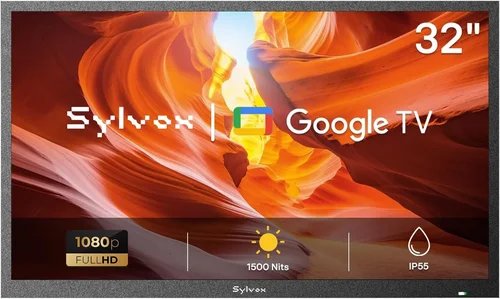
If you’ve ever tried watching your favorite gardening show or catching up on the evening news from your screened porch, only to squint at a washed-out screen or battle glare from the afternoon sun, you know how frustrating it can be. A standard indoor TV simply isn’t built for the unique conditions of a screened-in outdoor space—where humidity, temperature swings, insects, and ambient light all conspire to ruin your viewing experience. That’s why investing in a proper garden TV—a display specifically designed or well-suited for semi-outdoor environments like screened porches—isn’t just a luxury; it’s a necessity for anyone who wants to enjoy reliable, high-quality entertainment while staying connected to nature.
This comprehensive buying guide is designed to help you navigate the often-confusing world of outdoor and semi-outdoor televisions in 2026. Whether you’re a seasoned gardener looking to catch up on plant care tips during your morning coffee, a homeowner who loves hosting alfresco movie nights, or someone simply wanting to keep an eye on the kids playing in the yard while relaxing indoors, we’ll walk you through everything you need to know. From understanding key performance specs and durability requirements to comparing different types of displays and avoiding common pitfalls, this guide equips you with expert-level knowledge to make a confident, informed purchase. We’ll also break down real-world budget considerations, share insider tips for scoring the best deals, and answer the most frequently asked questions based on thousands of consumer experiences and professional testing.
The market for garden TVs has evolved significantly in recent years. What was once a niche category dominated by bulky, expensive “outdoor TVs” now includes a wide range of options—from weather-resistant models with built-in heaters and cooling fans to ultra-bright indoor TVs that perform surprisingly well under screened porches with controlled exposure. Brands like Samsung, LG, Sony, and specialized outdoor manufacturers such as Seura and SunBriteTV have expanded their offerings, making it easier than ever to find a model that fits both your lifestyle and your budget. However, with more choices comes more complexity. Not all “outdoor-ready” TVs are created equal, and many marketing claims can be misleading. Our goal is to cut through the noise and give you a clear, actionable roadmap to finding the perfect garden TV for your screened porch.

What to Look for When Buying Buying Guide
1. Brightness & Anti-Glare Performance
One of the most critical factors for any TV used on a screened porch is brightness—specifically, its ability to combat ambient light. Unlike indoor environments where lighting is controlled, screened porches are exposed to natural daylight, which can easily wash out standard TV screens. Look for a television with a peak brightness of at least 700 nits, though 1,000 nits or higher is ideal for sunny afternoons. This level of luminance ensures that colors remain vibrant and text remains legible even when sunlight filters through the screens.
Equally important is anti-glare technology. Many high-brightness outdoor TVs feature matte or anti-reflective coatings that diffuse light rather than reflecting it directly into your eyes. Some premium models also include optical bonding—a process where the glass layer is fused directly to the LCD panel—to reduce internal reflections and improve clarity. Avoid glossy screens unless you’re certain your viewing angle will always be shaded. A simple test: if you can see your own reflection clearly on the screen during the day, it’s likely too reflective for comfortable outdoor use.
2. Weather Resistance & Environmental Durability
Even though your TV will be under a screened porch—not fully exposed to rain or snow—it’s still subject to humidity, temperature fluctuations, dust, and insect intrusion. Standard indoor TVs aren’t sealed against these elements and can suffer premature failure due to moisture buildup or overheating. Therefore, look for models with an IP (Ingress Protection) rating, ideally IP55 or higher. An IP55 rating means the TV is protected against dust and low-pressure water jets from any direction, making it suitable for covered outdoor areas.
Additionally, consider the operating temperature range. Most indoor TVs are rated for 32°F to 95°F (0°C to 35°C), but screened porches can get much hotter in summer or colder in winter, especially if they’re not climate-controlled. Outdoor-rated TVs often support ranges from -22°F to 122°F (-30°C to 50°C), thanks to built-in thermal management systems like passive heat sinks or active cooling fans. Some even include internal heaters to prevent condensation in cold, damp conditions.
Don’t overlook ventilation. Ensure the TV has adequate airflow around it—never mount it flush against a wall without clearance. Poor ventilation leads to overheating, which can shorten the lifespan of internal components like the backlight and power supply.
3. Screen Size & Viewing Distance
Choosing the right screen size isn’t just about aesthetics—it directly impacts your viewing comfort and immersion. For most screened porches, a 55-inch to 65-inch TV strikes the perfect balance between visibility and space efficiency. However, this depends heavily on your seating arrangement and distance from the screen.
A good rule of thumb: multiply your viewing distance (in inches) by 0.84 to get the ideal screen diagonal in inches. For example, if you’ll be sitting 8 feet (96 inches) away, a 55-inch to 65-inch TV (96 × 0.84 ≈ 80 inches, but practical limits apply) works well. Going too large can cause eye strain, while too small may leave details hard to see—especially when watching nature documentaries or sports.
Also consider the aspect ratio and resolution. All modern garden TVs should be 4K UHD (3840 × 2160), which provides four times the detail of Full HD. This is especially important for larger screens, as lower resolutions appear pixelated when viewed up close. HDR (High Dynamic Range) support—particularly HDR10, Dolby Vision, or HLG—enhances contrast and color depth, making garden scenes and vibrant foliage look stunningly realistic.
Viewing Distance Guide
- 40–50 inches: Best for 5–7 feet
- 55–65 inches: Ideal for 7–10 feet
- 70–75 inches: Suitable for 10–12 feet
4. Connectivity & Smart Features
Your garden TV should do more than just display cable channels—it needs to integrate seamlessly into your smart home ecosystem. Look for models with robust connectivity options: at least three HDMI 2.1 ports (for gaming consoles, streaming devices, and soundbars), USB ports for media playback, and Ethernet or Wi-Fi 6 for stable internet access. Bluetooth support is a nice bonus for wireless headphones or speakers.
Smart TV platforms vary by brand, but prioritize those with intuitive interfaces and regular software updates. Samsung’s Tizen, LG’s webOS, and Google TV (found on Sony and TCL models) are among the most user-friendly and feature-rich. Ensure the platform supports popular streaming apps like Netflix, Disney+, YouTube, and Hulu—especially if you plan to use the TV for more than just live TV.
Voice control compatibility is another valuable feature. Models that work with Amazon Alexa, Google Assistant, or Apple Siri allow you to change channels, adjust volume, or search content hands-free—perfect when you’re gardening or cooking nearby. Some outdoor TVs even come with weather-resistant remotes or mobile app control to avoid fumbling with buttons in humid conditions.
5. Audio Quality & External Sound Options
Most TVs—even high-end ones—have underwhelming built-in speakers, and this is especially true for slim outdoor models designed to withstand the elements. While you might get by with internal audio for casual listening, true garden entertainment demands better sound. Look for TVs with at least 20W of total output and support for Dolby Audio or DTS:X for richer, more immersive audio.
However, the best approach is to pair your garden TV with an external sound system. Weather-resistant outdoor speakers or a waterproof soundbar mounted below the TV can dramatically improve audio clarity and volume. Many modern TVs support optical audio output, ARC (Audio Return Channel) via HDMI, or Bluetooth for wireless speaker pairing. If you’re planning a full outdoor entertainment setup, consider a receiver with multi-zone capability so you can play music in the garden while someone else watches TV inside.
6. Installation & Mounting Flexibility
How and where you mount your TV significantly impacts both performance and longevity. Screened porches often have limited wall space, so consider a full-motion or tilting wall mount that allows you to adjust the angle for optimal viewing—especially if your seating arrangement changes seasonally. VESA compatibility (the standard mounting pattern) is essential; most TVs support 200×200, 400×400, or larger patterns.
Outdoor-rated mounts are coated with rust-resistant materials like powder-coated steel or aluminum and include sealed hardware to prevent corrosion. Never use indoor mounts outdoors—even under cover—as moisture can seep into screw holes and cause structural failure over time.
Cable management is another often-overlooked detail. Use conduit or weatherproof raceways to protect power and HDMI cables from UV exposure and pests. Some premium outdoor TVs come with built-in cable channels or rear covers to keep wiring neat and protected.
7. Brand Reputation & Long-Term Reliability
Not all TV brands are equally committed to outdoor durability. While mainstream manufacturers like Samsung and LG offer some models suitable for screened porches, specialized brands like Seura, SunBriteTV, and Peerless-AV have built their reputations specifically around outdoor and semi-outdoor displays. These companies conduct rigorous environmental testing and often provide longer warranties for outdoor use.
Research customer reviews on platforms like Amazon, Best Buy, and specialty AV forums. Pay attention to comments about longevity, customer service responsiveness, and real-world performance in humid or sunny conditions. A TV that looks great in a showroom may falter after six months on a breezy porch. Brands with strong service networks and local repair options are preferable, especially if you live in a region with extreme weather.
8. Warranty & Support
Standard indoor TV warranties typically don’t cover damage from humidity, temperature extremes, or outdoor use. This is a critical distinction. Always verify whether the manufacturer explicitly supports outdoor or semi-outdoor installation. Some brands offer extended warranties or optional outdoor coverage plans for an additional fee.
Look for at least a 2-year warranty, with 3+ years being ideal. Premium outdoor TVs often come with 3- to 5-year warranties that include on-site service. Also check return policies—many retailers won’t accept returns on mounted or installed TVs, so ensure you’re confident in your choice before committing.
Different Types of Buying Guide

Common Buying Mistakes to Avoid
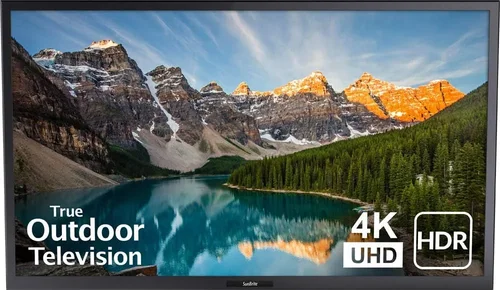
❌ Mistake: Assuming All Indoor TVs Work on Screened Porches
Why it’s bad: Indoor TVs lack the brightness, sealing, and thermal management needed for semi-outdoor environments. They can overheat, suffer screen burn-in from constant sunlight exposure, or fail prematurely due to humidity.
What to do instead: Choose a model explicitly rated for semi-outdoor use or pair an indoor TV with a certified outdoor enclosure. Always check the manufacturer’s installation guidelines.
❌ Mistake: Ignoring Viewing Angle and Glare
Why it’s bad: Even with high brightness, a poorly positioned TV can be unwatchable due to reflections from windows, screens, or nearby surfaces.
What to do instead: Mount the TV perpendicular to the primary light source and use blackout curtains or adjustable shades to control ambient light during peak hours.
❌ Mistake: Overlooking Audio Needs
Why it’s bad: Built-in TV speakers are rarely loud or clear enough for outdoor spaces, leading to frustratingly quiet dialogue or muffled sound.
What to do instead: Invest in weather-resistant outdoor speakers or a soundbar. Test audio at your typical listening distance before finalizing your setup.
❌ Mistake: Skimping on Mounting Hardware
Why it’s bad: Indoor mounts rust quickly in humid conditions, risking TV damage or injury from falling equipment.
What to do instead: Use only outdoor-rated, corrosion-resistant mounts with sealed bolts and adequate weight capacity (at least 1.5x the TV’s weight).
❌ Mistake: Not Planning for Cable Management
Why it’s bad: Exposed cables degrade faster outdoors and attract pests. They also create tripping hazards and look messy.
What to do instead: Run cables through UV-resistant conduit or use in-wall solutions if your porch structure allows. Label all connections for easy troubleshooting.
❌ Mistake: Buying Based Solely on Price
Why it’s bad: The cheapest option often lacks essential features like brightness, sealing, or smart functionality, leading to buyer’s remorse.
What to do instead: Prioritize value over cost. A mid-range semi-outdoor TV often outperforms a budget indoor model in real-world conditions.
❌ Mistake: Neglecting Warranty Terms
Why it’s bad: Many warranties void coverage if the TV is used outdoors—even under cover.
What to do instead: Read the fine print. Choose brands that explicitly support semi-outdoor use and offer extended service plans.
Budget Guidelines: How Much Should You Spend?
Entry-Level ($600 – $1,200): This tier includes basic indoor TVs (e.g., TCL 4-Series, Hisense U6) paired with third-party outdoor enclosures. While affordable, these setups require careful installation and may lack long-term reliability. Best for shaded porches with minimal sun exposure and infrequent use.
Mid-Range ($1,200 – $2,500): The sweet spot for most homeowners. Models like the Samsung The Terrace Partial Sun or LG OLED Flex offer high brightness (800–1,200 nits), smart features, and decent weather resistance. These TVs balance performance, durability, and price, making them ideal for regular use on moderately exposed porches.
Premium ($2,500 – $4,500): Designed for enthusiasts and frequent entertainers. Brands like Seura and SunBriteTV dominate this space with fully sealed cabinets, advanced thermal regulation, and professional-grade components. Expect 1,500+ nits brightness, IP56 ratings, and 3- to 5-year warranties. Perfect for large porches or homes in extreme climates.
Luxury ($4,500+): Top-tier commercial or custom solutions. These include modular displays, built-in heating/cooling systems, and integration with home automation. Ideal for luxury estates, botanical gardens, or commercial properties where reliability and aesthetics are paramount.
Expert Tips for Getting the Best Deal
- Shop during seasonal sales: Look for discounts in late winter (February–March) or post-holiday periods (January). Many retailers clear out inventory before new models arrive.
- Compare online and in-store pricing: Online retailers often offer better deals, but local AV specialists may include free installation or extended warranties.
- Bundle with accessories: Some sellers offer discounts when you purchase a TV, mount, and sound system together.
- Check manufacturer rebates: Brands like Samsung and LG frequently run rebate programs for outdoor TV purchases.
- Test before you buy: If possible, view the TV in person under bright lighting to assess glare and color accuracy.
- Negotiate installation services: Many retailers provide free or discounted mounting if you buy the hardware from them.
- Consider refurbished models: Certified pre-owned outdoor TVs from reputable sellers can save 20–30% with full warranty coverage.
- Read return policies carefully: Ensure you can return the TV if it doesn’t perform as expected in your specific environment.

Frequently Asked Questions
Q: Can I use a regular indoor TV on my screened porch?
A: Technically yes, but it’s not recommended for long-term use. Indoor TVs aren’t sealed against humidity and lack the brightness needed for daylight viewing. Over time, moisture can damage internal components, and the screen may become unwatchable in sunlight. If you must use an indoor TV, pair it with a certified outdoor enclosure and limit exposure to extreme conditions.
Q: Do I need a special power outlet for an outdoor TV?
A: Not necessarily, but you should use a GFCI (Ground Fault Circuit Interrupter) outlet for safety, especially in damp areas. Ensure the outlet is weatherproof and located within code-compliant distance from the TV. Never use extension cords permanently—hardwire or use a heavy-duty outdoor-rated power strip instead.
Q: How do I protect my TV from insects?
A: Screened porches reduce but don’t eliminate insect intrusion. Choose a TV with a sealed rear panel and avoid models with open ventilation grilles. Some outdoor TVs include mesh filters over vents. Regular cleaning and keeping the area free of food debris also helps deter pests.
Q: Will my Wi-Fi work reliably outdoors?
A: Wi-Fi signals can weaken through screens and walls. For best results, use a Wi-Fi extender or mesh network node near the porch. Alternatively, run an Ethernet cable for a wired connection—more reliable for 4K streaming.
Q: Can I leave my garden TV on all day?
A: Most semi-outdoor TVs are designed for intermittent use (4–8 hours daily). Continuous operation can strain components unless it’s a commercial-grade model rated for 24/7 use. Turn it off when not in use to extend lifespan.
Q: What’s the difference between “partial sun” and “full sun” outdoor TVs?
A: Partial sun models are intended for covered areas like screened porches with indirect light. Full sun TVs are built for direct sunlight exposure (e.g., open patios) and feature higher brightness (2,000+ nits), stronger cooling, and enhanced UV protection. Using a partial sun TV in full sun may result in overheating or reduced visibility.
Q: Are OLED TVs suitable for screened porches?
A: OLEDs offer stunning contrast and color but are more susceptible to burn-in and degradation in high-heat environments. Some newer models (like LG’s OLED Flex) include heat-dissipating designs and are rated for semi-outdoor use, but they’re expensive and best suited for shaded areas.
Q: How often should I clean my outdoor TV?
A: Clean the screen monthly with a microfiber cloth and distilled water. Avoid ammonia-based cleaners. Inspect seals and vents every 3–6 months for dust or debris buildup.
Q: Can I mount my TV on a post or freestanding frame?
A: Yes, but ensure the structure is sturdy, level, and anchored securely. Use outdoor-rated post mounts and account for wind load, especially in open-sided porches.
Q: What happens if my TV gets rained on?
A: Even under a screened porch, wind-driven rain can reach the TV. If it’s a certified semi-outdoor model with an IP55+ rating, minor exposure shouldn’t cause damage. However, avoid direct water contact. For added protection, install an awning or retractable canopy.
Our Final Recommendations
Best for Budget-Conscious Buyers: TCL 6-Series (55” or 65”) + Peerless-AV Outdoor Enclosure
Why: Excellent 4K HDR performance, 800+ nits brightness, and Roku smart platform at a fraction of the cost of dedicated outdoor TVs. The enclosure adds weather protection without breaking the bank.
Best Overall Value: Samsung The Terrace Partial Sun (55” or 65”)
Why: Designed specifically for covered outdoor spaces, it delivers 1,500 nits brightness, IP55 rating, and seamless integration with Samsung’s ecosystem. Reliable, feature-rich, and backed by strong customer support.
Best Premium Option: SunBriteTV Veranda Series (65”)
Why: Built like a tank with IP56 sealing, 2,000 nits brightness, and commercial-grade components. Ideal for large porches or homes in humid, sunny climates. Comes with a 3-year warranty.
Best for Beginners: LG OLED Flex (42” or 48”)
Why: Compact, stylish, and surprisingly capable for semi-outdoor use. Features heat-resistant OLED panel, Dolby Vision, and webOS smart platform. Great for smaller porches or secondary viewing areas.
Best for Advanced Users: Seura Outdoor TV with Custom Mounting Kit
Why: Fully customizable, modular design with options for built-in speakers, heating, and smart home integration. Perfect for tech-savvy homeowners who want a seamless, high-performance outdoor entertainment system.
Conclusion: Making the Right Choice
Choosing the right garden TV for your screened porch is about more than just picking a screen that fits on the wall—it’s about creating a reliable, enjoyable outdoor living experience that stands up to the elements while delivering exceptional picture and sound quality. Throughout this guide, we’ve covered the essential factors: brightness and anti-glare performance, weather resistance, proper sizing, smart connectivity, audio solutions, mounting considerations, brand reliability, and warranty protection. We’ve also highlighted common pitfalls, provided realistic budget tiers, and shared expert strategies for maximizing value.
Remember, the best TV for you depends on your specific environment, usage patterns, and personal preferences. A shaded porch in Seattle has very different needs than a sun-drenched lanai in Arizona. Take the time to assess your space, measure your viewing distance, and prioritize features that matter most to your lifestyle. Don’t rush the decision—investing in a quality semi-outdoor TV pays dividends in comfort, entertainment, and long-term satisfaction.
Finally, don’t hesitate to consult with local AV professionals or read detailed user reviews from people in similar climates. And once you’ve made your choice, enjoy the simple pleasure of watching your favorite shows surrounded by greenery, fresh air, and the gentle hum of nature. Your screened porch isn’t just an extension of your home—it’s a sanctuary. Make sure your TV does it justice.

