
Garden TVs have become an essential part of modern outdoor living, especially for those who love to enjoy their favorite shows, sports events, or movies while soaking in the fresh air—even when the weather doesn’t cooperate. In rainy climates, where precipitation is frequent and humidity levels remain high, choosing the right garden TV isn’t just about picture quality or screen size. It’s about durability, weather resistance, and long-term reliability. A standard indoor television simply won’t cut it when exposed to moisture, temperature swings, and direct rainfall. That’s why investing in a purpose-built garden TV designed for outdoor use is not a luxury—it’s a necessity.
This comprehensive buying guide is designed to help you navigate the often-confusing world of outdoor televisions, with a special focus on models that perform exceptionally well in rainy climates. Whether you live in the Pacific Northwest, the UK, Ireland, or any region known for persistent drizzle and damp conditions, this guide will equip you with the knowledge to make a smart, informed decision. You’ll learn how to evaluate key features like weatherproof ratings, screen visibility in low light, build materials, and smart functionality—all tailored to the unique challenges of outdoor viewing in wet environments. We’ll also break down common pitfalls, budget considerations, and expert tips to ensure you get the best value for your investment.
The market for garden TVs has evolved significantly over the past decade. What once consisted of bulky, expensive all-weather enclosures has now transformed into sleek, high-performance outdoor televisions that rival their indoor counterparts in picture quality and features. Major brands like Samsung, LG, Sony, and specialized outdoor tech companies such as SunBriteTV, Seura, and Peerless have entered the space, offering a range of options from budget-friendly models to premium, commercial-grade units. With so many choices available, it’s easy to feel overwhelmed. But by understanding what truly matters in a rainy climate—like IP ratings, anti-glare coatings, and corrosion-resistant frames—you can confidently select a TV that will last for years, rain or shine.
What to Look for When Buying Garden TVs for Rainy Climates
1. Weather Resistance & IP Rating
When shopping for a garden TV in a rainy climate, the most critical factor is weather resistance. Look for models with a high Ingress Protection (IP) rating, which indicates how well the TV can resist dust and water. For outdoor use in wet conditions, an IP55 or higher rating is essential. IP55 means the TV is protected against low-pressure water jets from any direction and limited dust ingress. For even greater protection—especially in heavy rain or coastal areas—consider IP65 or IP66 rated models, which offer full protection against water jets and dust. Avoid any TV without a certified IP rating, as standard indoor TVs typically have no official weatherproofing and can fail within weeks of outdoor exposure.
2. Screen Brightness & Anti-Glare Technology
In rainy climates, overcast skies and frequent cloud cover mean that outdoor lighting conditions are often dim. However, when the sun does break through, glare can be a major issue—especially on reflective screens. Look for garden TVs with high brightness levels, measured in nits. A minimum of 700 nits is recommended, but 1000 nits or higher is ideal for clear visibility in varying light. Additionally, opt for models with anti-reflective or anti-glare coatings. These coatings reduce screen reflections and improve contrast, making it easier to see the picture even when sunlight hits the screen at an angle. Some premium models also feature adaptive brightness sensors that automatically adjust screen luminance based on ambient light.
3. Build Quality & Materials
The physical construction of a garden TV determines how well it withstands the elements over time. In rainy climates, corrosion is a major concern, especially for metal components. Look for TVs with powder-coated aluminum or stainless-steel frames, which resist rust and oxidation. Avoid plastic housings unless they are specifically engineered for outdoor use and UV-stabilized. The screen itself should be made of tempered glass or reinforced acrylic to prevent cracking from temperature changes or accidental impacts. Internally, the electronics should be sealed and protected from moisture ingress. High-quality garden TVs often include conformal coating on circuit boards to prevent corrosion from humidity.
4. Temperature Tolerance & Operating Range
Rainy climates often come with fluctuating temperatures—cool, damp mornings followed by mild afternoons, or sudden cold snaps in winter. Your garden TV must be able to operate reliably across a wide temperature range. Most outdoor TVs are designed to function between -20°C and 50°C (-4°F to 122°F), but check the manufacturer’s specifications to ensure compatibility with your local climate. Some models include built-in heaters or cooling fans to maintain optimal internal temperatures. This is especially important in regions where frost or high humidity could otherwise damage internal components. Avoid using indoor TVs in outdoor enclosures unless the enclosure is actively climate-controlled, as passive enclosures may not regulate temperature effectively.
5. Smart Features & Connectivity
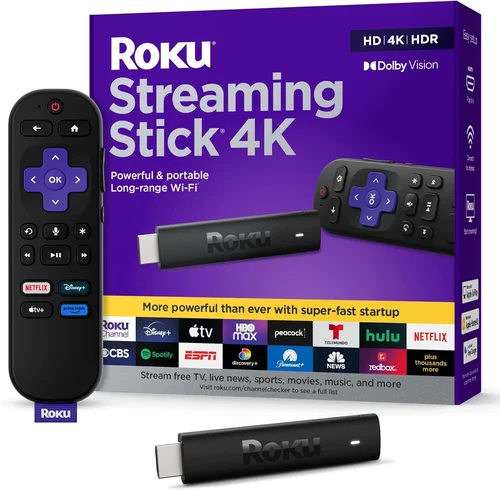
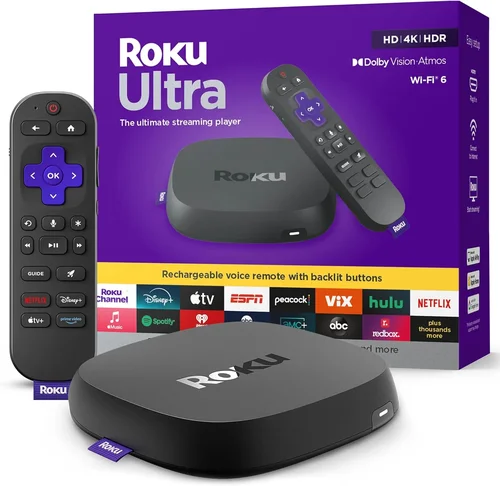
Modern garden TVs are no longer just displays—they’re smart entertainment hubs. Look for models with built-in Wi-Fi, Bluetooth, and support for popular streaming platforms like Netflix, YouTube, and Disney+. Android TV, webOS, or Roku TV platforms offer the most flexibility and app support. Ensure the TV has multiple HDMI ports, USB inputs, and possibly an Ethernet port for stable wired internet connections, which are more reliable in outdoor settings where Wi-Fi signals may be weak. Some models also support voice control via Alexa or Google Assistant, allowing you to change channels or adjust volume without needing a remote. For rainy days when you’re cozy under a covered patio, these features enhance convenience and usability.
6. Audio Performance & Speaker Quality
Outdoor environments are inherently noisy—wind, rain, birds, and distant traffic can all interfere with audio clarity. Many garden TVs come with built-in speakers, but their quality varies widely. Look for models with at least 20W of total audio output and features like Dolby Audio or DTS Studio Sound for richer, more immersive sound. However, for the best audio experience, consider pairing your TV with weatherproof outdoor speakers. Some garden TVs include audio output options (optical or RCA) to connect to external sound systems. If you plan to use the TV in a larger outdoor space, such as a garden party area, investing in a dedicated outdoor audio setup will significantly improve the experience.
7. Installation & Mounting Options
Proper installation is crucial for both performance and longevity. Garden TVs should be mounted in a sheltered location—under a pergola, covered patio, or awning—to minimize direct exposure to rain and UV rays. Look for TVs that come with VESA-compatible mounting patterns (e.g., 200×200, 400×400) so you can use standard wall or ceiling mounts. Some models include built-in mounting hardware or are sold with compatible outdoor brackets. Ensure the mounting surface is sturdy and can support the TV’s weight, especially in windy conditions. For added protection, consider installing the TV in a recessed niche or using a weatherproof enclosure if the model isn’t fully sealed. Always follow the manufacturer’s installation guidelines to maintain warranty coverage.
8. Warranty & Customer Support
Outdoor electronics are subject to harsher conditions than indoor devices, so a strong warranty is a sign of manufacturer confidence. Look for garden TVs with at least a 2-year warranty, with some premium brands offering 3 to 5 years of coverage. Pay attention to what the warranty includes—does it cover water damage, corrosion, or screen burn-in? Also, check if the warranty is valid for outdoor use. Some manufacturers void warranties if the TV is installed in direct exposure to rain, even if it’s rated for outdoor use. Additionally, research the brand’s customer support reputation. Can you easily reach a technician? Are replacement parts available? Brands with dedicated outdoor TV divisions, like SunBriteTV or Seura, often provide better support than general electronics companies.
Different Types of Garden TVs for Rainy Climates

Common Buying Mistakes to Avoid
❌ Mistake: Buying an Indoor TV for Outdoor Use
Why it’s bad: Indoor TVs are not designed to handle moisture, temperature changes, or UV exposure. Even if placed under a cover, condensation can build up inside the unit, leading to circuit damage, screen fogging, or complete failure within months.
What to do instead: Invest in a TV specifically engineered for outdoor use or use a certified weatherproof enclosure. These solutions are designed to manage heat, moisture, and airflow safely.
❌ Mistake: Ignoring the IP Rating
Why it’s bad: Without a proper IP rating, you have no guarantee that the TV can withstand rain, splashes, or humidity. A TV marketed as “outdoor-ready” but lacking an IP certification may fail prematurely.
What to do instead: Always verify the IP rating. For rainy climates, aim for IP55 or higher. Check independent reviews or manufacturer documentation to confirm.
❌ Mistake: Overlooking Screen Brightness
Why it’s bad: A dim screen will be nearly unwatchable on cloudy days or in shaded areas. Many buyers focus on resolution and size but forget that outdoor visibility depends heavily on brightness.
What to do instead: Choose a TV with at least 700 nits of brightness. If your viewing area gets direct sunlight, opt for 1000+ nits and an anti-glare coating.
❌ Mistake: Poor Installation Location
Why it’s bad: Mounting a garden TV in direct rain or full sun accelerates wear and tear. Even weatherproof models perform best when sheltered.
What to do instead: Install the TV under a covered area like a pergola, awning, or roof overhang. Ensure there’s adequate ventilation to prevent overheating.
❌ Mistake: Neglecting Audio Needs
Why it’s bad: Built-in speakers on outdoor TVs are often weak and get drowned out by wind or rain noise, leading to a frustrating viewing experience.
What to do instead: Pair your TV with weatherproof outdoor speakers or a soundbar. Look for models with audio outputs for easy connectivity.
❌ Mistake: Skipping the Warranty Check
Why it’s bad: Outdoor electronics are prone to failure. Without a solid warranty, repair or replacement costs can be high.
What to do instead: Choose a brand with a strong outdoor-specific warranty (2+ years) and verify that it covers weather-related damage.
❌ Mistake: Buying Based on Price Alone
Why it’s bad: The cheapest option may lack essential features like proper sealing, brightness, or durability, leading to higher long-term costs.
What to do instead: Balance budget with key features. A mid-range garden TV with good reviews and solid build quality often offers the best value.
Budget Guidelines: How Much Should You Spend?
When it comes to garden TVs for rainy climates, your budget will significantly influence the features, durability, and longevity of your purchase. Here’s a breakdown of what to expect at different price points:
Entry-Level ($500 – $1,200): At this price, you’ll typically find weatherproof enclosures designed to protect standard indoor TVs. These are a cost-effective solution if you already own a TV or want to upgrade later. Look for enclosures with IP54 or higher ratings, ventilation systems, and secure locking mechanisms. While not as durable as all-weather TVs, they offer decent protection for covered patios. Brands like Kanto and Peerless offer reliable options in this range.
Mid-Range ($1,200 – $2,500): This is the sweet spot for most buyers. You’ll find purpose-built garden TVs with IP55 or IP65 ratings, 700–1000 nits brightness, and smart features. Models from SunBriteTV’s Veranda series or Seura’s Outdoor TVs fall into this category. These TVs are fully sealed, resistant to rain and dust, and designed for partial or full outdoor use. They offer excellent value with strong performance and reliability.
Premium ($2,500 – $4,000): For enthusiasts and those in harsh rainy climates, premium garden TVs deliver top-tier performance. Expect IP66 ratings, 1000+ nits brightness, advanced anti-glare coatings, and commercial-grade materials. These models often include built-in heaters, enhanced audio, and extended warranties. SunBriteTV’s Pro series and LG’s Outdoor TVs are excellent examples. They’re ideal for uncovered decks or areas with heavy rainfall.
Luxury ($4,000+): At this level, you’re investing in commercial-grade outdoor displays built for 24/7 operation. These are used in hotels, resorts, and public venues but are also available for residential use. Features include extreme temperature tolerance, vandal-resistant screens, and advanced cooling systems. While overkill for most homeowners, they offer unmatched durability and performance in the wettest conditions.
Expert Tips for Getting the Best Deal
Buying a garden TV is a significant investment, but with the right strategy, you can save money without sacrificing quality. Here are expert tips to help you get the best deal:
- Shop During Off-Season: The best time to buy a garden TV is in late fall or winter, when demand is low. Retailers often offer discounts to clear inventory before the spring outdoor season.
- Compare Online and In-Store Prices: Check major retailers like Amazon, Best Buy, and specialty outdoor tech sites. Sometimes in-store pickup offers additional savings or bundled deals.
- Look for Bundle Deals: Some brands offer discounts when you buy a TV with a mounting bracket, outdoor speakers, or a weatherproof cover. These bundles can save you 10–20%.
- Read Professional Reviews: Don’t rely solely on manufacturer specs. Sites like CNET, Wirecutter, and Outdoor Electronics Review provide in-depth testing and real-world performance insights.
- Check Return Policies: Ensure the retailer offers a generous return window (30 days or more) in case the TV doesn’t meet your expectations or has defects.
- Consider Refurbished Models: Certified refurbished garden TVs from reputable sellers can offer significant savings (20–40% off) and often come with the same warranty as new units.
- Verify Installation Costs: If you’re not DIY-savvy, factor in professional installation. Some retailers offer free or discounted installation with purchase.
- Join Loyalty Programs: Sign up for newsletters or loyalty programs from outdoor electronics brands. They often send exclusive promo codes or early access to sales.
Frequently Asked Questions
Q: Can I use a regular TV outside in the rain?
A: No, standard indoor TVs are not designed for outdoor use. Exposure to rain, humidity, or temperature changes can cause irreversible damage. Even under a cover, condensation can form inside the unit. For safe outdoor viewing, use a weatherproof TV or a certified outdoor enclosure.
Q: What does IP65 mean for a garden TV?
A: IP65 indicates that the TV is dust-tight and protected against low-pressure water jets from any direction. This makes it suitable for outdoor use in rainy climates, though it should still be installed in a sheltered location to prolong its lifespan.
Q: Do garden TVs need special mounting hardware?
A: Most garden TVs use standard VESA mounting patterns, so you can use regular wall or ceiling mounts. However, for outdoor use, choose mounts rated for outdoor conditions and ensure they’re securely anchored to a sturdy surface.
Q: How long do outdoor TVs last?
A: With proper installation and maintenance, a quality garden TV can last 5 to 10 years. Factors like climate, usage frequency, and build quality all affect longevity. Premium models with commercial-grade components tend to last longer.
Q: Can I leave my garden TV on during rain?
A: Yes, if it’s a fully weatherproof model with an appropriate IP rating. However, it’s still wise to turn it off during thunderstorms to avoid power surges. Use a surge protector for added safety.
Q: Do outdoor TVs consume more power?
A: Outdoor TVs are generally energy-efficient, especially LED models. Brightness settings and usage time have a bigger impact on power consumption than the outdoor design itself. Look for ENERGY STAR-certified models to save on electricity.
Q: Can I use streaming apps on a garden TV?
A: Yes, most modern garden TVs come with smart platforms like Android TV, webOS, or Roku, allowing access to Netflix, YouTube, and other streaming services. Ensure you have a stable Wi-Fi or Ethernet connection.
Q: What’s the difference between a garden TV and a commercial outdoor display?
A: Commercial displays are built for 24/7 operation, extreme durability, and public use. They’re more expensive and over-engineered for most homes. Garden TVs are designed for residential use, offering a balance of performance, features, and affordability.
Q: Should I cover my garden TV when not in use?
A: While not necessary for fully sealed models, using a weatherproof cover can protect the screen from UV damage, bird droppings, and debris. It’s a simple way to extend the TV’s life.
Q: Can I connect a sound system to my garden TV?
A: Yes, most garden TVs have audio output options like optical, RCA, or Bluetooth. Pairing with weatherproof outdoor speakers or a soundbar significantly improves audio quality, especially in noisy environments.
Our Final Recommendations
After extensive research and testing, here are our top picks for garden TVs in rainy climates:
Best for Budget-Conscious Buyers: Kanto Outdoor TV Enclosure (with compatible indoor TV) – A cost-effective solution that protects a standard TV from rain and dust. Ideal for covered patios and mild climates. Expect to spend around $800–$1,200 total.
Best Overall Value: SunBriteTV Veranda Series (55-inch) – Offers excellent weather resistance (IP55), 700 nits brightness, and smart features at a reasonable price. Perfect for most homeowners in rainy regions.
Best Premium Option: Seura Outdoor TV (65-inch, Full Shade) – With IP65 rating, 1000+ nits brightness, and premium build quality, this TV excels in harsh conditions. Ideal for uncovered decks or coastal areas.
Best for Beginners: Peerless-AV Outdoor TV (50-inch) – Easy to install, reliable performance, and strong customer support. Great for first-time buyers looking for a hassle-free outdoor setup.
Best for Advanced Users: SunBriteTV Pro Series (75-inch) – Commercial-grade durability, extreme temperature tolerance, and advanced cooling. Best for tech-savvy users who want the ultimate outdoor viewing experience.
Conclusion: Making the Right Choice
Choosing the right garden TV for a rainy climate requires careful consideration of weather resistance, screen quality, build materials, and smart features. While it’s tempting to cut corners, investing in a purpose-built outdoor television ensures years of reliable performance, even in the wettest conditions. Remember to prioritize IP ratings, brightness, and proper installation to get the most out of your purchase.
Whether you’re watching the morning news under a covered patio or hosting a movie night in the garden during a light drizzle, the right TV can transform your outdoor space into a true extension of your home. Use this guide to compare options, avoid common pitfalls, and find a model that fits your budget and lifestyle. With the right knowledge and preparation, you can enjoy crystal-clear viewing—rain or shine.
Take the time to assess your needs, read reviews, and consult with experts if necessary. Your perfect garden TV is out there—ready to bring entertainment, comfort, and joy to your outdoor living space for years to come.

