
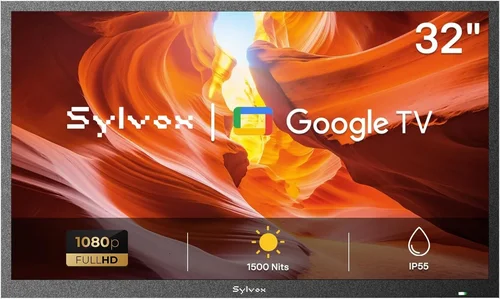
Outdoor living spaces have evolved far beyond simple patios and grills. Today’s outdoor kitchens are fully functional entertainment hubs—complete with refrigerators, sinks, lighting, and yes, even televisions. As homeowners invest more in their backyards, the demand for durable, high-performance garden TVs has surged. Whether you’re hosting summer barbecues, watching the big game under the stars, or enjoying a quiet evening with a movie, an outdoor TV can elevate your alfresco experience to new heights.
But choosing the right garden TV isn’t as simple as picking up any old flat-screen from your local electronics store. Outdoor environments present unique challenges: intense sunlight, temperature swings, humidity, rain, dust, and even wildlife. A standard indoor TV simply won’t cut it—it could overheat, suffer screen glare, or fail prematurely due to moisture damage. That’s why this comprehensive buying guide exists: to help you navigate the specialized world of outdoor televisions and make a smart, informed decision that balances performance, durability, and value.
In this guide, you’ll learn everything you need to know about selecting the perfect garden TV for your outdoor kitchen setup. We’ll break down the critical factors to consider—from weather resistance and brightness to smart features and installation requirements. You’ll discover the different types of outdoor TVs available, avoid common purchasing pitfalls, understand how much you should realistically spend, and get expert tips to maximize your investment. By the end, you’ll be equipped with the knowledge to choose a TV that not only survives the elements but enhances your outdoor lifestyle for years to come.
The market for outdoor TVs has matured significantly in recent years. Once a niche category dominated by a handful of premium brands, it now includes a wider range of options—from budget-friendly models designed for covered patios to fully ruggedized, all-weather displays built for open-air environments. Major manufacturers like Samsung, LG, and Sony have entered the space with outdoor-specific models, while specialists such as SunBriteTV, Seura, and Peerless continue to innovate with advanced weatherproofing and anti-glare technologies. This growing competition has driven improvements in both performance and affordability, making now an excellent time to invest in an outdoor garden TV—if you know what to look for.

What to Look for When Buying Buying Guide
1. Weather Resistance & IP Rating
One of the most critical factors when selecting an outdoor TV is its ability to withstand the elements. Unlike indoor TVs, garden TVs must endure rain, snow, dust, humidity, and temperature extremes. The first thing to check is the TV’s Ingress Protection (IP) rating—a two-digit code that indicates how well the device resists solid particles (like dust) and liquids (like water).
The first digit ranges from 0 to 6 and measures protection against solids. For outdoor use, you’ll want at least IP54 (protected against dust and splashing water), but IP65 or higher is ideal for full exposure. The second digit ranges from 0 to 8 and refers to liquid protection. An IP65 rating means the TV can handle low-pressure water jets from any direction—perfect for rainy climates or sprinkler zones.
Beyond the IP rating, look for additional weatherproofing features such as sealed ports, corrosion-resistant materials, and internal heating/cooling systems. Some high-end models include built-in thermal management to prevent overheating in direct sunlight or freezing in winter. For example, SunBriteTV’s Veranda series includes a fanless design with passive cooling, while their Pro series features active temperature control for extreme environments.
It’s also important to consider where you’ll mount the TV. If it’s under a covered patio or pergola, a lower IP rating may suffice. But if it’s fully exposed to the sky, invest in a TV with at least IP65 and robust construction. Never assume that “weather-resistant” means “weatherproof”—always verify the exact specifications.
2. Screen Brightness & Anti-Glare Technology
Sunlight is the enemy of outdoor viewing. Even on a cloudy day, ambient light can wash out an indoor TV’s display, making colors dull and details hard to see. That’s why outdoor TVs must have significantly higher brightness levels than their indoor counterparts. While most indoor TVs range from 300 to 500 nits, outdoor models typically start at 700 nits and can go as high as 2,500 nits or more.
Look for a minimum of 1,000 nits for partially shaded areas and 1,500+ nits for full sun exposure. Higher brightness ensures that images remain vivid and readable even during peak daylight hours. However, brightness alone isn’t enough—anti-glare coating is equally important. Many outdoor TVs feature optically bonded screens with anti-reflective layers that reduce glare from sunlight, water, or nearby lights.
For example, Seura’s Shadow Series uses a proprietary anti-glare film that minimizes reflections without sacrificing color accuracy. Similarly, Peerless-AV’s Xtreme series combines high brightness with a matte finish to deliver clear visuals in bright conditions. Some models also include automatic brightness sensors that adjust the screen’s output based on ambient light, optimizing both visibility and energy efficiency.
When comparing brightness specs, be wary of marketing claims. Some brands advertise “outdoor brightness” but don’t specify whether it’s peak or sustained brightness. Always look for real-world reviews or third-party testing to confirm performance. A TV that looks great in a dimly lit showroom may struggle in your sun-drenched backyard.
3. Build Quality & Durability
An outdoor TV isn’t just a display—it’s a long-term investment in your outdoor living space. That means it needs to be built to last. Start by examining the materials used in the chassis and bezel. Indoor TVs often use lightweight plastic, but outdoor models should feature metal enclosures, powder-coated finishes, and reinforced mounting points to resist rust, warping, and physical damage.
Pay attention to the quality of internal components as well. Outdoor TVs are subjected to constant thermal cycling—heating up during the day and cooling at night—which can stress circuits and solder joints over time. Look for models with industrial-grade capacitors, solid-state drives (if applicable), and conformal coating on circuit boards to protect against moisture and corrosion.
Mounting hardware is another durability consideration. Standard VESA mounts may not be sufficient for outdoor use. Opt for heavy-duty, corrosion-resistant brackets designed specifically for outdoor TVs. Many manufacturers offer optional weatherproof enclosures or all-weather mounts that provide extra protection and stability.
Real-world testing matters too. Some brands, like SunBriteTV, subject their TVs to rigorous environmental simulations, including salt fog testing (for coastal areas), UV exposure, and thermal shock cycles. These tests simulate years of outdoor use in a matter of weeks, ensuring reliability. If a brand doesn’t disclose testing procedures, it’s a red flag.
Finally, consider the TV’s weight and size. Heavier TVs often indicate sturdier construction, but they also require stronger mounting solutions. Ensure your wall or ceiling can support the load, especially in windy areas. A well-built outdoor TV should feel solid and substantial—not flimsy or lightweight like an indoor model.
4. Display Technology & Picture Quality
While durability is paramount, you still want a TV that delivers excellent picture quality. Most outdoor TVs use either LED-LCD or OLED panels, each with distinct advantages. LED-LCD is the most common choice due to its high brightness, energy efficiency, and lower cost. It’s ideal for outdoor use where peak luminance is critical.
OLED, on the other hand, offers superior contrast, deeper blacks, and wider viewing angles—but it’s less common in outdoor models due to concerns about burn-in and lower peak brightness. However, some premium outdoor TVs, like LG’s OLED EX series adapted for outdoor use, now include brightness-boosting technologies and pixel-refresh features to mitigate these issues.
Resolution is another key factor. While 4K UHD is standard even in outdoor TVs, ensure the model supports HDR (High Dynamic Range) for better color depth and contrast. HDR10, Dolby Vision, and HLG are common formats—look for at least HDR10 compatibility. For larger screens (65 inches and above), 4K resolution ensures sharp details, especially when viewed up close.
Refresh rate also matters, particularly for sports and action content. A 60Hz panel is acceptable for casual viewing, but 120Hz or higher provides smoother motion and reduced blur. Some outdoor TVs include motion interpolation or MEMC (Motion Estimation, Motion Compensation) to enhance fast-moving scenes.
Color accuracy and viewing angle are often overlooked but important for outdoor setups. Since viewers may be seated at various angles around a patio or kitchen island, a TV with wide viewing angles (178 degrees or more) ensures consistent image quality. Look for models with IPS (In-Plane Switching) panels or advanced VA (Vertical Alignment) technology for better off-axis performance.
Finally, consider the screen finish. Glossy screens may look vibrant indoors but can become mirror-like in sunlight. Matte or semi-gloss finishes are preferable for outdoor use, as they diffuse reflections without sacrificing clarity.
5. Smart Features & Connectivity
Modern outdoor TVs are more than just displays—they’re smart entertainment hubs. Most models come with built-in Wi-Fi, streaming apps (like Netflix, YouTube, and Disney+), and voice control via Alexa or Google Assistant. This eliminates the need for external streaming devices and simplifies operation in an outdoor setting where remotes can get lost or damaged.
Check the operating system: Android TV, webOS, Tizen, and Roku are the most common platforms. Each has its strengths—Android TV offers the widest app selection, while Roku is known for its simplicity and reliability. Ensure the OS receives regular updates and supports the streaming services you use most.
Connectivity is crucial for integrating your TV with other outdoor kitchen components. Look for multiple HDMI ports (at least three), USB inputs, optical audio output, and Ethernet for wired internet. Some models include RS-232 or IP control for integration with home automation systems like Control4 or Crestron—ideal for advanced setups.
Audio is another consideration. While many outdoor TVs have decent built-in speakers, they’re often limited by size and weatherproofing constraints. For better sound, consider pairing your TV with weather-resistant outdoor speakers or a soundbar. Some models include audio outputs or Bluetooth for wireless audio transmission.
Remote control design matters too. Look for remotes with backlighting, rubberized grips, and sealed buttons to resist moisture and dirt. Some brands offer smartphone apps as an alternative, which can be more convenient and less prone to loss.
Lastly, consider future-proofing. HDMI 2.1 support enables higher bandwidth for 4K/120Hz content and features like Variable Refresh Rate (VRR) and Auto Low Latency Mode (ALLM)—useful if you plan to connect a gaming console. While not essential for casual viewing, these features add longevity to your investment.
6. Size & Viewing Distance
Choosing the right screen size is a balance between visibility, space constraints, and budget. A TV that’s too small will be hard to see from a distance, while one that’s too large can overwhelm your outdoor kitchen and strain your wallet.
A general rule of thumb is to multiply your viewing distance (in inches) by 0.84 to get the ideal screen size in inches. For example, if you’ll be sitting 10 feet (120 inches) away, a 100-inch screen (120 × 0.84) would be optimal. However, outdoor environments often require larger screens due to ambient light and seating arrangements.
For most outdoor kitchens, 55 to 75 inches is a sweet spot. Smaller patios or covered areas may work with 43 to 50 inches, while expansive decks or poolside setups can accommodate 80 inches or more. Keep in mind that larger screens require more robust mounting and may need additional support structures.
Viewing angle is also important. If your seating is spread across a wide area, choose a TV with wide viewing angles or consider a curved screen (though these are rare outdoors). Avoid placing the TV too high or too low—eye level should be at the center of the screen when seated.
Portability is a factor if you plan to move the TV seasonally or between locations. Some outdoor TVs come with optional rolling stands or lightweight designs for easy relocation. However, most are intended for permanent installation.
Finally, consider the TV’s bezel size. Slim bezels maximize screen real estate and create a more immersive experience. Look for models with minimal borders, especially if you’re mounting multiple screens or creating a video wall.
7. Brand Reputation & Reliability
Not all outdoor TV brands are created equal. While mainstream manufacturers like Samsung and LG offer outdoor models, specialists like SunBriteTV, Seura, and Peerless-AV have decades of experience designing TVs specifically for outdoor use. These brands understand the unique challenges of outdoor environments and engineer their products accordingly.
Research brand reputation by reading professional reviews, customer testimonials, and industry awards. Look for brands with a proven track record of reliability and customer satisfaction. Check forums like AVS Forum or Reddit’s r/homeautomation for real-user experiences.
Consider the brand’s focus: some companies specialize exclusively in outdoor AV solutions, while others treat outdoor TVs as a side product. Specialist brands often provide better support, more detailed documentation, and longer warranties.
Also, evaluate the availability of replacement parts and service. Outdoor TVs may require maintenance or repairs over time, especially in harsh climates. Choose a brand with a strong service network and accessible customer support. Avoid obscure or imported brands with limited support channels.
Finally, be cautious of “outdoor-ready” claims from generic brands. Some companies sell indoor TVs with weatherproof covers, but these are not true outdoor TVs and may void warranties if used improperly. Always verify that the model is certified for outdoor use by the manufacturer.
8. Warranty & Support
A strong warranty is a sign of confidence in a product’s durability. Most reputable outdoor TV brands offer warranties ranging from 1 to 3 years, with some extending to 5 years for commercial use. Compare warranty terms carefully—some cover only parts, while others include labor and on-site service.
Look for warranties that specifically mention outdoor use. Indoor TV warranties often exclude damage from environmental factors, so ensure your coverage includes weather-related issues. Extended warranties or protection plans may be worth considering for high-end models.
Customer support is equally important. Check if the brand offers phone, email, or chat support, and whether technicians are trained in outdoor installations. Some companies provide installation guides, video tutorials, or even professional installation services.
Return policies matter too. Outdoor TVs are often custom-ordered or difficult to return due to size and weight. Ensure the retailer or manufacturer offers a reasonable return window (at least 30 days) and covers return shipping for defective units.
Lastly, consider the availability of firmware updates. Smart outdoor TVs should receive regular software updates to fix bugs, improve performance, and add new features. Brands that actively support their products post-purchase demonstrate long-term commitment.
Different Types of Buying Guide

Common Buying Mistakes to Avoid
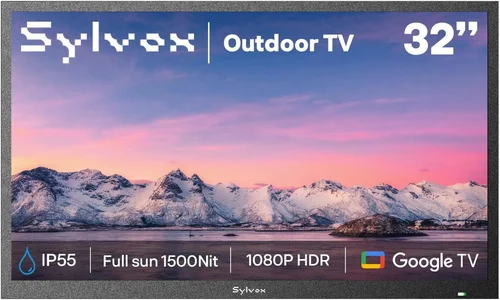
❌ Mistake: Buying an Indoor TV for Outdoor Use
Why it’s bad: Indoor TVs lack weatherproofing, have low brightness, and are not designed for temperature extremes. Using one outdoors can lead to overheating, screen damage, or electrical failure—and will likely void the warranty.
What to do instead: Always choose a TV specifically designed and certified for outdoor use. Look for models with IP ratings, high brightness, and weather-resistant construction.
❌ Mistake: Ignoring Sunlight and Glare
Why it’s bad: Even on a cloudy day, ambient light can wash out a standard TV. Without sufficient brightness and anti-glare coating, you’ll struggle to see the screen during daytime hours.
What to do instead: Prioritize TVs with at least 1,000 nits of brightness and anti-reflective screens. Test the TV in similar lighting conditions if possible.
❌ Mistake: Overlooking Mounting and Installation
Why it’s bad: Improper mounting can lead to instability, water ingress, or even the TV falling. Standard indoor mounts aren’t built for outdoor stresses like wind and moisture.
What to do instead: Use heavy-duty, corrosion-resistant outdoor mounts. Consult a professional installer if you’re unsure about structural support or wiring.
❌ Mistake: Choosing the Wrong Size
Why it’s bad: A TV that’s too small will be hard to see from a distance, while one that’s too large can dominate the space and strain your budget.
What to do instead: Calculate the ideal screen size based on viewing distance and seating layout. Use online calculators or consult with an AV specialist.
❌ Mistake: Neglecting Audio Quality
Why it’s bad: Built-in speakers on outdoor TVs are often weak and muffled due to weatherproofing. Poor audio ruins the viewing experience, especially in noisy outdoor environments.
What to do instead: Pair your TV with weather-resistant outdoor speakers or a soundbar. Consider wireless options for cleaner installation.
❌ Mistake: Skipping the Warranty Check
Why it’s bad: Outdoor TVs are expensive, and repairs can be costly. A weak or unclear warranty leaves you vulnerable to unexpected expenses.
What to do instead: Choose a brand with a strong warranty that covers outdoor use. Consider extended protection plans for peace of mind.
❌ Mistake: Buying Based on Price Alone
Why it’s bad: The cheapest option may lack essential features like brightness, durability, or smart functionality. You’ll likely need to replace it sooner.
What to do instead: Balance budget with long-term value. Invest in a mid-range or premium model that meets your needs and lasts for years.
Budget Guidelines: How Much Should You Spend?
- Entry-Level ($800 – $1,500): These TVs are ideal for covered patios or mild climates. They offer basic weather resistance (IP54), 700–1,000 nits brightness, and standard smart features. Expect simpler designs and shorter warranties. Best for casual users with limited exposure.
- Mid-Range ($1,500 – $3,000): The sweet spot for most homeowners. These models feature IP65 ratings, 1,000–1,500 nits brightness, robust builds, and full smart functionality. They’re suitable for partially exposed areas and offer excellent value.
- Premium ($3,000 – $5,000): For enthusiasts and those in harsh climates. These TVs include advanced thermal management, 1,500+ nits brightness, commercial-grade components, and extended warranties. Ideal for full sun exposure or coastal areas.
- Luxury ($5,000+): Top-tier models with OLED displays, mirror finishes, 24/7 operation capability, and integration with smart home systems. Designed for high-end outdoor kitchens and commercial use.
Expert Tips for Getting the Best Deal
- Buy during off-seasons: Prices often drop in late fall and winter when outdoor demand is low. Look for holiday sales or clearance events.
- Shop at specialty retailers: Stores like Crutchfield, Abt, or Outdoor AV offer expert advice, bundled deals, and professional installation services.
- Compare total cost of ownership: Factor in energy efficiency, warranty length, and expected lifespan—not just the sticker price.
- Check for rebates: Some utility companies offer rebates for energy-efficient outdoor electronics.
- Negotiate with installers: Many AV integrators offer package discounts when you bundle TV, speakers, and mounting.
- Read the fine print: Ensure the warranty covers outdoor use and understand return policies before purchasing.
- Test before you buy: If possible, visit a showroom to see the TV in bright lighting conditions.

Frequently Asked Questions
Q: Can I use a regular TV outdoors if it’s under cover?
A: Technically yes, but it’s not recommended. Even under cover, humidity, temperature swings, and dust can damage an indoor TV over time. Plus, brightness and glare will still be issues. A true outdoor TV is a safer, longer-lasting investment.
Q: Do outdoor TVs need special power outlets?
A: Most outdoor TVs use standard 120V outlets, but they should be GFCI-protected for safety. Consult an electrician to ensure your outdoor wiring meets code.
Q: How do I clean an outdoor TV screen?
A: Use a microfiber cloth and a mild cleaner designed for electronics. Avoid ammonia-based cleaners or abrasive materials that can damage anti-glare coatings.
Q: Can I leave my outdoor TV on all the time?
A: Most outdoor TVs are designed for continuous use, but check the manufacturer’s guidelines. Commercial-grade models are built for 24/7 operation, while consumer models may have usage limits.
Q: Will an outdoor TV work in winter?
A: Yes, if it’s rated for low temperatures. Look for models with operating ranges down to -22°F (-30°C) and internal heating elements for cold starts.
Q: Can I stream 4K content outdoors?
A: Absolutely. Most outdoor TVs support 4K streaming via Wi-Fi or Ethernet. Ensure your internet connection is strong enough for high-bandwidth content.
Q: Do I need a permit to install an outdoor TV?
A: It depends on your location and installation method. Wall-mounted TVs usually don’t require permits, but structural modifications or electrical work might. Check with local building authorities.
Q: How long do outdoor TVs last?
A: With proper care, a quality outdoor TV can last 7–10 years or more. Regular maintenance and shelter from extreme elements extend lifespan.
Q: Can I use a soundbar outdoors?
A: Yes, but only if it’s specifically designed for outdoor use. Indoor soundbars aren’t weatherproof and can fail quickly.
Q: Are outdoor TVs energy efficient?
A: Many modern outdoor TVs are ENERGY STAR certified and use LED backlighting for lower power consumption. Look for models with auto-brightness sensors to save energy.
Our Final Recommendations
- Best for Budget-Conscious Buyers: SunBriteTV Veranda Series – Excellent value with IP54 rating, 1,000 nits brightness, and reliable performance for covered patios.
- Best Overall Value: Seura Shadow Series – Combines high brightness, anti-glare tech, and sleek design at a mid-range price.
- Best Premium Option: Peerless-AV Xtreme Series – Rugged, IP66-rated, with thermal management and commercial-grade durability.
- Best for Beginners: LG Outdoor OLED (adapted model) – User-friendly smart features, stunning picture quality, and strong brand support.
- Best for Advanced Users: Samsung The Terrace – Full smart ecosystem integration, 2,500 nits brightness, and seamless outdoor design.
Conclusion: Making the Right Choice
Choosing the right garden TV for your outdoor kitchen is about more than just picking a screen that looks good. It’s about finding a durable, high-performance display that can handle the elements while delivering an exceptional viewing experience. From weather resistance and brightness to smart features and build quality, every detail matters when you’re investing in your outdoor lifestyle.
Remember to prioritize your specific needs: your climate, viewing habits, and budget will guide your decision. Don’t rush the process—take time to research, compare options, and consult experts if needed. A well-chosen outdoor TV will enhance your backyard gatherings, movie nights, and everyday relaxation for years to come.
Ultimately, the best garden TV is the one that fits seamlessly into your outdoor kitchen, withstands the test of time, and brings joy to every moment spent outside. Use this guide as your roadmap, avoid common pitfalls, and invest wisely. Your perfect outdoor entertainment setup is within reach.

